
EU adopts 21st Russia sanctions package targeting banks, shadow fleet and crypto networks
The European Union adopted its 21st package of sanctions against Russia on Thursday, targeting banks, cryptocurrency networks, oil traders, and the shadow fleet.
The new measures include sanctions against 94 banks and financial institutions, as well as restrictions on cryptocurrency platforms and vessels assisting Russia's shadow fleet. The package also includes a compromise with Greece, allowing the transport of Russian liquefied natural gas (LNG) to third countries under certain conditions.
EU High Representative for Foreign Affairs and Security Policy Kaja Kallas stated that the sanctions aim to squeeze Russia's economy and its capacity to prolong its war in Ukraine. "Our 21st package includes the highest number of listings in four years. We're hitting over a hundred banks and crypto operators, 40+ vessels in Russia's shadow fleet, and several oil refineries in Russia and Belarus. More than 50 military-industrial entities are included, key actors involved in the production of Russia's long-range drones," she said.
The package also includes a 12-month freeze on the Russian oil price cap at $44.10 a barrel. European Commission President Ursula von der Leyen emphasized that the measures are designed to prevent Russia from benefiting from market shocks.
However, the negotiations revealed some cracks within the EU. Lithuanian Foreign Minister Kęstutis Budrys criticized the concessions made to Russia in the energy sector, stating that they undermine the bloc’s overall pressure campaign against Moscow.
Greece, home to the world's largest merchant fleet, used its veto to press for an exemption on the transport of Russian LNG to non-EU clients. This exemption was granted, allowing Greek shipping companies to continue transporting Russian LNG to third countries.
The package also includes measures against Russia's shadow fleet, adding 41 vessels to the sanctions list, bringing the total number of sanctioned ships to 692. Additionally, the EU has imposed sanctions on more than 80 Russian banks and extended transaction bans to another 33 financial institutions.
In the energy sector, the EU agreed to suspend a review of the Russian oil price cap until July 15, 2027. Unless member states decide otherwise by that date, the current price cap of $44.10 per barrel will remain in force.
Follow us for live European news
- 1
- 1
- 1
- 1
- 1
- 1
- 1
- 1
- 1
- 1
6 further sources not geolocated
Articles

21st sanctions package adopted: EU targets Russias energy, financial and crypto sectors On July 23, the Council of the European Union adopted the 21st package of restrictive measures against Russia in response to its military aggression against Ukraine.
ukrinform · about 2 hours ago
Europe Intelligence Brief July 23: Striking Deep, Holding
gdeltproject.org · about 2 hours ago
Lithuanian FM slams concessions in latest Russia sanctions round Lithuanian Foreign Minister Kęstutis Budrys on Thursday criticised concessions made to Russia in the energy sector as part of negotiations on the European Unions latest sanctions package, saying they undermine the blocs overall pressure campaign against Moscow.
lrt · about 2 hours ago
EU banking sector targeted for major regulatory simplification push
gdeltproject.org · about 3 hours ago
:format(jpg)/f.elconfidencial.com%2Foriginal%2Fb72%2F387%2F240%2Fb72387240b3cf10f3a75b3df8f920587.jpg)
La UE suspende al Gobierno por la financiación de partidos políticos y la desregulación del lobby La Comisión Europea denuncia el bloqueo de leyes importantes para prevenir la corrupción y la falta de presupuesto y personal de entes como la Autoridad Independiente de Protección al Informante
el confidencial · about 3 hours ago
Chaotic sanctions negotiations expose cracks in EU front versus Russia New round of EU sanctions against Russia shaped by a series of veto threats as member states sought to protect national interests. The final package, significantly watered down, has exposed growing cracks within the bloc.
euronews · about 3 hours ago

📰 US Senate adds Iran to sanctions bill on Russia🔗 #RussianInvasion #RussianWar #Ukraine
mastodon bot · about 3 hours ago
Ozon, Yandex, and Wildberries banks caught in the EUs largest sanctions sweep in four years
telegram_Meduza · about 3 hours ago
Russia passes civil death legislation to freeze exiled critics money, block their passports, and cut off consular aid
telegram_Meduza · about 3 hours ago

Greek billionaire dilutes largest EU anti-Russian sanctions package with an LNG exemption
bluesky_EUobserver · about 3 hours ago
A European banks operations in Russia are cynical and criminal - Paet - The Baltic Times TALLINN - According to Urmas Paet, Vice-Chair of the European Parliaments Foreign Affairs Committee, it is cynical and criminal for any Eur......
baltic times · about 3 hours ago

AfD ban hearing in the Thuringian state parliament: Hape Kerkeling, Maaßen and Lavrov invited #DE #Deutsch #Deutschsprechenden #Europe
mastodon bot · about 3 hours ago
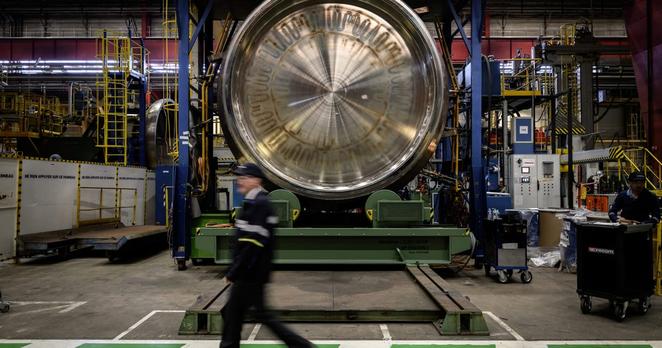
A nuclear project linked to Russian state-owned company Rosatom has been given the go-ahead by state authorities in northwest Germany, under strict conditions to mitigate risks posed by Russian involvement. #Russia #EU #Germany
mastodon bot · about 4 hours ago
The European Union adopted on Thursday its 21st package of sanctions against Russia over its war in Ukraine. The new measures target banks, cryptocurrency networks, oil traders, the shadow fleet and Russian energy revenues. #Russia #EU
mastodon bot · about 4 hours ago
Ukraina vajab Euroopa Liidu toetust solidaarsuskoridoride toimimiseks Ukraina vajab hädasti Euroopa Liidu toetust solidaarsuskoridoride katkematu töö tagamiseks ja Doonau transpordikoridori läbilaskevõime suurendamiseks, ütles neljapäeval välisminister Andri Sõbiha.
postimees · about 4 hours ago
Iraan tahetakse lisada USA Venemaa vastaste sanktsioonide eelnõusse Lõuna-Dakota vabariiklane ja USA senati enamuse juht John Thune kavatseb lisada Iraani-vastaste sanktsioonide sätte Venemaa-vastaste sanktsioonide eelnõusse, mida praegu ülemkojas arutatakse, teatas poliitikaväljaanne The Hill, mida reedel vahendas uudisteagentuur Unian.
postimees · about 5 hours ago
Polish holdout mars EU climate target deal
gdeltproject.org · about 5 hours ago
Putin says Russian economy stable despite energy sector pressure President Vladimir Putin said on Wednesday that the Russian economy remains resilient despite external attempts to destabilize the fuel and energy sector, citing preliminary data that showed the economy expanded 0.3 in May and GDP grew 0.2 in the first five months of the year.
yenisafak · about 5 hours ago
EU agrees on 21st sanctions package against Russia targeting banks, oil The European Union has agreed on its 21st sanctions package against Russia, tightening restrictions on the banking sector and increasing pressure on oil and gas. The package targets cryptocurrency companies and vessels assisting Russias shadow fleet, with 32 Russian banks added to the transaction ban list.
yenisafak · about 5 hours ago
EU-sanksjoner mot sjakkpresidenten – trer midlertidig til side Den russiske presidenten i Det internasjonale sjakkforbundet (Fide) trer midlertidig til side etter at han ble oppført…
aftenposten · about 5 hours ago
Nuove sanzioni Ue a Mosca, niente visti ai soldati russi: Il pacchetto più grande Compromesso europeo: rinnovato il tetto al prezzo del petrolio, colpite cripotovalute e navi della flotta ombra. Su pressing tedesco risparmiata limportazione di pesce
corriere · about 5 hours ago
G7 to announce long-term Ukraine security package at NATO summit
gdeltproject.org · about 6 hours ago
EU banking sector targeted for major regulatory simplification push The European Commission recently adopted a communication addressing the competitiveness of the EU banking sector to strengthen the Single Market for banking. European Commission President Ursula von der Leyen stated that getting capital flowing is how we will get Europe growing. Our Savings and Investments Union needs a strong, competitive banking sector at its heart, […]
cyprus mail · about 6 hours ago
US Senate adds Iran to sanctions bill on Russia U.S. senators have included financial sanctions against Iran in the bipartisan sanctions package against Russia.
ukrinform · about 6 hours ago
EU envoys agree 21st sanctions package against Russia targeting banks European Union envoys agreed on a 21st sanctions package against Russia over its war in Ukraine, imposing curbs on its banking sector while also finding a compromise with…
japantoday · about 6 hours ago

A number of EU countries have achieved a softening of the new sanctions package against Russia #Europe
mastodon bot · about 6 hours ago
📰 Ozon, Yandex, and Wildberries banks caught in the EUs largest sanctions sweep in four years🔗 #RussianInvasion #RussianWar #Ukraine
mastodon bot · about 7 hours ago
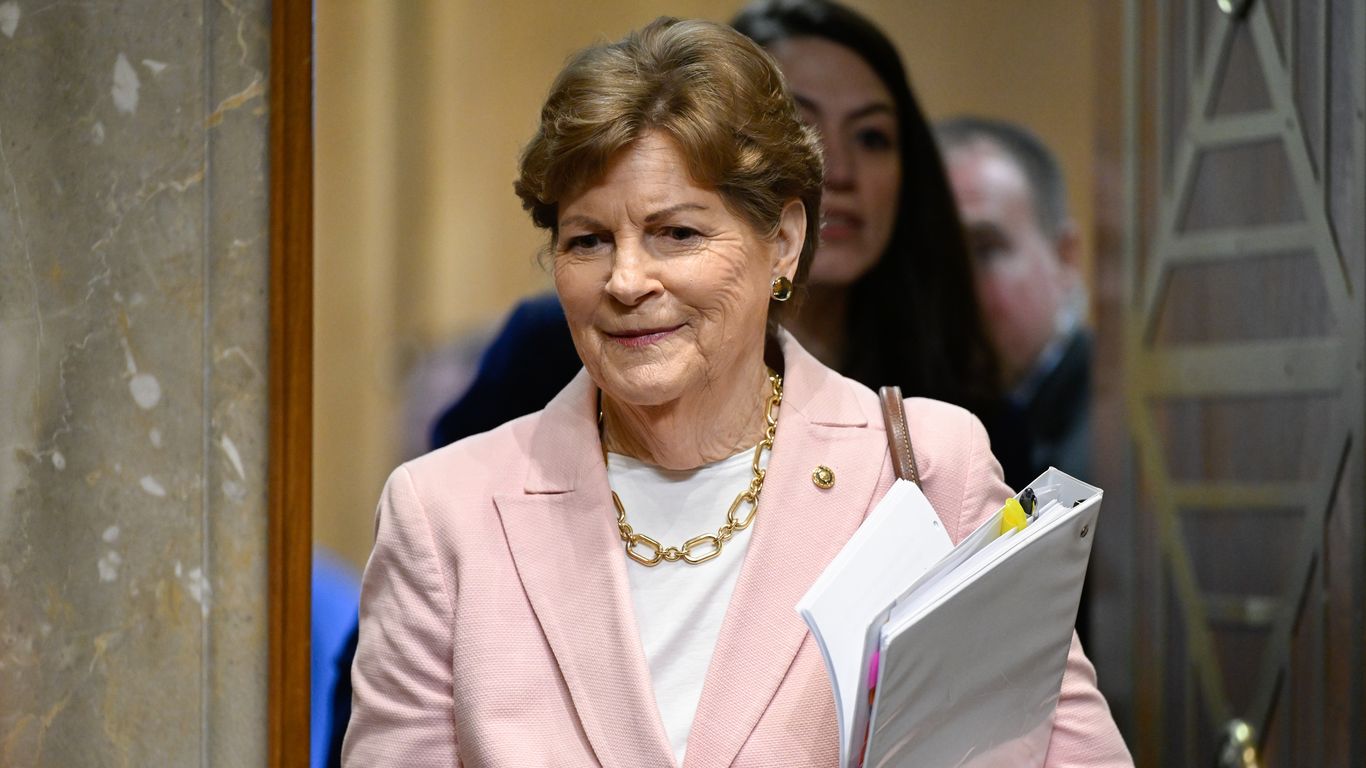
Senate preparing to vote on Russia sanctions next week Democrats are indicating to their Republican counterparts that they are prepared to vote as early as next week on a Russia sanctions package that includes an 11th-hour demand from President Trump that the bill also include Iran, according to people familiar with the matter.Why it matters: It would mark a rare bipartisan breakthrough on legislation to help end the war in Ukraine in a Senate that has spent much of the year engaged in partisan combat.It also would show that Majority Leader John Thune (R-S.D.) and Minority Leader Chuck Schumer (D-N.Y) can work together weeks before Election Day — a dynamic that could prove critical as the Senate works to avoid a third government shutdown this year. Tuesdays Capitol memorial for Sen. Lindsey Graham (R-S.C.) will serve as an emotional backdrop to the Senates consideration of the bill he spent his final days trying to shepherd across the finish line."Im optimistic well be able to move forward soon," Sen. Jeanne Shaheen (D-N.H.), the ranking member on the Senate Foreign Relations Committee, said."Ukraine has the momentum on the battlefield, and the Kremlins position is increasingly precarious. It is vital that we move as quickly as possible." Zoom out: The bill, which has more than 60 cosponsors, has been revised twice since Grahams sudden passing on July 11.First, senators lowered the overall rate of secondary tariffs from 500 to 100 and narrowed the scope of the bill, allowing Trump to tariff no more than five countries.In one of his last acts, Graham secured the Trump administrations blessing for the deal, according to his Senate colleagues.This is a big effing deal," Sen. Richard Blumenthal (D-Conn.) said, quoting Graham.Then, on July 19, Trump demanded that the legislation be expanded."Republicans should add Iran to the Russian Sanctions Bill. Thats what Lindsey wanted to do, and it was going to happen," he said on Truth Social.Zoom in: At first, there was confusion about what Trump actually meant, but senators appear to have addressed his concerns by including noncontroversial sanctions on Iran that were set to expire at the end of the year.On Thursday, Thune indicated that his conference was comfortable with the Iran additions."I think everybodys fine with it, because we would do it anyway," Thune said.The other side: Some Democrats oppose the overall notion of giving Trump another tool to impose tariffs. They may attempt to slow consideration of the bill, but they dont have the numbers to derail it."The problem with the Russian sanction bill — because I very much support Ukraine — is that Trump is doing everything he can to just expand his reach into tariffs, and thats what he lives for," said Sen. Ron Wyden (D-Ore.)."I think Leader Thune is getting ready to start moving procedurally. People have asked me, and I said Im not giving up any procedural rights right now."The bottom line: Thune and Schumer still need to reach a time agreement on the sanctions legislation.But with Thune indicating the crypto bill — the CLARITY Act — wont get finished this work period, the Senate may have more floor time to consider the legislation and pay tribute to their late colleague.
axios · about 7 hours ago

📰 Sberbank to close foreign-currency and multicurrency Visa and Mastercard cards starting September 1🔗 #RussianInvasion #RussianWar #Ukraine
mastodon bot · about 7 hours ago
📰 Russia passes civil death legislation to freeze exiled critics money, block their passports, and cut off consular aid🔗 #RussianInvasion #RussianWar #Ukraine
mastodon bot · about 7 hours ago