
Taliban mark five years in power as global engagement grows despite rights crackdown
Story Timeline
2 days · 2 summary articles
Taliban mark five years in power as global engagement grows despite rights crackdown
Afghanistans humanitarian crisis deepens five years after Taliban takeover: hunger, education bans and mass returns strain nation
Continuation
The Taliban marked five years in power in Afghanistan on Saturday, with authorities celebrating what they called the country’s “freedom” and security, while critics condemned the regime’s tightening restrictions on daily life.
The Islamist group seized control of Kabul on Aug. 15, 2021, following the withdrawal of U.S. troops and the collapse of Afghanistan’s democratically elected government. Since then, the Taliban have imposed a strict interpretation of Sharia law, banning women from universities, most employment, and secondary education, according to the United Nations . The U.N. described Afghanistan as a “graveyard for human rights” in March, citing a “cascade of edicts” that also include strict dress codes and the persecution of minorities .
Despite international condemnation, the Taliban have broken out of diplomatic isolation, with regional and global powers increasingly engaging with the regime. India, Qatar, China, Iran, and several Central Asian states have renewed ties or opened new communication channels, while Russia recognized the Taliban government in Kabul just over a year ago and signed a military cooperation agreement last month . The European Union held talks with Taliban officials in Brussels in June about returning failed asylum-seekers to Afghanistan .
Human rights groups and activists warn that the regime’s policies have led to severe repression. According to UNICEF, 2.6 million girls are now excluded from schools and universities, and Afghanistan remains the only country in the world where girls are banned from education beyond primary school . The Taliban have also banned music and female singing, while women are largely barred from public life without a male guardian .
The humanitarian situation has deteriorated, with the public health system largely collapsed and Afghanistan suffering the highest maternal mortality rate in Asia, at 638 deaths per 100,000 live births . Campaigners fear that renewed diplomatic engagement risks undermining demands for human rights improvements. Shivam Shekhawat of the Observer Research Foundation in Delhi said the Taliban view any contact as a diplomatic win, capitalizing on it as a sign of legitimacy .
Afghan women have described the past five years as a period of extreme restriction. Roya, a 23-year-old in Kabul, told *La Vanguardia* that she once played on a women’s soccer team but now faces bans on entering parks or gyms. She recalled the chaos of the Taliban’s takeover, when desperate civilians clung to departing U.S. planes, some falling to their deaths . “They stole my education and my adolescence,” she said .
Follow us for live European news
- 4
- 3
- 2
- 2
- 2
- 1
- 1
- 1
3 further sources not geolocated
Articles

Mulheres afegãs sob o jugo dos taliban: medo de sair à rua, receio de ficar em casa Cinco anos após a volta dos fundamentalistas ao poder no Afeganistão, as mulheres foram apagadas da vida pública e a sua saúde mental definha. Mais de metade sai de casa menos de duas vezes por mês.
publico · about 18 hours ago
Cinco anos depois das trevas terem voltado a cobrir o Afeganistão A chegada dos taliban a Cabul a 15 de Agosto de 2021 marcou o fim de 20 anos de república e o regresso do emirado. Cinco anos depois, os interesses geopolíticos estão a caminho de normalizar o regime.
publico · about 18 hours ago

Cinco años después, la vida sigue en suspenso para las mujeres afganas Aburrimiento, furia y depresión. Dos hermanas describen cómo es despertarse en Kabul desde que los talibanes recuperaron el país en el 2021
la vanguardia · about 19 hours ago

⚡ NEWSGrowing Global Diplomatic Engagement with Taliban RegimeCampaigners express concern that increasing diplomatic contacts between major powers and the Taliban are undermining human rights demands. Five years after seizing power, the regime is actively seeking to end its isolation as countries renew ties despite systematic abuses.📰 #Geopolitics #GeoWire
mastodon bot · about 19 hours ago
Hunger, Unterdrückung und „falscher Frieden Fünf Jahre nach ihrer gewaltsamen Machtübernahme in Afghanistan warnen Stimmen aus Zivilgesellschaft und Politik vor einer „Normalisierung der radikalislamischen Taliban. Gespräche mit EU-Staaten wie Österreich über Abschiebungen würden das Regime de facto legitimieren, so der Vorwurf. Gleichzeitig kollabiert Afghanistan humanitär: Millionen Kinder hungern, die Gesundheitsversorgung bricht zusammen, und eine systematische „Gender-Apartheid verdrängt Frauen aus dem öffentlichen Leben.
orf.at · about 20 hours ago
Terug naar 2021: zo namen de taliban de macht weer over in Kabul Vandaag is het precies vijf jaar geleden dat de taliban de macht weer overnamen in de Afghaanse hoofdstad Kabul. Dit is een oude uitzending van RTL Nieuws, van een dag na de val van Kabul.
rtl nieuws · about 20 hours ago
Cinq ans après le retour des talibans : «Les femmes sont placées dans une condition dinfériorité extrême, de soumission inégalée» Selon le chercheur Karim Pakzad, les talibans, qui multiplient les atteintes aux droits des femmes, font face à une crise économique et à une insécurité grandissante depuis leur prise de pouvoir en 2021.
liberation · about 20 hours ago
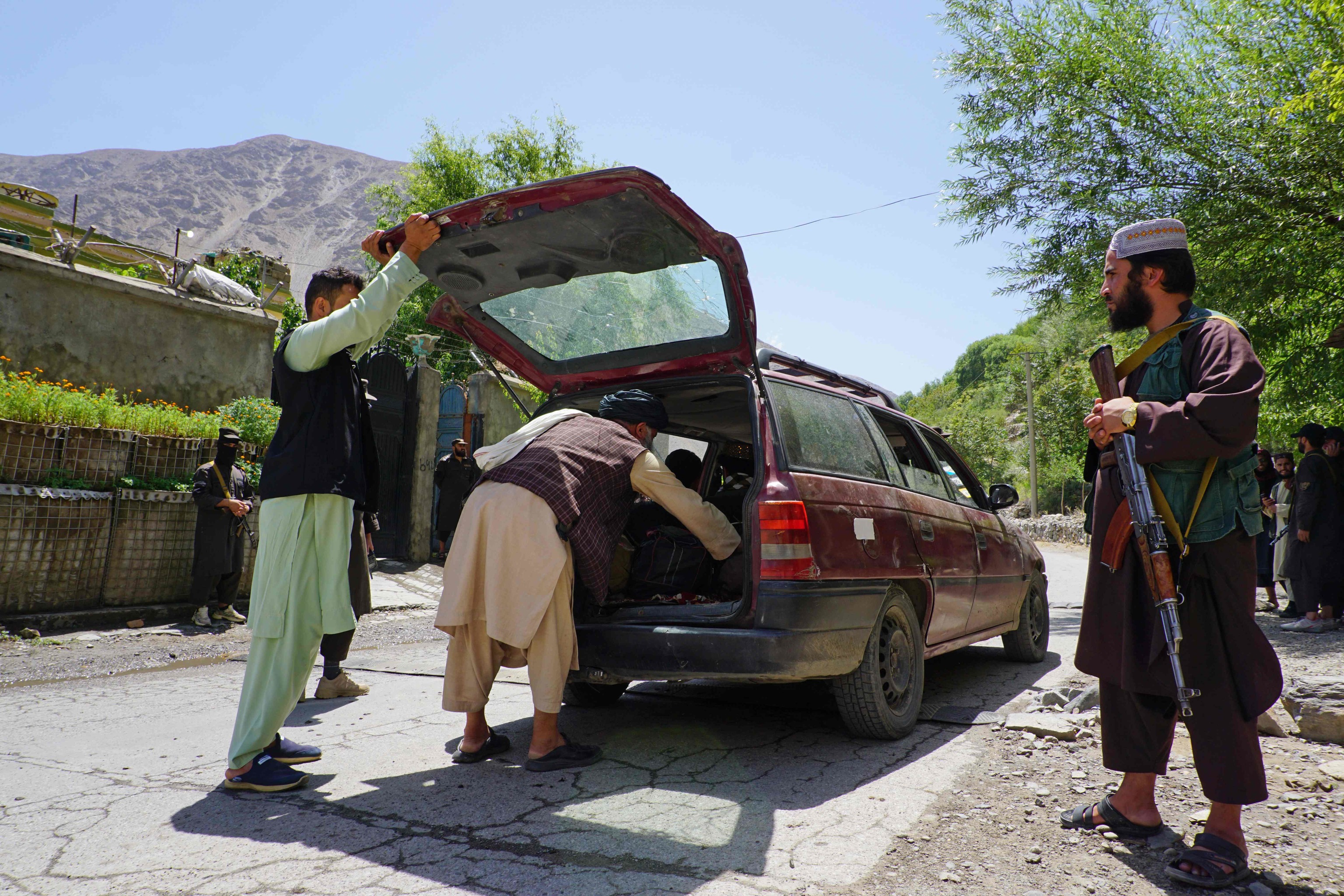
El régimen talibán cumple cinco años en el poder entre el orden forzado y el colapso humanitario La represión interna también se ha traducido en una caída de los donantes de ayuda humanitaria internacionales, recelosos de legitimar a un régimen cuyos ministros siguen bajo sanciones de Naciones Unidas por terrorismo Leer
elmundo · about 21 hours ago
Taliban: Afghanistan fünf Jahre unter den Taliban Fünf Jahre nach der Machtübernahme der Taliban bleibt die humanitäre Lage in Afghanistan angespannt. Und: Niedrigwasser könnte den Rhein für die Schifffahrt teilen
die zeit · about 21 hours ago
Sverige bör inte överge afghanerna Sveriges avståndstagande har inte förbättrat situationen i Afghanistan – bara begränsat möjligheten att påverka. Sverige kan stå fast vid sina principer och samtidigt föra dialog, skriver tidigare ambassadörer och Afghanistanexperter.
svenska dagbladet · about 21 hours ago
Das zweite Islamische Emirat Afghanistan erweist sich als resistent Die Bilder aus Kabul aus dem August 2021 überdecken die vergessene Wahrheit, dass Donald Trump mit den paschtunischen Gotteskriegern einen "Frieden" schloss
der standard · about 21 hours ago
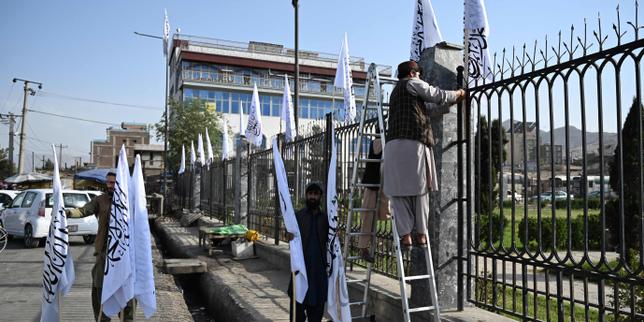
En Afghanistan, les talibans ont rompu leur isolement international, cinq ans après leur retour au pouvoir Les capitales des pays voisins discutent avec Kaboul des circuits commerciaux régionaux tandis quAméricains et Européens négocient avec le régime au nom de la lutte contre le terrorisme et pour le retour dans le pays de déboutés du droit dasile.
le monde · about 22 hours ago
The Taliban are vile. Democracies must still engage with them Five years after Americas exit, the Afghan regime is not going anywhere.
nrc · about 22 hours ago

Afghanistan : comment le régime taliban a généré, en cinq ans, une nouvelle ère de féminicides Cest le stade ultime de lapartheid de genre imposé par les talibans depuis leur retour au pouvoir à Kaboul, le 15 août 2021 : les meurtres de femmes par leur mari se multiplient, favorisés par leur exclusion du corps social et une impunité quasi absolue pour les auteurs de violences, révèle le média afghan en exil Zan Times.
courrier international · about 22 hours ago
Kleinunternehmer: Liegt Afghanistans Zukunft in der Arbeit der Frauen? Vor fünf Jahren eroberten die Taliban Afghanistan zurück. Seither unterdrücken sie die Rechte von Frauen. Aber deren Unternehmen sind ein Lichtblick in der sonst düsteren wirtschaftlichen Lage.
tagesspiegel · about 24 hours ago
UN urges support for Afghan womens aid five years into Taliban rule More than half of womens organisations operating in Afghanistan could cease operations within next year: UN Women.
aljazeera · 1 day ago
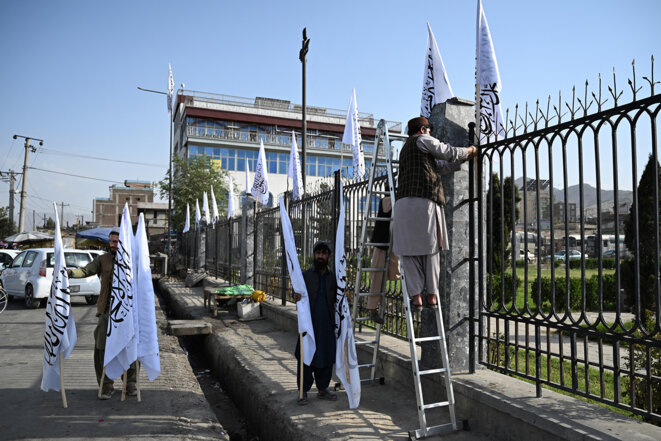
«LAfghanistan est devenu le théâtre de lune des pires crises des droits humains au monde» Cinq ans après la chute de Kaboul et la prise de pouvoir par les talibans, la chercheuse de Human Rights Watch, Fereshta Abbasi, dresse un bilan très sombre du quotidien des Afghans, entre transgression des droits fondamentaux, détention arbitraire, torture et disparitions forcées.
mediapart · 1 day ago

UN urges support for Afghan women amid tightening Taliban curbs reut.rs/4x0Urot
bluesky_Reuters · 1 day ago
Fünf Jahre nach dem Afghanistan-Abzug: Lieber nicht mehr dran denken Der Bundeswehr-Einsatz in Afghanistan war eine unmögliche Mission. Und doch machten Union und SPD über Jahre mehr Gelder dafür locker. mehr...
taz.de · 1 day ago

The Taliban government celebrates five years of ruling Afghanistan on Saturday, with the authorities hailing their countrys "freedom" and security, while critics decry tightening restrictions in all areas of daily life. u.afp.com/SHuD
bluesky_AFP English · 1 day ago