Loading…
 Saturday, September 26Saturday, September 26
4 months · 3 summary articles
Washington and Tehran edge closer to deal: Trump claims breakthrough as Iran resists
Trump claims US-Iran deal to be signed Sunday, Iran disputes timing
Trump delays Iran deal decision as Tehran rejects U.S. demands
US President Donald Trump announced on Saturday that the United States and Iran will sign a preliminary agreement on Sunday, 15 June 2026, aimed at ending the Middle East conflict, while Tehran cautioned that the timing remains unclear. In a Truth Social post, Trump stated the deal would prevent Iran from acquiring nuclear weapons and immediately reopen the Strait of Hormuz to international shipping. “Iran no longer wants a nuclear weapon, nor will they have one,” he wrote, adding that Washington reserves “ultimate alternatives” if Tehran refuses to sign.
Multiple outlets reported Trump’s claim that the accord would be signed on Sunday, with the Hormuz Strait opening immediately thereafter. Reuters, The Journal.ie, and several European media echoed the announcement, describing the agreement as a memorandum of understanding that would precede a broader peace deal.
However, Iranian officials pushed back. A senior Iranian source told Al Jazeera that while both sides have indicated a deal is close, they diverge on details and timing. Pakistani mediators, meanwhile, said an agreement to extend the ceasefire was imminent, suggesting the contours of a breakthrough exist even if the exact schedule remains unsettled.
The proposed accord follows weeks of indirect talks mediated by Pakistan and Gulf states, with the Strait of Hormuz—a critical chokepoint for global oil supplies—at the center of negotiations. Trump framed the deal as a bulwark against nuclear proliferation, while Iranian leaders have insisted any agreement must address regional security guarantees and sanctions relief. Analysts note that even a preliminary memorandum could reduce tensions, but warn that unresolved disputes over compliance and enforcement could derail the process before a final treaty is reached.
Israel, which has conducted airstrikes against Iranian-backed forces in Syria and Lebanon, has not publicly commented on the proposed US-Iran understanding. Regional diplomats say Jerusalem’s tacit approval may hinge on whether the deal curbs Iran’s military presence near Israel’s borders. With the signing ceremony scheduled for Sunday, the coming hours will determine whether the preliminary accord holds or collapses under the weight of unresolved differences.
Follow us for live European news
2 further sources not geolocated

Pakistan, Egypt hail US-Iran progress, hope for early peace deal Pakistani Foreign Minister Ishaq Dar and his Egyptian counterpart Badr Abdelatty discussed the latest developments in US-Iran talks late Friday, expressing hope for an early peace deal as Islamabad continues mediation efforts to end the war that began on February 28.
yenisafak · 3 months ago
Iran rules out Sunday signing of US memorandum Foreign Ministry spokesman Esmaeil Baghaei said Saturday that the Islamabad memorandum will not be signed on Sunday, citing what he called Washingtons hesitation despite Pakistani Prime Minister Shehbaz Sharifs announcement that the parties are closer to a deal than ever before.
yenisafak · 3 months ago
Avtal med Iran nära enligt Donald Trump Donald Trump hävdar att ett avtal med Iran kan komma redan under söndagen. Samtidigt hotar den amerikanske presidenten med det ultimata alternativet om Iran sätter sig på tvären.
svenska dagbladet · 3 months ago
Israel attacks Lebanon as US says Iran deal to be signed on Sunday Explosions shook southern Lebanon on Saturday as Israel continued its attacks.
aljazeera · 3 months ago
#Iran #Russia Iran has reportedly restored about 75 of its missile arsenal during a ceasefire with the United States, with significant assistance from Russia. This rearmament involved acquiring new missiles produced in Russia, allowing Iran to regain much of its pre-war military capabilities. Subscribe to @OSINTdefender Chat room
telegram bot · 3 months ago
#Iran #USA Irans Foreign Ministry has stated that the signing of the agreement with the United States will not occur on Sunday, although it remains possible in the coming days. This announcement comes amid ongoing negotiations that are reportedly in their final stages. Subscribe to @OSINTdefender Chat room
telegram bot · 3 months ago

Nathan Shachar: USA–Iran-avtal svår missräkning för Israel Oerhörd besvikelse, Israel marginaliserat, samma som Obamas avtal 2015 – så bedömer israeliska medier och experter det avtal mellan USA och Iran som aviserats. Det gäller i synnerhet det som för Israel är huvudsaken: Irans atomprogram.
dagens nyheter · 3 months ago
Trump says US and Iran will sign deal on Sunday to reopen Strait Tehran cautions that timing is unclear but Pakistan says agreement to extend ceasefire is close
financial times · 3 months ago
Trump says Iran deal expected to be signed tomorrow, Strait of Hormuz will be reopened Trump has announced that an agreement with Iran will be signed on 14 June, after which the Strait of Hormuz will be reopened for shipping.
ukrpravda · 3 months ago

Trump: Iranavtal undertecknas i morgon Ett avtal mellan USA och Iran kommer att undertecknas på söndag, enligt USA:s president Donald Trump. Presidenten hävdar att Iran avstår från att utveckla kärnvapen. Samt att landets lager av höganrikat uran ska förstöras. Från iranskt håll är beskeden inte lika tydliga.
dagens nyheter · 3 months ago
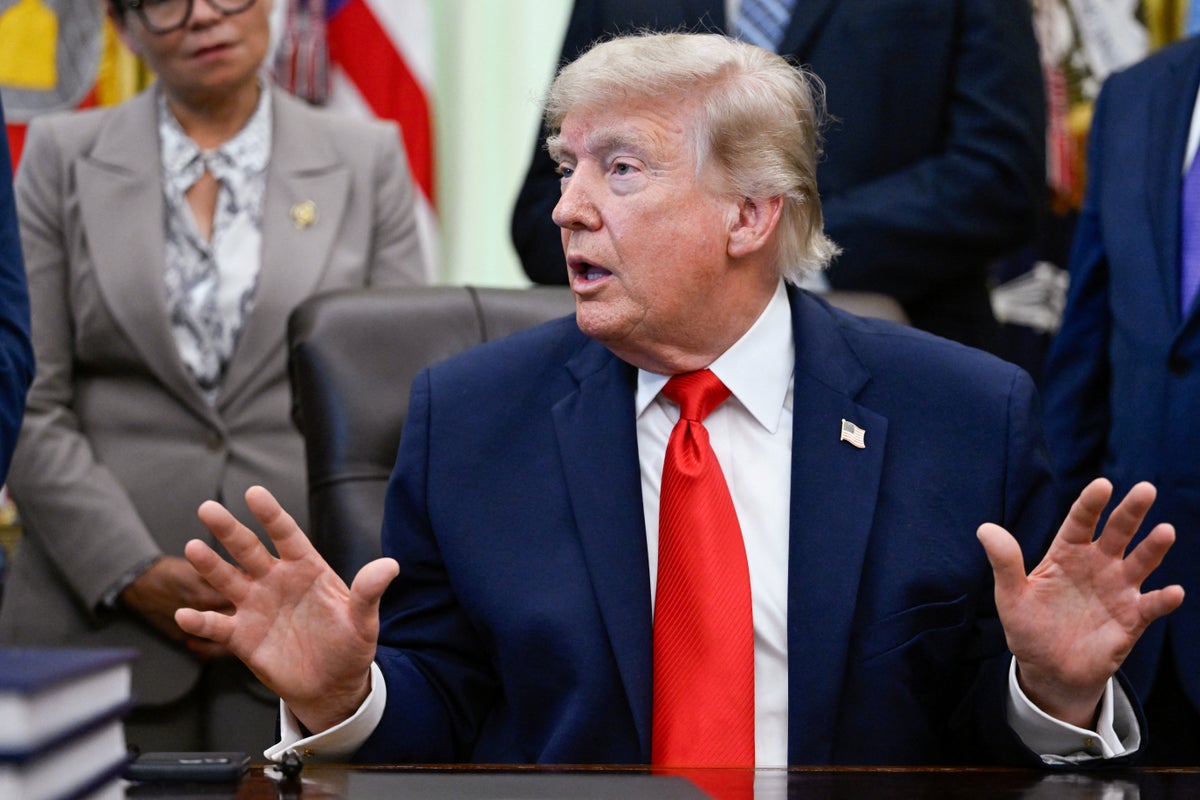
Iran-US war latest: Deal to be signed on Sunday, Trump says as he warns of ultimate alternative if talks fail Irans foreign ministry says it must be cautious in commenting on deal signing date
independent · 3 months ago
The Iran dilemma between war and diplomacy The Middle East remains trapped between war and negotiation. The fact that Israel has not ended its attacks on Lebanon appears to have created a need for Iran to show that it is ready to walk away from the table. While the Trump administration struggles to keep Iran at the table, the escalation of mutual attacks has once again highlighted the fundamental contradictions in Washingtons strategy. The Trump administration, unable to bring Iran to its knees by increasing military pressure, tries to
yenisafak · 3 months ago
Trump calls Araghchi post on US-Iran deal very positive US President Donald Trump on Friday welcomed a social media post by Iranian Foreign Minister Abbas Araghchi regarding a potential agreement between Washington and Tehran, calling the message "very positive" while maintaining that a deal could be finalized as early as the weekend.
yenisafak · 3 months ago
Pakistan says US and Iran agree on final text to end war Pakistans Prime Minister Shehbaz Sharif announced on Friday that the United States and Iran have agreed on a "final text" to end their two-month war, warning that misinformation campaigns threaten to derail the progress as Islamabad works to finalize implementation.
yenisafak · 3 months ago
Trump announces peace agreement with Iran to be signed on Sunday On Sunday, June 14, a peace agreement with Iran will be signed, after which the Strait of Hormuz will be immediately opened to free navigation.
ukrinform · 3 months ago
Trump says Iran deal to be signed tomorrow, contradicting Iranian official Both sides have indicated a deal to end the war is close, but have diverged on details and timeline for a breakthrough.
aljazeera · 3 months ago
US-Iran Peace Deal Expected Within 24 Hours, Pakistan PM Says The United States and Iran, says Pakistani Prime Minister Shehbaz, are to sign an initial peace deal within the next 24 hours, Reuters has reported. The two nations have agreed on a framework for a peace deal that could end the months-long war in the Middle East, with the final text of the agreement having […]
greek reporter · 3 months ago
US President Trump says US-Iran deal to be signed tomorrow US President Donald Trump says a deal between Washington and Tehran will be signed on Sunday.
aljazeera · 3 months ago
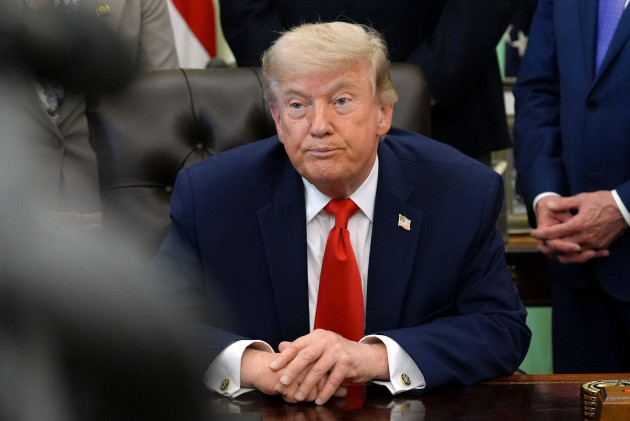
Trump says deal with Iran to be signed on Sunday and Strait of Hormuz will be open to all The agreement is understood to be a memorandum of understanding that will precede a more significant peace deal.
thejournal · 3 months ago
Trump says Iran peace deal could be signed by Sunday, with strait of Hormuz to open shortly after US president says in online post he reserves ultimate alternative if Tehran refuses to sign agreementDonald Trump said on Saturday that the US is set to sign a new agreement with Iran the following day, claiming that the deal would prevent Tehran from obtaining a nuclear weapon, as well as reopen the strait of Hormuz to international shipping.In a Truth Social post, Trump said that Iran no longer want a Nuclear Weapon, nor will they have one, either through purchase, development, or any other form of procurement. Continue reading...
theguardian · 3 months ago
Iran-US war latest: Trump says peace deal scheduled to get signed tomorrow and Hormuz to open to all US president claims his peace deal with Iran is a wall to no nuclear weapon
independent · 3 months ago
Trump says agreement with Iran will be signed Sunday Tehran has not publicly confirmed Trumps timeline for the signing of the agreement.
politico.eu · 3 months ago

Trump says Iran deal to be signed on Sunday reut.rs/4ehRnMj
bluesky bot · 3 months ago