Loading…
 Saturday, September 26Saturday, September 26
4 months · 3 summary articles
Europe scorches as record heatwave sparks health alerts and safety fears
Global food crisis deepens: El Nio and Iran war drive prices to record highs
NOAA warns El Nio intensifies: 63 chance of historic strength, global extreme weather looms
The United States National Oceanic and Atmospheric Administration (NOAA) declared on Thursday that El Niño has officially begun in the tropical Pacific, warning that the warming cycle could reach historic intensity and intensify extreme weather worldwide over the coming months. The agency said conditions for El Niño developed over the past month, marked by above-average sea surface temperatures across the central and eastern equatorial Pacific. Forecasters now estimate a 63% chance that the event will become “very strong” between November and January, potentially rivaling or exceeding the record El Niño of 1997, which triggered heatwaves, floods, droughts, tornadoes and wildfires costing billions of dollars .
Scientists said the phenomenon is unfolding in a Pacific Ocean already warmed by climate change, amplifying its global impact. “El Niño is here, and it will likely turbocharge extreme weather across the planet,” said NOAA’s Climate Prediction Center in a statement released Thursday. The agency noted that sea surface temperatures in the key Niño-3.4 region have risen sharply in recent months, a hallmark of the climate pattern that typically raises global average temperatures in the year after its onset .
International meteorological services echoed the warning. Météo-France said the event could push equatorial Pacific temperatures more than 2°C above average between November and January, a threshold associated with severe global impacts . Germany’s Der Standard reported that the phenomenon brings “extreme weather and a possibly record-high global average temperature,” while Austria’s ORF noted simply: “El Niño is already underway” .
Public health authorities also sounded alarms. The World Health Organization reported Thursday that extreme heat has killed more than 200,000 people in Europe over the past four years, noting that climate change is turning heatwaves into a recurring crisis that causes largely preventable deaths . WHO officials said the very old, the very young, and people with pre-existing conditions are most at risk as dehydration, heatstroke and worsening chronic illnesses drive mortality.
Climate scientists stressed that this El Niño arrives on top of a planet already warmed by fossil fuel emissions. “We are looking at a supercharged climate system,” said a researcher at the European Centre for Medium-Range Weather Forecasts. “Even if this El Niño peaks in late 2026, its effects will ripple through 2027, pushing global temperatures to new records and intensifying droughts in Australia, floods in South America, and heatwaves across Asia and Africa.” The agency added that the combination of El Niño and long-term warming could make 2026 the hottest year on record, surpassing 2024, which was already the warmest since industrialization .
Follow us for live European news
2 further sources not geolocated

EL NIÑO ÄRKAS ⟩ Eksperdid ootavad äärmuslikumaid ilmastikunähtusi ajaloos Maailma ilmamustreid oluliselt mõjutav kliimafenomen El Niño on alanud, teatas USA riiklik ookeani- ja atmosfääriadministratsioon (NOAA), hoiatades, et see võib tuua kaasa äärmuslikke ilmastikunähtusi ja rekordilisi temperatuure üle kogu maailma.
postimees · 4 months ago
UN reports first drop in decade as displaced numbers fall to 118M The UN High Commissioner for Refugees said on Thursday that the number of forcibly displaced people worldwide dropped to 117.8 million by year-end 2025, marking the first decline in a decade as returnees surged to their second-highest level in 60 years despite persistent conflicts and emerging crises in the Middle East.
yenisafak · 4 months ago
Cod portocaliu anunțat în 17 județe. Vremea se va răci brusc, cu peste 10 grade în 24 de ore. Deschiderea Transfăgărășanului, amânată Condițiile meteo se schimbă radical: un val de ploi va mătura majoritatea zonelor. La această oră, mai multe localități din județul Suceava sunt sub cod roșu de vijelii, iar cea mai mare parte a țării este sub cod portocaliu și galben de furtuni. Temperaturile vor scădea semnificativ după acest episod, cu peste 10 grade în mai puțin de 24 de ore. Elena Mateescu, director general ANM, a spus la Digi24 că temperaturile maxime nu vor mai depăși 25-26 de grade.
digi24 · 4 months ago
OMS: Peste 200.000 de oameni au murit în Europa din cauza caniculei în ultimii patru ani. „Majoritatea deceselor erau evitabile Canicula a cauzat moartea a peste 200.000 de persoane în Europa în ultimii patru ani, a anunţat joi Organizaţia Mondială a Sănătăţii (OMS), avertizând că schimbările climatice transformă valurile de căldură într-o criză recurentă ce provoacă decese care ar putea fi, în mare parte, prevenite, informează DPA.
digi24 · 4 months ago
Fenomenul El Nino s-a instalat în Pacific: urmează luni cu temperaturi „de foc și fenomene meteo extreme El Nino - fenomenul meteorologic natural din Pacific care determină creșterea temperaturilor globale - a început oficial, afirmă oamenii de știință americani. Administrația Națională Oceanică și Atmosferică a Statelor Unite (NOAA) a declarat că fenomenul El Nino este în prezent în desfășurare în Pacificul tropical, temperaturile la suprafața mării înregistrând o creștere bruscă în ultimele luni. Multe prognoze sugerează că acesta ar putea deveni un așa-numit „super El Nino și chiar să se numere printre cele mai puternice fenomene de acest gen înregistrate vreodată, anunță BBC.
digi24 · 4 months ago
Silné dažde potrápili Prešovský kraj, hasiči mali plné ruky práce so spadnutými stromami a pivnicami pod vodou Silné zrážky preverili hasičov v Prešovskom kraji, ktorí mali desiatky výjazdov. Zasahovali pri popadaných stromoch, zaplavených pivniciach aj zablokovaných cestách.
aktuality.sk · 4 months ago
El Niño, «lenfant terrible du Pacifique», a officiellement commencé Daprès la vigie américaine de locéan, le phénomène climatique naturel, synonyme de sécheresses, inondations et températures records dans le monde, sest bien installé dans le Pacifique tropical. Les experts estiment à 63 le risque dun épisode très fort entre novembre et janvier.
liberation · 4 months ago

Wetterphänomen El Niño ist zurück Das wiederkehrende Wetterereignis hatte sich bereits seit Monaten angekündigt. Es bringt Extremwetter und eine womöglich rekordhohe globale Durchschnittstemperatur
der standard · 4 months ago
Nationale Ozean- und Atmosphärenbehörde (NOAA) : Klimaphänomen El Niño laut US-Behörde bereits eingetreten Überdurchschnittliche Temperaturen im Pazifik deuten nach Angaben der US-Behörde NOAA auf El Niño hin. Dieses Mal sei ein besonders starker Verlauf möglich.
die zeit · 4 months ago
Beyond the Myth: The Wild Boar in Ancient Greece The wild boar was a significant animal in Ancient Greece, appearing in their mythology, religious traditions, and daily life. It was a respected and feared creature, valued both as a worthy hunting challenge and as a prized source of food. The wild boar held a prominent place in Greek mythology, symbolizing immense strength, ferocity, and […]
greek reporter · 4 months ago
„Super El Niño. Oamenii de știință avertizează că fenomenul global ar putea ajunge la nivelul unui eveniment catastrofal El Niño a început, iar experții în meteorologie se tem că fenomenul climatic global ar putea atinge intensitatea unui episod catastrofal care, în trecut, a dus la moartea a peste 50 de milioane de persoane.
adevarul · 4 months ago

Jean Ziegler gestorben: Er nannte es Massenmord Mit einer Sprache der Drastik schrieb Jean Ziegler gegen den menschlichen Hunger an, auf einem Planeten, der vor Reichtum überquelle. Zum Tod eines gefürchteten Anwalts des Rechts auf Nahrung.
faz · 4 months ago
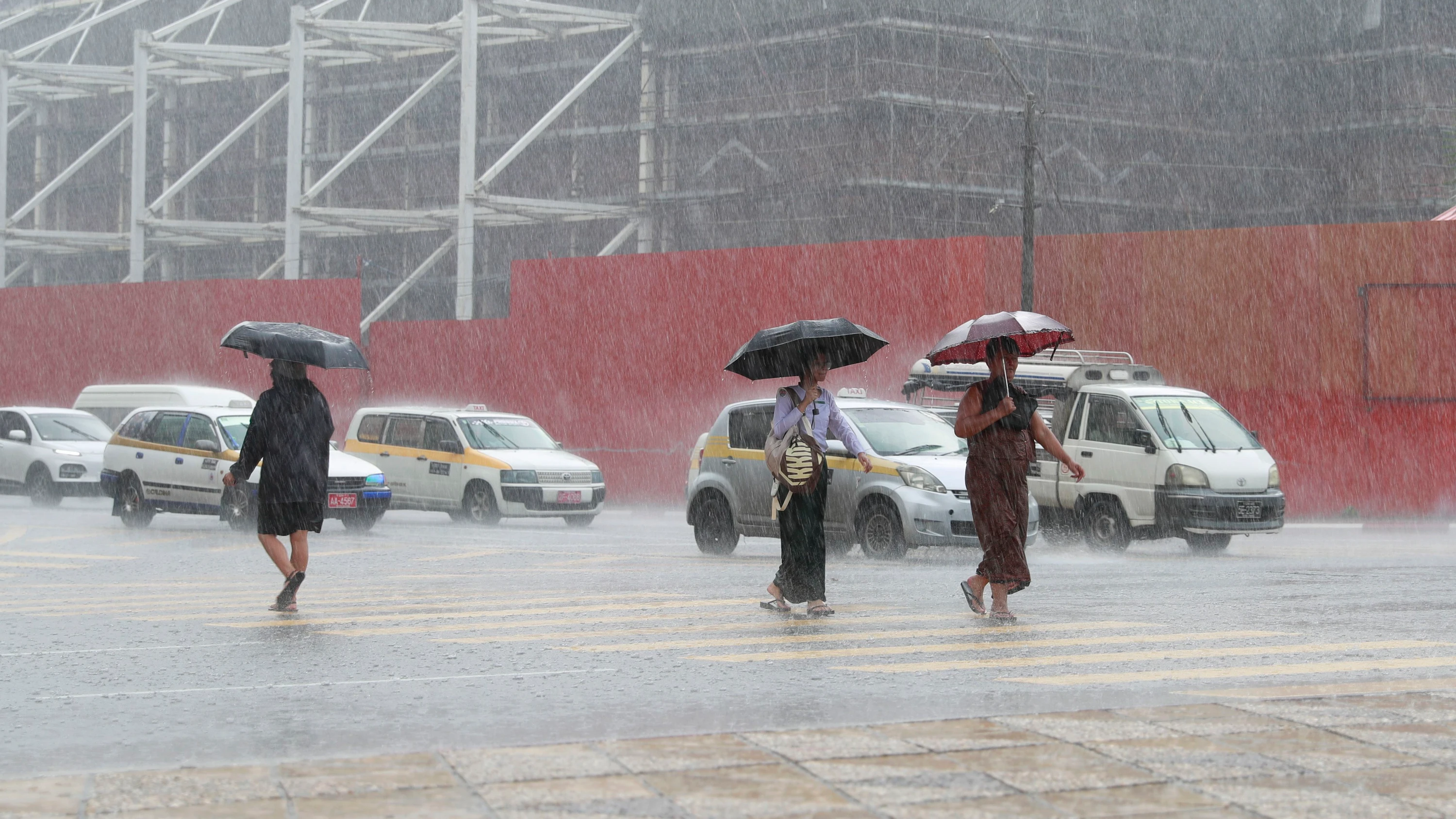
US-Wetterbehörde NOAA: Klimaphänomen „El Niño ist zurück „El Niño ist da, berichtet die US-Wetterbehörde. 2024 sorgte das Klimaphänomen für das heißeste Jahr seit der Industrialisierung. Die Wahrscheinlichkeit für ein sehr starkes „El Niño ist hoch.
faz · 4 months ago
Race for critical minerals: The social and environmental trade-off What are the social and environmental costs of the race for critical minerals? Minerals like cobalt, lithium, and nickel are crucial for the development of new technology, including clean energy. But mining and refining them can be hugely polluting and water intensive – with a risk of deforestation, water contamination, and health problems for local communities. Studies suggest that about half of mining projects around the world are on or near indigenous lands.
france24 · 4 months ago
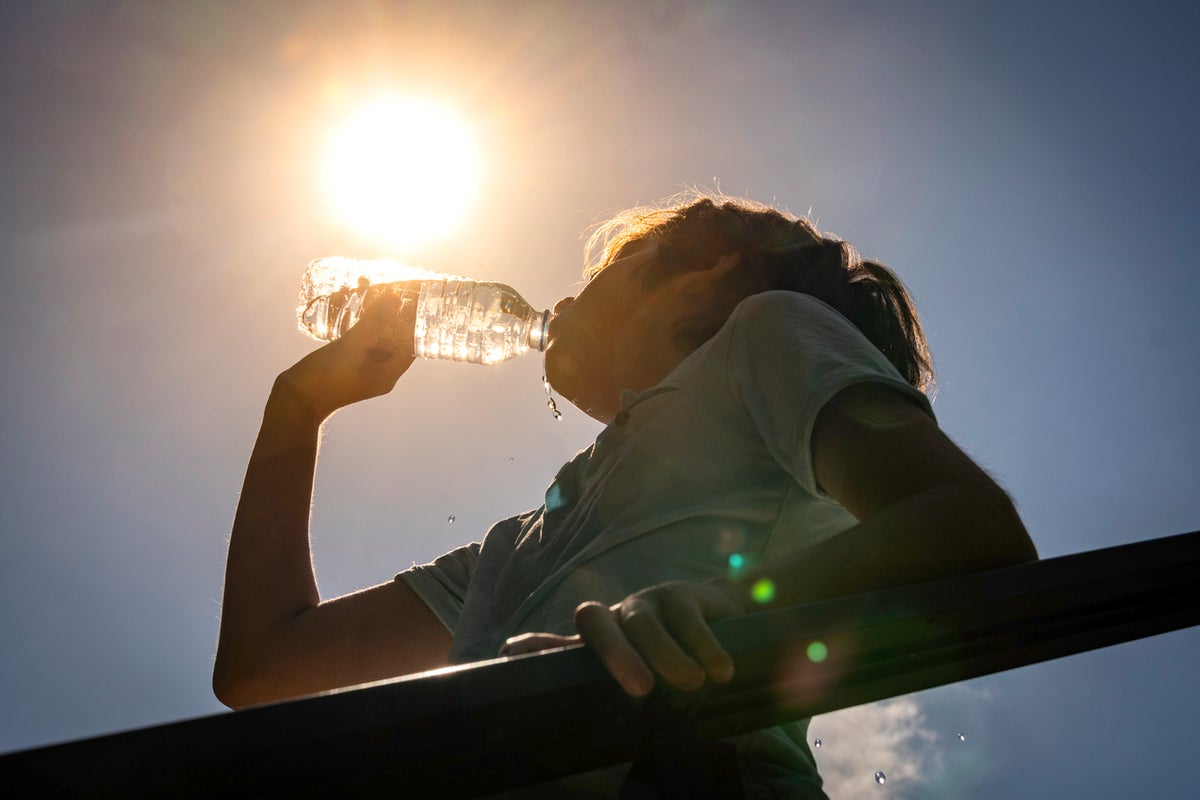
Super El Nino is officially here and scientists fear itll get dire very quickly Even before it officially formed, this El Nino was given nicknames ranging from super to Godzilla
independent · 4 months ago
What does the return of El Niño mean? US National Oceanic and Atmospheric Administration declares onset of warming cycle across the Pacific Ocean
financial times · 4 months ago
El Niño forms in Pacific as experts say it will likely turbocharge extreme weather Meteorologists forecast it will rival – or exceed – record El Niño from 1997 and further heat globeEl Niño, Natures chaotic climate agent, has formed in a warmed-up Pacific Ocean and is expected to grow to historic strength, meteorologists announced on Thursday.Experts said the El Niño, a natural warming cycle, should further heat a globe already warming from fossil fuel pollution and will probably turbocharge extreme weather across the planet. Meteorologists forecast it will rival – or exceed – a record El Niño that began in 1997 and helped trigger billions of dollars in damage from heatwaves, floods, droughts, tornadoes and wildfires. Continue reading...
theguardian · 4 months ago
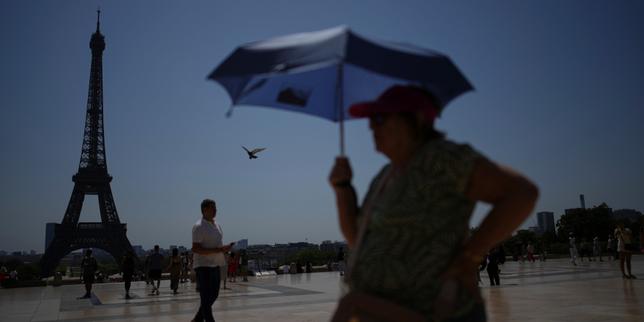
Heat has claimed more than 200,000 lives in Europe since 2022, reports the WHO Extreme heat affects especially the very old and the very young and people with heart, kidney and other diseases by causing dehydration, heatstroke and exacerbating existing conditions.
le monde · 4 months ago
![⚡The World Health Organization stated that heat has caused more than 200,000 deaths in #Europe 🇪🇺 over the past four years. It warned that climate change is turning heat waves into a recurring crisis causing largely preventable deaths. [Al-Quds Al-Arabi]Follow for verified updates](https://files.mastodon.social/media_attachments/files/116/732/083/555/622/316/original/e6f99abed57a0f89.jpg)
⚡The World Health Organization stated that heat has caused more than 200,000 deaths in #Europe 🇪🇺 over the past four years. It warned that climate change is turning heat waves into a recurring crisis causing largely preventable deaths. [Al-Quds Al-Arabi]Follow for verified updates
mastodon bot · 4 months ago
Bird flu, extreme heat and super gonorrhoea: The top health threats facing Britain The countrys first health security assessment analyses the likelihood and consequences of known health risks over the next five years
telegraph · 4 months ago
Šance na jeden z nejsilnějších jevů od začátku měření. Vědci oficiálně potvrdili začátek fáze El Niňo Američtí vědci ve čtvrtek oficiálně potvrdili výskyt meteorologického jevu El Niňo, který přispívá k nárůstu teplot po celém světě a je spojen se suchem i povodněmi. Americký Národní úřad pro oceán a atmosféru (NOAA) uvedl, že podmínky pro El Niňo se vyvinuly v posledním měsíci, o čemž svědčí nadprůměrné teploty mořské hladiny ve středním a východním Pacifiku v oblasti rovníku.
irozhlas.cz · 4 months ago

La canicule a tué plus de 200.000 personnes en Europe en quatre ans Plus de 200.000 personnes sont décédées à cause de vagues de chaleur extrême en Europe ces quatre dernières années, selon lOrganisation mondiale de la santé, qui alerte sur ce phénomène récurrent dû au changement climatique. ...
la libre · 4 months ago

Le phénomène climatique réchauffant El Niño a commencé : "Un épisode potentiellement sans précédent" Le phénomène climatique El Niño, synonyme de sécheresses, inondations et températures records dans le monde, a commencé "au cours du mois dernier", a annoncé jeudi lAgence américaine dobservation océanique et atmosphérique (NOAA). ...
la libre · 4 months ago
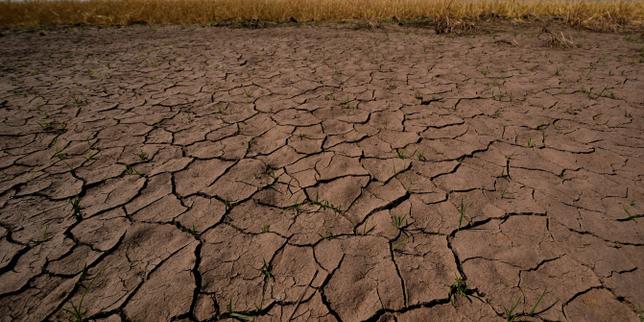
El Niño, le phénomène climatique qui réchauffe les températures dans le Pacifique équatorial, a commencé LAgence américaine dobservation océanique et atmosphérique estime à 63 le risque dun épisode très fort, avec des températures pouvant dépasser de 2 degrés les moyennes dans la région entre novembre et janvier.
le monde · 4 months ago

„Cortisol und seine tatsächlichen Wirkungen werden oft verkürzt dargestellt Ist es möglich, dem Stress in der modernen Welt zu entkommen? Dauerhafte Überreizung ist keine Einbildung, sagt Mazda Adli. Der renommierte Stressforscher kennt die nötigen Schritte, die aus der Burn-out-Spirale hinausführen.
welt.de · 4 months ago