Loading…
 Saturday, September 26Saturday, September 26
4 months · 9 summary articles
Global food supplies face severe strain as El Niño and Iran war push prices to record highs, experts warn
A convergence of extreme weather and geopolitical conflict is threatening to plunge more than 100 million people into acute food insecurity this year, according to new analysis published today. Meteorologists and agricultural economists cite the ongoing El Niño phenomenon—now in its eighth month—and sustained disruptions to Iran’s energy and fertilizer sectors as the primary drivers of what could become the most severe global food crisis since 2008. The Washington Post, citing expert assessments, reports that staple crop yields in key producing regions are already down 12–18% compared with 2025 averages, with wheat and rice prices up 34% and 27% respectively over the past six months.
The immediate trigger is the combination of climate shock and war. El Niño has intensified droughts across South Asia and southern Africa while flooding parts of the Americas, directly reducing harvests in countries that account for nearly 40% of global wheat output. At the same time, international sanctions and military strikes in Iran have curtailed exports of ammonia-based fertilizers and disrupted shipping lanes in the Strait of Hormuz, pushing fertilizer prices up 56% since January. “We are seeing a perfect storm,” said Dr. Elena Vasquez, lead agricultural economist at the International Food Policy Research Institute. “El Niño alone would have been manageable; the war has turned a regional weather crisis into a global supply shock.”
The economic fallout is rippling through markets. The Economic Times’ latest global economy tracker, published today, shows producer price inflation in agricultural inputs accelerating to 8.3% year-on-year, the fastest pace since the 2022 Ukraine conflict. Food inflation in low-income countries is now running at 14.7%, double the rate in advanced economies, threatening to reverse gains made during the post-pandemic recovery. World leaders, convening an emergency session in Brussels this week, are expected to discuss coordinated stock releases and targeted subsidies to stabilize markets. “The window to prevent a humanitarian catastrophe is closing,” warned European Commission President Ursula von der Leyen in remarks carried by Bursa.ro.
Analysts caution that without immediate intervention, the crisis could deepen in the second half of 2026. The UN’s World Food Programme has already revised its 2026 funding appeal upward by $2.1 billion, citing “unprecedented demand” in East Africa and the Sahel. For consumers in Europe and North America, the immediate impact may be limited to higher prices for bread, pasta, and cooking oils, but for millions in vulnerable regions, the consequences could be catastrophic. “This is not a price shock—it is a supply shock,” said Vasquez. “And supply shocks do not resolve themselves in a quarter.”
Follow us for live European news
1 further source not geolocated

Fenomenul El Niño și războiul din Iran ar putea declanșa o criză alimentară pentru peste 100 de milioane de oameni Fenomenele meteorologice extreme preconizate, combinate cu prețurile ridicate la combustibili și îngrășăminte generate de război, ar putea provoca o penurie alimentară gravă la nivel mondial în acest an, consideră experții, potrivit The Washington Post.
digi24 · 3 months ago
World leaders seek solutions for a global economy under pressure
gdeltproject.org · 3 months ago
Charting the Global Economy: War pushes up prices, dents growth
gdeltproject.org · 3 months ago
THINK Ahead: Are rate hikes pointless? | Hellenic Shipping News Worldwide
gdeltproject.org · 3 months ago
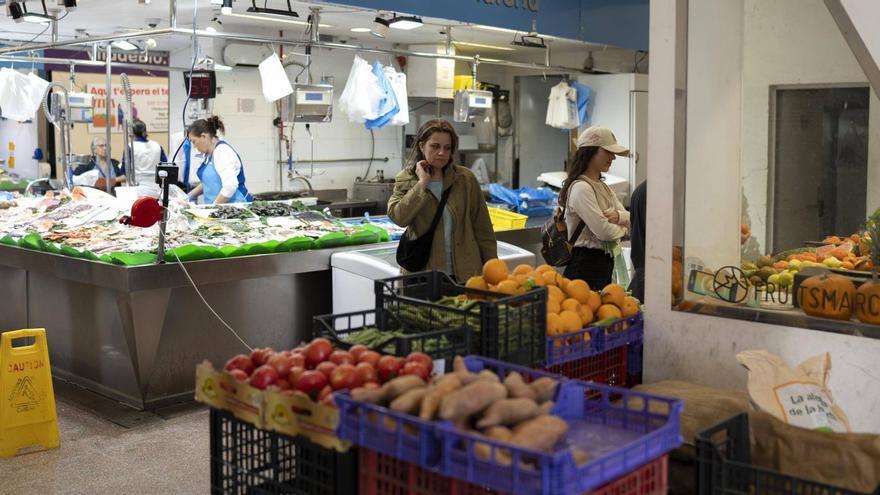
El deteriorament macroeconòmic per la guerra a lIran perjudica leconomia real
gdelt bot · 3 months ago
Indias aluminium giants eye decade-high margins The deficit being seen in the global market has been triggered by curtailment in production in the Gulf Cooperation Council region, which contributed almost 8.3 to the worlds aluminium production in calendar year 2025.
intellinews · 3 months ago