 Friday, May 22Friday, May 22
Thousands of Cubans gathered outside the U.S. Embassy in Havana on Friday to protest the U.S. indictment of former Cuban President Raúl Castro over the 1996 downing of two civilian planes operated by a Miami-based exile group. The pro-government demonstration, led by current President Miguel Díaz-Canel in military attire, was framed as an act of solidarity with Castro, who did not attend the event. Protesters condemned what they described as U.S. military threats and aggression against Cuba .
The U.S. indictment has escalated tensions between the two nations, with Cuban officials rallying around Castro as a revolutionary figure. Some Havana residents expressed a preference for dialogue over confrontation, though the government-backed protests emphasized defiance against U.S. actions .
U.S. officials, including Secretary of State Marco Rubio, have framed the indictment as part of a broader campaign to exert pressure on Cuba’s government. Rubio, a key architect of the Trump administration’s Cuba policy, has positioned the move as a step toward toppling the communist regime, which he argues threatens U.S. national security. The U.S. has raised the possibility of military intervention, with President Donald Trump suggesting he may be the leader to take direct action against Havana . Trump initially downplayed the need for further escalation but later indicated a willingness to intervene, reversing his earlier stance .
> Background: **U.S. indicts Ral Castro, escalates pressure on Cuba amid global backlash.** — *20 hours ago*
More LFE coverage on this topic
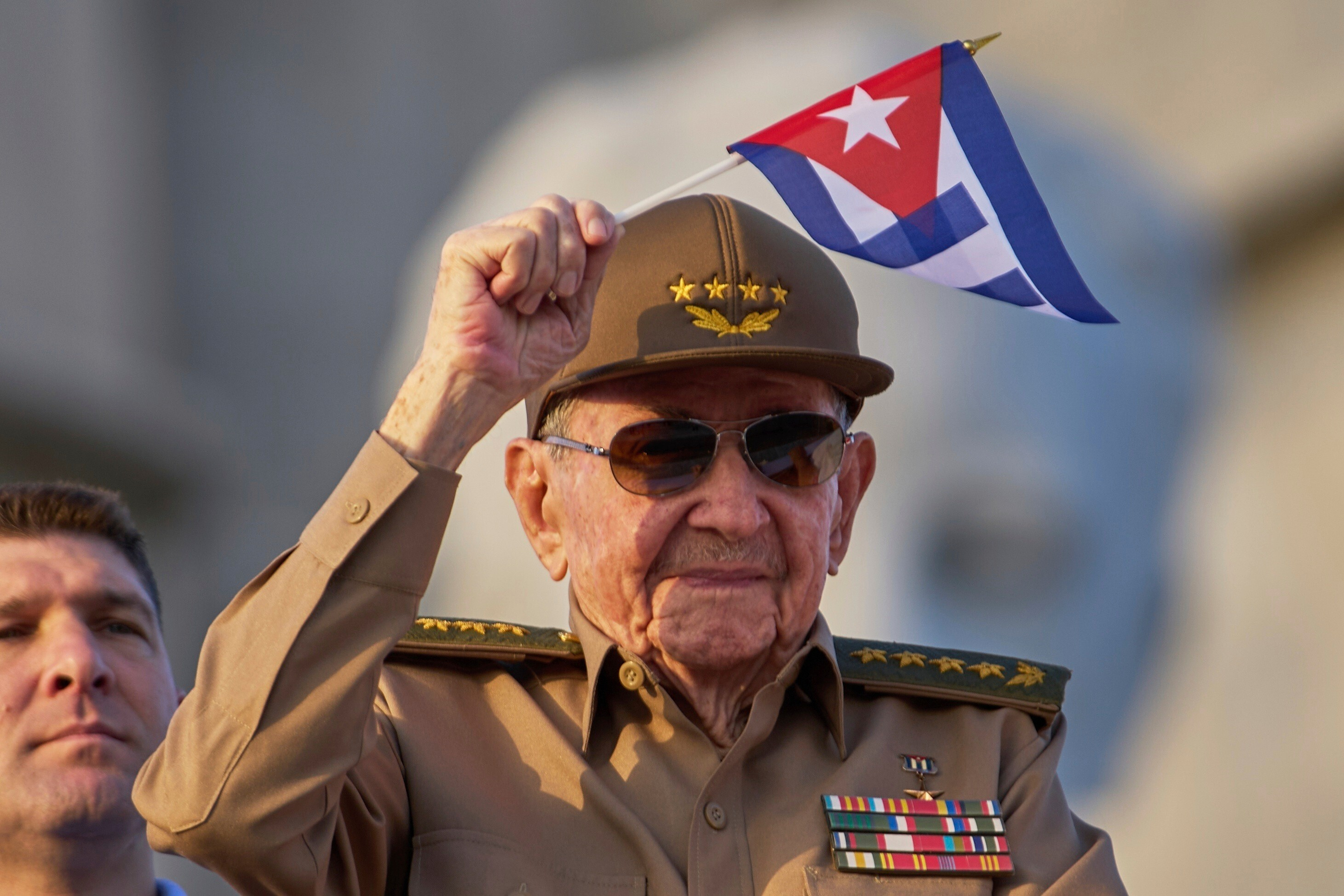
Raúl Castro no aparece en el acto de protesta por su imputación frente a la Embajada de EEUU en Cuba El presidente Miguel Díaz-Canel, vestido de militar verde olivo, presidió el acto de solidaridad, al que el líder castrista no acudió Leer
elmundo · about 3 hours ago
Los cubanos protestan frente a la Embajada de EEUU en Cuba en apoyo a Raúl Castro: Repudiamos la amenaza militar y las agresiones estadounidenses El presidente Miguel Díaz-Canel, vestido de militar verde olivo, presidió el acto de solidaridad, al que el líder castrista no acudió Leer
elmundo · about 3 hours ago
This is his legacy: Marco Rubio nears goal of toppling Cubas government US secretary of states campaign of maximum pressure is culmination of a personal pursuit spanning decades• Cubans outraged at US charges against Raúl CastroMarco Rubios moment has finally arrived. The outcome of the Trump administrations efforts to exert maximum pressure on Cuba may topple the 67-year-old communist government in Havana and direct the future of the USs sway over the western hemisphere.For Rubio, the son of Cuban immigrants who serves as both secretary of state and national security adviser, the US campaign marks his ascendancy in an administration where he has established himself as a trusted aide to Donald Trump and manoeuvred that position to advance a key goal: Washingtons right to assert its authority across Latin America. Continue reading...
theguardian · about 4 hours ago

Cubans gather before US embassy in Havana to protest Raul Castro indictment Thousands of Cubans gathered on Friday morning before the US embassy in Havana to protest a US decision to indict former president Raul Castro in the downing of two civilian airplanes 30 years ago. The pro-government demonstration, which began shortly after sunrise on Havanas waterfront, comes as Cuban officials rallied this week around the islands revolutionary hero amid spiraling tensions with the United States. FRANCE 24s Ed Augustin reports from Havana, Cuba.
france24 · about 5 hours ago
Trump says it looks like Ill be the one to intervene in Cuba after Castro indictment President Donald Trump on Thursday said past U.S. presidents have mulled intervening in Cuba for decades, but it looks like Ill be the one that does it. Hed suggested the opposite a day earlier, however, saying further escalation isnt necessary after federal prosecutors announced criminal charges against former Cuban President Raúl Castro in the 1996 downing of civilian planes flown by Miami-based exiles.
france24 · about 5 hours ago

Anger in Havana as Cubans flood the streets to protest Raúl Castro indictment The pro-government demonstration, which commenced shortly after sunrise along Havanas waterfront, underscored a week of solidarity from Cuban officials rallying behind the islands revolutionary figure
independent · about 6 hours ago
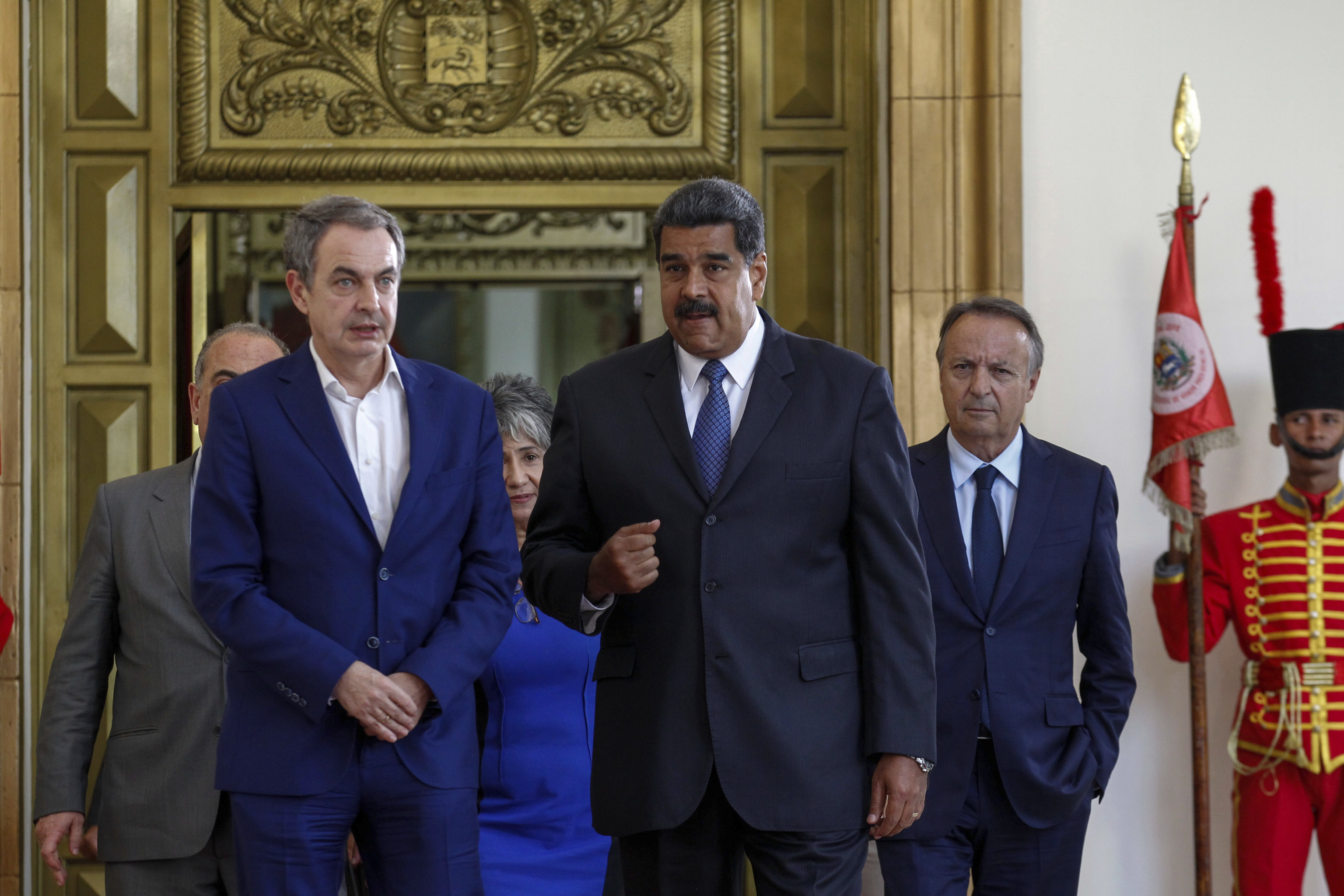
Zapatero controlaba quién desde el chavismo interlocutaba con el presidente electo de Venezuela Edmundo González justo antes de las elecciones que ganó Los whatsapps del auto de imputación de Calama incluyen conversaciones en que el ex presidente, a través de Julito Martínez, ejercía de teléfono rojo del régimen de Maduro para el líder opositor, que ganaría en breve las elecciones y luego huiría Leer
elmundo · about 6 hours ago
How Cubans feel about the US indictment of Raúl Castro People in Havana reacted after US prosecutors indicted former Cuban leader Raúl Castro over the 1996 shootdown of planes operated by a Miami-based exile group, with several residents calling for dialogue instead of confrontation.
euronews · about 8 hours ago
Espagne: la mise en examen de lex-Premier ministre Zapatero aggrave la tempête politique à Madrid En Espagne, la mise en examen mardi 19 mai de lancien chef du gouvernement José Luis Rodríguez Zapatero provoque un séisme politique. Figure emblématique de la gauche espagnole et soutien actif de lexécutif actuel, son inculpation pour trafic dinfluence et blanchiment dargent fragilise davantage Pedro Sánchez, déjà affaibli par plusieurs affaires judiciaires visant son entourage proche.
rfi.fr · about 8 hours ago
Venezuelan makeup artist who was deported to El Salvador seeks asylum in Spain: I feel safe here Andry José Hernández Romero was deported from the US to El Salvadors notorious Cecot prison before he was allowed to return to VenezuelaOne of the Venezuelan men sent from the US to El Salvadors most notorious prison by Donald Trump has moved to Spain to request asylum after concluding that he did not feel safe back home and did not trust US authorities sufficiently to return to fight his legal case.Andry José Hernández Romero left Venezuela for Spain in early February and is due for his first asylum hearing in court there in a few days, hoping that the countrys liberal approach to immigration will afford him kinder treatment than the US or his own country had provided him, he revealed to the Guardian in his first interview since leaving for Europe. Continue reading...
theguardian · about 9 hours ago
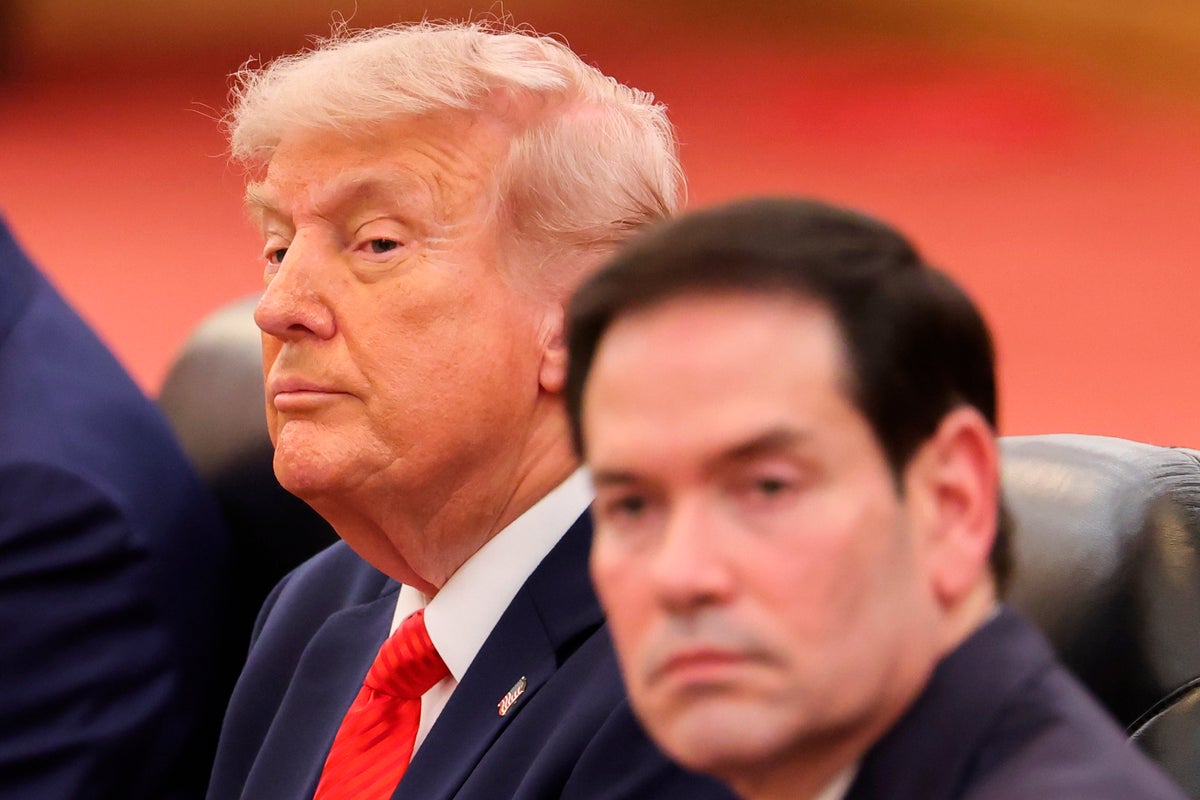
Trump threatens new Cuba crackdown as Rubio warns Havana: Were very serious Speaking from the Oval Office, Trump hinted he could be the president who finally takes direct action against Havana after decades of failed threats from Washington
independent · about 10 hours ago
US raises threat of military action against Cuba Secretary of State Marco Rubio says Cuba poses a national security threat.
aljazeera · about 12 hours ago