 Thursday, May 21Thursday, May 21
The U.S. has intensified economic and military pressure on Cuba, escalating fears of a potential intervention. Washington’s sanctions, including an energy blockade, have plunged Cuba into a fuel crisis, causing widespread power outages and economic hardship. The U.S. has offered humanitarian aid but only under conditions that Cuba perceives as attempts to dictate its political future, fueling accusations of a regime-change agenda . The CIA director’s recent visit to Havana, framed as a diplomatic outreach, has been interpreted as part of a broader strategy to increase leverage over the Cuban government .
Cuba has responded defiantly, asserting its right to self-defense amid growing U.S. threats. President Miguel Díaz-Canel warned that any U.S. military action would result in a "bloodbath" with catastrophic consequences for regional stability, emphasizing that Cuba poses no threat but will resist aggression . Cuban officials have accused the U.S. of fabricating pretexts for intervention, particularly in response to leaked intelligence reports alleging Cuba’s acquisition of over 300 Russian and Iranian military drones. These reports claim Cuba discussed potential strikes on U.S. targets, including Guantánamo Bay and naval vessels, though Havana denies any offensive intent .
Tensions have further escalated with the arrival of a Mexican humanitarian aid ship in Havana, underscoring Cuba’s efforts to mitigate the impact of U.S. sanctions while rejecting perceived U.S. interference . Cuban authorities have framed the U.S. actions as part of a long-standing campaign to destabilize the island, with Díaz-Canel’s warnings on social media amplifying the gravity of the standoff . The situation remains volatile, with both sides exchanging accusations and Cuba preparing for potential military confrontation.
> Background: **🔴 Breaking — U.S. escalates pressure on Cuba amid fears of military intervention** — *8 hours ago*
More LFE coverage on this topic

Is the US trying to force regime change in Cuba? As its blockade causes a fuel crisis in Cuba, the US is offering aid but only if it can dictate Cubas future.
aljazeera · 2 days ago
Will Cuba be forced to accept the US presidents demands? Cuba struggles to keep the lights on, as Washington ramps up economic pressure and military threats.
aljazeera · 2 days ago
Cuba instead? Trump ups pressure on Havana as Iran campaign stalls If Venezuela proved easier than Iran where Donald Trumps still looking for a win, could that explain why the attention seems to be turning to Cuba? The United States last week dispatching its CIA director to Havana and offering aid, while its crippling blockade plunges the Communist island nation in the dark. Well ask about carrots and sticks in the latest in a long, very long list of pressure campaigns.
france24 · 2 days ago
Cuba says it has legitimate right to defend itself amid US threats Cuban President Miguel Diaz-Canel says country is not a threat, but will defend itself from aggression if necessary.
aljazeera · 2 days ago
Cuba armed with Russian and Iranian drones discussed strikes on US soil, leaked files show Cuba has acquired more than 300 military drones from Russia and Iran since 2023 and held internal discussions about potential strikes on the US naval base at Guantánamo Bay, American naval vessels and possibly Key West, Florida, Axios reported.
intellinews · 2 days ago
A humanitarian aid ship from Mexico docks in Havana as US-Cuban tensions escalate The Asian Katra cargo ship, top left, arrives in Havana Bay in Havana, Cuba, Monday, May 18, 2026.…
europesays.com · 2 days ago
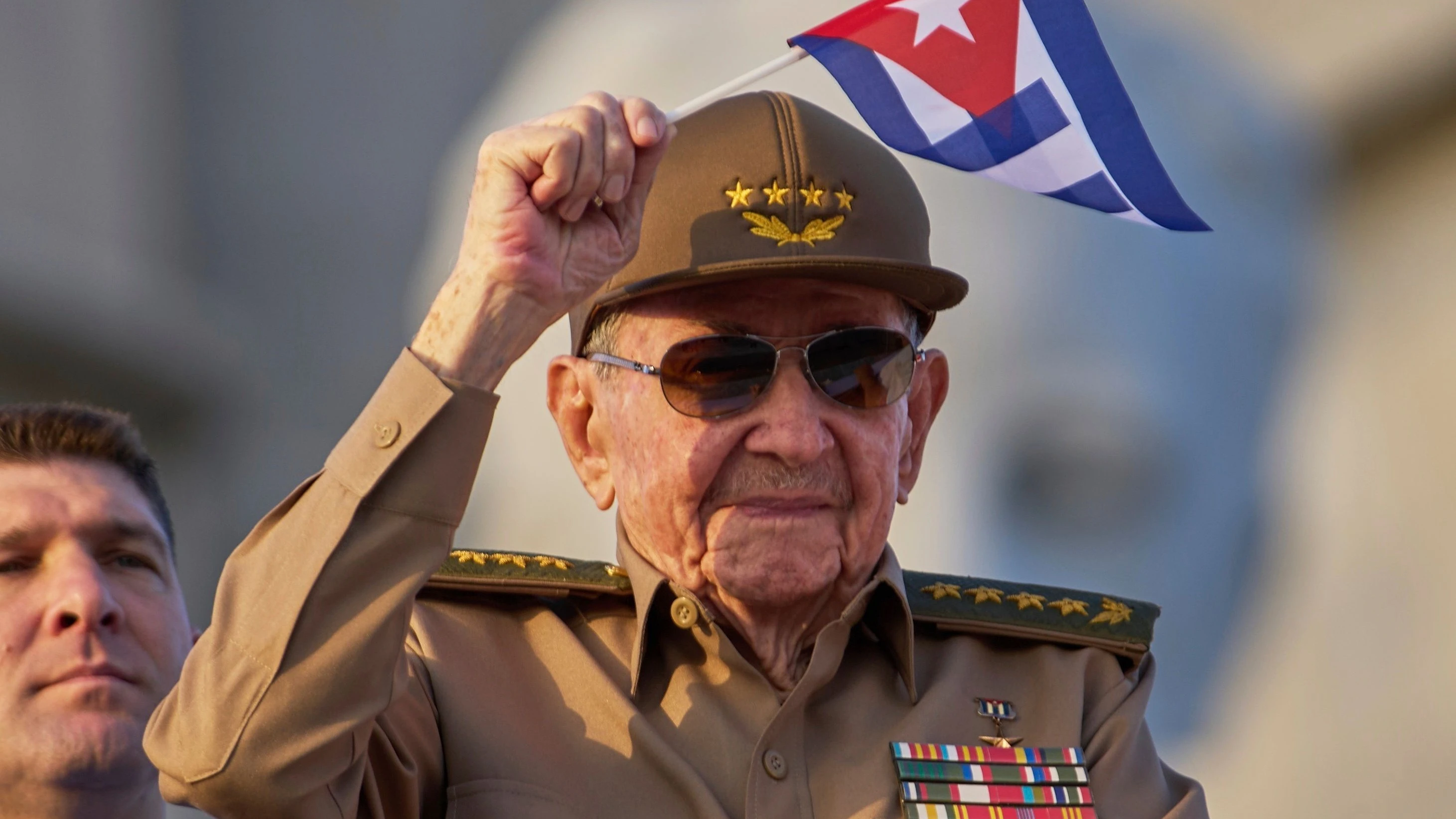
Trumps Außenpolitik: Eine Kuba-Intervention als Ablenkung vom Irankrieg? Washington erhöht den Druck auf Havanna. Einiges erinnert dabei an das Vorgehen mit Caracas – bevor Amerika in Venezuela intervenierte.
faz · 2 days ago

Cuba warns U.S. military action would cause bloodbath after drone report
news.yahoo.com · 2 days ago
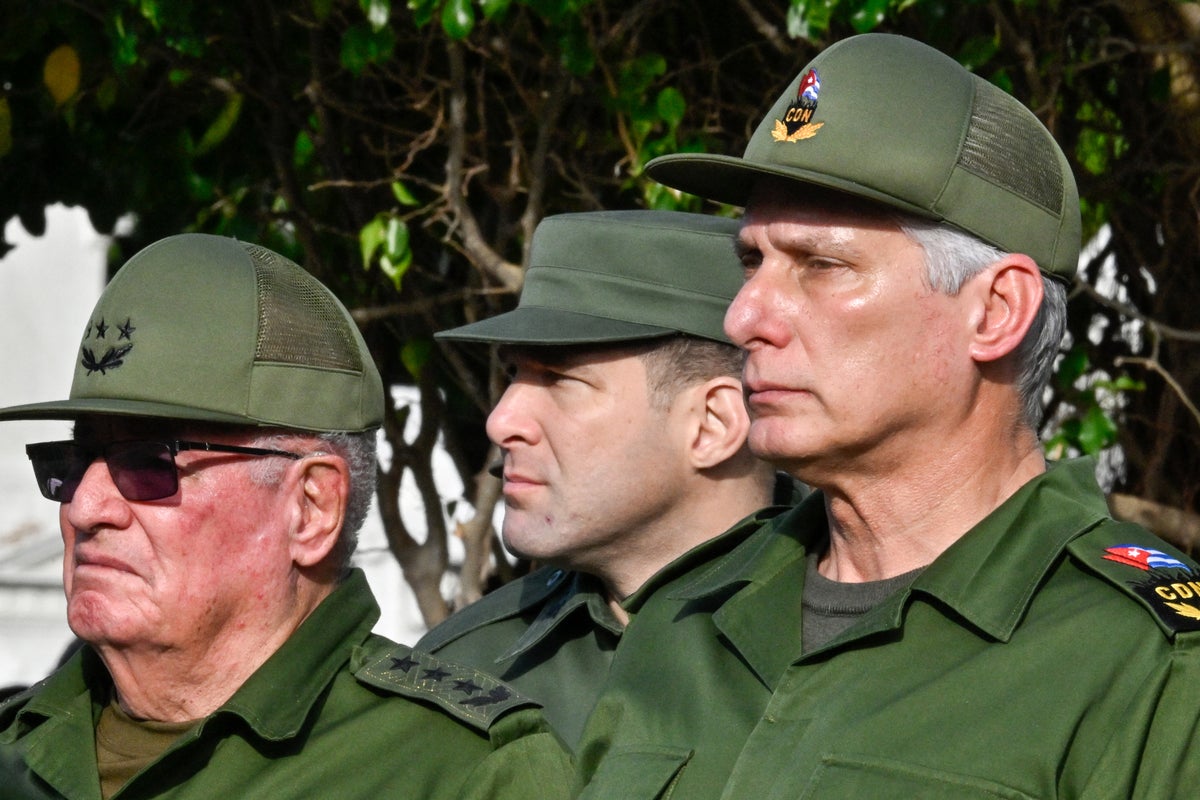
Cuba warns US of bloodbath over military action amid drone attack claims and Castro indictment fears The declaration, made in a post on X, comes amid escalating tensions between Havana and Washington
independent · 2 days ago
Cuba warns US of bloodbath if military action follows drone claims Cubas president, Miguel Díaz-Canel, says any US strike would be catastrophic after reports of 300+ dronesCubas president, Miguel Díaz-Canel, has warned that any US military action against his country would lead to a bloodbath with incalculable consequences for regional peace and stability.Cuba does not represent a threat, Díaz-Canel said in a post on X. Continue reading...
theguardian · 2 days ago
US military attack on Cuba would trigger bloodbath, warns Cuban president Cuban President Miguel Díaz-Canel Bermúdez said Cuba is aware of the threats of military aggression from the U.S.
politico.eu · 2 days ago
Cuba dreads possible US invasion amid energy blockade Cuba is alleging that the US is looking for a pretext to invade it, and accuses the Trump administration of fabricating a case to justify the economic sanctions strangling the communist nation. This comes in the wake of a US media report based on classified intelligence claiming Havana acquired hundreds of drones and could use them to target Guantanamo Bay.
france24 · 2 days ago