
EU Parliament bans non-consensual deepfake nudifier apps: critics warn of AI deregulation trade-offs
Story Timeline
3 months · 5 summary articles
The European Parliament on Tuesday voted overwhelmingly to ban so-called “nudifier” apps that generate non-consensual sexual deepfakes, delivering a landmark restriction on artificial intelligence while simultaneously easing other AI rules in a controversial omnibus package. The final vote in Strasbourg recorded 423 in favour, 57 against and 174 abstentions, giving the green light to an amendment to the EU Artificial Intelligence Act that will take effect by December 2026 .
The ban targets AI services that digitally strip clothing from photographs of real individuals without their consent, a practice widely condemned as a form of image-based sexual abuse. Dutch legislators hailed the move as a decisive step against digital exploitation, noting that violators could face fines up to €27,500 or two years in prison under national enforcement . Belgian commentators, however, warned the same omnibus package relaxes broader AI transparency obligations, calling it “a terrible retreat” that could weaken protections elsewhere .
Across the continent, media echoed the dual nature of the vote. Hungarian outlets described the nudifier prohibition as the end of an era, with all such apps required to be purged from EU app stores by December . German newspapers highlighted the new rules as part of a broader “digital omnibus” that streamlines compliance for low-risk AI systems while maintaining the blanket prohibition on sexualised deepfakes .
The Parliament’s decision arrives amid rising concern over AI-generated sexual content. A separate survey in France published Wednesday found that choking, biting and gagging have become commonplace in the sexual practices of young women, prompting fresh debate over consent and harm reduction . Civil society groups urged regulators to treat nudifier bans as only the first step, calling for stronger penalties and cross-border enforcement mechanisms.
With the AI Act amendment now adopted, EU member states have six months to transpose the prohibition into national law before the December deadline. The Parliament’s rapporteur characterised the vote as a balance between innovation and fundamental rights, but critics insist the omnibus concessions risk normalising surveillance technologies under the guise of deregulation.
Follow us for live European news
- 2
- 2
- 2
- 2
- 2
- 1
- 1
- 1
- 1
- 1
- 1
Articles

Τα αγαπημένα μας προϊόντα καθαρισμού με βιταμίνη C για πιο λαμπερή και ομοιόμορφη επιδερμίδα Γιατί κάθε σωστή ρουτίνα περιποίησης ξεκινά από τον καθαρισμό.
protothema · 3 months ago
Un produs de mâncare pentru pisici, retras de la vânzare din Lidl. Ce a fost găsit în el Un produs de hrană umedă pentru pisici este retras de la vânzare din magazinele Lidl, după ce Autoritatea Națională Sanitară Veterinară și pentru Siguranța Alimentelor (ANSVSA) a găsit fibre de plastic albastru în produs, anunță autoritatea. Este vorba despre produsul Coshida Selection de 405 grame, vândut în magazinele Lidl, conform anunțului făcut de ANSVSA pe …
hotnews.ro · 3 months ago
Látky pro med cizí. Potravinářská inspekce odhalila v Kauflandu falšovaný med ze Slovenska Dva falšované medy odhalila v tržní síti kontrola Státní zemědělské a potravinářské inspekce (SZPI). V obou případech jde o výrobek dovezený ze Slovenska od společnosti Medas ze Spišské Nové Vsi prodávaný v Kauflandu. „V obou vzorcích byly přítomné amylázy, které jsou pro med cizí, uvedl v tiskové zprávě mluvčí SZPI Pavel Kopřiva.
irozhlas.cz · 3 months ago
Forsker utfordrer debatten om ultraprosessert mat: Kan vi ha oversett en av de viktigste årsakene til overspising? Forsker utfordrer UPF-debatten. Ifølge ham kan matens tekstur og hvor raskt vi spiser, være vel så viktig for…
aftenposten · 3 months ago
Via libera definitivo del Senato al Ddl Ferragni: sanzioni da 5mila a 50mila euro sulla falsa beneficenza I produttori dovranno segnalare a quali enti attivi nel settore della beneficenza sono destinati i fondi, lentità dellimporto e il termine entro cui opereranno il versamento. Sarà lAgcm a sanzionare le violazioni
il sole 24 ore · 3 months ago
«Donner une fessée ou en recevoir est une manière de tout lâcher» : la sexualité des jeunes Françaises se tourne vers le hard Une étude de lIfop, qui paraît mercredi 17 juin, à laquelle «Libé» a eu accès en exclusivité, rapporte que létranglement, les morsures ou le bâillonnement sont largement intégrés dans les relations sexuelles des jeunes femmes. Des pratiques qui interrogent la question du consentement.
liberation · 3 months ago
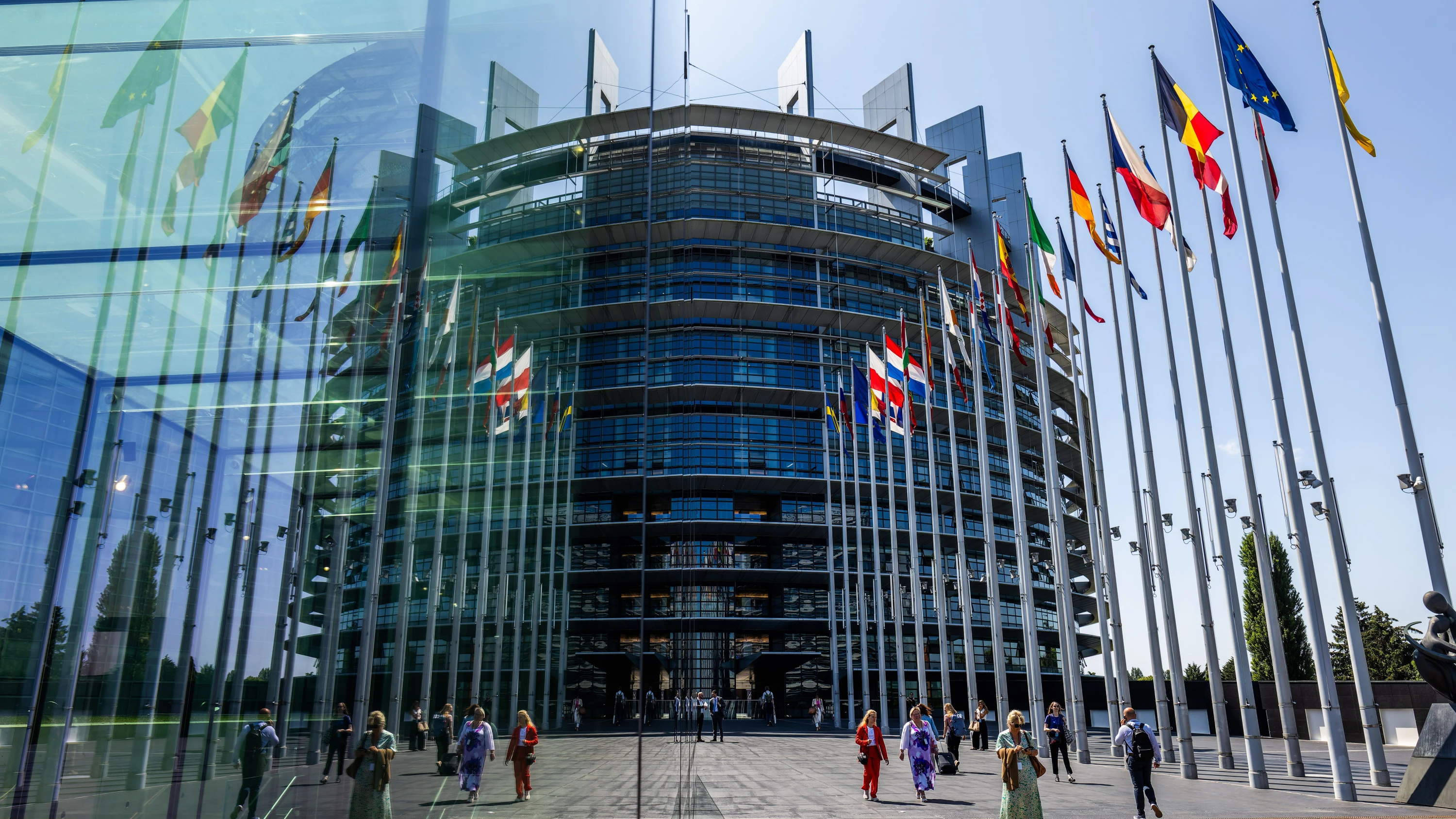
Beschluss in Straßburg: Europaparlament verbietet Apps für Deepfake-Pornos Neue KI-Regeln für Europa: Das Europaparlament beschließt, KI-basierte Deepfake-Anwendungen zu verbieten, mit denen sich Bilder von Privatpersonen in sexualisierte Inhalte integrieren lassen.
faz · 3 months ago

EU to ban labelling plant-based products as steaks or bacon, but veggie burgers sizzle on Some livestock farmers had argued that plant-based foods mimicking meat risk both misleading consumers and harming their sector.
thejournal · 3 months ago
Netherlands bans gay conversion therapy after Senate majority backs new law The Netherlands will ban so-called gay conversion therapy, after the Senate approved legislation introduced by D66, VVD, PRO, SP, and the Partij voor de Dieren.
nltimes.nl · 3 months ago
Πρόστιμο €309.339 στην Τottis Bingo για υπέρβαση περιθωρίου κέρδους από την Ανεξάρτητη Αρχή Ελέγχου Αγοράς Διαπιστώθηκε υπέρβαση του επιτρεπόμενου Περιθωρίου Μικτού Κέρδους σε 33 κωδικούς προϊόντων της κατηγορίας σοκολατοειδών
protothema · 3 months ago
«Lift and Snatch»: Τα μυστικά που θα σας χαρίσουν τα πιο σμιλευμένα ζυγωματικά Από το contouring μέχρι το ρουζ, οι σωστές τεχνικές μπορούν να αναδείξουν τη φυσική δομή του προσώπου και να χαρίσουν ένα πιο αρμονικό αποτέλεσμα.
protothema · 3 months ago
Senátoři z ODS i TOP 09 prosazují nápravu trans lidí psychoterapií. Odbornou debatu zcela obešli Výtah Respektu: Souhrn dne a rozhovor s Clarou Zanga
respekt · 3 months ago

Strasbourg vote pour mettre fin aux deep fakes sexuels mais assouplit sa régulation sur lIA : Cest un terrible recul Le Parlement européen valide un allègement du règlement sur lIA mais interdit les applications de nudification qui génèrent des fausses images intimes. ...
la libre · 3 months ago

„Veggie-Speck ist künftig verboten, aber „Veggie-Burger bleibt erlaubt Das EU-Parlament hat lange um die Bezeichnung von veganen Würsten und anderen Ersatzprodukten für Fans der fleischfreien Kost gerungen – und nun eine Entscheidung gefällt.
welt.de · 3 months ago
Serviciile de inteligență artificială care „dezbracă persoanele fără consimțământul lor for fi interzise în UE Parlamentul European a aprobat marți interzicerea în UE a serviciilor de inteligență artificială (IA) care permit „dezbrăcarea persoanelor fără consimțământul acestora, o măsură care va intra în vigoare la sfârșitul anului 2026, scrie Le Figaro.
digi24 · 3 months ago

Betiltja az EU a vetkőztető appokat Itt a vége: decemberre mindenhonnan ki kell söpörni az olyan alkalmazásokat, amelyek szexuális tartalmú képeket képesek generálni emberekről.
hvg.hu · 3 months ago
NOS: Kabinet komt met ingrijpende stikstofmaatregelen, zones met minder uitstoot en normen voor aantal dieren Ook wil het kabinet de rekenkundige ondergrens verhogen, waardoor projecten minder snel een vergunning nodig hebben. In het verleden zette de rechter meermaals een streep door stikstofplannen van de regering.
nrc · 3 months ago
Mobieltjes in de bioscoop: wie zonder zonde is, werpe de eerste popcorn Moet het taboe op smartphones in de bioscoop op de helling? Een totaalverbod is niet langer realistisch – en ook nogal hypocriet.
nrc · 3 months ago
AI: European Parliament gives the green light to a ban on nudifier apps and to simplification measures The European Parliament has given its final approval, with 423 votes in favour, 57 against and 174 abstentions, to an amendment to certain provisions of the EUs Artificial Intelligence Act (AI Act) as part of the "digital omnibus" proposal
eunews.it · 3 months ago
Dutch meat sector again promises improvement after new threat to ban foreign workers The Dutch meat industry has once again promised to improve working conditions in slaughterhouses and meat processing plants, after the government threatened to ban temporary workers in th
nltimes.nl · 3 months ago