Loading…
 Saturday, August 29Saturday, August 29
2 months · 3 summary articles
AfD holds federal convention despite protests as European political fractures deepen
Tens of thousands protest in Erfurt as AfD opens party conference
AfD reaffirms Weidel and Chrupalla as leaders amid mass protests in Erfurt
AfD confirms leadership duo as party claims mantle of ‘new people’s party’ amid mass protests
ERFURT — The Alternative for Germany (AfD) has reaffirmed its controversial leadership duo of Alice Weidel and Tino Chrupalla at a tightly secured party congress in Erfurt on Saturday, as tens of thousands of protesters took to the streets to denounce the far-right movement. The party’s claim to be the “new people’s party” of Germany was met with fierce resistance, but the AfD’s leadership insisted it was ready to assume national responsibility.
Weidel, the party’s co-chair, received 81.3% of delegates’ votes in a secret ballot, a slight improvement on her 2024 result, while Chrupalla secured 70.05%, a notable decline from his previous 82.7% in Essen two years ago. The vote confirmed the continuation of the AfD’s dual leadership structure, which has been in place since 2022. Neither faced challengers, and both were re-elected without opposition.
The congress began on schedule after police thwarted attempts by activists to block access to the venue. Hundreds of AfD delegates had arrived overnight, some camping on the premises, while thousands of demonstrators—many affiliated with the left-wing alliance *Widersetzen*—attempted to disrupt the event through roadblocks and sit-ins. At the A71 autobahn interchange near Erfurt, police reported up to 3,000 protesters participating in a temporary blockade that forced a temporary closure of the highway. By midday, the protest had dispersed.
Speaking to delegates, Weidel framed the AfD as the victim of political persecution, accusing mainstream parties of waging a campaign of “hatred and agitation” against the movement. “You will not break us,” she declared. “On the contrary, we will grow stronger.” Chrupalla struck a similarly defiant tone, asserting that the AfD was on the path to governance. “We will win,” he told the hall. “Perhaps we will soon govern alone,” he added, referencing upcoming state elections in eastern Germany where the party currently leads polls.
The AfD’s resurgence comes amid a wave of regional votes in September, including in Saxony-Anhalt, where the party is polling above 40% and is poised to secure an absolute majority. In her speech, Weidel dismissed Chancellor Friedrich Merz (CDU) as a political chameleon, mocking his frequent policy reversals with the quip: “He’s the Vivaldi of chancellors—four seasons of reform announcements, followed by a symphony of retractions.”
The party’s leadership election overshadowed internal debates, including a failed attempt by hardliners led by Thuringia’s Björn Höcke to reopen discussions on the AfD’s controversial *Unvereinbarkeitsliste*—a list of groups deemed incompatible with party membership. Weidel swiftly quashed the motion, redirecting the debate to the party’s executive board.
Security was tight throughout the event, with police deploying a large-scale operation to prevent disruptions. The AfD’s Erfurt congress coincided with a broader protest movement, with organizers estimating 25,000 people participating in demonstrations across the city. The scale of opposition underscored the deep societal divisions the AfD’s rise has provoked.
As the party celebrated its leadership renewal, Chrupalla struck an optimistic note, telling delegates: “Early birds catch the worm.” Yet the muted applause following his re-election—compared to the sustained ovation for Weidel—hinted at lingering internal tensions. The AfD’s next test will come in Saxony-Anhalt on September 6, where the party’s electoral ambitions could propel it into government for the first time at the state level.
Follow us for live European news
2 further sources not geolocated

UE felicita Keiko Fujimori pela vitória nas eleições no Peru Keiko Fujimori, filha e herdeira política do antigo chefe de Estado peruano Alberto Fujimori (1990-2000), foi oficialmente declarada Presidente eleita do Peru na sexta-feira
observador · about 2 months ago

The populist right is not a bloc anymore - Buenos Aires Herald
gdeltproject.org · about 2 months ago

Au Foyer anderlechtois, la crise de gouvernance franchit une nouvelle étape Après deux avertissements, la SLRB peut se substituer au Foyer anderlechtois, dont le conseil dadministration reste divisé sur sa présidence. ...
la libre · about 2 months ago
„Nicușor Dan a fost părtinitor, în niciun caz mediator, crede un lider PNL. Ce spune despre susținerea președintelui pentru un al doilea mandat Sprijinul liberalilor pentru un al doilea mandat de președinte al lui Nicușor Dan va depinde de atitudinea viitoare a șefului statului față de PNL, a afirmat secretarul general al PNL Robert Sighiartău, într-o emisiune la Digi24. Întrebat cum i se pare că s-a comportat Nicușor Dan în timpul crizei guvernamentale, Robert Sighiartău a răspuns: „Din …
hotnews.ro · about 2 months ago
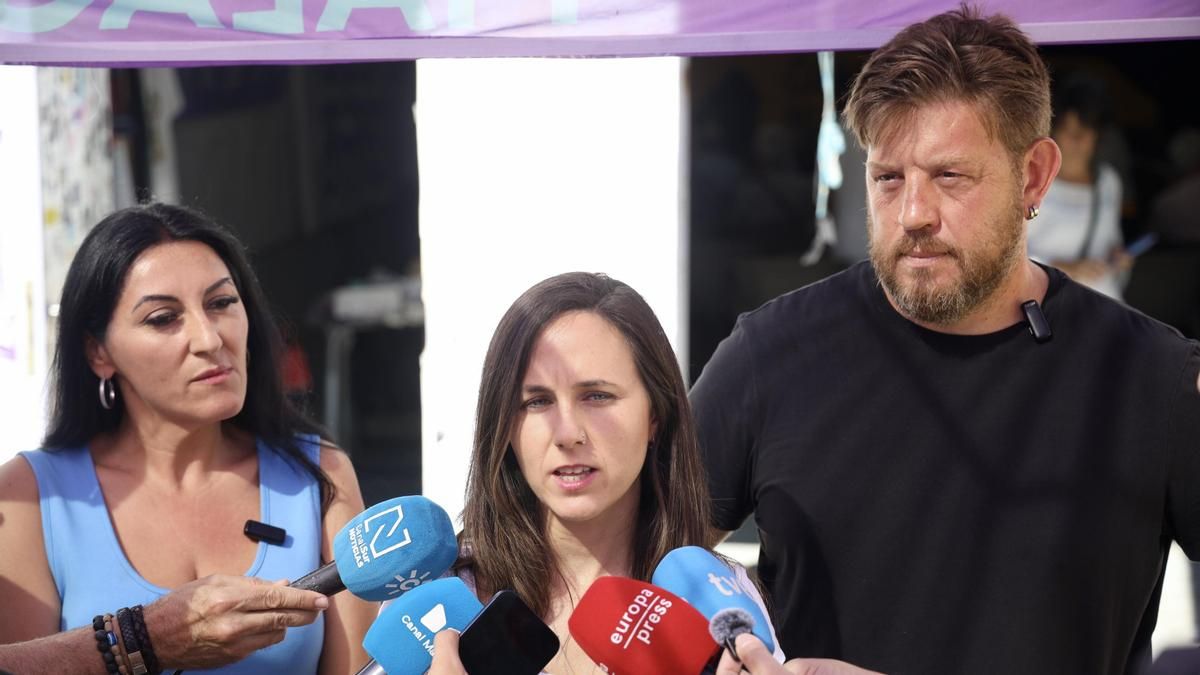
Belarra defiende "la España de Lamine Yamal" frente a la del pacto de PP y Vox en Andalucía "Somos mayoría los españoles que creemos que este país es diverso y feminista", ha afirmado la secretaria general de PodemosIone Belarra será la candidata de Podemos a la Comunidad de Madrid La secretaria general de Podemos, Ione Belarra, ha afirmado este sábado sobre el acuerdo de gobierno suscrito en Andalucía que le gusta mucho más la España de Lamine Yamal que dibuja esta selección en el Mundial que la que señalan PP y Vox. Belarra, que participa en Málaga en un encuentro municipalista de Podemos Andalucía, ha señalado a los periodistas que la España por la que apuesta representa a muchas más personas, una mayoría social que no encuentra una expresión porque el PSOE ha demostrado en todos estos años de Gobierno que no está a la altura del país que somos. La gente pensaba que votando al PSOE obtendría políticas feministas, de subida del salario mínimo y de vivienda para tener casas más baratas, y solo encuentra en esta legislatura, después de echar a Podemos del Gobierno, rearme, una corrupción repugnante y especulación con la vivienda, ha añadido. Para la dirigente de Podemos, con esos mimbres es imposible ganarle al PP y Vox, pero hay una mayoría social en España y en Andalucía que es mejor que sus gobernantes, que el PP y Vox. Ha rechazado esa España totalmente blanca que ellos imaginan y con la que sueñan, como ha demostrado Feijóo esta semana, negándose a que los hijos de los exiliados españoles tengan la nacionalidad de nuestro país, cuando son lo mejor que ha tenido este país. Estoy convencida de que España es mejor que el PP y Vox, y de que somos mayoría los españoles que creemos que este país es diverso y feminista, en un día como hoy en el que estamos orgullosas de las personas LGTBI y queremos un país con derechos para todas esas personas, ha dicho. Por ello, Podemos constituirá candidaturas que sean una alternativa valiente, porque con la actitud conservadora del PSOE, con políticas de rearme y de especulación con la vivienda con las que están de acuerdo el PP y Vox, es imposible frenar el proceso de fascistización que tiene la derecha española, según Belarra.
eldiario.es · about 2 months ago
:format(jpg)/f.elconfidencial.com%2Foriginal%2F409%2F249%2F9f4%2F4092499f4899c937e01ea23108fb531c.jpg)
Tellado defiende los pactos con Vox: "Garantizan la gobernabilidad" Tellado defiende los pactos autonómicos con Vox por asegurar estabilidad y afinidad ideológica, critica los acuerdos del Ejecutivo con Bildu y reivindica gobernar para la mayoría
el confidencial · about 2 months ago
AfD-Parteitag: AfD bestätigt Führungsduo – Chrupalla verliert an Rückhalt Die AfD wird auch in Zukunft vom Spitzenduo Alice Weidel und Tino Chrupalla geführt. Beim Parteitag werden beide im Amt bestätigt. Chrupalla muss allerdings etwas Federn lassen.
handelsblatt · about 2 months ago
AfD formuliert auf Parteitag Machtanspruch Alice Weidel und Tino Chrupalla wurden als Parteivorsitzende wiedergewählt. Rund 25.000 Menschen beteiligten sich nach Polizeiangaben an Protesten gegen die Partei.
die presse · about 2 months ago
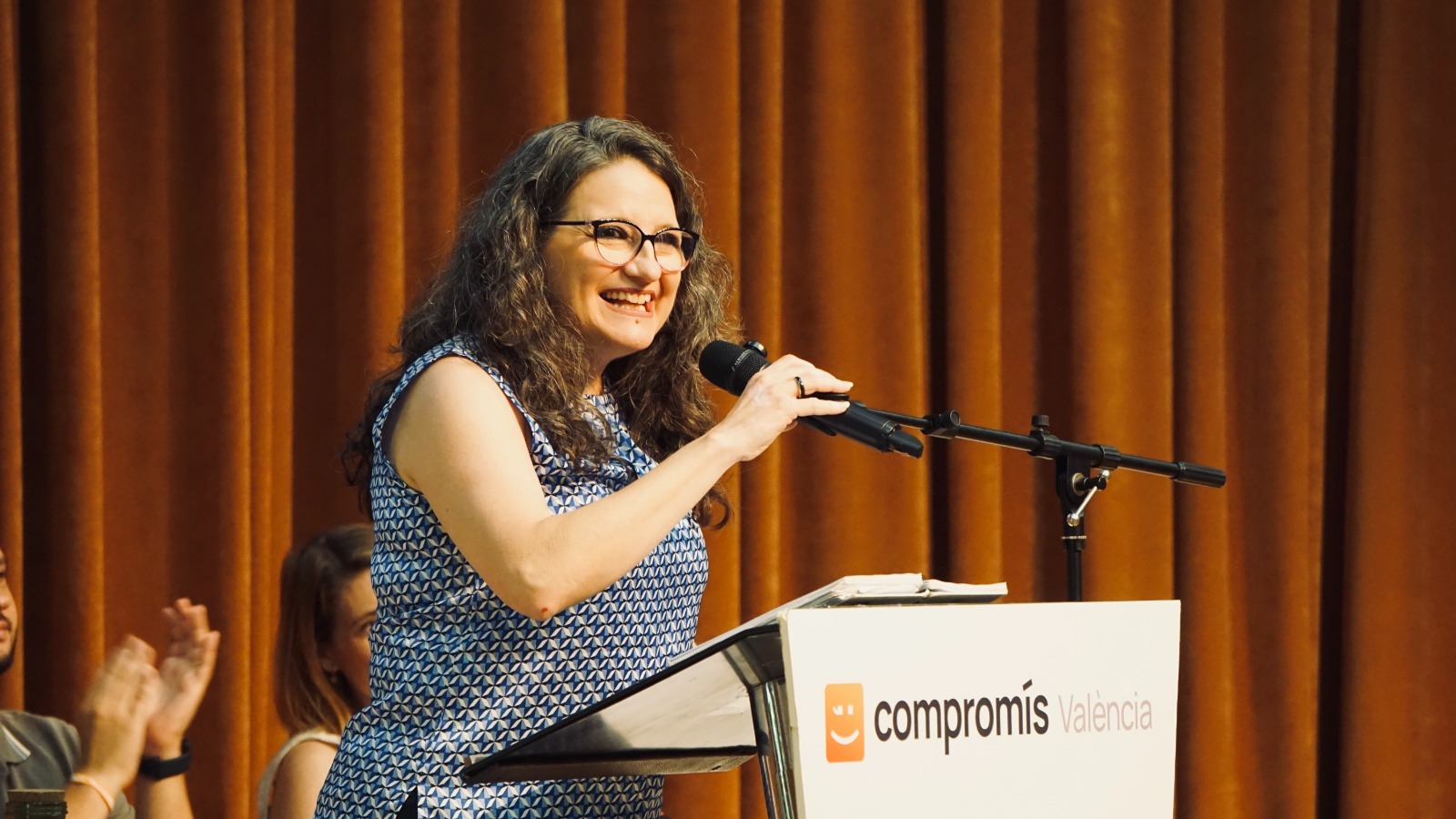
La izquierda alternativa al PSOE ensaya en Valencia la unidad y lanza a Oltra a por la Alcaldía pese a estar pendiente de juicio Oltra pide a Compromís "generosidad" para "desbordar las siglas" Leer
elmundo · about 2 months ago

Carneiro começa ronda por congressos federativos do PS O secretário-geral socialista assume com os distritos um "compromisso prioritário para o desenvolvimento" com objetivos estratégicos e medidas.
observador · about 2 months ago
„Wir brauchen Sicherheit in unserem Land AfD-Chefin Weidel fordert auf dem Parteitag die Abschaffung der Energiewende, die Rückkehr zur Kernkraft und eine scharfe Migrationspolitik. Sie erklärt: „Wir werden diesen Wahnsinn stoppen.
welt.de · about 2 months ago
AfD: Alice Weidel mit 81 Prozent als Parteichefin bestätigt – „Wir sind die neue Volkspartei Die AfD trotzt den Massenprotesten und zeigt sich auf dem Parteitag in Erfurt siegessicher. Aber bei der Wahl zum Vorstand werden Risse in der Partei deutlich.
handelsblatt · about 2 months ago
Präsidentschaftswahl in Peru: Wahlbehörde erklärt Fujimori zu Siegerin Die konservative Kandidatin Keiko Fujimori hat die Präsidentschaftswahl in Peru für sich entschieden. Rivale Roberto Sánchez will das Ergebnis aber weiterhin anfechten. mehr...
taz.de · about 2 months ago

Auf ihrem Parteitag feiert sich die AfD als "neue Volkspartei" Trotz vieler Gegendemonstrationen kann die AfD ihren Parteitag wie geplant abhalten. Alice Weidel und Tino Chrupalla werden wieder an die Spitze gewählt, Chrupalla allerdings mit Dämpfer
der standard · about 2 months ago
Treffen in Wien: Liberale ALDE wählt Parteileitung
orf.at · about 2 months ago
In Sintra, worlds central bankers find ally in new Fed chief
gdeltproject.org · about 2 months ago
Democratic Rally leadership race takes shape for 2028 elections as internal poll rumors swirl in Pindarou Annita Demetriou repeatedly states that the Democratic Rally (DISY) will have its own candidate in the 2028 presidential elections, while Averof Neofytou recently announced the creation of a WhatsApp channel. On their own, isolated statements and moves could mean nothing. However, within the broader atmosphere currently developing in Pindarou, the backstage maneuvers, and the quiet […]
in-cyprus · about 2 months ago
Algeria counts votes in second parliamentary polls since 2019 Algeria began counting votes on Thursday after polling stations closed in the countrys second parliamentary elections since the 2019 popular movement. Voter turnout reached 11.24 by 3 pm local time, with over 24 million eligible voters, as counting continues across 69 provinces.
yenisafak · about 2 months ago
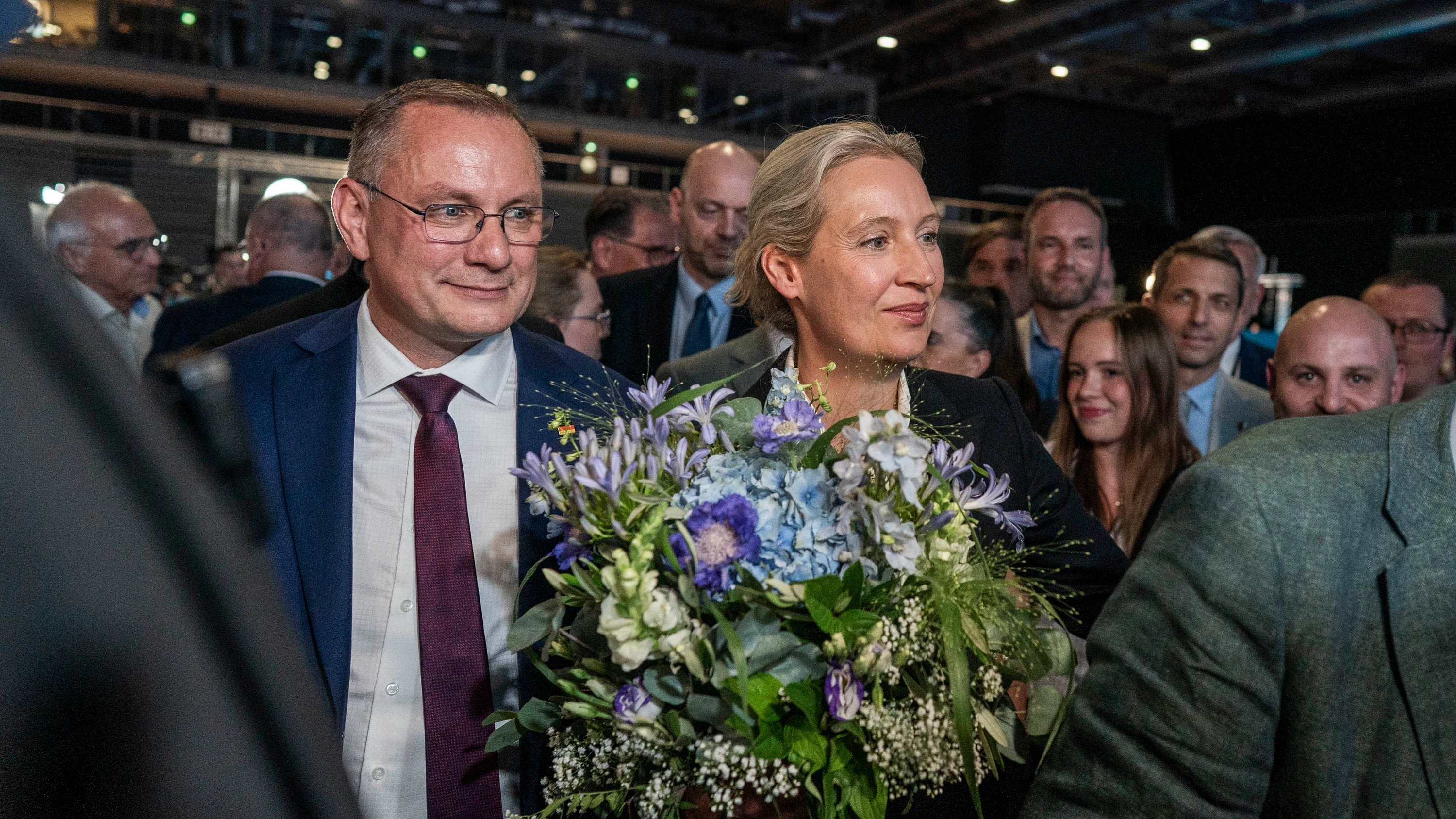
Deutschland-Liveblog: Chrupalla und Weidel als AfD-Bundessprecher wiedergewählt Anders als noch vor zwei Jahren schneidet Weidel deutlich besser ab als Chrupalla +++ Brisanter Antrag fliegt von der Tagesordnung beim AfD-Parteitag +++ Merz kündigt bei CDU-Landesparteitag Aktionsplan gegen Sozialleistungsmissbrauch an +++ alle Entwicklungen im Liveblog
faz · about 2 months ago
Weidel erhält mehr Stimmen als Chrupalla – AfD bestätigt Doppelspitze im Amt Die AfD wird auch künftig vom Spitzenduo Alice Weidel und Tino Chrupalla geführt. Beim Parteitag werden beide im Amt bestätigt – Chrupalla mit einem Dämpfer, Weidel mit leicht besserem Ergebnis.
welt.de · about 2 months ago
Wer leitet künftig das Sozialrathaus?: Potsdam sucht Nachfolge für Beigeordnete Brigitte Meier Oberbürgermeisterin Noosha Aubel stellt hohe Anforderungen an Bewerbende. In der Kommunalpolitik wird schon munter spekuliert, wer die besten Chancen haben könnte.
tagesspiegel · about 2 months ago
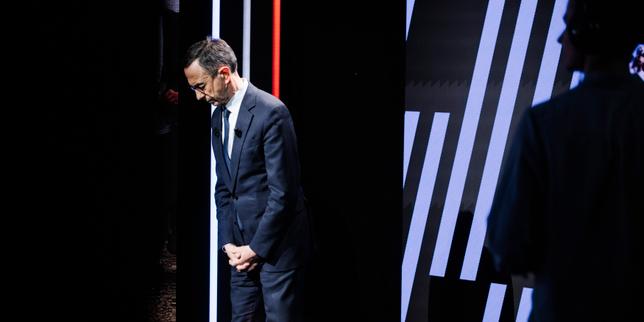
Bruno Retailleau, ultime symptôme du rétrécissement idéologique et électoral de la droite LR En tendant la main à Edouard Philippe, Laurent Wauquiez, le chef des députés Les Républicains à lAssemblée nationale, pousse Bruno Retailleau à renoncer à sa candidature à lélection présidentielle. Et souligne les difficultés du Vendéen à incarner une alternative au RN et à Horizons.
le monde · about 2 months ago
AfD-Bundesparteitag: AfD tauscht auch Schatzmeister aus
die zeit · about 2 months ago
„Ich schaue in die Zukunft – darum geht es Tino Chrupalla bildet zusammen mit Alice Weidel auch weiterhin die AfD-Doppelspitze auf Bundesebene, erhält aber weniger Zustimmung als zuvor. Er sei laut eigener Aussage mit den 70 Prozent zufrieden: „Hätte mich gewundert, wenn es 100 Prozent gewesen wären.
welt.de · about 2 months ago
AfD-Bundesparteitag in Erfurt: Parteitag bestätigt AfD-Chefs Weidel und Chrupalla im Amt Die amtierende AfD-Doppelspitze ist für zwei weitere Jahre wiedergewählt worden. Alice Weidel erhielt mit 81,3 Prozent deutlich mehr Stimmen als Tino Chrupalla.
die zeit · about 2 months ago
Keiko Fujimori offiziell neue Präsidentin Perus Fujimori kündigte ihrerseits den „Beginn eines neuen Kapitels in der Geschichte Perus an.
die presse · about 2 months ago
AfD-Parteitag: Weidel und Chrupalla als AfD-Spitzenduo bestätigt Die AfD wird auch künftig vom Spitzenduo Alice Weidel und Tino Chrupalla geführt. Beim Parteitag werden beide im Amt bestätigt, er mit einem Dämpfer, sie mit leicht besserem Ergebnis.
handelsblatt · about 2 months ago
AfD-Parteitag: AfD bestätigt Führungsduo – Chrupalla verliert an Rückhalt
die zeit · about 2 months ago
AfD bestätigt Parteichefs: Dämpfer für Chrupalla, Weidel gestärkt Trotz Protesten von Aktivisten hat die AfD am Sonnabend ihren Parteitag in Erfurt planmäßig begonnen. Verfolgen Sie das Geschehen hier live.
tagesspiegel · about 2 months ago