Loading…
 Thursday, August 20Thursday, August 20
13 hours · 2 summary articles
US national debt tops 40 trillion as Treasury doubles bond buybacks to calm markets
U.S. national debt exceeds 40 trillion for first time as borrowing costs surge
The U.S. national debt surpassed $40 trillion for the first time on Wednesday, reaching $40.05 trillion, according to Treasury Department data released that afternoon .
The debt milestone came as the U.S. Treasury announced it would at least double purchases of long-term government debt, from $2 billion to $4 billion per operation, starting Sept. 9, to stabilize bond markets amid rising borrowing costs . The 30-year Treasury yield had climbed to its highest level since 2007 before the announcement, with analysts citing a buyers’ strike and swelling corporate debt tied to AI data center spending .
The debt surge has accelerated under President Donald Trump’s second term, growing by $3.8 trillion since January 2025, bringing the total increase across his two terms to $11.6 trillion . The debt had previously risen by $8.4 trillion during Joe Biden’s presidency and $7.8 trillion during Trump’s first term, with pandemic spending a major driver .
Marc Goldwein, senior policy director at the Committee for a Responsible Federal Budget, called the debt figures a “gigantic flashing ‘check engine’ light” . Maya MacGuineas, president of the same organization, said in a statement that the debt “doesn’t exist solely on the government’s ledgers; it is felt throughout the economy” .
The Treasury’s intervention followed a global sell-off of government bonds, with yields rising sharply in the U.S. and Europe. In Germany, 10-year bond yields reached 3.25%, the highest in over 15 years, while U.S. 30-year yields hit 5.3% earlier this week . Economists, including Clemens Fuest of the Ifo Institute and Monika Schnitzer of Germany’s Council of Economic Experts, urged fiscal consolidation, warning that rising inflation and debt could force central banks to maintain higher interest rates .
U.S. Treasury Secretary Scott Bessent’s announcement of expanded buybacks was described by Thomas Simons, chief U.S. economist at Jefferies, as a departure from the Treasury’s usual steady communication, calling it “shot from the hip” . Mohamed El-Erian, a notable economist, suggested the market’s positive reaction reflected hopes for broader intervention rather than the direct impact of the buybacks .
The debt now exceeds the size of the U.S. economy, with debt held by the public at approximately $32 trillion . The Federal Reserve’s latest policy minutes indicated concerns that persistently high inflation could become embedded in the economy .
Follow us for live European news
3 further sources not geolocated

Il debito Usa sfonda i 40mila miliardi per la prima volta dalla II Guerra Mondiale e i mercati non credono al piano di Bessent Con un debito pubblico che ha appena superato i 40mila miliardi di dollari, il livello più alto dal secondo dopoguerra, i mercati non si accontentano più delle rassicurazioni del Tesoro Usa. I Treasury americani hanno infatti rapidamente cancellato i guadagni seguiti allannuncio del raddoppio del programma di riacquisto dei titoli a lunga scadenza. Il mercato […] Larticolo Il debito Usa sfonda i 40mila miliardi per la prima volta dalla II Guerra Mondiale e i mercati non credono al piano di Bessent proviene da Il Fatto Quotidiano.
il fatto quotidiano · about 2 hours ago
Anleihen: Ausufernde Staatsschulden – Märkte stellen sich auf einen „aktivistischen US-Finanzminister ein Mit seiner jüngsten Offensive signalisiert Scott Bessent, dass er für weitere Eingriffe in den Markt bereitsteht. Damit weicht er vom bisherigen Prinzip der USA ab. Das sind die Folgen.
handelsblatt · about 2 hours ago
US-Staatsschulden über 40 Billionen – aber nicht nur die Höhe ist ein Problem [premium] Die Staatsschulden der USA haben erstmals 40 Billionen Dollar überschritten. Allein seit Anfang 2022 kamen rund zehn Billionen hinzu. Doch nicht die Rekordmarke selbst bereitet Ökonomen die größten Sorgen.
die presse · about 2 hours ago

Illegale US-Zölle: Österreichische Unternehmen erhalten von Trump-Regierung Millionen zurück Weil das US-Höchstgericht viele Trump-Zölle aufhob, fließen Milliarden an Unternehmen zurück. Österreichische Exporteure dürften mindestens einen mittleren zweistelligen Millionenbetrag bekommen
der standard · about 2 hours ago
40 Billionen Dollar Schulden: Warum die USA immer tiefer ins Minus rutschen Die US-Staatsschulden steigen so schnell wie nie zuvor, mittlerweile zählen Zinsen zu größten Ausgaben in Washington. Das könnte auch Kredite in Europa teurer machen
der standard · about 2 hours ago
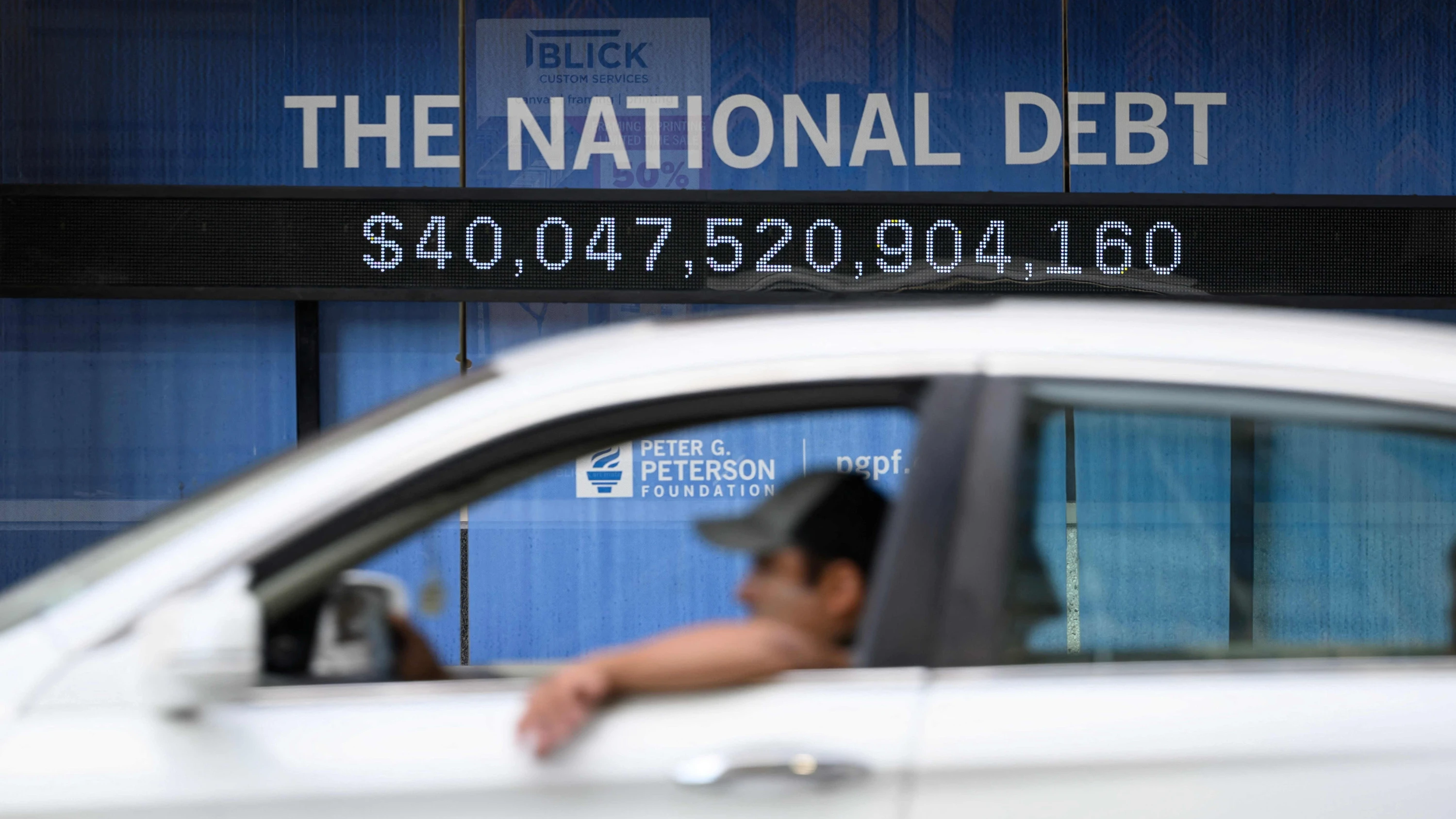
40 Billionen Dollar Schulden: Amerikas Finanzpolitik wird zum Risiko Eine 40 mit zwölf Nullen und Renditen auf Rekordniveau: Die amerikanischen Staatsschulden haben eine symbolische Schwelle überschritten. Finanzminister Bessent versucht, den Anleihemarkt zu beruhigen.
faz · about 2 hours ago

Taiwan proposes a record $35B defense budget for 2027 as Chinas military pressure grows Taiwans government has proposes a record-high defense budget of over 1 trillion Taiwan dollars, or $35 billion, for next year
independent · about 2 hours ago
Swiss exports rebounded in July driven by pharma sector Switzerlands foreign trade rebounded in July, with exports showing strong growth following a decline the previous month. The growth was once again driven by the chemicals and pharmaceuticals sector, as well as a recovery in sales to the European Union. During the month under review, exports surged by 13.8 in nominal terms (unadjusted for inflation) and compared with the previous month to CHF27.79 billion ($34.88 billion), while imports fell by 4.5 to CHF19.65 billion, according to figures released on Thursday by the Federal Office for Customs and Border Security. Swiss foreign trade thus ended the period with a trade surplus that had doubled compared with June, standing at CHF8.14 billion. The chemicals and pharmaceuticals sector, the driving force behind exports, once again underpinned international sales, with a 25.7 increase, following a 7.4 decline in June. By contrast, the machinery, electronics and equipment sector fell by 0.5. The watchmaking sector grew by 5.8 ...
swissinfo · about 2 hours ago
Carry traders pivot to Swiss franc as yen volatility spikes Carry traders are increasingly turning to the Swiss franc in the near term for their source of funding as the threat of intervention and higher interest rates saps the appeal of borrowing in the yen. Hedge funds boosted their net short position in the franc to near a two-month high in the week through August 11, according to the latest data from the Commodity Futures Trading Commission. At the same time, they reduced their yen shorts for a second week. The market has recently added short Swiss franc exposure to fund foreign-exchange carry trades, said Tobias Jungmann, head of Americas foreign-exchange options at Bank of America in New York. The ratio of volatility versus carry for franc-funded emerging-market trades also make options an attractive way to gain exposure while limiting risk, he said. The appeal of borrowing in the franc is underpinned by Swiss interest rates that are near zero and also by the central banks readiness to limit any currency appreciation. By contrast ...
swissinfo · about 2 hours ago
Swiss insurers profits jumped in 2025 The financial situation of the Swiss insurance sector is generally sound, according to a report by the Swiss Financial Market Supervisory Authority (FINMA) published on Thursday. Insurers significantly increased their capital last year. According to the FINMA report, Swiss insurance companies posted an aggregate annual profit of CHF24.4 billion ($30.6 billion) in 2025, up 136 year-on-year from CHF14 billion. Annual profits for non-life insurers and reinsurers rose particularly sharply, reaching CHF12.9 billion and CHF9.8 billion respectively. Life insurers also saw their aggregate annual profit rise by 10.2 to CHF1.7 billion. FINMA notes that investments were one of the factors contributing to these results. Across the market as a whole, investment profits rose by 47.6 to CHF24.8 billion. Their return stood at 5, compared with 3.37 the previous year. + Is Switzerlands natural disaster insurance a model for the world? As regards gross premiums, their aggregate volume fell ...
swissinfo · about 2 hours ago
Novonesis set for biggest stock gain in a decade During Thursday, Novonesis topped the Danish C25 index as its stock rose by more than ten percent, heading toward its largest increase in over ten years. The last similar increase occurred in October 2015 for the then-Novozymes, when the stock rose 10.8 percent. Novonesis is the combined company following the merger of Chr. Hansen and […]
cphpost · about 2 hours ago
US long-term bonds slide as Bessent intervention fails to soothe investors Yield on 30-year Treasuries rises despite move to at least double purchases of securities
financial times · about 2 hours ago
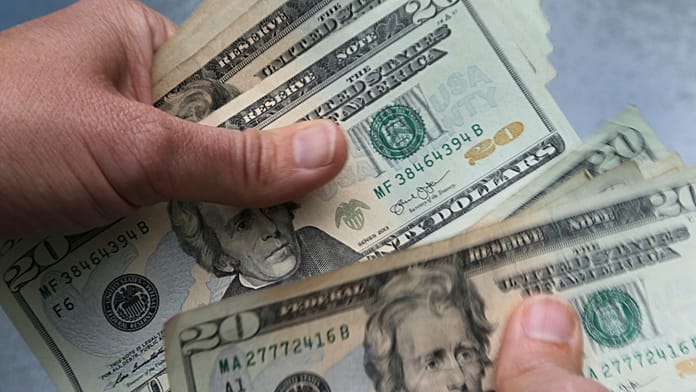
US debt tops $40 trillion as Treasury doubles bond buybacks to calm markets The US Treasury moved on Wednesday to calm a bond market rattled by surging borrowing costs, doubling the size of its debt buybacks hours before separate figures confirmed that the national debt had climbed past $40 trillion (€34.4tn) for the first time.
euronews · about 2 hours ago

Gold and silver surge in August as mounting US debt fears rattle markets Gold and silver have both stormed higher this August, driven by a softening dollar, mounting US government debt and fading expectations of a further Federal Reserve rate hike, as investors return to safe havens.
euronews · about 2 hours ago

Europes borrowing costs are rising. What does that mean for you? Higher bond market yields are already affecting mortgage offers in some of Europes biggest economies, while governments face a slower but mounting increase in the cost of servicing debt.
euronews · about 2 hours ago
School supply prices remain stable The price of school supplies remains at the same level as last year, with items available to suit all budgets, executive secretary of the supermarkets association Andreas Hadjiadamou said on Thursday. Hadjiadamou told the Cyprus News Agency that prices of other products were continuously rising, however supermarkets were keeping school supply prices stable either by […]
cyprus mail · about 2 hours ago
Finanzen: US-Staatsschulden überschreiten 40 Billionen Dollar Die Zinskosten sind inzwischen zum zweitgrößten Posten im US-Bundeshaushalt aufgestiegen und übertreffen die Ausgaben für das Militär. Zum Schuldenabbau schlagen Experten Änderungen bei Steuern, Sozialleistungen und Rentenalter vor.
handelsblatt · about 2 hours ago
USA: Trump versprach sinkende Preise: Was die Bilanzen der US-Einzelhändler über die tatsächliche Lage verraten Hohe Preise, steigende Kreditkartenschulden: Die Bilanzen der US-Einzelhändler zeigen, dass viele Verbraucher am Limit sind. Präsentieren die Wähler Trump im Herbst die Quittung?
handelsblatt · about 2 hours ago

Türkiyes external assets slip to $404B as liabilities rise The Turkish Central Bank said on Thursday that Türkiyes external assets stood at $404 billion at the end of June, down 1.7 from the previous quarter, while the countrys liabilities to non-residents rose 3 to $806.7 billion, pushing the net international investment position to minus $402.6 billion.
yenisafak · about 2 hours ago

Bitcoin surges past $70,000 on falling US yields, regulatory hopes Bitcoin climbed above $70,000 for the first time in more than two months on Thursday, driven by falling US Treasury yields and renewed optimism over cryptocurrency regulation following President Donald Trumps meeting with major industry executives.
yenisafak · about 2 hours ago
USA: US-Staatsschulden erstmals über 40 Billionen Dollar Die US-Staatsverschuldung überschreitet erstmals 40 Billionen Dollar. Steigende Zinskosten und die alternde Bevölkerung verschärfen die drohende Fiskalkrise.
faz · about 2 hours ago
US national debt tops $40 trillion for first time, dealing blow to Trump The US gross national debt has surged past $40 trillion for the first time, government data showed Wednesday, outstripping earlier forecasts at a pace fuelled in part by President Donald Trumps invalidated tariffs. The uptick in borrowing is a blow to Trump, who promised to cut public spending during his 2024 presidential campaign, and sparked a backlash from US representatives across the political field.
france24 · about 2 hours ago
Pharma firm CSL Behring cuts around 10 of workforce in Bern The Australian pharmaceutical group CSL Behring has cut just under 10 of the workforce in Bern, the company announced on Thursday. In February, it emerged that the company was planning job cuts. Tamedias Bern-based publications cited a figure of around 180 jobs likely to be at risk – roughly 10 of the workforce. CSL Behring has now stated in a press release issued on Thursday that the transformation process has been completed and that the company has strengthened its long-term competitiveness and positioned itself for the future. + Pharma company CSL Behring plans Swiss job cuts As part of the change process, more than 100 new positions have been created, enabling many employees to move into new roles within the company. Thanks to the great commitment of everyone involved at the site, job cuts were limited to less than 10 of the workforce, the statement said. The group did not disclose any more specific figures in its statement. The CSL Behring site in Bern is one of the ...
swissinfo · about 2 hours ago
Deal reached to abolish nearly all tariffs on Swiss exports to China China and Switzerland have concluded negotiations on further development of their free trade agreement. In future, there will be virtually no customs duties on Swiss exports to China. Federal President and Minister for Economic Affairs Guy Parmelin and Chinese Minister of Commerce Wang Wentao concluded negotiations on optimising the existing free trade agreement on Thursday in Bern. This was announced by the Federal Department of Economic Affairs, Education and Research (EAER). Switzerland has achieved its objectives, the EAER stated: under the existing free trade agreement, only just over half of Swiss exports are duty-free. In future – following phase-out periods – 99.8 of current exports will enter the Chinese market duty-free. Chinese imports into Switzerland, on the other hand, are already almost entirely duty-free. Furthermore, the improved free trade agreement secures access to the Chinese market for Swiss investors. And the provisions on environmental issues and labour ...
swissinfo · about 2 hours ago
US debt hits $40 trillion: Who does Washington owe and why does it matter? Heavy borrowing, increased spending and tax cuts by Democratic and Republican administrations have long raised concern.
aljazeera · about 2 hours ago

🔴 BREAKINGUS Treasury Secretary Bessent Adopts Interventionist Tactics to Lower Interest RatesUS Treasury Secretary Scott Bessent is implementing unconventional interventionist strategies in the bond market to drive down interest rates. This marks a significant shift in government role within global financial markets, diverging from traditional monetary...📰 #Markets #Geopolitics #GeoWire
mastodon bot · about 3 hours ago

🔴 BREAKINGUS Debt Surges to $40tn Amidst Policy Failures and Starve the Beast StrategyThe US federal debt has reached $40tn, driven by failed tariff revenue, Supreme Court rulings requiring refunds, and ineffective spending cuts by Elon Musks DOGE. Inflation from the Iran conflict further increased borrowing costs, reflecting a long-standing Republican starve the...📰 #Markets #Geopolitics #GeoWire
mastodon bot · about 3 hours ago

Ant Group quarterly profits rise 1 on year reut.rs/4hKvEjK
bluesky_Reuters · about 3 hours ago

Top Canada, US trade negotiators to meet again as deal deadline nears reut.rs/45CEPLK
bluesky_Reuters · about 3 hours ago

US employer healthcare costs set to rise 9.5 in 2027, Aon says reut.rs/3Uud2L3
bluesky_Reuters · about 3 hours ago