 Sunday, June 7Sunday, June 7
U.S. Defense Secretary sparks outrage by comparing migration to D-Day invasion
On Sunday, 7 June 2026, U.S. Defense Secretary Pete Hegseth provoked global outrage by invoking the memory of the 1944 D-Day landings to warn that Europe faces a modern-day “invasion” of “dangerous ideologies” arriving by sea. Speaking at Colleville-sur-Mer, where 160,000 Allied troops stormed Nazi-occupied Normandy on 6 June 1944, Hegseth declared that the continent’s coasts are again under siege—not by tanks and warships, but by migration flows he described as a cultural and ideological assault.
“When will European capitals act?” Hegseth asked during the 82nd anniversary ceremony, framing contemporary migration as a direct threat to the continent’s values. His remarks immediately drew condemnation from historians, human-rights activists, and European leaders, who accused him of trivialising the sacrifices of the 1944 landings. The *Frankfurter Allgemeine Zeitung* branded the speech “false words in the wrong place,” arguing that Hegseth had “abused the war commemoration for a polemic against European immigration policy,” while *The Guardian* quoted critics calling it “a grotesque obscenity” that profaned the memory of those who fought fascism.
European reactions were swift. Dutch Prime Minister Kajsa Ollongren, the EU’s special representative for human rights, reiterated the bloc’s commitment to international law and human dignity, stating that the EU must “improve human rights and freedoms worldwide” rather than conflate migration with existential threats. Meanwhile, the British government summoned U.S. Vice President JD Vance after he suggested mass immigration was fuelling violent protests in the UK—a claim London dismissed as baseless.
Hegseth’s speech also sparked debate on social media, with the hashtag #RejoinEU trending as users condemned what they saw as a fundamental disregard for European values. Critics argued that his rhetoric echoed the very ideologies the D-Day veterans fought to defeat, while supporters praised his willingness to address what they view as Europe’s strategic vulnerability.
The controversy underscores a growing transatlantic divide over migration, with Hegseth’s remarks amplifying tensions ahead of NATO’s July summit in Vilnius. As European leaders grapple with rising far-right movements and record asylum applications, the Pentagon chief’s speech has transformed a solemn commemoration into a flashpoint—one that risks deepening rifts between Washington and its allies.

Pentagon chief says Europe faces invasion of dangerous ideologies US Defense Secretary Pete Hegseth warned on Saturday that Europe is facing what he called an "invasion" of "dangerous ideologies" arriving by sea, likening contemporary migration flows to the historic D-Day landings during a ceremony in Normandy while challenging European capitals to take action.
yenisafak · about 3 hours ago
Londra îl contrazice pe JD Vance: vicepreședintele SUA, sunat după declarațiile privind imigrația și violențele din Marea Britanie Guvernul britanic i-a telefonat vicepreşedintelui american JD Vance pentru a respinge afirmaţiile acestuia potrivit cărora imigraţia în masă este cauza protestelor violente care au avut loc săptămâna aceasta în Regatul Unit. Declaraţiile lui Vance au venit după condamnarea unui tânăr sikh pentru uciderea unui student alb în decembrie 2025, caz care a stârnit controverse după ce victima a fost încătuşată de poliţişti la locul crimei, în timp ce agenţii au crezut versiunea agresorului despre o presupusă agresiune rasistă.
digi24 · about 3 hours ago
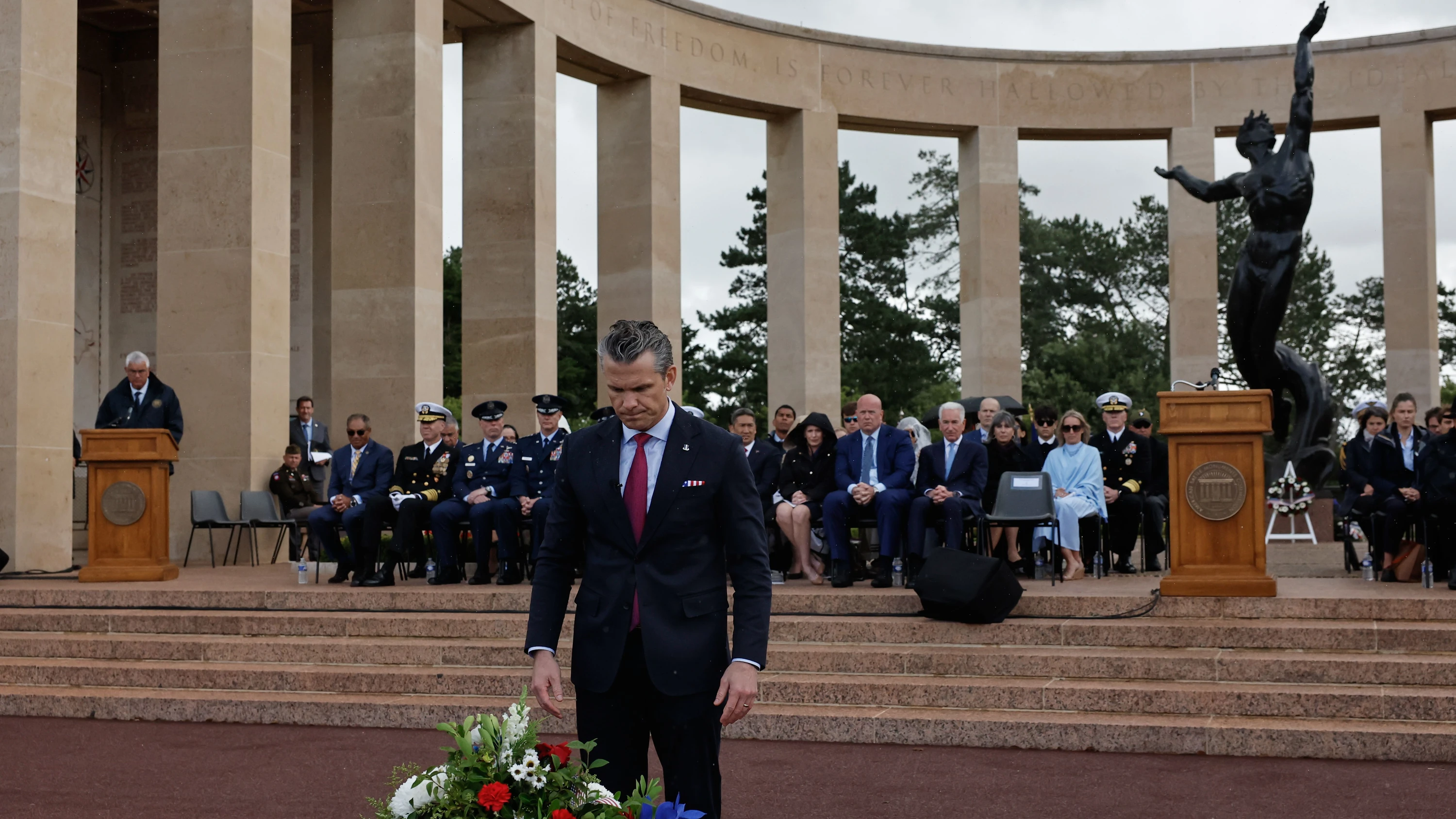
Hegseth am D-Day: Falsche Worte am falschen Ort Hegseth hat das Kriegsgedenken zu einer Polemik gegen die europäische Einwanderungspolitik missbraucht. Das zeugt von Menschenverachtung.
faz · about 3 hours ago
„O prostie grotescă. Discursul lui Pete Hegseth de Ziua Z privind imigraţia din Europa, aspru criticat Secretarul american al Apărării, Pete Hegseth, a fost acuzat de istorici şi activişti pentru drepturile omului de „o prostie grotescă şi de profanarea memoriei soldaţilor care au debarcat pe plajele din Normandia, după ce a încercat să facă o legătură între imigraţie şi aniversarea Zilei Z, afirmând că Europa se confruntă cu o altă „invazie …
hotnews.ro · about 4 hours ago

EU:lta kova viesti Suomelle – Nämä asiat ovat pahasti pielessä
iltalehti · about 4 hours ago
Radu Miruță dezminte informația că în portul Constanța ar fi operat șase petroliere aflate pe lista de sancțiuni ale UE/SUA Ministrul interimar al Apărării, Radu Miruţă, dezminte informaţia cum că șase nave petroliere aflate pe listele de sancțiuni ale Uniunii Europene respectiv Statele Unite ar fi operat în portul Constanţa.
digi24 · about 4 hours ago
Discursul lui Hegseth de Ziua Z, considerat o „prostie grotescă, „o profanare obscenă a memoriei celor care au debarcat în Normandia Secretarul american al Apărării, Pete Hegseth, a fost acuzat de istorici şi activişti pentru drepturile omului de „o prostie grotescă şi de profanarea memoriei soldaţilor care au debarcat pe plajele din Normandia, după ce a încercat să facă o legătură între imigraţie şi aniversarea Zilei Z, afirmând că Europa se confruntă cu o altă „invazie a coastelor sale, relatează The Guardian.
digi24 · about 4 hours ago
Puheenvuoro | Olemme jo sodassa, sanoo historioitsija Oula Silvennoinen Räpiköimme monen yhtäaikaisen kriisin pulassa, joka muistuttaa jo sotatilaa, väittää tutkija. Hän perää suomalaisilta uhrauksia.
helsingin sanomat · about 4 hours ago
Discursul șefului Pentagonului de Ziua Z, denunțat drept „o stupiditate grotescă după asocierea imigrației cu debarcarea din Normandia Secretarul american de Război, Pete Hegseth, este criticat dur de istorici și activiști pentru drepturile omului după ce, în cadrul ceremoniei dedicate aniversării Debarcării din Normandia, a comparat imigrația către Europa cu o „invazie, stârnind acuzații că profanează memoria militarilor căzuți
adevarul · about 4 hours ago
Hegseth urges Europe to stop invasion
gdeltproject.org · about 4 hours ago

David Lammy: I told JD Vance he was wrong about Henry Nowak murder Deputy PM says he spoke to US vice-president about post that blamed mass invasion of migrants for teenagers deathDavid Lammy has said he told the US vice-president, JD Vance, he was wrong to blame the murder of the British teenager Henry Nowak on mass migration.The deputy prime minister said he spoke to Vance by phone on Saturday to tell him our democratic process is working well and that he was wrong in his commentary about the murder. Continue reading...
theguardian · about 4 hours ago
Hegseth proves beyond all doubt the current US régime is contrary to European values. His speech in Normandy yesterday was appalling on every level and showed total ignorance and disrespect for all those who lost their lives in the fight against fascism and for democracy. #europe #rejoineu #DDay
mastodon bot · about 4 hours ago
Mezinárodní právo nikdy nemělo vlastní zbraně. Musí ho dodržovat víc zemí, než ho odmítá, říká Ollongrenová „Evropská unie je mocným světovým hráčem. Svojí politikou by měla zlepšovat lidská práva a svobody ve světě, míní Nizozemka Kajsa Ollongrenová, zvláštní zástupkyně EU pro lidská práva. S Českým rozhlasem hovořila na květnovém fóru Globsec v Praze. Pro dodržování mezinárodního práva podle ní není třeba budovat nový systém, ale přimět země, aby dodržovaly ten už fungující.
irozhlas.cz · about 4 hours ago
VS-minister Hegseth vergelijkt D-day met huidig Europees migratiebeleid De Amerikaanse defensieminister Pete Hegseth bekritiseerde dit weekend tijdens een D-day-toespraak het Europese migratiebeleid. Hij legde een verband tussen immigratie en de D-day-landingen in de Tweede Wereldoorlog. Hegseth sprak daarbij van een "invasie" in Europese landen.
nu.nl · about 4 hours ago
Verdiep je ook eens in het perspectief van asielzoekers
de volkskrant · about 4 hours ago
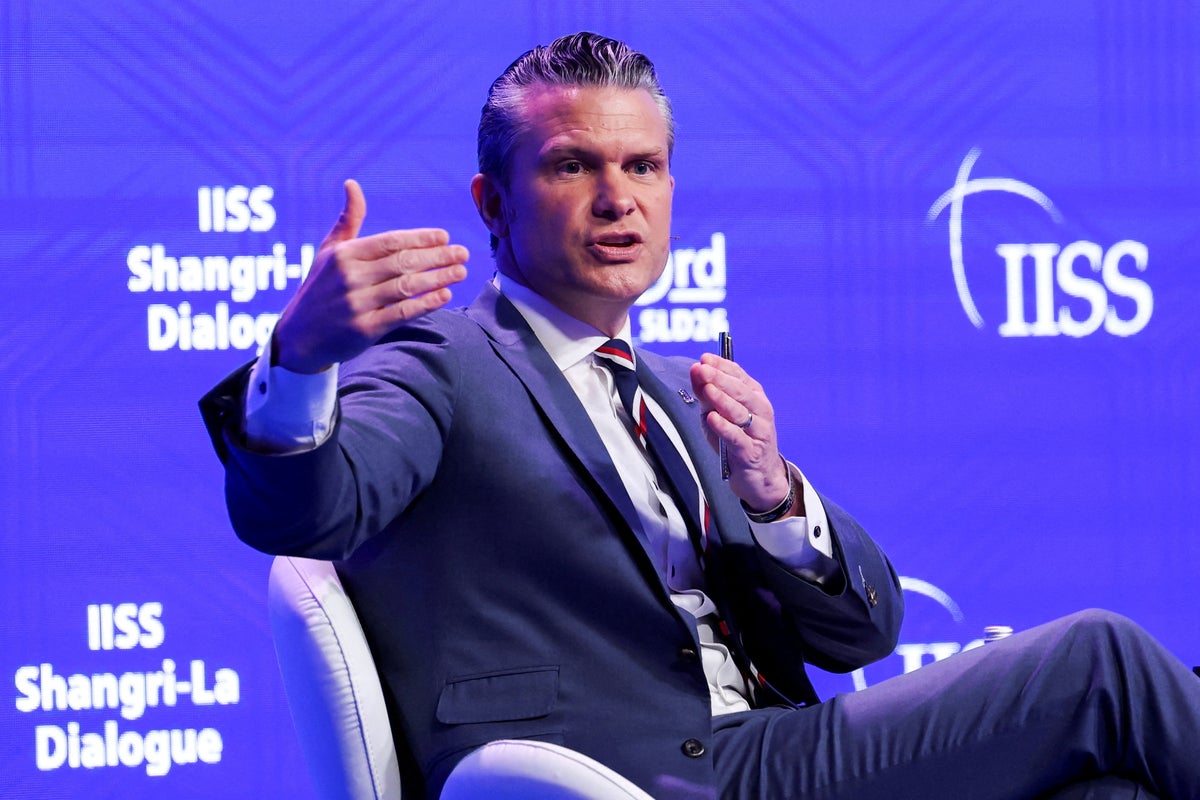
Minister says he hopes Pete Hegseth regrets his horrifying D-Day comments Condemnation of remarks by Donald Trumps defence secretary after he used event to criticise immigration and ask When will European capitals do something... or is it too late?
independent · about 4 hours ago
Defense Secretary Pete Hegseth invokes D-Day at Normandy to warn European leaders about dangerous ideologies and migration to the continent
gdeltproject.org · about 4 hours ago