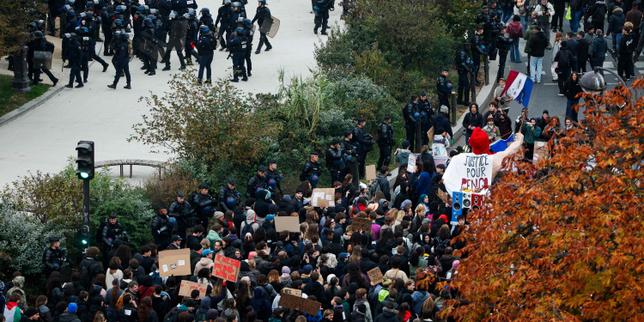
Mass protests against the cost of living entered their fourth week across France on Saturday, with clashes between police and demonstrators in Paris and 70,000 security forces deployed nationwide.
The Interior Ministry said 146,000 people took part in demonstrations across the country, including 46,000 in Paris. Unions put the figure at 250,000 nationwide and 75,000 in the capital. Turnout was lower than the previous three weekends, which saw between 320,000 and half a million participants, and followed a mass union protest on Thursday that authorities said drew 575,000 people.
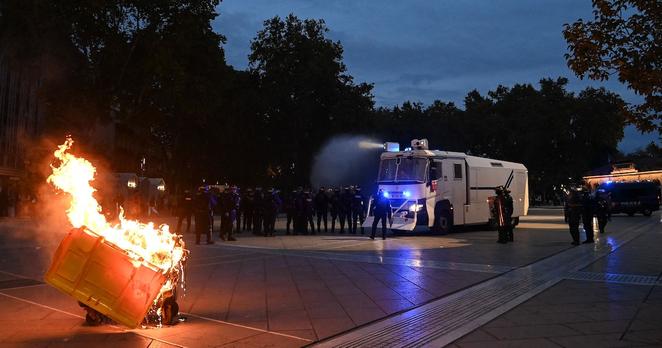
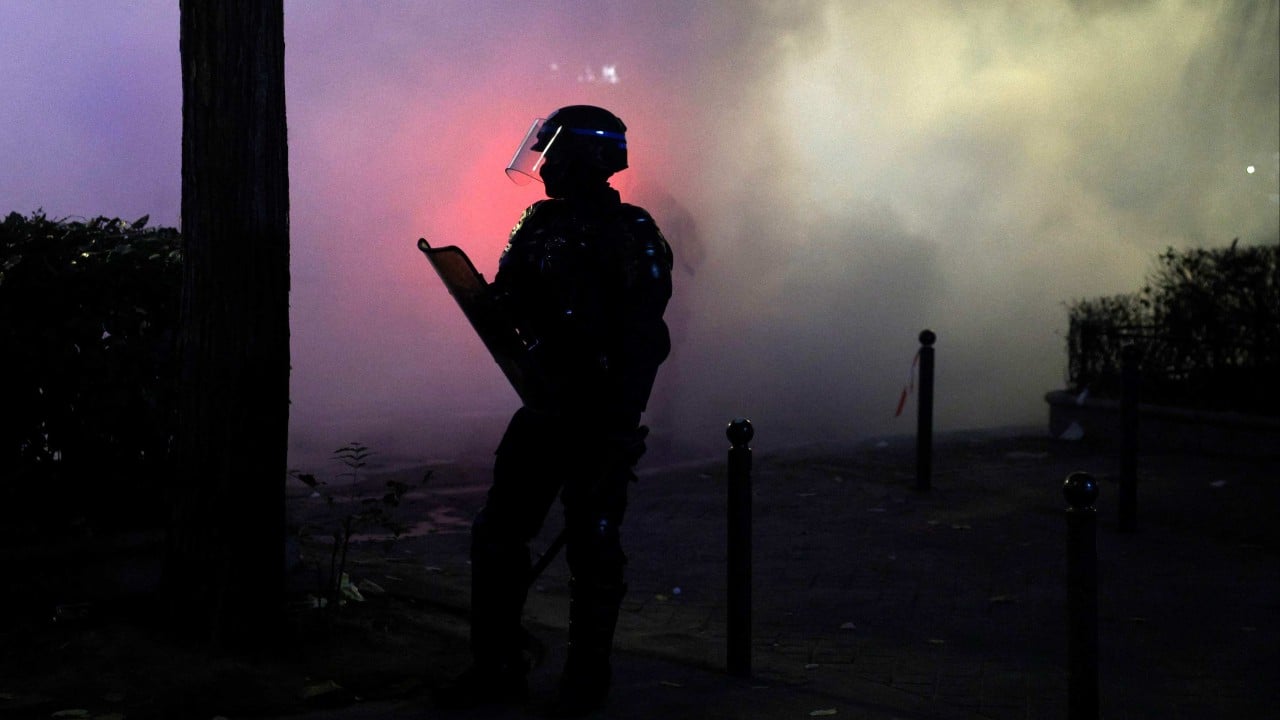
In Paris, clashes erupted at the end of the main march from Place de la République to Place de la Nation. Police used tear gas against individuals throwing projectiles and homemade fireworks. Police said a group of 200 violent individuals attacked officers as they arrested a man who had set fire to a trash bin.
Separately, the Yellow Vests movement called a rival demonstration at Place de la Concorde near the Élysée Palace, which authorities banned. About 100 people who arrived were surrounded by police, and the movement's coordinators Benjamin Ball and Azelma Sigaux were among those arrested. At least 360 people were arrested during the demonstrations.
In Lyon, police fired tear gas to disperse several hundred people blocking a road during an unauthorized gathering. The wave of demonstrations was sparked in late September by high school students angered by conditions at their schools, and later expanded to encompass grievances over rising living costs.
"Today is a date that helps keep the pressure on," said Sabine Kharbach, spokeswoman for the Student Union. "Many young people are mobilising because the government's responses remain unsatisfactory."
Interior Minister Laurent Nunez had warned that authorities would be "ready and waiting" for anyone engaging in rioting or looting. The police response has faced criticism for being heavy-handed, with dozens of internal investigations launched into allegations of brutality against demonstrators.
Local businesses are also affected. Paris shop manager Jean Emile Moulinier said hardly any customers brave security barricades on protest weekends. "So this can't go on, otherwise I think it will be a disaster before long," he said.
Prime Minister Sébastien Lecornu is scheduled to meet union and employer federation representatives on Monday to discuss wages and purchasing power. Student and teacher groups have called for a new strike on Tuesday to press for more education spending. They said they were "in a position of strength (and) the government in a position of weakness and starting to yield."
France heads toward presidential elections in April, where polls put far-right candidate Marine Le Pen in the lead.