
AI agents win card game using structured memory in breakthrough study

Researchers have made a significant breakthrough in the field of artificial intelligence by developing AI agents that can win at the complex card game Slay the Spire 2. The key to this achievement is the replacement of growing chat logs with structured memory, which keeps the prompt size manageable at around 5,000 tokens instead of ballooning past 500,000.
The AgenticSTS project, which stands for Agentic Structured Memory, involves replacing the ever-growing chat log of AI agents with five separate memory layers. This innovation has been tested on the card game Slay the Spire 2, where the AI agent wins 6 out of 10 games, while competing agents don't win any.
This development is significant because it addresses one of the major challenges in AI research: managing the growing size of chat logs, which can become unwieldy and inefficient. By using structured memory, researchers have been able to keep the prompt size manageable, leading to more efficient and effective AI agents.
The implications of this research are far-reaching. Structured memory could be applied to a wide range of AI applications, from customer service chatbots to more complex decision-making systems. This could lead to more efficient and effective AI systems that can handle larger amounts of data without becoming overwhelmed.
But this is just one example of the many studies and research projects currently underway in the field of science and technology.
In another significant study, geologists have discovered new evidence that water has influenced the interior of the Earth and volcanic activity for over 3 billion years. This discovery pushes back the timeline of water's influence on Earth's geology and has important implications for our understanding of the planet's history and evolution.
Meanwhile, a study on the impact of social media on the quality of life of young people with skin diseases has found that social media use is associated with lower self-esteem, more negative body image, and higher levels of anxiety. This research highlights the importance of understanding the impact of social media on mental health and well-being, particularly among young people.
In a different field, a study has explored the origins of the difference between the palm and the back of the hand in vertebrates. This research has found that the genetic mechanism responsible for this difference was already present in the fins of fish over 400 million years ago. This discovery helps to explain how the limbs of vertebrates evolved to allow for walking, manipulating objects, and performing precise movements.
These studies demonstrate the wide range of research currently underway in the field of science and technology. From artificial intelligence to biology and geology, researchers are making significant strides in our understanding of the world and our place in it.
Looking ahead, the field of artificial intelligence is likely to continue to advance rapidly. With innovations like structured memory, AI agents are becoming more efficient and effective, opening up new possibilities for applications in a wide range of fields. From healthcare to finance, AI has the potential to revolutionize the way we live and work.
But as with any technology, there are also concerns about the impact of AI on society. From job displacement to privacy concerns, the rapid advancement of AI raises important questions about how we can ensure that this technology is used responsibly and ethically.
In conclusion, the breakthrough in AI research with structured memory is just one example of the many exciting developments currently underway in the field of science and technology. From the impact of social media on mental health to the evolution of vertebrate limbs and the influence of water on Earth's geology, researchers are making significant strides in our understanding of the world and our place in it. As we look to the future, it is important to continue to support and invest in research that has the potential to improve our lives and our world.
Follow us for live European news
- 2
- 2
- 2
- 2
- 1
- 1
- 1
- 1
- 1
- 1
- 1
- 1
- 1
1 further source not geolocated
Articles

Vyšel nový žebříček vysokých škol. Jak si stojí Česko? Vyšel nový žebříček QS, jeden z nejsledovanějších světových žebříčků vysokých škol. Podobné žebříčky každý rok znovu otevírají debatu o kvalitě českého vysokého školství.
irozhlas.cz · about 3 hours ago
Исследователи впервые полностью расшифровали обугленный свиток «Виллы Папирусов» — крупнейшей античной библиотеки . Что читали богатые римляне незадолго до извержения Везувия? И можно ли надеяться, что наконец найдется вторая книга «Поэтики» Аристотеля? 25 июня 2026 года международный проект Vesuvius Challenge объявил, что его участники впервые сумели полностью прочитать обугленный папирус из Геркуланума, не разворачивая свиток. Речь идет о папирусе с индексом PHerc. 1667. Этот свиток (и еще почти две тысячи таких же) хранился в частной библиотеке, погребенной под застывшими пирокластическими потоками в результате извержения Везувия 79 года н. э. — того же, которое уничтожило Помпеи. Почему это открытие так важно, хотя текст, который удалось распознать в PHerc. 1667, и не сообщает сенсаций?
meduza · about 3 hours ago
AI agents win at Slay the Spire 2 after researchers replace growing chat logs with structured memory The AgenticSTS project replaces the ever-growing chat log of AI agents with five separate memory layers. Tested on the card game Slay the Spire 2, the prompt stays at around 5,000 tokens instead of ballooning past 500,000. The agent wins 6 out of 10 games, while competing agents dont win any. The article AI agents win at Slay the Spire 2 after researchers replace growing chat logs with structured memory appeared first on The Decoder.
the decoder · about 3 hours ago
Un criminolog cere schimbarea politicii antidrog: „Consumatorii trebuie tratați, nu pedepsiți. Ce ascund statisticile Guvernului Un raport guvernamental arată creșterea consumului de droguri la femei și scăderea la bărbați. Potrivit studiului, aproape 1 din 5 tineri (18,5) au consumat odată un drog ilegal.
adevarul · about 3 hours ago
200 kroků k čipům. V Rožnově je vyrábí bývalí kuchaři či prodavači, vzdělání nerozhoduje Mají jen pár milimetrů, přesto si díky nim třeba nabijete auto. Také snižují ztráty při konverzi obnovitelné energie a sníží i množství potřebné energie v datových centrech. Polovodiče, které toto a mnoho dalšího umožňují, se vyrábí i v Česku – konkrétně v továrně onsemi v Rožnově pod Radhoštěm. Server iROZHLAS.cz přináší z prohlídky výrobních prostor reportáž.
irozhlas.cz · about 3 hours ago
Nu există expunere „sigură la soare fără protecție, arată un nou studiu. Care sunt riscurile Chiar şi perioadele scurte de expunere la soare, la intervale orare considerate în mod tradiţional „sigure, pot să provoace leziuni cutanate şi să contribuie la creşterea riscului de cancer de piele, conform concluziilor unui studiu australian.
digi24 · about 3 hours ago
Cât de diferit este râsul la oameni față de maimuţele antropoide. Ar putea fi un indiciu pentru apariția vorbirii? (studiu) Există mai multe tipuri de râs. Oamenii pot râde în hohote la o glumă. Pot chicoti nervos într-o situaţie incomodă. Pot râde uşor, amuzaţi. Pot râde pe sub mustaţă pentru a-şi exprima dispreţul - în special personajele negative din filme. Dar, deşi râsul pare a fi o trăsătură exclusiv umană, nu este aşa. Şi cele mai apropiate rude ale noastre din punct de vedere evolutiv au capacitatea de a râde. Cercetătorii au comparat râsul la oameni cu cel al mai multor maimuţe antropoide - cimpanzei, bonobo, gorile şi urangutani. Ei au identificat asemănări între specii în ceea ce priveşte această vocalizare, dar şi caracteristici specifice doar oamenilor.
digi24 · about 3 hours ago
Tehnica revoluționară care ar putea salva gheața arctică a trecut primul test. De ce cercetătorii sunt încă rezervați Cercetătorii au efectuat recent primul test științific de îngroșare a gheții marine în condiții de teren, dar rămâne un mare semn de întrebare cu privire la gradul de scalabilitate al acestei metode scrie Live Science.
digi24 · about 3 hours ago
Studiu. Apa a modelat Pământul încă de acum 3,1 miliarde de ani, mai devreme decât se credea Geologii au anunţat descoperirea, pe baza analizei unora dintre cele mai vechi roci vulcanice de pe planetă, a unor noi dovezi conform cărora apa influenţa deja interiorul Pământului şi activitatea vulcanică în urmă cu peste 3 miliarde de ani.
digi24 · about 3 hours ago
UK launches national dementia registry to speed up search for treatments Platform aims to improve access to clinical trials and boost life sciences investment in the country
financial times · about 3 hours ago
Tumore al seno rimosso con un robot da 2 milioni di dollari. La paziente Vicky Pan: Ora abbraccio i miei figli più a lungo. Sono sulla strada della guarigione Per la prima volta negli Stati Uniti è stato rimosso un tumore con un robot da due milioni di dollari. Il macchinario ha permesso di eseguire, con successo e al di fuori di studi clinici, la prima mastectomia robotica a porta singola con conservazione del capezzolo. A sottoporsi allintervento è stata la quarantaseienne Vicky Pan, […] Larticolo Tumore al seno rimosso con un robot da 2 milioni di dollari. La paziente Vicky Pan: Ora abbraccio i miei figli più a lungo. Sono sulla strada della guarigione proviene da Il Fatto Quotidiano.
il fatto quotidiano · about 3 hours ago
Thousands of flamingo chicks thrive on artificial island in İzmir Approximately 18,000 flamingo chicks hatched in May are now growing in the Gediz Deltas nursery waters in İzmir, Türkiye. The young birds, under parental supervision, are learning to feed and exercise their wings before the August migration season. The deltas artificial nesting island has become a thriving habitat for the colourful flocks.
yenisafak · about 3 hours ago

Faut-il manger toujours plus de fibres ? Dans sa rubrique Est-il vrai que… ? , le quotidien britannique The Guardian tente de répondre aux questions que lon sest toutes et tous déjà posées. Cette semaine, le fibremaxxing, ou la tendance à manger autant de fibres que possible, est décrypté.
courrier international · about 4 hours ago
Χαράλαμπος, Νίκος και Κωνσταντίνος Κωνσταντάκης (Ευβοϊκή Ζύμη): Aπό την Εύβοια σε 43 χώρες ανά τον κόσμο Η διαδρομή του Χαράλαμπου Κωνσταντάκη από το Καμερούν στα Ψαχνά, η σκυτάλη στη δεύτερη γενιά και το νέο εργοστάσιο των 11 εκατ. ευρώ που στηρίζει το σχέδιο για τζίρο 50 εκατ. ευρώ μέσα στην επόμενη τετραετία
protothema · about 4 hours ago
Kdo stojí za druhovou mozaikou? Divocí koně zvyšují pestrost v krajině, potvrdili jihočeští entomologové Jihočeští entomologové z Biologického centra Akademie věd v Českých Budějovicích prokázali, že velcí kopytníci dokážou zvýšit pestrost hmyzu v krajině. Jedná se například o divoké koně, zubry nebo pratury. Vědci se zaměřili na jedenáct lokalit, do kterých se díky ochráncům přírody velcí kopytníci vrátili.
irozhlas.cz · about 4 hours ago
Sute de permise de conducere românești, găsite la o groapă de gunoi din Republica Moldova În Republica Moldova, tone de deșeuri din plastic și medicale, precum și un număr mare de permise de conducere eliberate de autoritățile române, au fost descoperite la o groapă de gunoi din satul Porumbeni, raionul Criuleni, informează Radio Moldova .
adevarul · about 4 hours ago
Jaapan leidis ookeanipõhjast suuri kullavarusid Jaapani teadlased leidsid Vaikses ookeanis veealuse vulkaanikraatri, mis sisaldab maailma suurimat teadaolevat kullakontsentratsiooni. Avastus on tekitanud elevust kaevandustööstuses, kuid samal ajal süvendanud ülemaailmset debatti süvamere kaevandamise ohtude ja eetilisuse üle.
postimees · about 4 hours ago
Building a new nuclear plant would pay off, finds Swiss study A new nuclear power station would generate CHF1.6 billion ($1.97 billion) for the Swiss economy each year and create over 2,900 jobs, according to an analysis. The study, published on Sunday, was carried out by the BAK Economics research institute on behalf of the Swiss Business Federation, Economiesuisse. The CHF1.6 billion in added-value was based on the assumption of an operational lifespan lasting 60 years, the study estimated. The calculations were based on a scenario involving a new EPR-type nuclear plant coming on stream in 2050. The construction phase would generate domestic value added of CHF7.4 billion, the study reckoned. This corresponds to around 51 of the total construction costs. The analysis also estimated an annual increase in security of supply worth CHF520 million. Direct tax revenues for federal, cantonal, and municipal authorities would come to some CHF95 million annually, the study calculated. Every franc of funding invested would generate a net GDP effect of ...
swissinfo · about 4 hours ago
Barn hjälper svanfamilj över E4 Orsakar trafikhinder
expressen · about 4 hours ago

Richard Feynman y el desastre del Challenger Su participación en la investigación del desastre del transbordador espacial constituye uno de los ejemplos más conocidos de cómo el pensamiento científico puede contribuir a revelar fallos y causas profundos
la vanguardia · about 4 hours ago

Reto visual: ¿Eres capaz de ver el milano real en menos de 30 segundos? Esta ave aparece en este paisaje de los alrededores de Altet, en el Urgell, pero, ¿puedes indicar dónde está?
la vanguardia · about 4 hours ago

¿Te hinchas después de comer? El suplemento multidiana que desinflama tu abdomen Digestya de be levels te ayuda a acabar con la pesadez de después de comer, repara y da cierto alivio gástrico y tiene una acción antiinflamatoria
la vanguardia · about 4 hours ago

El lactato, la nueva pócima mágica para mejorar el rendimiento en el Tour Un gel español abre una nueva vía para combatir la percepción del esfuerzo hasta un 10
la vanguardia · about 4 hours ago

La nueva generación de científicos que quiere reprogramar el sistema inmunitario La 44.ª edición de las becas de la Fundación la Caixa impulsa la formación internacional de jóvenes investigadores que ya participan laboratorios de referencia
la vanguardia · about 4 hours ago
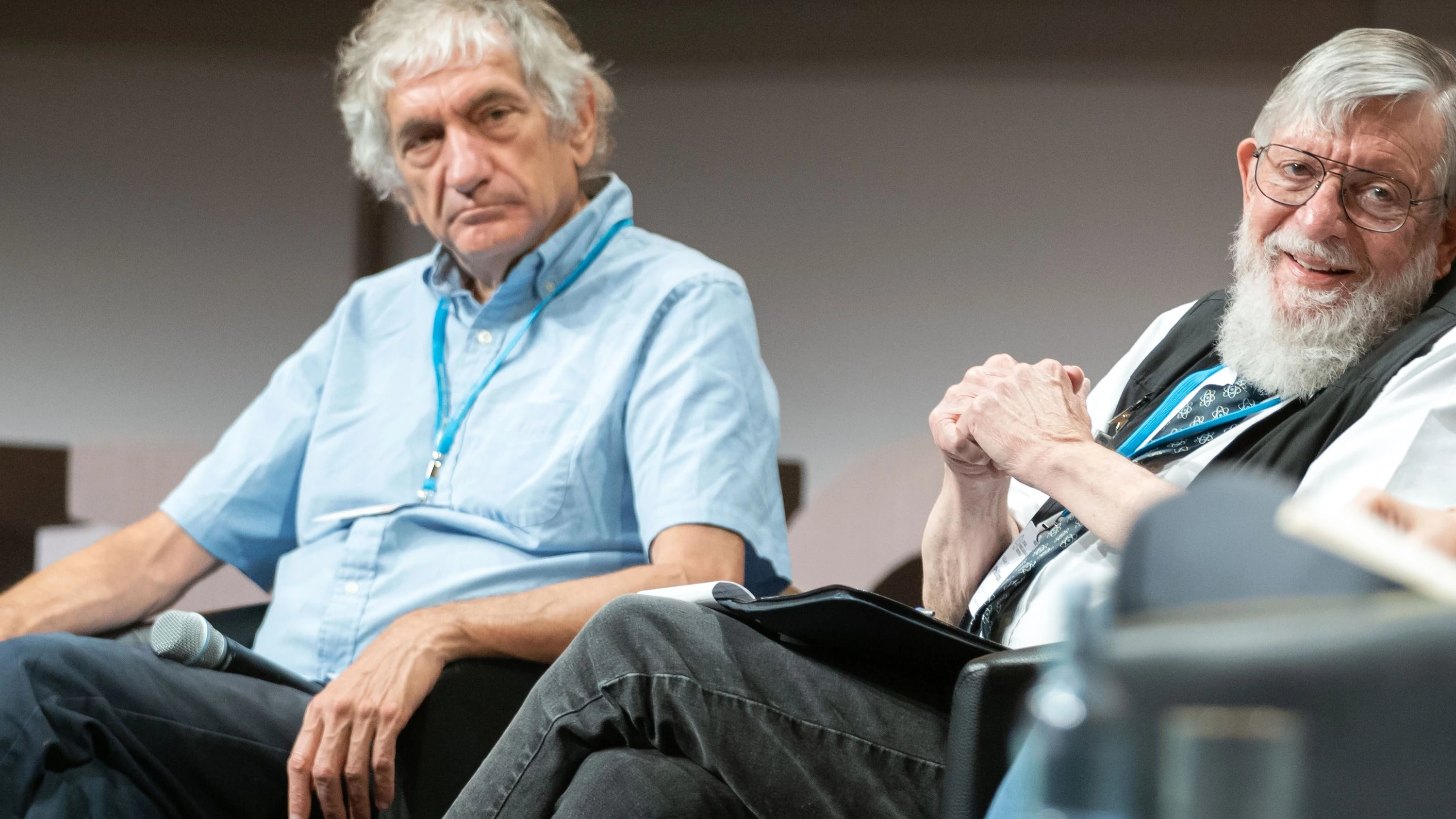
75. Nobelpreisträgertagung: Künstliche Atome für das nächste große Ding Einsatzreife Quantencomputer gibt es noch nicht, doch drei ihrer Pioniere haben bereits den Nobelpreis. Die Geschichte ist wieder ein Beispiel dafür, wie völlig zweckfreie Grundlagenforschung neue Technologien hervorbringt.
faz · about 4 hours ago
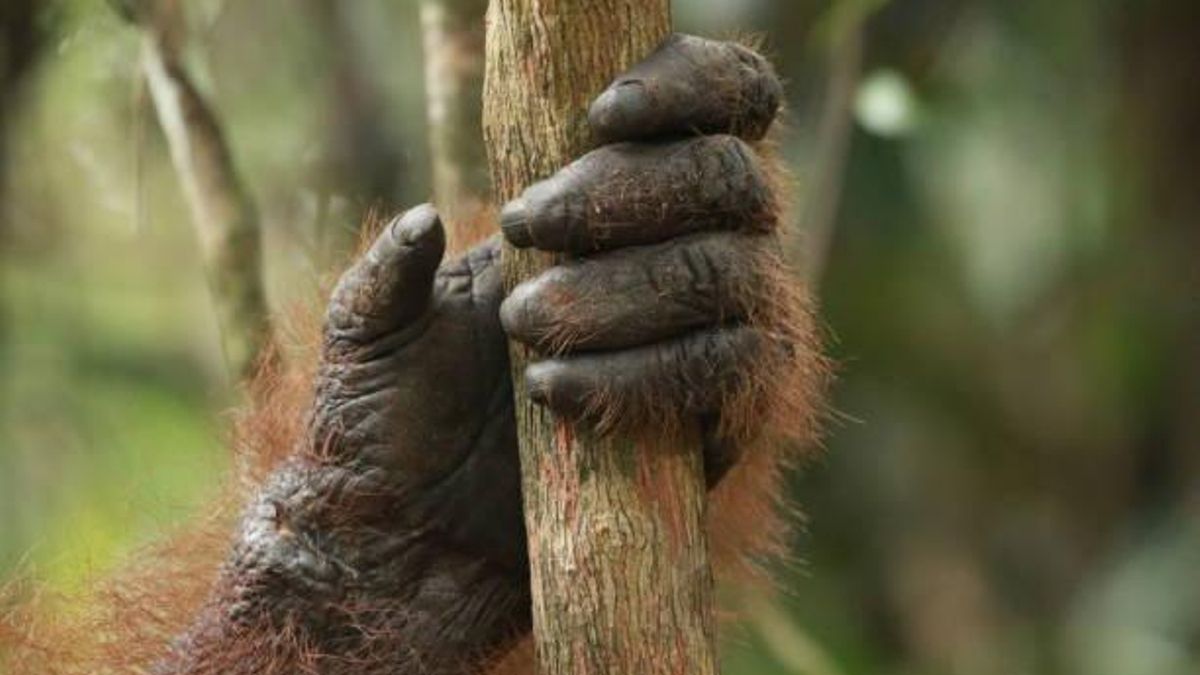
Descubren el origen de la diferencia entre la palma y el dorso de las manos hace más de 400 millones de años Ayuda a explicar cómo evolucionaron las extremidades que hoy permiten a los vertebrados caminar, manipular objetos o realizar movimientos de gran precisión Un equipo internacional de investigadores ha logrado resolver una de las incógnitas sobre la evolución de los vertebrados al descubrir cómo surgió hace más de 400 millones de años la diferencia entre la palma y el dorso de las extremidades. El estudio, liderado por científicos del Instituto de Biomedicina y Biotecnología de Cantabria (IBBTEC), el Centro Andaluz de Biología del Desarrollo y la Universidad de Harvard (Estados Unidos), demuestra que el mecanismo genético responsable de esa organización ya existía en las aletas de los peces mucho antes de que los primeros vertebrados colonizaran la tierra firme. Los resultados, publicados en la revista científica Current Biology, identifican el origen evolutivo del sistema que determina qué parte de una extremidad será dorsal (la parte de la mano donde están las uñas) y cuál será ventral, es decir, la palma. Este hallazgo ayuda a explicar cómo evolucionaron las extremidades que hoy permiten a los vertebrados caminar, manipular objetos o realizar movimientos de gran precisión. El mecanismo genético ya existía en las aletas de los peces Un mecanismo genético mucho más antiguo de lo que se pensaba Cuando miramos nuestra mano, la distinción entre el dorso, la parte con uñas, y la palma, con sus pliegues y almohadillas, nos parece completamente natural. Esa diferencia es imprescindible para que nuestras extremidades funcionen correctamente y permite acciones tan cotidianas como doblar los dedos, agarrar objetos o apoyar el pie en el suelo, explica Marián Ros, investigadora del IBBTEC y codirectora del estudio. Hasta ahora, los científicos desconocían cuándo había aparecido esa asimetría durante la evolución o si ya estaba presente en las aletas de los peces, de las que derivan las extremidades de todos los vertebrados terrestres. El trabajo responde a esa pregunta al demostrar que el gen Lmx1b, conocido por controlar el desarrollo de la parte dorsal en ratones, pollos y seres humanos, desempeña exactamente la misma función en las aletas pectorales del pez cebra (Danio rerio). En rosa el gen Lmx1b, que actúa solo en la parte dorsal Este descubrimiento indica que el mecanismo responsable de establecer el arriba y el abajo de las extremidades ya estaba plenamente desarrollado antes de que los primeros vertebrados abandonaran el medio acuático. En otras palabras, la base genética que dio lugar a manos y pies modernos se encontraba presente en peces que vivieron cientos de millones de años antes de la aparición de los primeros animales terrestres. Otras implicaicones biomédicas del trabajo Como parte de la investigación, el equipo también estudió unas especies de peces de agua dulce conocidas como lochas de torrente o lochas mariposa, adaptadas a vivir adheridas a las rocas de ríos con fuertes corrientes. Sus aletas pectorales presentan modificaciones que les permiten aferrarse al sustrato y constituyen un ejemplo especialmente útil para comprender cómo pequeñas variaciones en este programa genético pueden traducirse en nuevas funciones anatómicas. Más allá de su interés evolutivo, el trabajo tiene importantes implicaciones biomédicas. Los investigadores destacan que conocer mejor el funcionamiento del gen LMX1B y de los interruptores genéticos LARM permitirá comprender mejor enfermedades como el síndrome de uña-rótula, un trastorno hereditario en el que las alteraciones de estos genes provocan la pérdida o el desarrollo anómalo de estructuras características del dorso de las extremidades, como las uñas o las rótulas.
eldiario.es · about 4 hours ago
Grades dropped from 96 to 48 percent when a Brown professor made students take the exam without AI An economics professor at Brown University suspects most of his 86 students used AI to cheat on a take-home exam that averaged 96 percent. When he made the final an in-person test, 18 students dropped the course, nine didnt show up, and the average fell to 48.6 percent. Two large studies from China and UC Berkeley back up his case: where students lean on AI for homework, their proctored exam scores tank. The article Grades dropped from 96 to 48 percent when a Brown professor made students take the exam without AI appeared first on The Decoder.
the decoder · about 4 hours ago
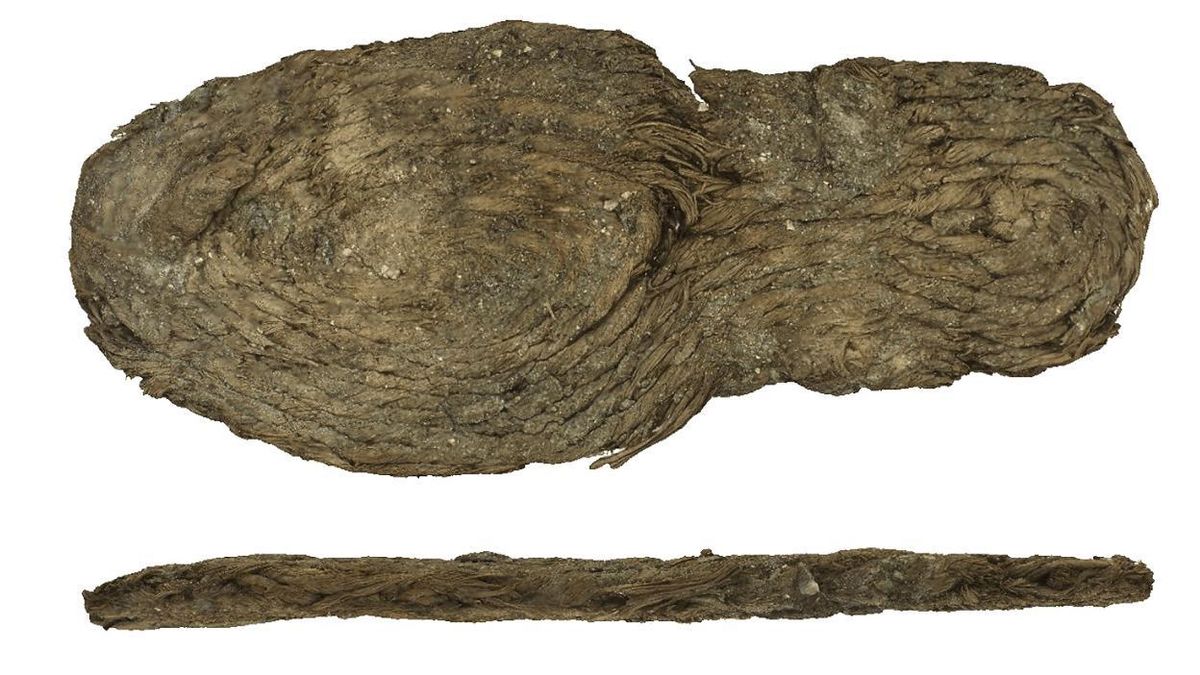
De la Edad del Hierro hasta Roma: las sandalias de esparto eran pieza clave en la minas de Riotinto Se han analizado ocho suelas de sandalias elaboradas con esparto y datadas entre hace 2.000 y 2.400 añosUn asentamiento de la Edad del Hierro en el sureste peninsular aparece arrasado tres veces y los arqueólogos han reconstruido qué ocurrió Las minas de Riotinto, en la provincia de Huelva, siguen proporcionando datos sobre la vida cotidiana de quienes trabajaron en uno de los complejos mineros más importantes de la antigua Hispania. Un estudio realizado por investigadores de la Universidad de Granada ha analizado ocho suelas de sandalias elaboradas con esparto y datadas entre hace 2.000 y 2.400 años, revelando que este tipo de calzado se utilizó de forma continuada desde la Edad del Hierro hasta la época romana. Las piezas fueron recuperadas en el enclave de Urium, dentro del antiguo distrito minero de Riotinto, concretamente en el sector Nuevo Filón Norte 1. Su extraordinario estado de conservación se debe a que aparecieron enterradas en dos grandes acumulaciones de ceniza procedentes de la limpieza de hornos metalúrgicos. Estas condiciones protegieron las fibras vegetales del paso del tiempo, un fenómeno poco habitual en arqueología y que ha permitido estudiar con gran detalle unos objetos de los que apenas se conservan. Mapa de ubicación de Riotinto, y del Nuevo Filón Norte 1. Un calzado resistente para un trabajo exigente Una de las principales aportaciones del estudio procede de la datación mediante carbono 14 realizada sobre tres de las sandalias. Los análisis muestran que pertenecen a momentos históricos diferentes: una corresponde al siglo I d. C., otra se sitúa entre los siglos II y I a. C., mientras que la más antigua se fecha entre los siglos IV y II a. C. Estas diferencias cronologicas demuestran que el mismo tipo de calzado permaneció en uso durante varios siglos, a traves de distintas etapas históricas. Las sandalias estaban fabricadas con cuerdas trenzadas de esparto, una fibra vegetal abundante en el suroeste de la península ibérica gracias a su resistencia y flexibilidad. El estudio ha permitido reconstruir parte del proceso de fabricación y constatar el elevado conocimiento técnico de los artesanos de la época. Las cuerdas más gruesas y homogéneas se destinaban a las zonas sometidas a mayor tensión y desgaste, mientras que las más finas se utilizaban en los amarres y en los elementos de unión, una elaboración cuidadosamente diseñada para prolongar la vida útil del calzado. Los investigadores consideran que estas sandalias ofrecían protección y un mejor agarre a los trabajadores en un entorno especialmente duro, caracterizado por terrenos irregulares, humedad y continuos desplazamientos dentro de las explotaciones mineras. Su permanencia durante varios siglos apunta a que se trataba de una solución eficaz y perfectamente adaptada a las necesidades de los que desarrollaban estos trabajos. Cuidando los objetos para no deteriorarlos Las excavaciones también han permitido recuperar otros objetos confeccionados con fibras vegetales, entre ellos cuerdas y cestas, conservados gracias a las mismas condiciones excepcionales del yacimiento. Para estudiar las sandalias sin deteriorarlas, el equipo recurrió a técnicas avanzadas como la Microscopía Electrónica de Barrido y la Microtomografía de Rayos X, herramientas que permitieron analizar la estructura interna de las fibras y conocer con precisión su sistema de fabricación. Gracias a estos métodos, los investigadores han podido documentar una tradición artesanal que perduró durante siglos y que destaca la importancia de las fibras vegetales en la economía y en la vida cotidiana de los antiguos distritos mineros del suroeste peninsular.
eldiario.es · about 4 hours ago
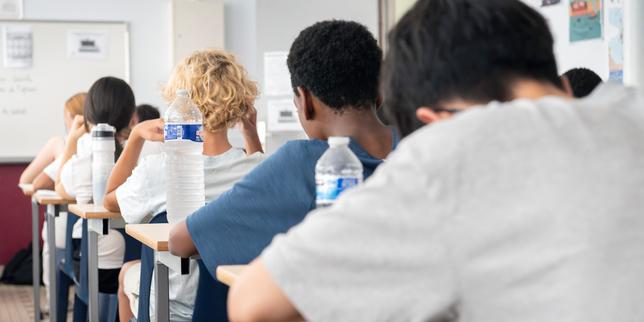
Résultats du brevet 2026 : 81,6 des élèves de troisième admis, une baisse historique de 3,9 points Lépreuve connaît un changement dans le mode de calcul des notes, qui a fortement influencé le taux de réussite.
le monde · about 4 hours ago
Kindheit: Was ist eine gute Kindheit? Eltern machen Fehler. Das Leben eines Kindes ist nie frei von Krisen. Doch was hinterlässt Spuren? Die Forschung hat Antworten, was eine gesunde Kindheit ausmacht.
die zeit · about 4 hours ago