Loading…
 Saturday, September 26Saturday, September 26
4 months · 3 summary articles
Iran rejects Sunday US deal signing as Tehran talks stall
Trump vows no troop withdrawal from Iran until peace deal: threatens to "totally destroy" Iran if talks fail
Trump threatens Iran with destruction if nuclear deal demands arent met.
President Donald Trump has ruled out any withdrawal of the roughly 50,000 U.S. troops currently deployed in the Persian Gulf until a definitive peace accord ends the 100-day-old war with Iran, telling NBC News on Sunday that he sees no imminent danger to American forces. “I do not consider them to be in any peril,” Trump said in an interview broadcast the same day, adding that a full withdrawal would only follow a comprehensive settlement ending hostilities.
The remarks come as the conflict—launched by Trump on 28 February under the code-name Operation Epic Fury—enters its fourth month, with more than 7,000 fatalities, mass displacement across southern Iran and Iraq, and the near-closure of the Strait of Hormuz pushing oil prices toward $120 a barrel. Iranian officials have privately indicated that the release of some $7 billion in frozen assets would help build the trust necessary for a lasting ceasefire, but Trump dismissed the idea, stating that sanctions relief would only be considered “after the ink is dry on a peace treaty.”
In parallel, Trump threatened to “totally destroy” Iran militarily and then enter the country to dismantle its nuclear infrastructure if negotiators fail to reach an agreement. “We will work together to destroy the uranium—if there is a deal,” he told Portuguese broadcaster Observador on Saturday. The White House has also floated using Iranian assets to compensate Gulf allies for war damage, a proposal that has strained relations with regional partners already frustrated by the prolonged stalemate.
Public discontent is rising in the United States, where polls show majority opposition to further military engagement. On Capitol Hill, lawmakers from both parties have begun drafting legislation that would cap troop levels in the region unless Congress authorises an extension. Meanwhile, Iranian negotiators continue to insist on a complete lifting of sanctions as a precondition for any talks, deepening the mutual mistrust that Petr Hladík, director of the Czech foreign ministry’s Middle East desk, calls “the single greatest obstacle to de-escalation.”
With neither side willing to concede key demands, diplomats privately warn that the fragile truce brokered in April could collapse within weeks, plunging the Gulf back into open conflict and further destabilising global energy markets.
Follow us for live European news
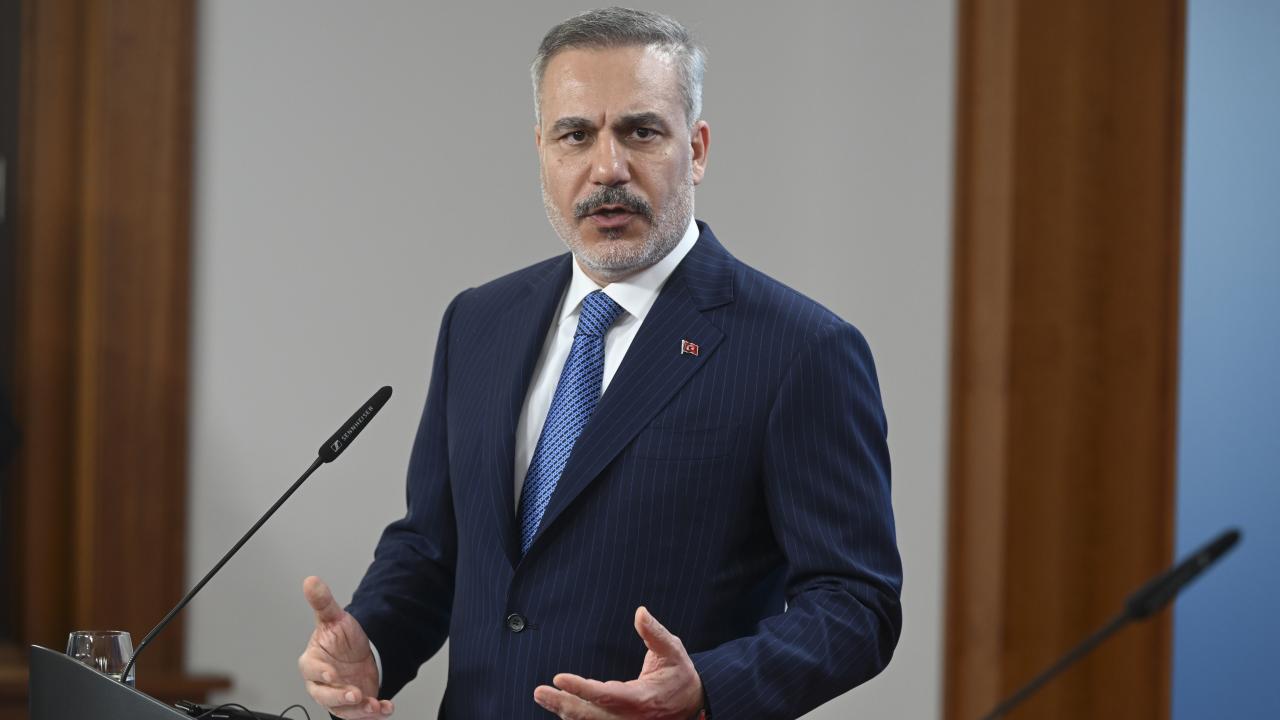
ABD - İran konusunda yakında iyi haberler alabiliriz - Son Dakika Haberleri
gdelt bot · 4 months ago

Trump ei vabasta Iraani varasid enne kokkuleppele jõudmist USA president Donald Trump ütles intervjuus NBC-le, et ei vabasta Iraani külmutatud varasid enne Teheraniga kokkuleppele jõudmist.
postimees · 4 months ago

16h. EUA e Irão vão trabalhar juntos para destruir urânio Isto se houver acordo. É o que diz Donald Trump, que ameaça destruir o Irão militarmente e depois disso entrar no país para destruir o urânio caso não haja acordo. Ainda, as eleições no Real Madrid.
observador · 4 months ago
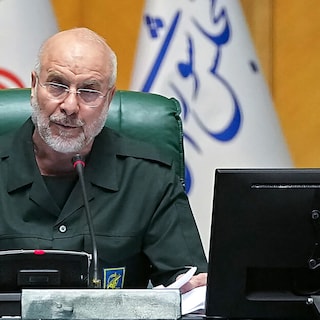
Live - Iran dreigt ermee Amerikaanse belangen aan te vallen na Israëlische aanval op Beiroet • Trump wil niet dat Iran kernwapens kan maken of kopen
de morgen · 4 months ago
Trump exclude retragerea trupelor americane din Iran fără un acord de pace: „Nu consider că sunt în vreun pericol Preşedintele american Donald Trump a afirmat, într-un interviu pentru NBC, că nu intenţionează să retragă cei aproximativ 50.000 de militari desfăşuraţi pentru războiul împotriva Iranului până când nu se va ajunge la o soluţionare definitivă a acestui conflict, relatează duminică agenţiile Reuters şi EFE.
digi24 · 4 months ago
Trump: Aufhebung der Iran-Sanktionen erst nach Friedensabkommen US-Präsident Donald Trump bestreitet, versprochen zu haben, keine neuen Kriege zu beginnen.
die presse · 4 months ago
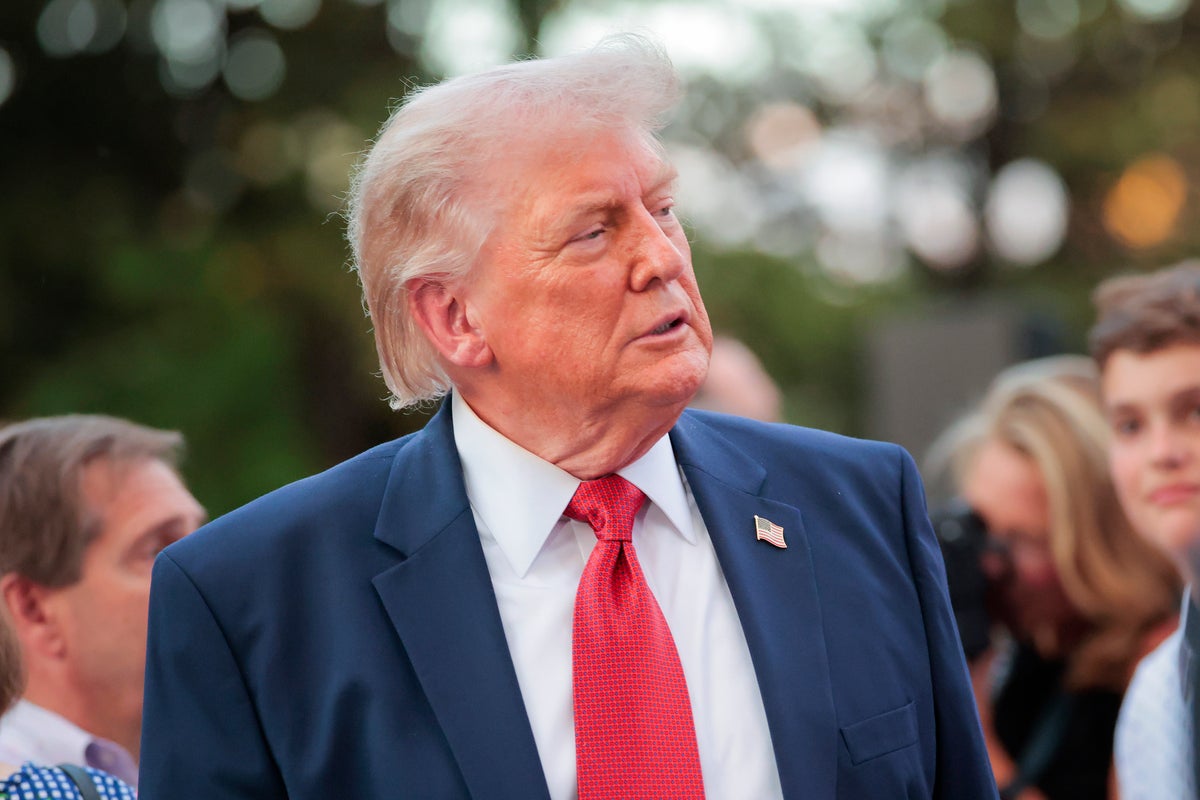
Iran-US war latest: Trump claims Iran is virtually decapitated as war enters 100th day Iran and the US have continued to trade strikes as the conflict enters its 100th day
independent · 4 months ago
Trump says will not unfreeze Iranian assets before ceasefire deal reached Iranian officials have indicated the release of funds would build trust needed to reach lasting deal ending war.
aljazeera · 4 months ago
US-Notenbank: Trump: Möchte keinen Einfluss auf neuen Fed-Chef ausüben US-Präsident Trump vertraut nach eigenen Worten auf die Entscheidungen des neuen Fed-Chefs Warsh. In puncto Zinsen spricht er dennoch eine klare Empfehlung aus.
handelsblatt · 4 months ago
Trump și trupele din Europa: o strategie cu milioane de dolari în joc. „Armata SUA și aliații europeni achită nota Directivele contradictorii ale președintelui american Donald Trump privind efectivele militare americane din Europa au perturbat planificarea militară, au creat confuzie în rândul aliaților NATO și au generat costuri neprevăzute de milioane de dolari. Anularea rotațiilor, schimbările bruște de poziție și orientările neclare din partea Pentagonului au pus presiune pe bugete, au afectat pregătirea trupelor și au destabilizat familiile militarilor. Oficialii avertizează că retragerile mai ample - în special din Germania - ar putea costa miliarde de dolari și dura ani de zile, arată, într-o analiză, Kyiv Post.
digi24 · 4 months ago
Opinion | A Bad Iran Deal Could Spark a Nuclear Arms Race To reassure regional allies, the U.S. needs to open the Strait of Hormuz and be poised to use force again.
wsj · 4 months ago
Iran war: 100 days on, a costly stalemate One hundred days after US President Trump launched Operation Epic Fury against Iran, the conflict has lasted far longer than expected, causing more than 7,000 deaths, mass displacement, and severe economic disruption driven by the near-closure of the Strait of Hormuz and soaring oil prices. Despite a fragile ceasefire, fighting continues with Iran proving more resilient than anticipated. Meanwhile nuclear negotiations have stalled and growing public disapproval is increasing political pressure on Trump.
france24 · 4 months ago
US weighs using Iranian assets to compensate Gulf allies for war damage Proposal comes as relations between Trump administration and regional partners have been strained by conflict
financial times · 4 months ago
Trump says he never promised no new wars I didnt promise anything, President Donald Trump said in an interview with NBCs Kristen Welker.
politico.eu · 4 months ago
Trump exclude retragerea celor 50.000 de soldați americani până la încheierea definitivă a războiului contra Iranului: „Ar fi necugetat Președintele american Donald Trump spune că nu intenționează să retragă cei aproximativ 50.000 de militari desfășurați pentru războiul împotriva Iranului până când nu se va ajunge la o soluționare definitivă a acestui conflict. El mai spune că numai după încheierea unui acord de pace ar putea accepta o relaxare a sancțiunilor împotriva Iranului și ar …
hotnews.ro · 4 months ago
SUA vor să afle informații privind instalațiile nucleare ale Iranului prin intermediul Agenției Internaționale pentru Energie Atomică Statele Unite fac lobby pe lângă alte ţări din Consiliul Guvernatorilor al Agenţiei Internaţionale pentru Energie Atomică (AIEA) să sprijine un proiect de rezoluţie care ar dispune Iranului să informeze acest organism cu privire la situaţia instalaţiilor sale nucleare bombardate anul trecut şi anul acesta de SUA şi Israel, precum a uraniului îmbogăţit depozitat acolo, …
hotnews.ro · 4 months ago
Trump már abban van, hogy ő soha nem mondta, hogy nem kezd új háborúkat „Akkor miért építettem volna fel a világ legerősebb hadseregét? Ami viszont Iránban van, az nem háború - talán csak különleges katonai művelet.
444.hu · 4 months ago
Opinion | Cmon President Trump, on Iran, Be the Man! Theres no reason to think Tehran will comply with any meaningful deal.
wsj · 4 months ago
Kuidas Hiina on säästnud maailma veelgi hullema energiakriisi eest? Kui Iraani sõja alguses hoiatasid eksperdid, et pärast Hormuzi väina sulgemist kerkib naftabarreli hind 120-150 dollarini, siis on hinnad liikunud pigem 100-105 dollari kandis. Miks pole karmid ennustused seni täitunud?
postimees · 4 months ago
Jednání jsou důvodem k opatrnému optimismu, říká Hladík sto dní po americko-izraelském útoku na Írán Americké síly v sobotu zasáhly íránská pobřežní radarová zařízení a sestřelily drony, které Írán vyslal směrem k zablokovanému Hormuzskému průlivu. Podle Teheránu tak USA porušily příměří z počátku dubna a Washington tím dal znovu najevo, že nemá zájem o zmírnění napětí. „Hlavní překážkou je velká míra nedůvěry, kterou má íránské vedení vůči Američanům, míní Petr Hladík, ředitel odboru Blízkého východu a Severní Afriky na ministerstvu zahraničí.
irozhlas.cz · 4 months ago