Loading…
 Sunday, August 16Sunday, August 16
Liechtenstein’s ruling princely house announced on Saturday a change to its succession rules, ending male primogeniture and allowing the firstborn child to inherit the throne regardless of gender.
The reform, disclosed during the principality’s National Day celebrations, replaces the previous system under which only the eldest son could ascend to the throne. A statement from the House of Liechtenstein said the shift to absolute primogeniture ensures the most prepared individual—whether male or female—will lead the country. “With this modification of the law, we want to guarantee that both the Principality of Liechtenstein and the Princely House are governed by the person best prepared for this task,” Prince Alois said in his address .
The change was formally announced by the dynasty itself, according to reports from AFP . Liechtenstein, a constitutional monarchy of roughly 40,000 people nestled between Austria and Switzerland, has been ruled by Prince Hans-Adam II since 1989, though his son, Hereditary Prince Alois, has handled most official duties since 2004.
Alois and his wife, Princess Sophie of Bavaria, have four children. Their eldest, Joseph Wenzel Maximilian Maria, born in 1995, remains the presumptive heir under the new rules. The princely family traces its origins to Lower Austria and acquired the territories of Vaduz and Schellenberg in 1699 and 1712, respectively, unifying them as the Principality of Liechtenstein in 1719 .
The reform makes Liechtenstein the latest European monarchy to adopt gender-neutral succession, following similar changes in other royal houses. The announcement came during traditional National Day festivities at Vaduz Castle, where hundreds of citizens gathered for the prince’s speech, a toast to the nation, and a reception .
Liechtenstein is not a member of the European Union but participates in the European Economic Area and the Schengen Zone. The principality’s economy and political structure remain distinct from its larger neighbors, with the ruling family maintaining significant influence over state affairs.
Follow us for live European news

Már nemcsak fiúgyerek örökölheti a lichtensteini trónt Az öröklési rendben a férfi elsőszülöttség jogát felváltja az abszolút elsőszülöttség. Ezzel azt szeretnék elérni, hogy a legfelkészültebb személy örökölje a trónt.
444.hu · about 9 hours ago
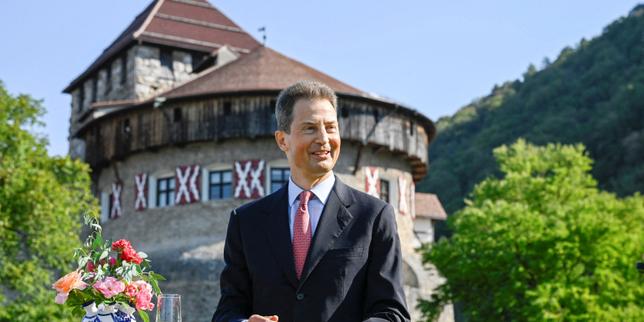
Liechtenstein changes its rules to allow women to inherit the Alpine principalitys throne Hereditary Prince Alois announced the change in his speech marking the countrys national day.
le monde · about 9 hours ago
Monarhia din Europa care schimbă ordinea de succesiune la tron. „De la primogenitura masculină la primogenitura absolută O casă princiară a Europei a anunțat, sâmbătă, instaurarea egalității de gen în succesiunea la tron. Astfel, tronul din Liechtenstein va fi moștenit de primul născut, indiferent dacă acesta este băiat sau fată, informează AFP. „Ordinea de succesiune la tron trece de la primogenitura masculină la primogenitura absolută. Asta înseamnă că pe viitor, primul născut …
hotnews.ro · about 9 hours ago
Rozhodovat už bude pouze věk. Lichtenštejnsko zavádí rovnost pohlaví v nástupnictví na trůn Lichtenštejnský vládnoucí rod v sobotu oznámil zavedení rovnosti pohlaví v nástupnictví na trůn. Dědicem a následně knížetem či kněžnou malé alpské země se tak nově stane nejstarší potomek bez ohledu na to, zda půjde o muže, či ženu. O změně rozhodla samotná dynastie, informovala agentura AFP.
irozhlas.cz · about 9 hours ago
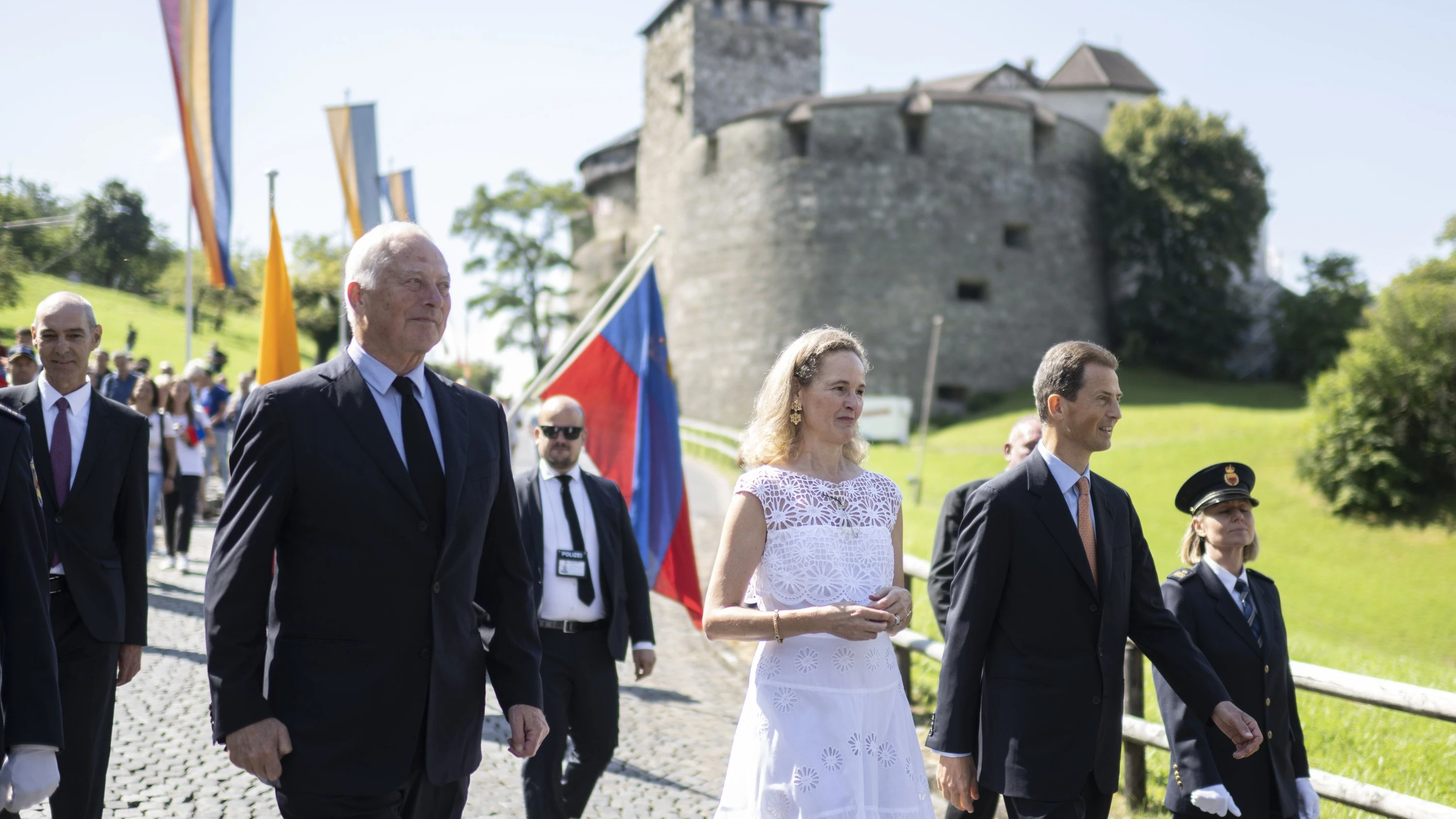
Geänderte Thronfolge: In Liechtenstein dürfen Frauen künftig Fürstin werden Im Fürstentum Liechtenstein durften bisher nur Männer den Thron besteigen. Nun soll sich das ändern. In absehbarer Zukunft dürfte es allerdings dennoch keine Fürstin geben.
faz · about 9 hours ago

Der Femizid an Hélène Rytmann-Legotien und Louis Althussers "Maskulinismus" Es dauerte 40 Jahre, bis der Femizid an der Soziologin durch den marxistischen Philosophen auch als solcher anerkannt wurde. In unveröffentlichten Texten schrieb er seine Abscheu für den Feminismus auf
der standard · about 9 hours ago

Diese Frau ist der Albtraum des „modernen Feminismus Warum ist sie weiß, warum blond, wie kann man im Barbie-Look so ein Amt bekleiden? Donald Trumps Sprecherin Karoline Leavitt ist ein Dorn im Auge des Feminismus. Selbst ihr Rücktritt provoziert.
welt.de · about 9 hours ago
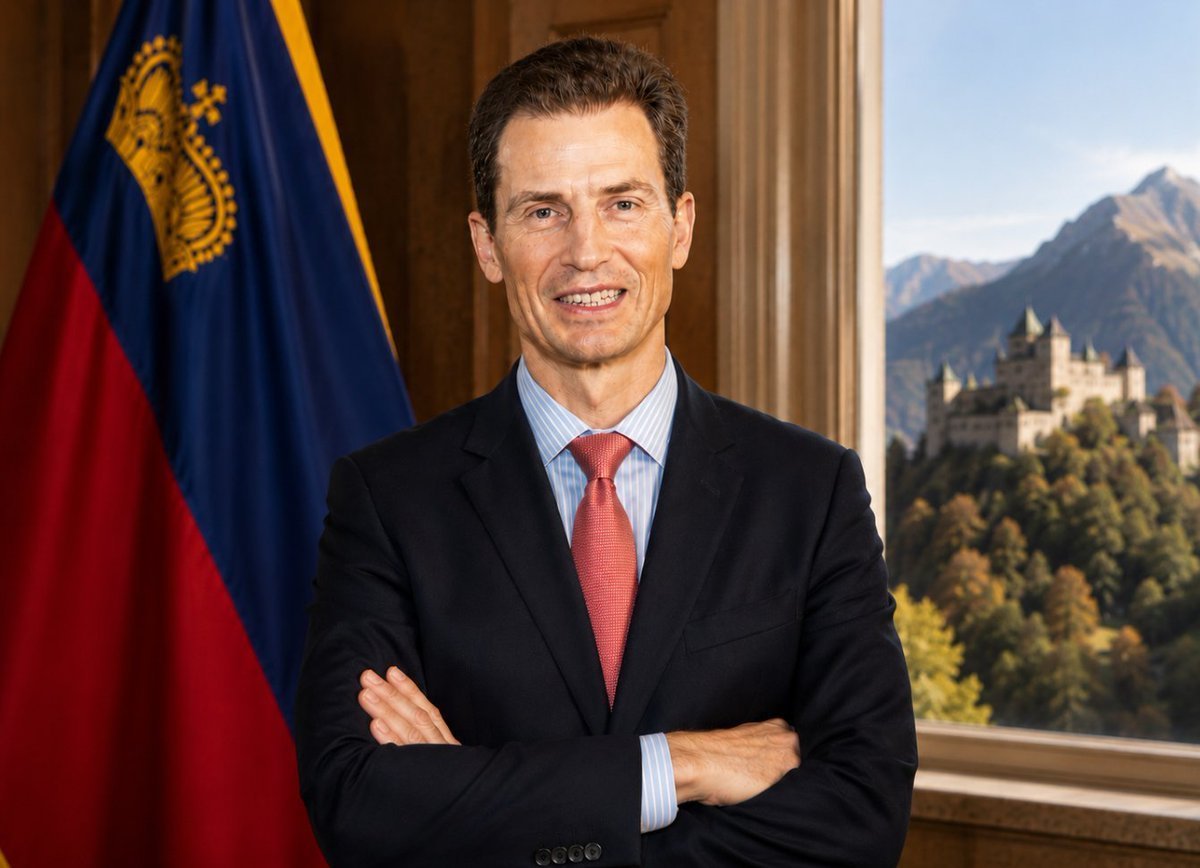
Bombazo histórico en Liechtenstein: el príncipe Alois anuncia que las mujeres podrán acceder al trono, en medio de una gran contestación ciudadana por su intransigencia con el aborto Se recogen casi 5.000 firmas para un referéndum que busca despenalizar la interrupción del embarazo. El regente ya ha advertido que vetaría una ley en ese sentido Leer
elmundo · about 10 hours ago
Liechtenstein: Frauen dürfen künftig Fürstin werden
orf.at · about 10 hours ago
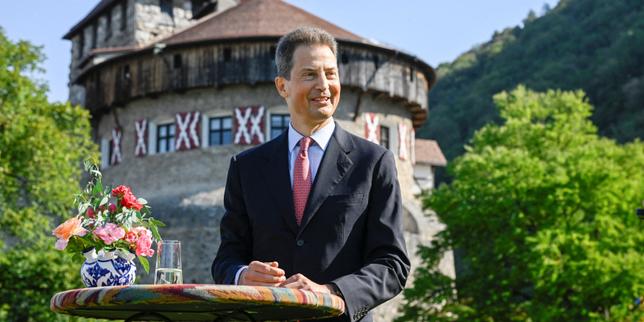
Le Liechtenstein adopte légalité hommes-femmes pour la succession au trône Le Liechtenstein est une monarchie constitutionnelle dirigée par le prince souverain Hans-Adam II depuis 1989, mais dont le fils, le prince héréditaire Aloïs, assure la régence et la gestion des affaires quotidiennes depuis 2004.
le monde · about 10 hours ago