
U.S. Supreme Court allows states to count mail-in ballots arriving after Election Day
The U.S. Supreme Court ruled 5-4 on Monday that states may count mail-in ballots arriving after Election Day if postmarked by the deadline, delivering a decisive rebuke to Republican efforts to restrict voting by mail. The decision, announced on 29 June 2026, upholds a Mississippi law allowing ballots postmarked by Election Day to be counted if received within five business days, directly contradicting a challenge led by former President Donald Trump and the Republican National Committee.
Writing for the majority, Justice Amy Coney Barrett wrote that federal law “sets no deadline for receipt,” rejecting the argument that Election Day marks the exclusive moment of democratic choice. “The electorate’s choice is made when voting is complete, not when ballots are received,” she wrote . Justices Samuel Alito, Clarence Thomas, Neil Gorsuch and Brett Kavanaugh dissented, with Alito warning the ruling “creates a serious risk of further undermining public confidence in our elections” .
Trump immediately condemned the decision on Truth Social, calling it a “tremendous loss” and urging the Senate to pass his SAVE America Act, a legislative priority aimed at tightening election rules . The ruling arrives as the court prepares to hear another Republican-backed case on Arizona’s proof-of-citizenship requirements, a move critics say targets voter access .
Military and overseas voter advocacy groups had warned that a contrary ruling could have exacerbated barriers for Americans abroad, whose ballots often arrive after Election Day due to postal delays. The decision is the latest in a trio of high-stakes election-related cases this term, following the court’s narrowing of a landmark voting rights law and a pending ruling on campaign finance restrictions .
Secretary of State Michael Watson of Mississippi defended the state’s grace period, arguing voters must finalize their choice by Election Day even if officials receive ballots later. The ruling effectively shields similar laws in other states, ensuring that millions of mail voters—particularly in battlegrounds with tight deadlines—will not be disenfranchised by postal delays.
Follow us for live European news
- 2
- 1
- 1
- 1
- 1
4 further sources not geolocated
Articles
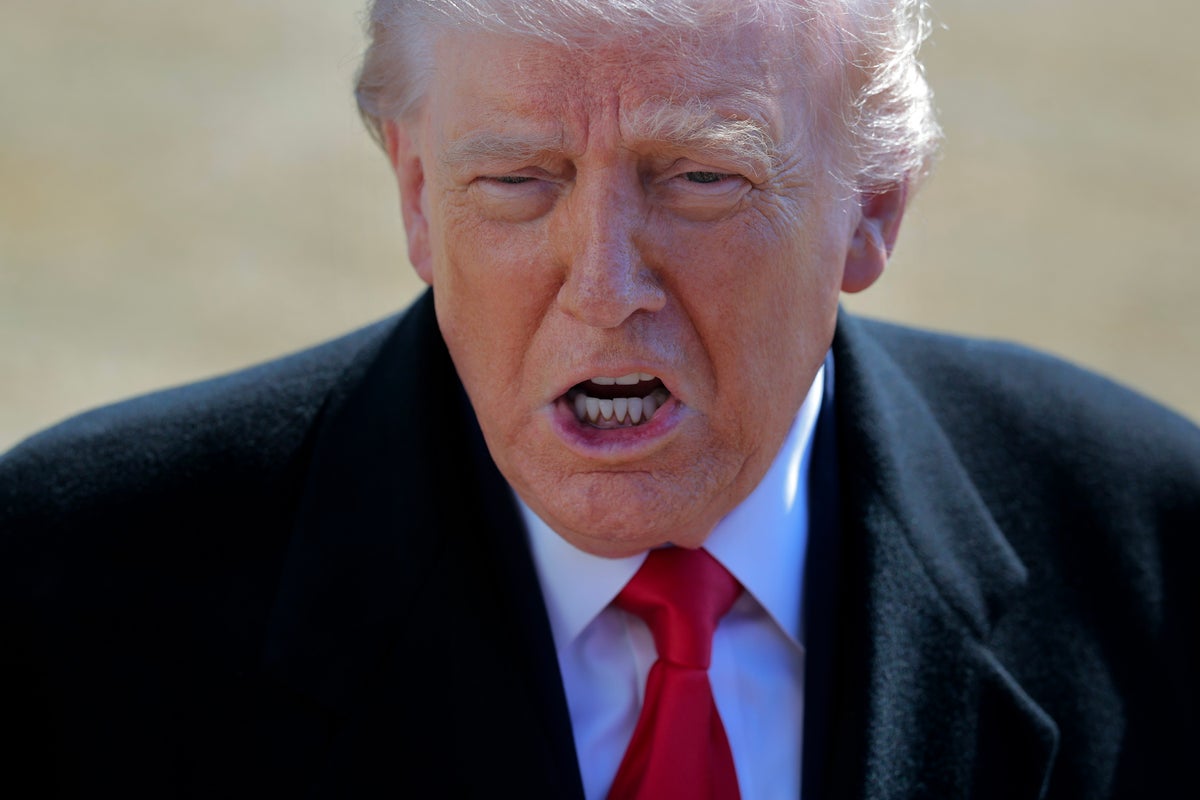
Trump rages over Supreme Court mail-in ballots smackdown: CHEATING! President lashes out after high court gives OK to mail-in ballots postmarked by Election Day but arriving after
independent · about 3 hours ago

US Supreme Court to Hear Republican Bid to Revive Arizona Voter Restrictions Washington, D.C., June 29, 2026 – Brussels Morning Newspaper — Election integrity laws are back before the U.S. Supreme Court after the justices agreed to hear a Republican-backed appeal seeking to revive Arizona voter restrictions that were blocked by lower federal courts. The case is expected to examine whether Arizona can enforce stricter proof-of-citizenship requirements for […]
brussels morning · about 3 hours ago
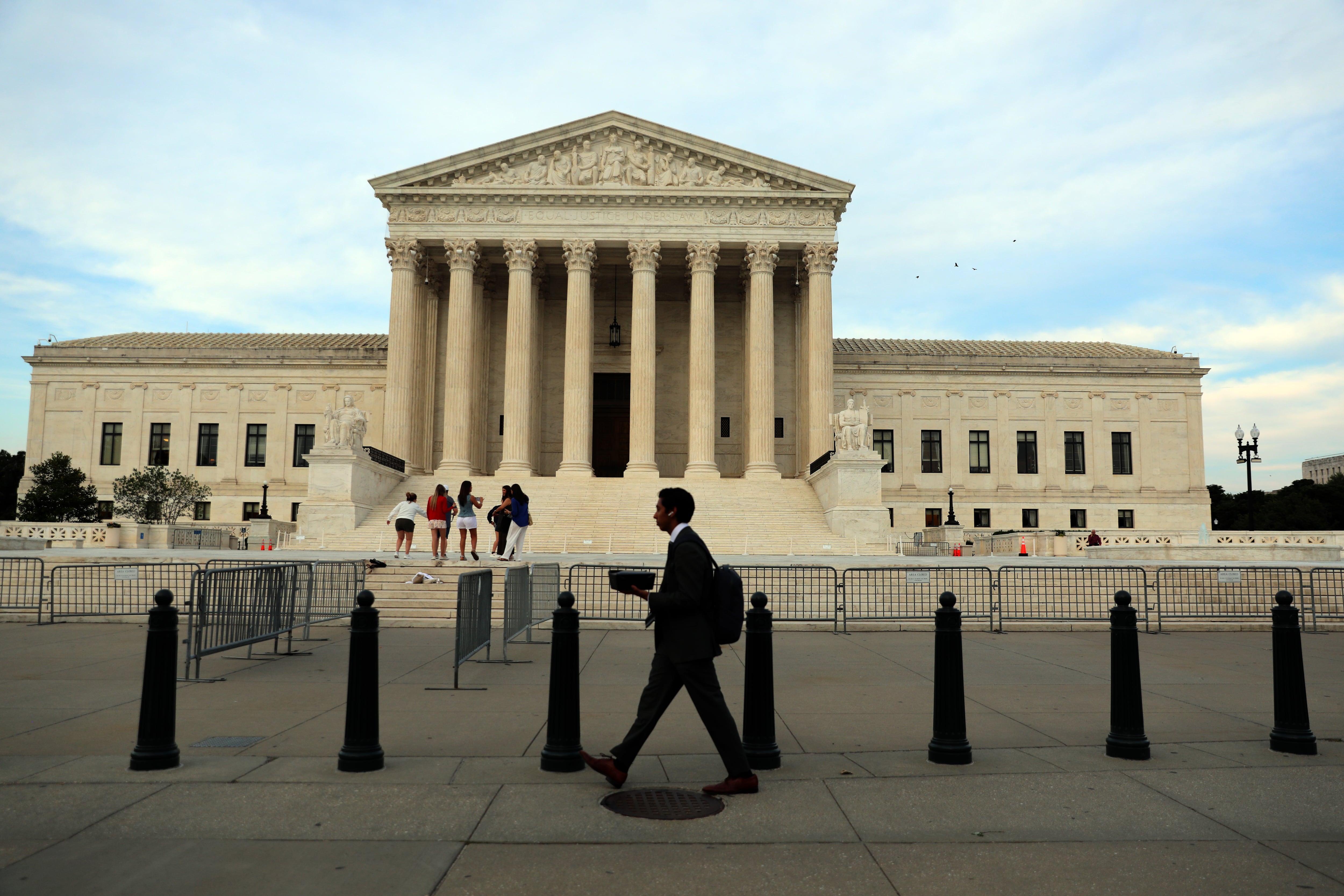
US Supreme Court is set to rule on cases that will define the limits of presidential power This week justices will rule on birthright citizenship, a case that touches the nations core, and decide whether Trump has the authority to remove a Fed governor
elpais · about 3 hours ago
JUST IN - U.S. Supreme Court rules 5-4 that states may count mail-in ballots arriving after Election Day if postmarked on time, rejecting the RNCs challenge to require all ballots be received by Election Day. Read here: @disclosetv
telegram_Disclose.tv · about 3 hours ago
![Supreme Court upholds grace period for late-arriving mail-in ballots The Supreme Court upheld a Mississippi law Monday that allows mailed ballots to be counted if they were postmarked by Election Day and received within five business days.The big picture: The justices ruling could protect voting in states with similar laws this November and is sure to feed President Trumps frequent criticism of voting by mail. The Trump administration backed the laws challengers, arguing that allowing states to count ballots received after Election Day undermines the integrity of federal elections.In a Truth Social post condemning the decision as a "tremendous loss," Trump called on the Senate to pass his top legislative priority, the SAVE America Act.Driving the news: The court ruled 5-4 to uphold Mississippis law, with Justices Samuel Alito, Clarence Thomas, Neil Gorsuch and Brett Kavanaugh dissenting.Mississippi Secretary of State Michael Watson defended the states ballot law, arguing voters need to make their final choice by Election Day, even if officials received the ballot days later.Catch up quick: Federal law sets the Tuesday after the first Monday in November as Election Day, language the 5th Circuit Court of Appeals seized on in ruling against Mississippis law.However, "The defining element of an election," Barrett wrote in the majority opinion, "has always been the electorates choice of candidate."She further explained, "[t]he electorates choice is made when voting is complete, not when ballots are received," and later concluded, "The election-day statutes say nothing about ballot receipt, and we cannot add to the words Congress chose."Military and overseas voter advocacy groups had warned a decision siding with the 5th Circuit could exacerbate "already significant barriers" to voters abroad.The other side: Dissenting, Alito argued the decision "creates a serious risk of further undermining public confidence in our elections and our system of self-government."Zoom out: The decision is part of a trio of blockbuster election cases the Supreme Court decided or is set to decide this term, along with its narrowing of a landmark voting rights law and a pending decision over a major GOP challenge to campaign finance restrictions.Go deeper: Supreme Courts final cases loom over Trumps immigration, election hopesEditors note: This story was updated to include President Trumps Truth Social post.](https://images.axios.com/HrnHl1fewJPTbtjLdcY4jTjt4YA=/0x0:8205x4615/1366x768/2026/06/23/1782220522787.jpeg)
Supreme Court upholds grace period for late-arriving mail-in ballots The Supreme Court upheld a Mississippi law Monday that allows mailed ballots to be counted if they were postmarked by Election Day and received within five business days.The big picture: The justices ruling could protect voting in states with similar laws this November and is sure to feed President Trumps frequent criticism of voting by mail. The Trump administration backed the laws challengers, arguing that allowing states to count ballots received after Election Day undermines the integrity of federal elections.In a Truth Social post condemning the decision as a "tremendous loss," Trump called on the Senate to pass his top legislative priority, the SAVE America Act.Driving the news: The court ruled 5-4 to uphold Mississippis law, with Justices Samuel Alito, Clarence Thomas, Neil Gorsuch and Brett Kavanaugh dissenting.Mississippi Secretary of State Michael Watson defended the states ballot law, arguing voters need to make their final choice by Election Day, even if officials received the ballot days later.Catch up quick: Federal law sets the Tuesday after the first Monday in November as Election Day, language the 5th Circuit Court of Appeals seized on in ruling against Mississippis law.However, "The defining element of an election," Barrett wrote in the majority opinion, "has always been the electorates choice of candidate."She further explained, "[t]he electorates choice is made when voting is complete, not when ballots are received," and later concluded, "The election-day statutes say nothing about ballot receipt, and we cannot add to the words Congress chose."Military and overseas voter advocacy groups had warned a decision siding with the 5th Circuit could exacerbate "already significant barriers" to voters abroad.The other side: Dissenting, Alito argued the decision "creates a serious risk of further undermining public confidence in our elections and our system of self-government."Zoom out: The decision is part of a trio of blockbuster election cases the Supreme Court decided or is set to decide this term, along with its narrowing of a landmark voting rights law and a pending decision over a major GOP challenge to campaign finance restrictions.Go deeper: Supreme Courts final cases loom over Trumps immigration, election hopesEditors note: This story was updated to include President Trumps Truth Social post.
axios · about 3 hours ago

Supreme Court rules states can count late-arriving mailed ballots, rejecting Trump-led challenge
news.yahoo.com · about 3 hours ago
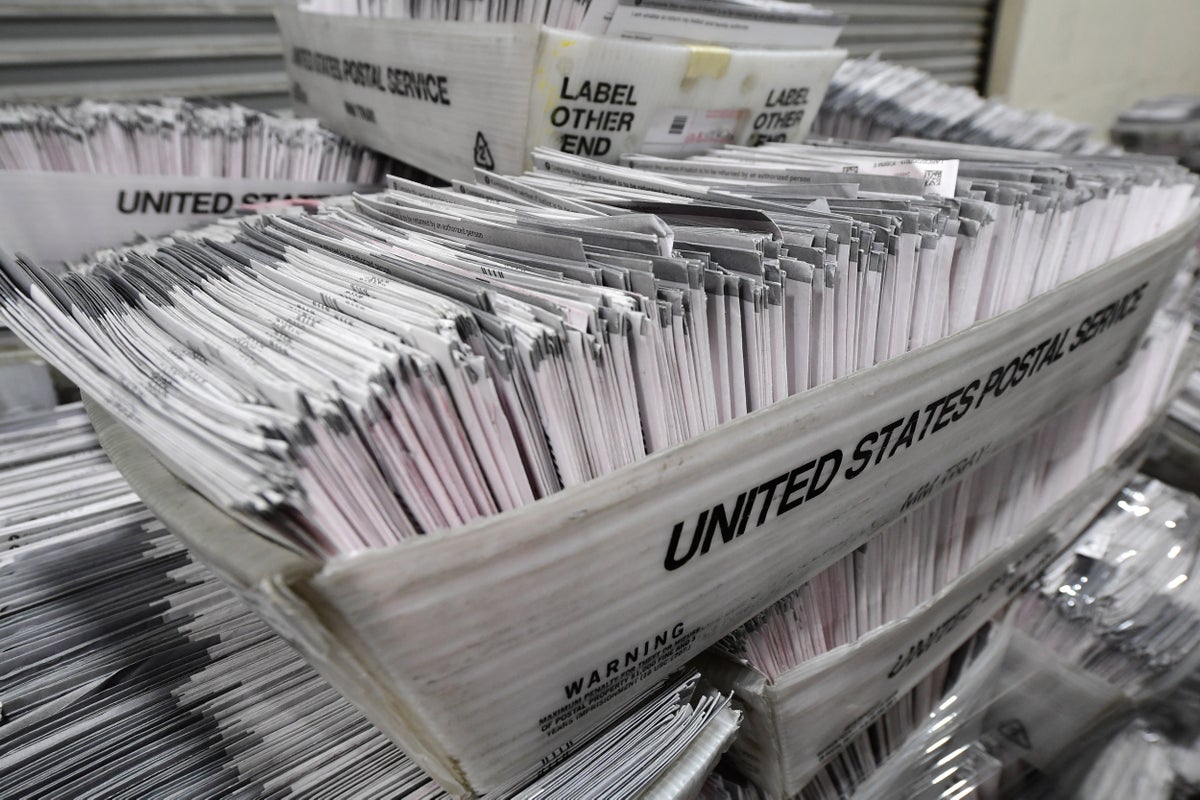
Supreme Court delivers big blow to Trumps plan to limit mail-in voting Chief Justice John Roberts and Justice Amy Coney Barrett sided with the courts three liberal justices
independent · about 3 hours ago
BREAKING: US Supreme Court endorses grace periods for mail-in ballots reut.rs/4oS5qNL
bluesky_Reuters · about 3 hours ago
From booze-filled parties to mail ballots: how did American voting actually evolve? How U.S. elections have changed over 250 years
politifact · about 3 hours ago
USA: Supreme Court lehnt Trumps Vorstoß zur Briefwahl ab Das oberste US-Gericht hat die Regeln zur Briefwahl gestärkt und damit Präsident Trump eine juristische Niederlage beschert. In einer anderen Sache bekam Trump Recht.
die zeit · about 3 hours ago

Supreme Court will weigh Trump-backed Republican push to enforce Arizona voting laws
news.yahoo.com · about 3 hours ago

US Supreme Court to issue final rulings of term on Tuesday reut.rs/4vNzcWg
bluesky_Reuters · about 3 hours ago
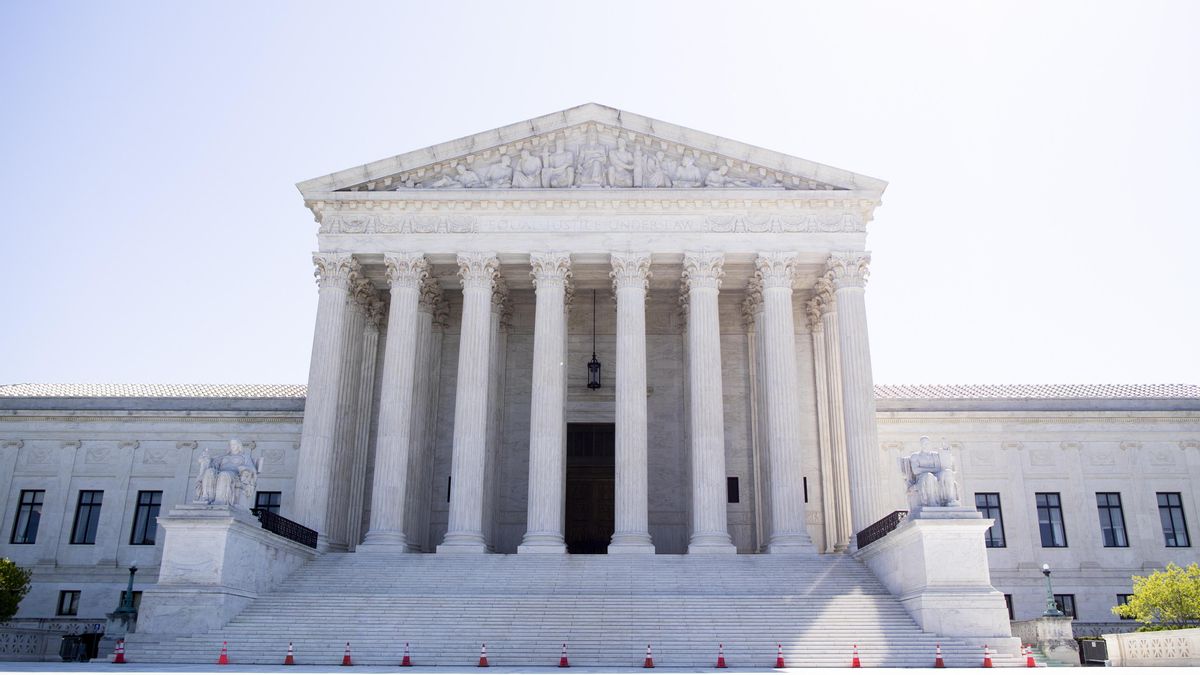
El Supremo de EEUU falla contra los republicanos y avala el período de gracia para el voto por correo El tribunal sostiene que las leyes federales relativas al día de las elecciones no prevalecen sobre una ley de Misisipi que permite el recuento de los votos por correo siempre que tengan matasellos de fecha igual o anterior al día de las elecciones y se reciban en los cinco días siguientes a dicho día Derrota del Partido Republicano. El Tribunal Supremo de EEUU ha fallado este lunes que las leyes federales relativas al día de las elecciones no prevalecen sobre una ley de Misisipi que permite el recuento de los votos por correo siempre que tengan matasellos de fecha igual o anterior al día de las elecciones y se reciban en los cinco días siguientes a dicho día. La jueza Amy Coney Barrett señala que las leyes relativas al día de las elecciones no establecen un plazo límite para la recepción de las papeletas, por lo que no impiden que Misisipi cuente las papeletas con matasellos posterior al día de las elecciones pero que se hayan recibido posteriormente.
eldiario.es · about 4 hours ago