
Trump threatens to raise tariffs on Canada over wildfire smoke spreading across U.S

Story Timeline
1 day · 3 summary articles
Trump threatens to raise tariffs on Canada over wildfire smoke spreading across U.S
Trump threatens Canada with new tariffs over wildfire smoke, blames "willful negligence"
ContinuationCanadian wildfire smoke blankets US cities as hazardous air shuts beaches and postpones games
President Donald Trump on Friday blamed Canada for wildfire smoke spreading across the United States and said he would add the "incalculable cost" of dealing with the pollution to existing tariffs on Canadian goods. Heavy smoke from hundreds of Canadian fires enveloped a swath of the U.S. from the Midwest to the Northeast on Thursday and Friday, prompting warnings to residents to stay indoors.
Trump, who has a combative relationship with Prime Minister Mark Carney, said he would be calling the Canadian leader to find out what he planned to do about the "totally unacceptable" situation. "We are holding Canada responsible for the fact that they are not properly maintaining their Forests ... and the United States is being unnecessarily invaded by filthy, polluted, and unhealthy air," he said in a Truth Social post. "This is Willful Negligence, and becoming a yearly occurrence, costing the United States Billions of Dollars, which cost of this pollution must of necessity be added to the TARIFFS Canada is currently paying."
Canada's minister of emergency management and community resilience, Eleanor Olszewski, said the government has invested C$12 billion ($8.56 billion) in forest sustainability and fire prevention since 2020 as the country faces increasingly drier, warmer weather. She also cited a long history of U.S.-Canadian partnership in fighting wildfires on both sides of their border. "At this time, our first priority is protecting Canadians and keeping communities safe," Olszewski said in a statement.
Climate experts say rising temperatures have led to drier timber and more wildfires in recent years in Canada, home to some of the world's largest forest landscapes. "As our climate warms, we're seeing ... more extreme weather, and we're going to see more fire," said Mike Flannigan, a professor of wildland fire at Thompson Rivers University in British Columbia.
Shortly after taking office in 2025, Trump imposed tariffs on several key imports from Canada. Carney's office did not immediately respond to a request for comment on Trump's remarks. Carney said on Thursday the United States could do more to combat climate change that is leading to more prolonged drought and rising temperatures around the world. The two men are likely to meet at the FIFA World Cup final in New Jersey on Sunday.
Many blazes this year are in the giant province of Ontario and are concentrated in the remote and sparsely populated northwest, where the only mode of transport is via air. According to the Canadian Wildland Fire Information System, approximately 955 fires were active in Canada on Saturday, with the majority out of control. Over 190 of these fires are burning in the province of Ontario, some of which are also unchecked.
In the United States, air quality warnings were issued in major cities such as Chicago, Minneapolis, and New York City due to the smoke from the Canadian wildfires. The pollution has raised concerns ahead of Sunday's World Cup final at the open-air stadium in New Jersey.
Republican lawmakers echoed Trump's sentiments, with four U.S. representatives from the Midwest writing a letter to Canadian government officials, stating that their "patience is at an end." They accused the Canadian government of inaction on issues such as "chronic underinvestment in forest thinning, fuel reduction, and controlled burns, as well as inadequate law enforcement for arson."
Ontario Premier Doug Ford responded to the criticism by stating that politicians should send help instead of making accusations. "Instead of pointing fingers, politicians should send help," Ford said, adding that Ontario has been assisting American friends.
The wildfires in Canada have destroyed approximately three million hectares of forest so far this year, an area roughly the size of the German state of Brandenburg. In recent years, Canada has experienced an increase in the number and severity of wildfires, which experts attribute to climate change.
The situation remains tense as both countries navigate the immediate health impacts of the smoke and the broader implications for their relationship and environmental policies.
Follow us for live European news
- 2
- 2
- 2
- 2
- 1
- 1
- 1
- 1
- 1
- 1
- 1
2 further sources not geolocated
Articles

Canada wildfires affect air quality before World Cup final More than 800 wildfires are burning across Canada, including around 190 in northern Ontario, with the surge in fires largely attributed to climate change. Thick smoke has created hazardous air quality across parts of Canada and several US states, including Minnesota, Illinois, Michigan and New York. Donald Trump has blamed Canada for its forest management and threatened additional tariffs. For more, were joined by Akaash Maharaj, Director of Policy at Nature Canada.
france24 · about 3 hours ago
Trump blames Canada for wildfire smoke; says he will add cost to tariffs President Donald Trump on Friday blamed Canada for wildfire smoke spreading across the United States and said he would add the "incalculable cost" of dealing with the pollution to existing…
japantoday · about 3 hours ago
„SUA sunt invadate de un aer murdar: Trump amenință Canada cu noi taxe vamale din cauza fumului provocat de incendiile de vegetație Președintele american Donald Trump a amenințat că va impune noi taxe vamale Canadei, acuzând autoritățile de la Ottawa de „neglijență deliberată, după ce fumul produs de sute de incendii de vegetație a afectat calitatea aerului în mai multe orașe din nordul Statelor Unite.
digi24 · about 3 hours ago
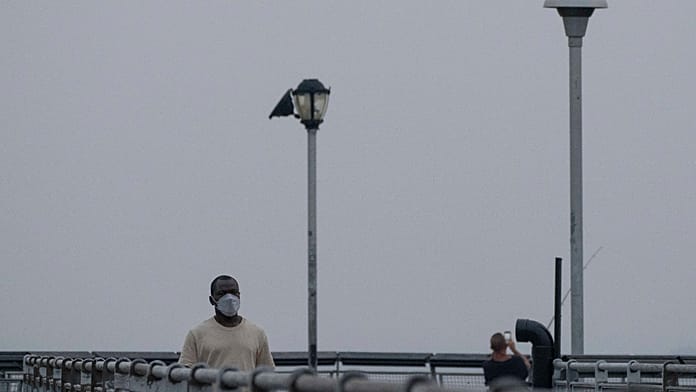
Wildfires: how to protect your lungs from harmful smoke The smoke of wildfires can travel hundreds of kilometres, degrading air quality and posing health risks for those living miles away. Heres what to know to stay safe.
euronews · about 3 hours ago
US-Präsident wirft Nachbarn „grobe Fahrlässigkeit vor: Trump droht Kanada wegen Waldbränden mit Konsequenzen Die giftige Luft aus dem Norden belastet auch US-Großstädte. Fachleute sehen als Ursache der Naturkatastrophe ebenfalls politische Versäumnisse – wenn auch auf einer anderen Ebene als Trump.
tagesspiegel · about 3 hours ago
Sondaj CNBC: Pesimismul economic al americanilor atinge cel mai ridicat nivel din ultimii doi ani. Trump, tot mai criticat Pesimismul privind economia SUA a atins cel mai ridicat nivel de la sfârșitul anului 2023, arată un sondaj CNBC, care indică și o creștere a nemulțumirii față de modul în care președintele Donald Trump gestionează economia, inflația și costul vieții.
digi24 · about 3 hours ago
Trump az erdőtüzek füstje miatt is vámot vetne ki Kanadára Kutatók szerint az éghajlatváltozás hatására nőtt meg az erdőtüzek gyakorisága.
hvg.hu · about 3 hours ago

🇺🇸 🇨🇦 🔥 US President Donald Trump has threatened a tariff increase on Canada to cover the cost of smoke pollution from wildfires that have choked large parts of the United States ➡️ u.afp.com/Sr5W
bluesky_AFP English · about 3 hours ago

Its not just your lungs that can be impacted by the Canadian wildfire smoke Wildfire smoke exposure is linked to tens of thousands of deaths in the U.S.
independent · about 3 hours ago
Trump süüdistas Kanadat metsatulekahjudes ja kaalub tariifide kehtestamist President Donald Trump ähvardas reedel kehtestada Kanadale tollimaksud vastuseks metsatulekahjude suitsu eest, mis USAsse jõudnud on. Veel ei ole selge, kas tal on sellise maksu kehtestamiseks õiguslik alus, kirjutab The Washington Post.
postimees · about 3 hours ago
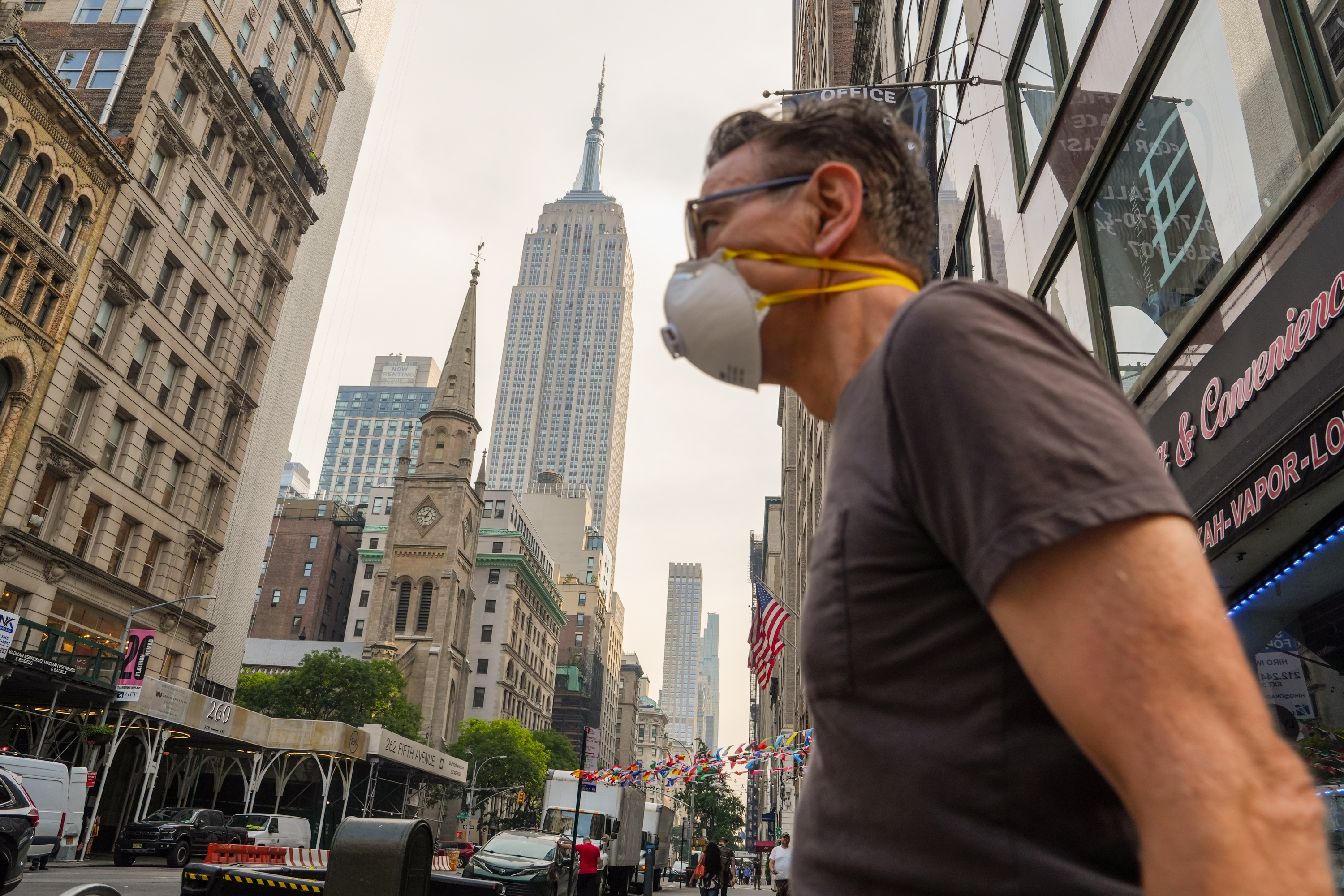
Trump ataca a Canadá por la mala calidad del aire que amenaza la final del Mundial en Nueva York El presidente acusa al país coorganizador de "negligencia deliberada" por los 858 incendios que han creado un intensa capa de smog en EEUU Leer
elmundo · about 3 hours ago
Trump will Geld von Kanada für Waldbrände Wegen der schweren Waldbrände in Kanada droht US-Präsident Donald Trump seinem Nachbarland mit Konsequenzen. Für die Luftverschmutzung, die sich auch in verschiedenen US-Metropolen zeigt, müssen die den USA entstandenen Kosten ersetzt werden, so Trump. In Kanada wüten mit Stand Samstag über 900 Brände, die Situation bleibt angespannt.
orf.at · about 3 hours ago
Naturschutz: Trump-Regierung weicht Artenschutzgesetz noch weiter auf Künftig sollen wirtschaftliche Interessen und Sicherheitsfragen wichtiger werden als der Schutz bedrohter Arten. Naturschützer warnen vor gravierenden Folgen. mehr...
taz.de · about 3 hours ago
„Katastrophe für gefährdete Arten: Trump höhlt Artenschutzgesetz weiter aus – Vorrang für wirtschaftliche Interessen Die US-Regierung will künftig wirtschaftliche Fragen und nationale Sicherheit bei der Entscheidung über Naturschutzgebiete stärker berücksichtigen. Umweltschützer sind entsetzt.
tagesspiegel · about 3 hours ago
Trump diz que vai somar às tarifas o custo do fumo dos incêndios no Canadá Presidente dos EUA diz que o seu país está a ser invadido por ar imundo. Canadá afasta acusações de negligência e insta Washington a fazer mais contra as alterações climáticas.
publico · about 3 hours ago
Trump most az erdőtüzek füstje miatt fenyegette meg újabb vámokkal Kanadát „Ha nem akartok az 51. állammá válni, tanuljátok meg kezelni az erdeiteket - szól a republikánus fenyegetés.
444.hu · about 3 hours ago
Donald Trump blames Canada for smoke pollution More than 800 wildfires are burning across Canada, including around 190 in northern Ontario, with the surge in fires widely linked to climate change. Thick smoke has created hazardous air quality not only across parts of Canada but also in several US states, including Minnesota, Illinois, Michigan and New York. The pollution has raised concerns ahead of Sundays World Cup final at the open-air stadium in New Jersey. Meanwhile, Donald Trump has blamed Canada for its forest management and threatened additional tariffs.
france24 · about 4 hours ago
Trump wirft Kanada wegen Waldbränden „Fahrlässigkeit vor und droht mit neuen Zöllen Kanadas Waldbrände kostete den USA Milliarden, sagt der US-Präsident. Das Finale der Fußball-WM muss aufgrund der Luftverschmutzung eventuell verschoben oder verlegt werden.
die presse · about 4 hours ago
Trump za dim, ki se širi iz gozdnih požarov, krivi Kanado in ji grozi z zvišanjem carin Ameriški predsednik Donald Trump je Kanado obtožil, da je odgovorna za dim, ki se zaradi obsežnih gozdnih požarov širi iz Kanade nad severovzhodni del ZDA. Kanadi je zagrozil, da bo stroške onesnaženja prištel carinam in jih tako zvišal.
rtv slovenia · about 4 hours ago
Canada : plus de 200 feux de forêt hors de contrôle, leurs fumées menacent la finale du Mondial dimanche Les incendies brûlent principalement en Ontario, de lautre côté de la frontière américaine. Au total, près de 2,8 millions dhectares ont été réduits en cendre depuis le début de lannée au Canada.
liberation · about 4 hours ago