
Costineti station closure forces holidaymakers to walk: delays mar Black Sea travel
Story Timeline
4 months · 2 summary articles
Councils race to secure 1 billion housing funding before June 30 deadline
Costineti station closure forces holidaymakers to walk: delays mar Black Sea travel
The summer season has begun with a jarring note for holidaymakers heading to Romania’s Black Sea coast. The long-awaited reopening of Costinești Tabără station, a key gateway to the Tineretului resort, has been postponed yet again, leaving travellers to cover the final three kilometres on foot after disembarking from trains that no longer stop there. Local authorities now estimate the rehabilitation works will be completed only by the end of August, well into the peak holiday season.
“It’s an inconvenience, I won’t deny it,” admitted one tourist who walked the route last week. The station, a modest but historic halt on the Constanța–Mangalia line, has been closed since March for structural repairs and platform upgrades. Rail operator CFR Marfă has rerouted services to nearby stations, forcing passengers to rely on taxis, buses, or, in many cases, their own legs. The delay is the latest in a string of setbacks for Romania’s beleaguered rail network, where chronic underinvestment has left regional lines struggling to meet modern standards .
Meanwhile, Romania’s capital is grappling with a different kind of transport crisis. The A0 North ring road around Bucharest is on track to open this year, but three critical interchanges near Chitila, Mogoșoaia, and Buftea remain unfinished. Transport Secretary Horațiu Cosma has accused the National Road Infrastructure Company (CNAIR) of failing to deliver the junctions on schedule, leaving local residents with a half-built highway that offers no practical benefit. “The road will be ready, but it won’t serve anyone,” Cosma told reporters. CNAIR countered that land expropriations and environmental assessments had slowed progress, but acknowledged the delays were unacceptable .
Across Europe, similar stories of delayed infrastructure projects are playing out. In Antwerp, the decade-long Oosterweel ring road project—dubbed the “construction site of the century”—has seen costs balloon to €10 billion, with completion now pushed back to at least 2028. Belgian authorities admit the tunnel under the Scheldt River, originally scheduled for 2018, will not open before 2029 at the earliest .
Closer to home, Timișoara’s ring road has become a black spot for road safety. Since its inauguration 18 months ago, the beltway has seen a surge in accidents, including three fatal crashes in recent months. Drivers complain of poor signage and reckless lane changes, while local officials have added more road signs—with little effect. “The infrastructure simply wasn’t designed for the volume of traffic it now carries,” said a city traffic engineer who asked not to be named.
As Europe’s holiday season kicks off, the message is clear: whether by rail, road, or ring road, the Continent’s transport networks are straining under the weight of delayed upgrades and unmet demand.
Follow us for live European news
Articles

Un șofer prins cu peste 100 km/h la intrarea în Sibiu și-a anulat toate sancțiunile în instanță. Cum a convins judecătorii Șoferul fusese prins de radar, în 2023, în timp ce conducea cu 102 km/h pe o strada cu limită de viteză 50 km/h. După ce a primit amendă și suspendarea permisului, bărbatul s-a adresat instanței. Judecătorii au pronunțat recent o decizie defintivă în acest caz, citată de Turnul Sfatului. Totul a început pe 11 mai …
hotnews.ro · 4 months ago
O porțiune de autostradă de lângă Capitală va fi gata, dar nu are niciun nod rutier terminat la timp. Un secretar de stat și compania de drumuri se acuză reciproc Trei conexiuni esențiale lipsesc din proiectul autostrăzii de centură București A0 Nord, Lotul 1, astfel că, deși autostrada va fi gata anul acesta, locuitorii din Chitila, Mogoșoaia și Buftea nu vor putea circula pe autostradă în lipsa acestor trei noduri rutiere, spune secretarul de stat în Transporturi Horațiu Cosma, care acuză CNAIR. La rândul ei, …
hotnews.ro · 4 months ago
Šampionát v sehranosti. Liberec hostil závod vodících psů v městském provozu, soutěž edukovala veřejnost Bílá slepecká hůl a k ní čtyřnohý chlupatý průvodce. Liberec v sobotu po celý den hostil Mistrovství republiky vodicích psů pro nevidomé. Letos už po desáté. Soutěž prověřuje sehranost zrakově postižených a jejich psů za běžného městského provozu. Jak těžké je se po městě pohybovat, když člověk nevidí, si mohl vyzkoušet každý.
irozhlas.cz · 4 months ago

Jugábamos entre las columnas del parking: así fue la infancia en La Pedrera de Tere Yglesias Mientras centenares de turistas visitan cada día la Casa Milà, Tere Yglesias y Ana Viladomiu son las dos últimas inquilinas que resisten en el inmueble
la vanguardia · 4 months ago
Rutina zilnică constantă ar putea încetini procesul de îmbătrânire biologică (studiu) Un program constant de odihnă şi activitate ar putea contribui la încetinirea îmbătrânirii biologice, potrivit unui nou studiu. Cercetătorii spun că organismul pare să funcţioneze mai bine atunci când programul zilnic rămâne predictibil şi aliniat ritmului natural al organismului.
digi24 · 4 months ago
Bucureștiul, printre cele mai nefericite orașe din lume. Ce loc ocupă capitala României în topul Happy Index 2026 Bucureștiul se află la coada clasamentului mondial Happy City Index 2026, unul dintre cele mai ample studii dedicate calității vieții urbane. Capitala României ocupă locul 248 din 251 de orașe analizate, fiind astfel al patrulea cel mai slab clasat oraș din lume în ediția din acest an. Cu un scor de 4.994 de puncte, Bucureștiul este depășit doar de Guadalajara (Mexic), Nashville (SUA) și Dallas (SUA), care ocupă ultimele trei poziții ale clasamentului.
digi24 · 4 months ago
„E haotic. Accidente în lanț pe șoseaua de centură a unui mare oraș. Drumarii au suplimentat indicatoarele rutiere, însă fără succes Centura Timișoarei, inaugurată în urmă cu un an și jumătate, a ajuns la un punct critic pentru trafic și siguranță rutieră. Accidentele grave tot mai dese, manevrele riscante și blocajele frecvente scot la iveală limitele acestei șosele. Drumarii au suplimentat indicatoarele rutiere, însă fără succes. Trei persoane și-au pierdut viața în ultimele luni. Șoferii cer măsuri suplimentare de siguranță.
digi24 · 4 months ago
Călătorie în timp cu trenul. Zeci de colecționari, din patru țări, au reconstituit împreună istoria feroviară a ultimelor două secole Aproape două secole de istorie feroviară comprimate în câteva sute de metri pătrați. La Arad, pasionații de trenuri au construit o lume în miniatură, în care locomotivele cu aburi circulă alături de garnituri moderne de mare viteză. Expoziția interactivă „Călătorie cu trenul la Arad a adus laolaltă zeci de colecționari din patru țări europene, într-un eveniment unic pentru România.
digi24 · 4 months ago
„E un disconfort. Gara Costinești Tabără rămâne închisă, din cauza lucrărilor de reabilitare întârziate. Ce opțiuni au turiștii Deși sezonul estival a început, lucrările de reabilitare a gării Costinești Tabără nu sunt încă gata. Din acest motiv, turiștii care ajung în Stațiunea Tineretului trebuie să meargă aproximativ trei kilometri pe jos. „E un disconfort, recunosc cei care au parcurs deja drumul la pas. Autoritățile estimează că lucrările vor fi gata până la sfârșitul verii.
digi24 · 4 months ago
Hotelurile de lux din Dubai au găsit o soluție la lipsa de turiști: „În weekend-uri avem peste 90 grad de ocupare Vile pe piloni, piscine „infinite și plaje private la prețuri reduse: din lipsă de turiști, hotelurile din Dubai se orientează către clienții locali, care acum au căpătat acces la acest nivel de lux în plin război din Orientul Mijlociu, notează AFP. Pe insula artificială Palm Jumeirah, simbol al opulenței emiratului din Golf, vastele holuri de …
hotnews.ro · 4 months ago

Oosterweel, le "chantier du siècle" dont le coût ne fait que salourdir Quand les automobilistes verront-ils le bout du tunnel? Cela fait plus de dix ans que ces travaux doivent permettre de fluidifier le trafic routier sur le ring dAnvers. ...
la libre · 4 months ago
Ore suplimentare 2026: când trebuie plătite, ce spor primești și în ce condiții poți refuza munca peste program Orele suplimentare sunt reglementate clar de Codul Muncii. Află când trebuie plătite, ce spor primești, când se compensează cu timp liber și ce drepturi au angajații în 2026.
adevarul · 4 months ago
Destinația ascunsă din Europa care surprinde tot mai mulți turiști: sate alpine și peisaje ca în Elveția, dar fără aglomerație O mică țară montană din Europa încearcă să atragă mai mulți turiști printr-o campanie care pune accent pe natură neaglomerată și peisaje comparate cu cele din Elveția.
adevarul · 4 months ago
Aventură pe roți, în inima naturii. Românii se orientează tot mai mult spre vacanțele la autorulotă: „Deții controlul! Sute de iubitori de natura s-au adunat, în acest weekend, la Râșnov, la cel mai mare festival dedicat campervan-urilor, autorulotelor și rulotelor din Europa de Est. Vacanța cu autorulota nu este întotdeauna mai ieftină decât cazarea la hotel, însă experiența și libertatea de a campa în mijlocul naturii atrag tot mai mulți turiști.
digi24 · 4 months ago
Centrum Špindlerova Mlýna dostane nový kabát. Do finále architektonické soutěže se dostaly tři návrhy Jak bude v budoucnu vypadat centrum Špindlerova Mlýna v Krkonoších? Do finále urbanisticko-architektonické soutěže se dostaly tři návrhy, které v sobotu jejich autoři představili přímo v centru města. Finální workshop poroty s architekty proběhne 19. června. Pokud budou další přípravy a navazující jednání probíhat podle předpokladů, výstavba nového centra by mohla začít v roce 2029.
irozhlas.cz · 4 months ago
Ho unutopia: che spostino la strada attorno al platano di Napoleone ad Alessandria di Giuseppe Chia È solo un albero ma vederlo da vicino provoca unemozione profonda. Non so misurare a occhio la circonferenza. Sua maestà mi guarda dal ciglio della strada insonne mentre il traffico scorre veloce. Chi volesse fermarsi a visitarlo, a fargli un saluto, deve stare molto attento… Tutti sanno che lì cresce un gigante […] Larticolo Ho unutopia: che spostino la strada attorno al platano di Napoleone ad Alessandria proviene da Il Fatto Quotidiano.
il fatto quotidiano · 4 months ago
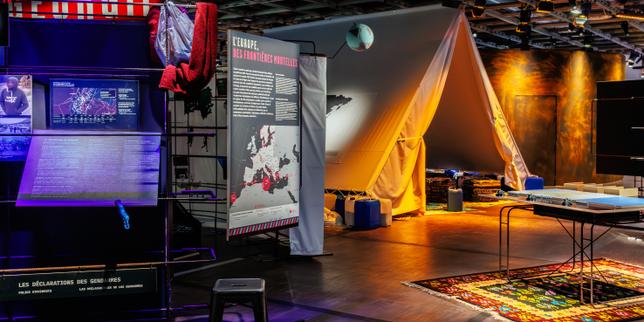
Trois virées pour réviser le brevet, du mont Valérien au laboratoire de Marie Curie « Lécole buissonnière ». Chaque mois, des idées pour faire ses devoirs en plein air. A lapproche du brevet, on bûche lhistoire et la Résistance au mont Valérien, la radioactivité dans le labo de Marie Curie et les frontières de lEurope à la Cité des sciences.
le monde · 4 months ago
Topul celor mai fericite și celor mai nefericite orașe din lume în 2026. Bucureștiul, pe un loc rușinos în clasamentul mondial Bucureștiul ocupă unul dintre cele mai slabe locuri în ediția din 2026 a Happy City Index, unul dintre cele mai ample studii internaționale dedicate calității vieții urbane. Capitala României se situează pe locul 248 din 251 de orașe analizate, fiind al patrulea cel mai slab clasat oraș din lume.
adevarul · 4 months ago