
Trump administration withdraws subpoenas against New York Times journalists over Air Force One security reports
The Trump administration has withdrawn subpoenas issued to New York Times journalists who reported on security concerns about a Qatari-donated Air Force One plane, according to a prosecutor at a court hearing on Thursday.
The subpoenas were issued earlier this month, seeking grand jury testimony from reporters who wrote about the security measures on the new plane compared to the old Air Force One. The New York Times had called the subpoenas a "brazen effort to intimidate the press" and argued that the government did not overcome the legal threshold to compel reporters to disclose confidential sources.
The Department of Justice had defended the subpoenas, arguing that the reporting presented a substantial national security concern. However, U.S. District Judge Arun Subramanian questioned the administration's actions and threatened sanctions if the subpoenas were not withdrawn.
The New York Times' lawyer, David McCraw, called the withdrawal a "significant affirmation of our country's commitment to freedom of the press." The reports were based on anonymous sources and were published during a period of intense geopolitical tension.
The investigation remains ongoing, and the Department of Justice has stated that it will continue to pursue justice against those threatening national security by leaking classified information.
The withdrawal of the subpoenas follows a hearing where the judge grilled the Trump administration over the subpoenas, which the Times counsel had blasted as harmful and chilling. The DOJ spokesperson said the judge "threatened our attorneys with sanctions unless subpoenas were withdrawn."
The reporters had shared bylines across articles comparing the security measures on the luxury Boeing 747-8 to those on the old Air Force One, citing people briefed on the retrofitting of the plane and the president's travel plans.
The government had previously asked the judge to hold the subpoenas for two weeks while it requested that the Times preserve relevant records. However, the Times had responded that the "time for pursuing alternative investigative steps was before the Government sent armed agents to the Journalists' homes."
The reports about the equipment of the presidential aircraft were published at a time when a ceasefire in the war between the USA and Israel against Iran had failed. The U.S. president has been increasingly cracking down on media since the beginning of his second term.
The withdrawal of the subpoenas was announced by a prosecutor in Manhattan on Thursday. It was also said that another two weeks of investigation would shed more light on the case, which could influence the issuance of orders.
The New York Times had reported that President Donald Trump had left Turkey in the old Air Force One because the new aircraft donated by Qatar lacked missile defense systems and other protective devices. The government and Trump himself had denied that security concerns were the reason for the aircraft change.
A few days ago, Trump announced a retrofit of the machine without providing details. Federal prosecutor Jay Clayton, nominated by Trump as the future U.S. intelligence coordinator, wanted to use the subpoenas to force the disclosure of anonymous sources.
The New York Times had applied to the court to lift the subpoenas, arguing that they were obtained in bad faith to punish the newspaper for its reporting. The withdrawal of the subpoenas is seen as a success for The New York Times in its dispute with the Trump administration.
Critics have accused Trump of using subpoenas to pressure the media, and the New York Times has criticized the measure as an attempt at intimidation and a violation of the freedom of the press enshrined in the constitution.
The public prosecutor's office had initially defended the approach and referred to significant concerns about national security. However, the New York Times had argued that the government should have pursued alternative investigative steps before sending armed agents to the journalists' homes.
The reports about the equipment of the presidential aircraft were published at a time when a ceasefire in the war between the USA and Israel against Iran had failed. The U.S. president has been increasingly cracking down on media since the beginning of his second term.
Follow us for live European news
- 3
- 2
- 2
- 1
- 1
- 1
- 1
- 1
- 1
- 1
3 further sources not geolocated
Articles

Soud dnes rozhodne, zda jsou Českoslovenští vojáci v záloze podporovatelé terorismu Pražský městský soud dnes vyhlásí rozhodnutí v případu proruské skupiny Českoslovenští vojáci v záloze za mír, která čelí stíhání za podporu terorismu. Obžaloba usiluje o zrušení domobraneckého spolku...
respekt · about 3 hours ago
US court affirms release of pro-Palestine scholar as legal battle continues Appeal judges decision to side with Georgetowns Badar Khan Suri against Trump sets up Supreme Court intervention.
aljazeera · about 3 hours ago
The Trump administration will withdraw subpoenas issued to New York Times journalists who reported on security concerns about the president flying on a Qatari-donated Air Force One, a prosecutor said at a court hearing. Reuters legal reporter Jack Queen has more.
bluesky_Reuters · about 4 hours ago
Trumpadministration backar gentemot tidning USA:s justitiedepartement har dragit tillbaka begäran om rättsliga åtgärder mot de reportrar på tidningen The New York Times som rapporterat om säkerhetsproblem på presidentplanet Air Force One.
expressen · about 4 hours ago
+++ USA +++: US-Regierung zieht Vorladungen von „Times-Journalisten zurück Trump kündigt Xi-Besuch für den 24. September an +++ US-Repräsentantenhaus fordert Ende der Angriffe auf Iran +++ Rubio verteidigt Atomabkommen der USA mit Saudi-Arabien +++ Der Newsblog.
handelsblatt · about 5 hours ago
Erfolg für „New York Times bei Streit mit Trump-Regierung
orf.at · about 5 hours ago

US Justice Department withdraws subpoenas issued to New York Times reporters over a story they wrote about security concerns with Air Force One plane donated to Trump by Qatar u.afp.com/SreA
bluesky_AFP English · about 5 hours ago
Amerikaanse Justitie trekt dagvaardingen in van New York Times-journalisten die over Air Force One schreven, na berisping rechter
de volkskrant · about 7 hours ago

Trump fires U.S. attorney in Washington on heels of court appointment
news.yahoo.com · about 7 hours ago
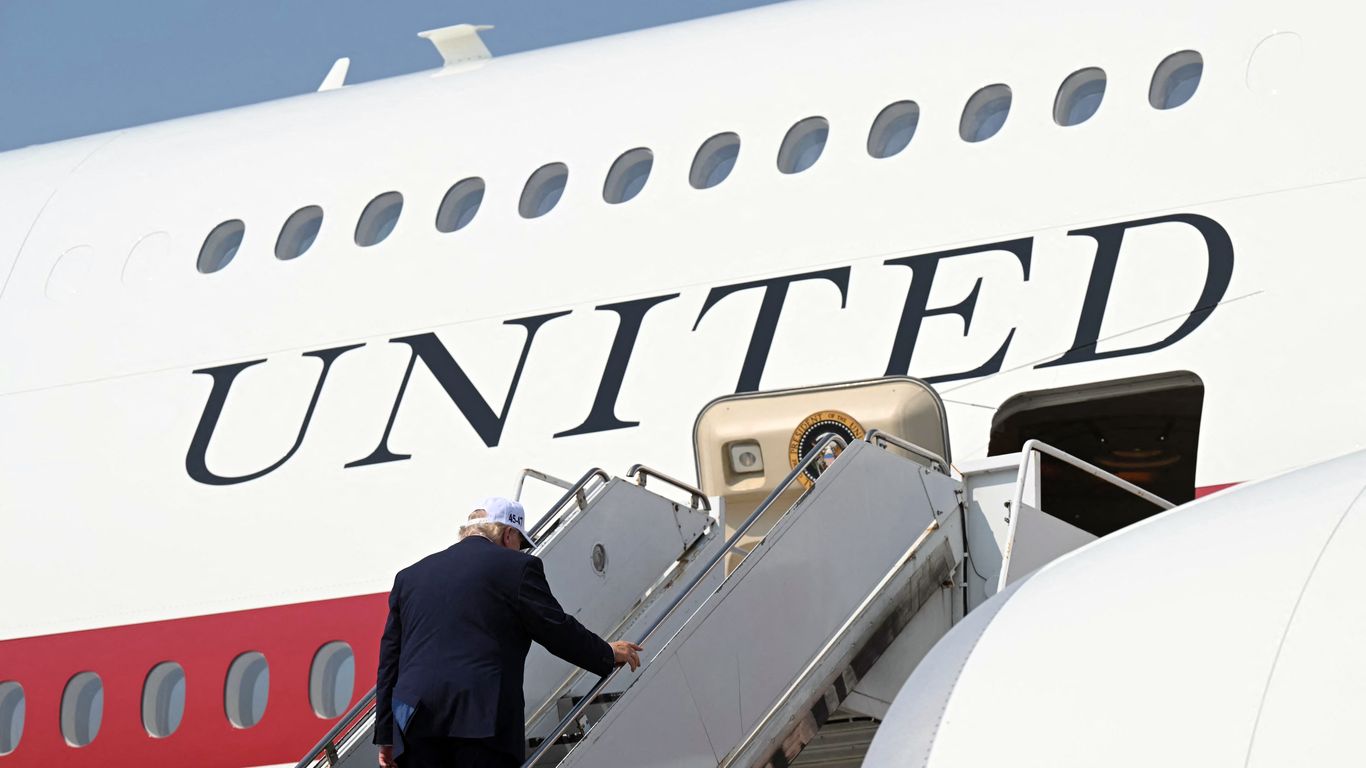
DOJ drops New York Times subpoenas over Air Force 1 reports The U.S. government will withdraw subpoenas of New York Times journalists over their reporting on President Trumps Qatari-gifted jet, the Department of Justice said in a Thursday court hearing. Why it matters: The Trump administration backed down in its battle with the media on the eve of the rescheduled White House Correspondents Association Dinner, where the president is expected to speak.Driving the news: U.S. District Judge Arun Subramanian reportedly grilled the Trump administration in a Thursday hearing over the subpoenas, which the Times counsel had blasted as harmful and chilling.A DOJ spokesperson said Subramanian "threatened our attorneys with sanctions unless subpoenas were withdrawn, and blocked us from presenting the meticulous process of this investigation."The spokesperson added that the investigation "remains ongoing, and we will pursue justice against those threatening national security by leaking classified information, a serious federal crime."Catch up quick: The administration issued the subpoenas earlier this month, seeking grand jury testimony, with agents delivering the orders to the reporters homes, per the Times.The reporters shared bylines across articles comparing the security measures on the luxury Boeing 747-8 to those on the old Air Force One, citing people briefed on the retrofitting of the plane and the presidents travel plans.The Times moved to quash the subpoenas soon after, calling them a "brazen effort to intimidate the press" that carried "glaring indications of bad faith." The outlets lawyers further argued the government did not overcome the legal threshold to compel reporters to disclose confidential sources.The other side: The government had previously asked Subramanian to hold the subpoenas for two weeks while it requested that the Times preserve relevant records, but it said it would not seek testimony or document production during that period.Arguing against the Times effort to kill the subpoenas, the government told the judge that the papers reporting "presented a substantial national security concern, including because they indicated potential leaks of classified or national defense information."The governments filing also said it was still pursuing leads, "some of which may bear on the scope of the subpoenas" and might "be relevant to this Courts analysis of whether the reporters privilege applies."Friction point: The Times responded that the "time for pursuing alternative investigative steps was before the Government sent armed agents to the Journalists homes."Go deeper: FBI searches WaPo reporters home and devicesEditors note: This story has been updated with additional details throughout.
axios · about 7 hours ago
Air Force One: Erfolg für »New York Times« im Streit mit Trump-Regierung Nach Berichten über die neue Air Force One sollten »New York Times«-Reporter vor einer Grand Jury aussagen. Jetzt zieht das US-Justizministerium die Vorladungen zurück.
die zeit · about 7 hours ago
Δικαστική ήττα για τον Τραμπ, αποσύρονται οι κλητεύσεις για τους δημοσιογράφους των New York Times που αποκάλυψαν κενά ασφαλείας στο νέο Air Force One Το δημοσίευμα βασιζόταν σε ανώνυμες πηγές και δημοσιεύθηκε σε μια περίοδο έντονης γεωπολιτικής έντασης, μετά την κατάρρευση της εκεχειρίας στον πόλεμο μεταξύ ΗΠΑ, Ισραήλ και Ιράν
protothema · about 8 hours ago
Live - Amerikaanse justitie trekt dagvaardingen tegen NYT-journalisten in Air Force One-zaak voorlopig in
de morgen · about 8 hours ago
US government cancels subpoena against three New York Times reporters Withdrawal is latest instance of governments efforts to crack down on critical media facing setbacks in court.
aljazeera · about 8 hours ago
Dagvaarding journalisten NYT over vliegtuig Trump opgeschort Het Amerikaanse ministerie van Justitie trekt voorlopig dagvaardingen in tegen journalisten van The New York Times die hadden geschreven over vermeende mankementen in de beveiliging van het nieuwe presidentiële vliegtuig, de Air Force One. Een aanklager in Manhattan zei dit donderdag. Ook werd gezegd dat er met nog twee weken onderzoek meer licht op de zaak komt. Dat kan de uitvaardiging van bevelen beïnvloeden.
rtl nieuws · about 8 hours ago
Justitie VS laat dagvaarding van journalisten New York Times vallen Het Amerikaanse ministerie van Justitie laat de dagvaarding van journalisten van The New York Times vallen, blijkt donderdag uit rechtbankdocumenten. De dagvaarding had betrekking op hun berichtgeving over veiligheidskwesties rond een vliegtuig dat Qatar aan president Donald Trump schonk.
nu.nl · about 8 hours ago
JUST IN: US prosecutors to drop New York Times subpoenas over Trump plane reporting reut.rs/3RQfP08
bluesky_Reuters · about 8 hours ago
US-Justizministerium zieht Vorladungen gegen "New York Times" zurück Die Zeitung hatte über Sicherheitsbedenken wegen eines von Katar geschenkten Flugzeugs als Air Force One berichtet. Kritiker werfen Trump vor, mit Vorladungen Druck auf Medien auszuüben
der standard · about 9 hours ago
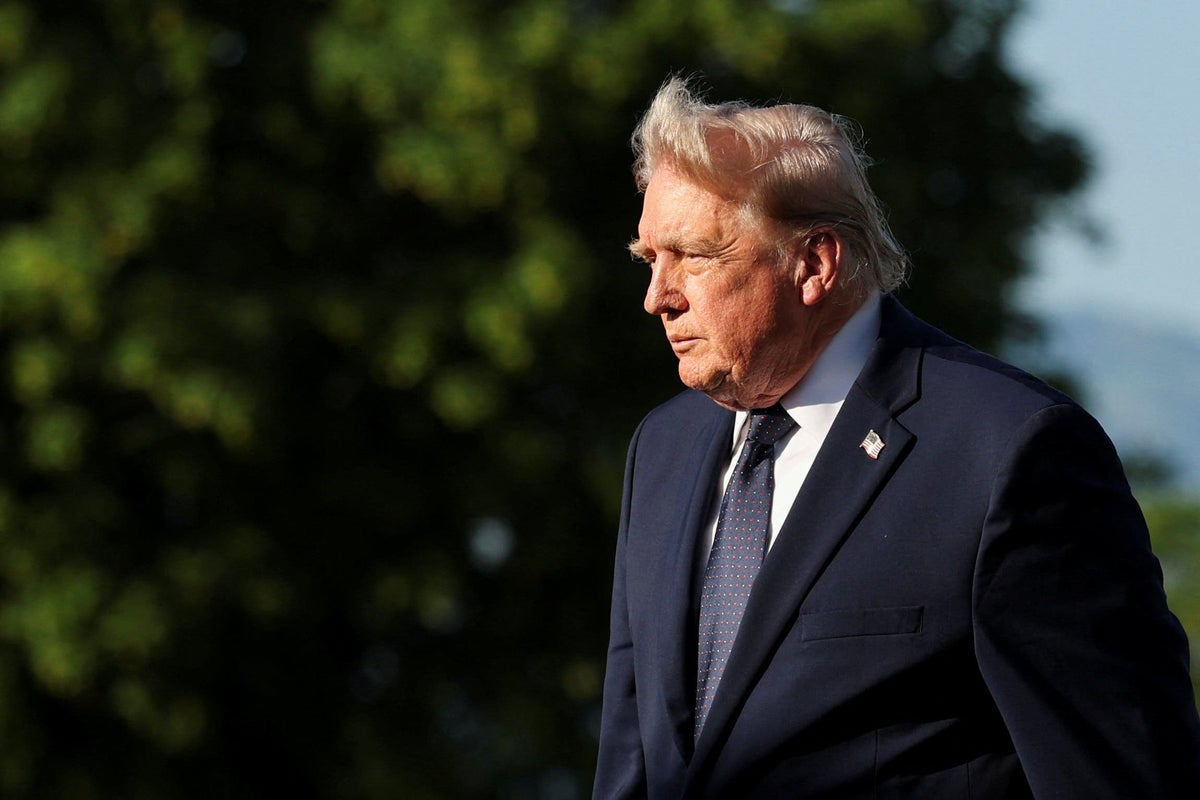
DOJ withdraws NYT reporters subpoenas after judge calls it sloppy legal work Subpoenas are the last step, not the first step, but the last step, the judge declared, referencing rules designed to safeguard First Amendment rights
independent · about 9 hours ago