
Saudi Arabia, Turkey and Pakistan sign NATO-style defense pact in Mecca: Iran condemns move
Story Timeline
2 months · 3 summary articles
Netanyahu rejects US-backed Gaza peace plan over Hamas disarmament dispute
Saudi Arabia, Turkey and Pakistan sign NATO-style mutual defence pact in Mecca
ContinuationSaudi Arabia, Turkey and Pakistan sign NATO-style defense pact in Mecca: Iran condemns move
Saudi Arabia, Turkey and Pakistan signed a joint defense agreement in Mecca on Friday, stipulating that an armed attack on any one of the three countries would be considered an attack on all. The pact, described by regional analysts as a NATO-style collective defense arrangement, was formalized by Saudi Crown Prince Mohammed bin Salman, Turkish President Recep Tayyip Erdoğan and Pakistani Prime Minister Shehbaz Sharif.
Iran swiftly condemned the agreement, with Mahmoud Nabavian, a member of the Iranian parliament’s National Security and Foreign Policy Commission, warning on X that Saudi rulers “must know that just as America’s bases could not bring them security, clinging to America’s lackeys will not bring them security either.” The pact comes amid escalating Houthi attacks on Saudi-linked targets, with the U.N. Security Council condemning recent strikes that injured 11 civilians in Saudi Arabia.
Meanwhile, U.S. President Donald Trump defended his administration’s military posture, dismissing reports of depleted precision missile stockpiles as “false and completely unfounded rumors.” In a Truth Social post, Trump asserted the U.S. still has “massive amounts” of such munitions and that production is ongoing. He also praised Defense Secretary Pete Hegseth’s performance, citing successes in Venezuela and Iran, where he claimed the country had been “decimated” to prevent nuclear weapons development.
Separately, U.S. officials reported progress in negotiations between Iran and Oman to reopen the Strait of Hormuz, a critical shipping lane disrupted by the five-month U.S.-Iran conflict. An anonymous U.S. official said Washington anticipated an agreement soon, with the U.S. prepared to lift its blockade of Iranian ports once terms are finalized. Iran’s leadership has linked the deal to the U.S. ending its port restrictions.
The Saudi-Turkey-Pakistan pact has drawn regional attention, with Somalia and Bahrain welcoming it as a “historic step” toward collective security. Turkish officials stated the agreement aligns with NATO commitments, while analysts noted it reflects a shift in regional security dynamics, particularly as U.S. reliability is increasingly questioned. Pakistan emphasized the pact is not directed at any specific country but aims to reduce dependence on external powers.
The U.N. Security Council’s condemnation of Houthi attacks coincided with reports of heightened tensions in the Red Sea and Strait of Hormuz, where commercial shipping has sharply declined. U.S. intelligence also warned that Russian President Vladimir Putin may authorize hybrid attacks, including cyber operations, against NATO territory to test Western resolve, according to CBS and other outlets citing U.S. officials.
Follow us for live European news
- 1
- 1
- 1
- 1
- 1
7 further sources not geolocated
Articles

US intelligence on alarm: Russia could test NATO by 2029
gdeltproject.org · about 2 months ago
Saudi, Turkey, Pakistan: Deal for joint support amid regional war Saudi Arabia, Pakistan and Turkey signed a joint defence agreement in Mecca on Friday, aimed at strengthening collective deterrence. Under the pact, an armed attack on any one of the three countries would be considered an attack on all. Simon Moritz tells us more about whats in the agreement.
france24 · about 2 months ago
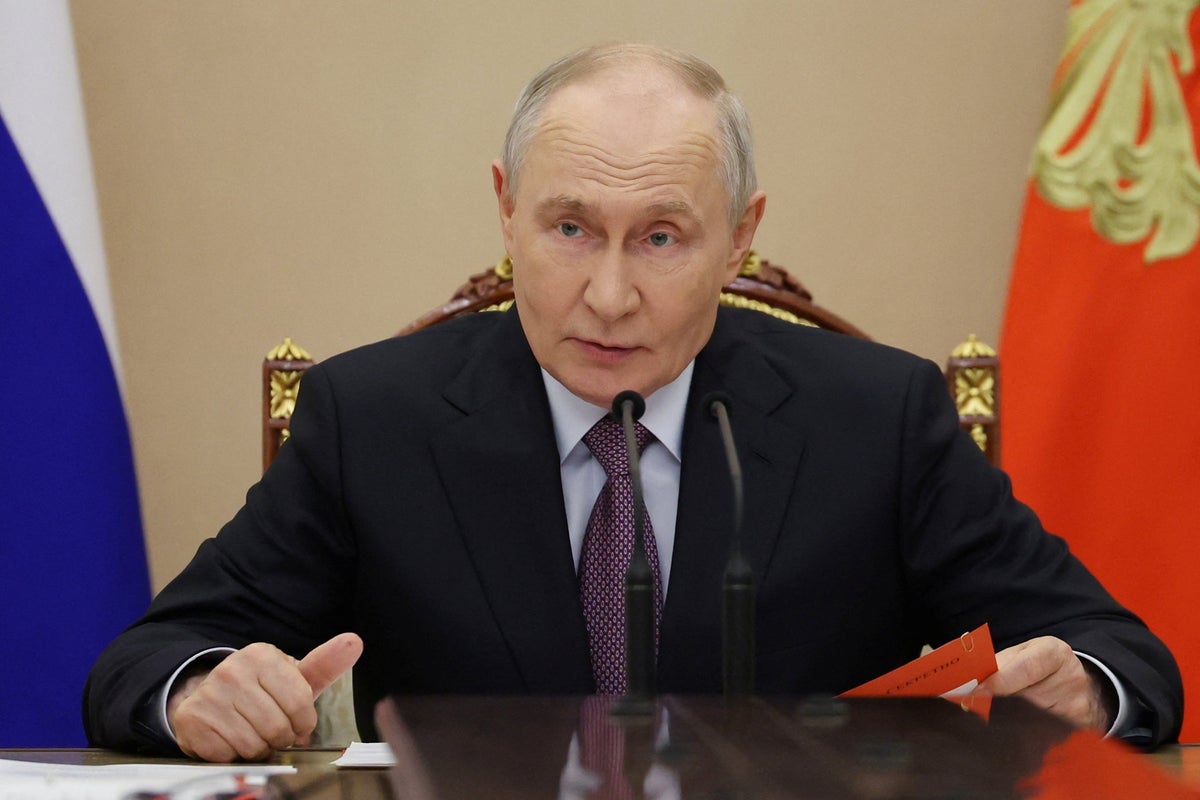
Ukraine-Russia war latest: Putin could attack Nato within weeks, US intelligence warns Mayor Vitali Klitschko says fires and powerful explosions reported in two districts
independent · about 2 months ago
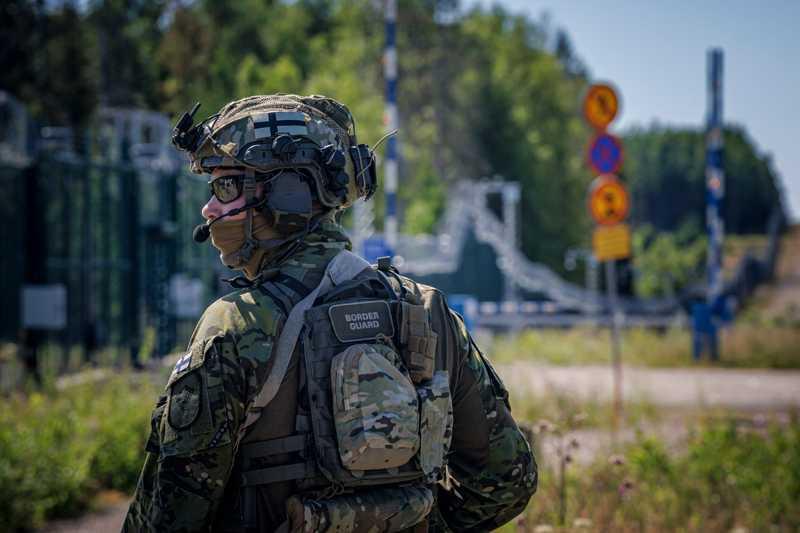
What a Russian "limited attack" on NATO could look likeRussia has for years targeted NATO with hybrid attacks, including disinformation and sabotage campaigns, officials say. #News #NATO #Russia #Russian
mastodon bot · about 2 months ago

Turkey says new defence pact aligns with NATO commitments
bluesky_Euractiv · about 2 months ago
+++ Iran-Krieg +++: US-Generalstabschef Caine sucht angeblich Ausweg aus Trumps Iran-Krieg UN-Sicherheitsrat verurteilt Huthi-Angriffe auf Saudi-Arabien +++ Saudi-Arabien, Türkei und Pakistan schließen Verteidigungsabkommen +++ Der Newsblog.
handelsblatt · about 2 months ago
From Tehrans walls to the world: Irans visual propaganda as an art of war (2/2) Tehran at War (Part 2/2). In Iran, the war with the United States is also fought through enormous, state-sponsored posters. Murals transform walls into billboards advertising the official narrative, designed to carry the governments voice far beyond its borders. FRANCE 24 examines this visual strategy, shaped during the Islamic Revolution and supercharged by artificial intelligence.
france24 · about 2 months ago
US Intelligence Warns Russian President Vladimir Putin Could Test NATOs Resolve With Cyberattacks, Hybrid Operations
gdeltproject.org · about 2 months ago

#US has changed its assessment, and now thinks #Russia considers attacking a #NATO country in order to split western support for #Ukraine. The rest of us non-radicalized observers have known this threat for years.Avis: USA frykter Putin kan an...
mastodon bot · about 2 months ago
⚡️🇮🇷 A cell in Iran has been confirmed to be operating in an assassination program. An Iranian police officer (Sniper, Security), was kidnapped on August 4th, recently, a video of his torture was released on Iranian telegram channels that were Anti-Regime. Actions included cutting out his own heart while it was still beating, ejaculating on his corpse, taking his guts out, and so on. The cell says that anyone who does such actions in Iran will be rewarded between 1,000 to 2,000 US dollars, and they have a list of police officers in Iran they will target. The government confirmed his death today. @medmannews
telegram_Intel Slava · about 2 months ago
To test their resolve: Putin could launch limited attack on Nato, US intel warns
gdeltproject.org · about 2 months ago
Trump administration to invest $3bn in minerals projects to boost US defence The US government will invest $3 billion in critical minerals and battery projects as part of a push to increase domestic production and boost national security and industrial policy, President Donald Trump said on Friday. Were reclaiming Americas rightful place as the minerals superpower of the world, Trump told more than 200 mining executives, educators, investors and fellow […]
cyprus mail · about 2 months ago
US intel warns that Russian President Putin may authorise hybrid attacks on NATO territory to test Western resolve: Report
gdeltproject.org · about 2 months ago
🇺🇸⚡️ — The Pentagon has removed a key military official coordinating the delivery of military aid to Ukraine from his position, according to ABC News. The official is Lieutenant General Charles Constanza. He had only two months left in his service with a military unit in Poland, which oversees aid to Ukraine and manages troops on NATOs eastern flank. The reasons for his removal have not been disclosed. @Intelslava
telegram_Intel Slava · about 2 months ago
US source expects Iran-Oman deal on Hormuz Strait According to an anonymous US official, progress is being made between Iran and Oman toward an agreement to reopen the Strait of Hormuz. Once an agreement to resume unhindered commercial shipping is announced, the US will lift its blockade of Iranian ports. An agreement on control of the strait is viewed as crucial for a […]
cphpost · about 2 months ago
![Iran-US war latest: Furious Trump hits out at leakers after reports US is low on precision missiles US president tells reporters in Oval Office: I dont think they [Iran] can go much longer](https://static.independent.co.uk/2026/08/06/05/2287764373..?width=1200&auto=webp&trim=0%2C0%2C0%2C0)
Iran-US war latest: Furious Trump hits out at leakers after reports US is low on precision missiles US president tells reporters in Oval Office: I dont think they [Iran] can go much longer
independent · about 2 months ago
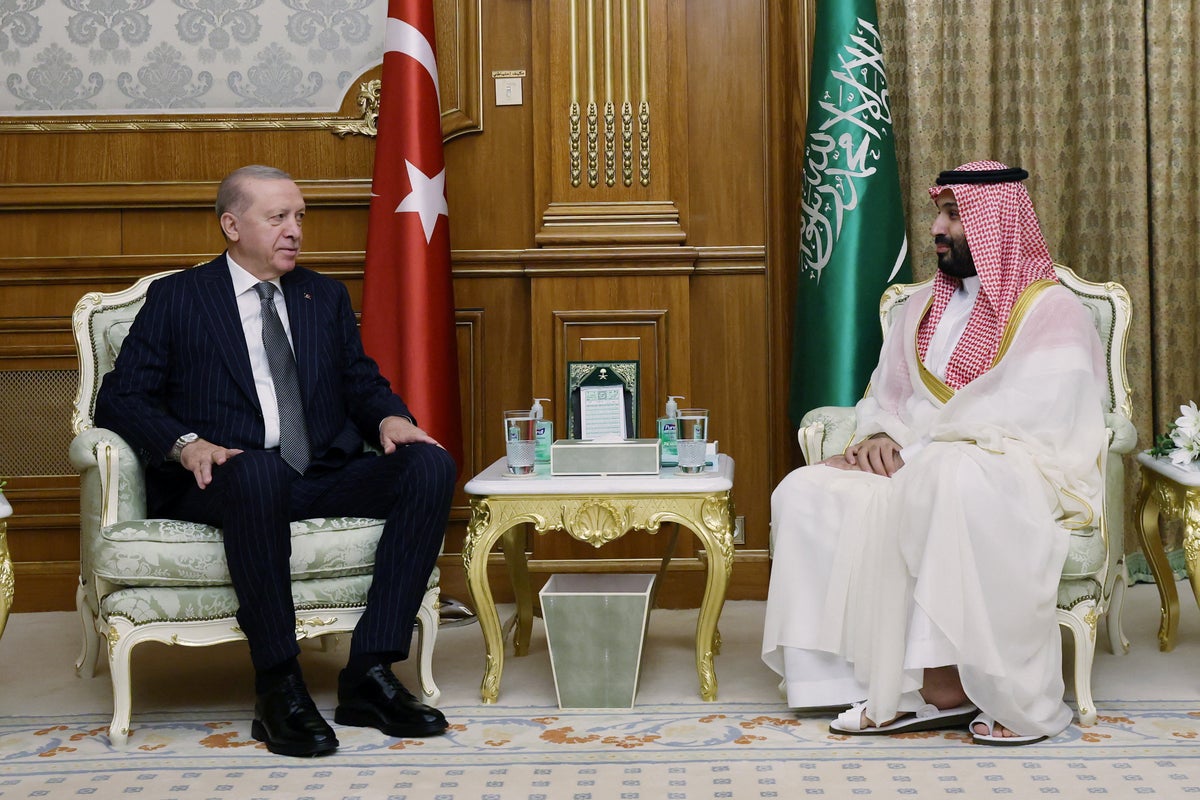
Iran-US war latest: Saudi Arabia, Turkey and Pakistan sign Nato-style defence pact – but Tehran issues warning Clinging to Americas lakeys will not bring them security, Iran says in message to Saudi rulers
independent · about 2 months ago
#USA Lockheed Martin has announced a significant manufacturing modernization and expansion initiative, allocating between $8 billion and $9 billion through 2030 to upgrade more than 20 manufacturing facilities across the United States. Subscribe to @OSINTdefender Chat room
telegram_OSINTdefender · about 2 months ago
#Turkey ASELSANs TOLUN-P bunker-penetrating guided munition is now operational, enhancing Turkeys defense capabilities. This development signifies a significant advancement in military technology for the Turkish defense industry. Subscribe to @OSINTdefender Chat room
telegram_OSINTdefender · about 2 months ago
#Sweden Sweden signed a seven-year framework agreement with Nammo Sweden for programmable 30mm and 40mm airburst ammunition to support air-defence systems like Trackfire and TRIDON Mk2. Subscribe to @OSINTdefender Chat room
telegram_OSINTdefender · about 2 months ago
#USA #Canada The presence of U.S. F-16s in Canada and Canadian CF-18s in the U.S. is part of NORADs integrated continental defense, where aircraft operate as a unified team for shared security rather than as separate national assets. This collaboration emphasizes the commitment to defending North America together. Subscribe to @OSINTdefender Chat room
telegram_OSINTdefender · about 2 months ago
US expects deal soon on Strait of Hormuz; Sunni powers unite in defense pact A U.S. official on Friday reported progress between Iran and Oman that could soon reopen the Strait of Hormuz, potentially restoring oil exports that have been disrupted by the five-month-old U.S. war with Iran. The U.S. official, who declined to be identified, said Washington anticipated an agreement soon between the two countries, which sit on […]
in-cyprus · about 2 months ago
Saudi Arabia, Turkey, Pakistan pledge mutual defense as Middle East turmoil escalates Saudi Arabia, Pakistan and Turkey signed a joint defense agreement in Mecca on Friday, wedding Sunni Muslim U.S. allies alarmed at a regional conflagration that has brought Iranian…
japantoday · about 2 months ago
#Germany Germany is set to finalize its largest-ever procurement framework for armored vehicles under the Arminius project, with an initial contract valued at €25 billion expected by December 2026. This initiative is part of a broader effort to enhance the capabilities of the Bundeswehr. Subscribe to @OSINTdefender Chat room
telegram_OSINTdefender · about 2 months ago
#USA #ME The United States is supplying 5,250 Patriot and THAAD interceptors to Persian Gulf countries to address critical air defense stockpile shortages in the region. Subscribe to @OSINTdefender Chat room
telegram_OSINTdefender · about 2 months ago
Erhürmans room for manoeuvre stops where Ankaras interests begin Tufan Erhürman is following much the same course as his predecessors, with room for manoeuvre largely confined to the methodology of the Cyprus talks. On the hard issues of energy, security and sovereignty, his positions remain fully aligned with Ankara. Recent statements by Erhürman, published in Turkish Cypriot media, provided a relatively clear picture of […]
in-cyprus · about 2 months ago
+++ Iran-Krieg +++: Spannungen im Iran – Präsident rechtfertigt Gespräche mit den USA UN-Sicherheitsrat verurteilt Huthi-Angriffe auf Saudi-Arabien +++ Saudi-Arabien, Türkei und Pakistan schließen Verteidigungsabkommen +++ Der Newsblog.
handelsblatt · about 2 months ago
#EU #NK North Korea has earned up to $14 billion over three years by supplying weapons and military personnel to support Russia in its war against Ukraine. This revenue significantly contributes to North Koreas economy, which has seen growth due to these military ties. Subscribe to @OSINTdefender Chat room
telegram_OSINTdefender · about 2 months ago
#USA #Iran Gen. Dan Caine has privately stated that the U.S. needs "an off-ramp" from the war with Iran, believing that current military options could backfire. He has discussed this with top advisers, indicating a need for a strategic shift. Subscribe to @OSINTdefender Chat room
telegram_OSINTdefender · about 2 months ago
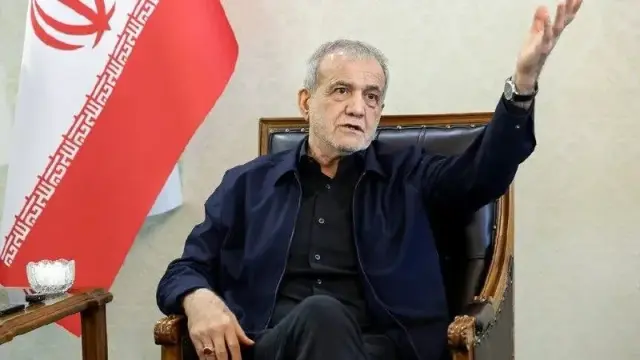
Irans stockpile could fuel ten bombs as the Strait deal hangs by a threadSaudi Arabia has 400 interceptors left. A Houthi missile just hit a shopping center. And Irans Hormuz deal is awaiting approval from the very hardliners who want to kill it. #Geopolitics #News
mastodon bot · about 2 months ago