
Portugal's water crisis exposes decades of underinvestment as Almada imposes cuts

Story Timeline
6 days · 3 summary articles
Portugal's water crisis exposes decades of underinvestment as Almada imposes cuts
Almadas mayor activates new boreholes as six districts face overnight water cuts
ContinuationMassive water damage closes Helsinki library as Europe faces drought and blackouts
The Portuguese town of Almada, just south of Lisbon, is grappling with a water crisis that has exposed decades of underinvestment in infrastructure, as authorities scramble to avert shortages during a heatwave. José Pimenta Machado, president of the Portuguese Environment Agency (APA), confirmed on Friday that contingency measures imposed by Almada’s municipal government are beginning to stabilize the system, though he warned that sustained efforts are still required.
Speaking to Rádio Observador, Pimenta Machado dismissed suggestions that drought was to blame. “We are not in a drought,” he said. “This year, thanks to heavy rainfall in January, February, and March, the country’s reservoirs are at 86% capacity, and groundwater levels have recovered.” Instead, the crisis stems from a surge in demand: Almada’s daily consumption has risen by an average of 4% compared to last year, with some areas seeing increases as high as 15%. While the national average water use is 180 liters per person per day, Almada’s average is 300 liters, reaching 400 liters in certain zones.
The system’s current production stands at 50,000 cubic meters per day, against a daily consumption of 60,000 cubic meters—a deficit of 10,000 cubic meters. To address the shortfall, APA, the Almada Municipal Water and Sanitation Services (SMAS), and the Water and Waste Services Regulatory Authority (ERSAR) implemented a contingency plan on Tuesday. “The plan is working,” Pimenta Machado said. “Consumption is being reduced, and reservoirs are recovering levels. That’s good news, but everyone must keep up the effort.” A new borehole, expected to come online between Friday and the weekend, will add 1,800 cubic meters of daily capacity.
The crisis has forced emergency measures, including planned water cuts in six Almada localities—Feijó, Laranjeiro, Vale Flores, Barrocas, Cova da Piedade, and Chegadinho—from 10 p.m. Friday until 6 a.m. Saturday. Municipal pools in Caparica, Sobreda, and Charneca de Caparica will also remain closed. The situation has drawn criticism over long-term neglect, with commentators noting that the heatwave merely exposed systemic failures. “The crisis in Almada reveals decades without investment in infrastructure,” wrote *Courrier International*, “a scenario reminiscent of the developing world.”
Meanwhile, across Europe, water shortages are straining resources in other regions. In Germany, the Domblickbad natural outdoor pool in Wetzlar, newly constructed at a cost of €7.2 million, remains closed after technical issues with its water treatment system were discovered shortly after its May opening. City officials confirmed on Thursday that new laboratory results did not meet the required standards for reopening. “Operation cannot be justified until the cause is identified and resolved,” a spokesperson said. Work to stabilize the biological filtration system is ongoing, with water quality showing “positive development” but still not fully compliant.
In Hungary, the iconic Kékszalag Raiffeisen Nagydíj sailing race, Europe’s oldest and longest lake-circling regatta, has been forced to alter its route due to dangerously low water levels in Lake Balaton. Organizers announced that the Keszthely buoy, originally positioned in the western basin, has been moved 1.6 kilometers eastward to ensure a minimum depth of 2.4 meters—critical for the participation of deep-draft classic yachts. The average water level at Siófok is just 66 centimeters, with forecasts predicting a further drop to 55 centimeters by race day on July 30. Tibor Verebély, race director, explained that the original route would have left some 10% of the fleet unable to compete, as depths would have fallen below the 2.2-meter draft of the historic Nemere II. The adjustment shortens the course by 3.2 kilometers but ensures broader participation.
The broader context of water stress is evident across the continent. In the Karlovy Vary region of the Czech Republic, health authorities have flagged poor water quality at several bathing sites, including Rolava Pool in Karlovy Vary, where bird flu larvae have been suspected, and Velký Rybník near Hroznětín, which suffers from severe pollution. In Slovenia, the Environment Agency (ARSO) has declared “extremely dry conditions” in parts of the Lower Sava Valley, Dolenjska, Bela krajina, Kočevje, and Slovenian Istria, warning that surface soil moisture will deteriorate further in the coming days.
Back in Almada, the immediate priority remains restoring balance to the water supply. Pimenta Machado emphasized that while the new borehole will help, systemic solutions are needed. “We must all continue to make an effort,” he said. “The measures are working, but this is not a time for complacency.”
Follow us for live European news
- 3
- 2
- 2
- 1
- 1
- 1
- 1
- 1
1 further source not geolocated
Articles

Reservatórios de Almada estão a "recuperar níveis", diz APA José Pimenta Machado apelou à população para manter as medidas de poupança de água previstas no plano de contingência
observador · about 2 hours ago

Crise da água em Almada o que falhou antes? — Debate Torneiras secas, cortes e moradores a carregar garrafões expõem uma crise em Almada. Perdas elevadas, aumento da população, puxadas ilegais e consumos muito elevados são apontados, mas explicam tudo?
observador · about 2 hours ago

Vede nás k tomu hlavně zájem veřejnosti, říká hydrobiolog. Začalo mapování výskytu sinic na Lipně Jihočeští vědci začali v těchto dnech mapovat výskyt bentických sinic na březích lipenského jezera. Důvodem je velký zájem obyvatel a návštěvníků této rekreační oblasti. Sinice mohou produkovat silné neurotoxiny, které představují pro psy smrtelné riziko. Do mapování se může zapojit i veřejnost. Podrobnosti přinesl v rozhovoru pro Český rozhlas České Budějovice hydrobiolog Petr Znachor z Biologického centra Akademie věd v Českých Budějovicích.
irozhlas.cz · about 2 hours ago
Zhoršená jakost i silné znečištění. Některá koupaliště v Karlovarském kraji mají problém s kvalitou vody Kvalita vody v některých koupalištích v Karlovarském kraji se snižuje. Zhoršenou jakost vody hygienici zjistili na koupališti Rolava v Karlových Varech, kde mají podezření i na výskyt larev ptačích motolic. Silné znečištění je na Velkém rybníku u Hroznětína na Karlovarsku. Vyplývá to z aktuálních údajů Krajské hygienické stanice Karlovarského kraje. Větší nádrže si podle předešlých měření udržují dobrou kvalitu vody.
irozhlas.cz · about 2 hours ago
Od pondělí začíná v centru Jihlavy rozsáhlá uzavírka. Platí pro ulice Brněnská a Hradební Řidiči se musí připravit na rozsáhlou uzavírku v centru Jihlavy. Od pondělí rekonstrukce průtahu města omezí dopravu na Hradební a Brněnské ulici.
irozhlas.cz · about 2 hours ago
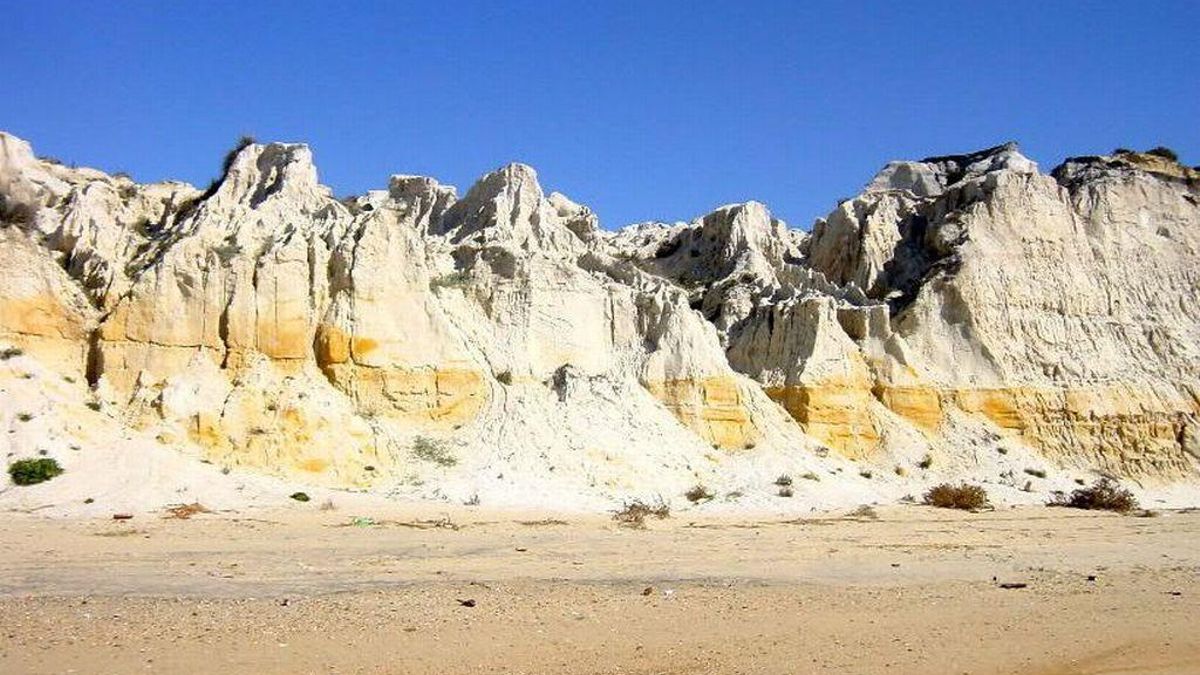
Este peculiar acantilado arenoso está formado por dunas fósiles y se extiende a lo largo de doce hectáreas de la costa onubense Originado por la acumulación de arenas de origen eólico y aluvial mezcladas con materia orgánica, el Acantilado del Asperillo está situado entre los municipios de Mazagón y MatalascañasTodo lo que no sabes de Doñana, uno de nuestros parques naturales más emblemáticos y atractivosDe cuatro mil años de antigüedad y 60 millones de metros cúbicos de arena, es considerada la duna más alta de Europa En la costa de Huelva un curioso visitante puede sorprenderse gratamente al dar con una joya geológica muy original del litoral onubense. Situado entre los municipios de Mazagón y Matalascañas, el Acantilado del Asperillo se erige como una suerte de guardián de arena frente al océano Atlántico. Este espacio natural, perteneciente al término municipal de Almonte, se integra plenamente dentro del privilegiado entorno del Espacio Natural de Doñana. Su presencia no solo define el paisaje local, sino que representa una de las formaciones costeras más singulares de toda la península. Y es que con una extensión de casi doce hectáreas, este monumento natural ofrece una perspectiva impresionante de la evolución de nuestra tierra. El origen de esta imponente estructura se remonta a miles de años atrás, fruto de un proceso de sedimentación constante y paciente. El acantilado está compuesto principalmente por un sistema de dunas fósiles que se han ido consolidando a lo largo de los siglos. Los materiales más antiguos que conforman sus paredes se estima que tienen una edad que ronda los 15 mil años. Se trata de un acantilado arenoso formado por la acumulación de arenas de origen eólico y aluvial mezcladas con materia orgánica, con capas sucesivas que fueron depositándose en diferentes épocas geológicas creando una estratificación que hoy es visible para el ojo humano. Posteriormente, las potentes fuerzas de la tierra elevaron estos sedimentos más de cien metros, dando lugar a la estructura vertical que hoy se puede observar. Conocido localmente bajo el nombre de cabezos, el Asperillo destaca por ser considerado por algunos expertos como el acantilado de dunas fósiles más alto de todo el continente. En algunos puntos, el terreno se eleva de forma abrupta alcanzando alturas que superan incluso los cien metros de elevación sobre el terreno. Esta magnitud geomorfológica le ha valido el reconocimiento oficial como Monumento Natural de Andalucía desde finales del año 2001. La estructura se extiende longitudinalmente a lo largo de la costa, creando una barrera natural de características ecológicas verdaderamente excepcionales. Los materiales más antiguos que conforman sus paredes se estima que tienen una edad que ronda los 15 mil años Su fisonomía cambia constantemente debido a la acción persistente del oleaje y la fuerza del viento que azota la costa de Huelva. Las dunas litorales semiestables que lo forman son un ejemplo perfecto de la dinámica sedimentaria en los entornos de alta energía. Posee una superficie protegida de casi doce hectáreas que garantizan la conservación de su singular estructura original. La belleza visual del Acantilado del Asperillo reside precisa y principalmente en la paleta cromática que exhiben sus paredes erosionadas por el viento. Desde la playa, es posible deleitarse con una variedad de tonalidades que van desde el naranja intenso hasta el negro más profundo. Estas variaciones de color se deben a la presencia de materiales estratificados, como el óxido de hierro y la materia orgánica. Los tonos ocres, blancos y negros se mezclan en caprichosas ondulaciones y formas geométricas que parecen esculpidas por una mano artística. La erosión ha creado asimismo numerosas cárcavas y hendiduras que interrumpen la verticalidad del muro, otorgándole un aspecto muy rugoso. En ciertos puntos, incluso afloran pequeños manantiales de agua dulce conocidos como chorritos, donde crece vegetación de zonas húmedas. El contraste entre la arena dorada de la playa y los colores vivos del acantilado bajo la luz solar es inolvidable. Es un espectáculo natural donde la geología se muestra en todo su esplendor, revelando la gran riqueza del litoral. Flora y fauna En cuanto a la vida vegetal, el acantilado presenta un contraste marcado entre su perfil vertical y la zona superior de su cima. Las duras condiciones de salinidad y la acusada pendiente hacen que la vegetación sea prácticamente nula en las paredes del cabezo. Sin embargo, en la parte alta, asentadas firmemente sobre las arenas, aparecen comunidades vegetales muy bien adaptadas a este entorno. Destaca especialmente el pino piñonero de repoblación, cuyas raíces juegan un papel crucial al fijar el sustrato arenoso del terreno costero. Estos árboles impiden el avance de las dunas hacia el interior, estabilizando un ecosistema que de otro modo sería móvil. Junto a los pinos, conviven especies de matorral mediterráneo como las aulagas, los enebros, las sabinas y las perlas de las camarinas. También se pueden encontrar ejemplares de romero, cantueso y jaguarzo que perfuman el ambiente con sus aromas típicos del sur. La importancia ecológica de este paraje se extiende también a la fauna, albergando especies que se encuentran actualmente bajo amenaza de extinción. El entorno del Asperillo es un santuario para el lince ibérico, el felino más amenazado, que encuentra aquí un hábitat ideal. Entre las arenas y el matorral también habita la tortuga mora, otra especie protegida que requiere de una conservación constante. No es raro encontrar rastros de la víbora hocicuda o del meloncillo, que se desplazan sigilosamente por las zonas de matorral. Este mosaico de paisajes permite que convivan una amplia variedad de animales que dependen de la salud de este ecosistema. Además, la situación estratégica de Doñana convierte a esta zona en un lugar de paso e invernada vital para aves migratorias. El reconocimiento legal del Acantilado del Asperillo como Monumento Natural fue un hito histórico. Esta figura de protección asegura que sus características geológicas y ecológicas se mantengan preservadas frente a posibles agresiones del entorno. Su gestión está integrada dentro de las políticas de conservación del Espacio Natural de Doñana, lo que refuerza su gran valor. A pesar de los retos ambientales, como el gran incendio forestal ocurrido hace algunos años, se han realizado esfuerzos por su recuperación. El respeto por el entorno es una prioridad absoluta para las autoridades encargadas de velar por este tesoro de la provincia, para que las generaciones futuras puedan seguir disfrutando de la majestuosidad de estas dunas.
eldiario.es · about 2 hours ago
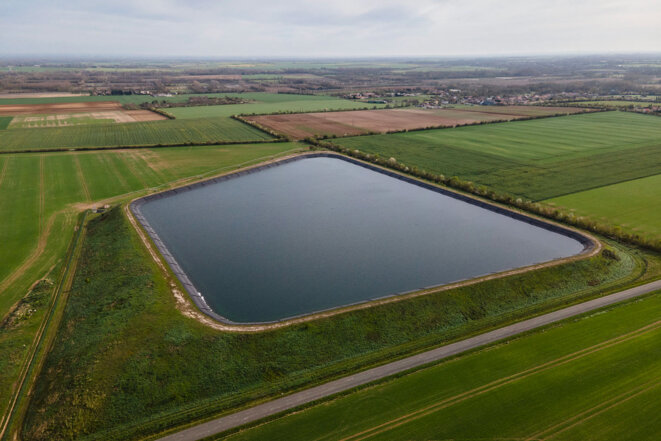
Partage de leau: douze mégabassines partiellement sanctionnées par la justice La cour administrative dappel de Bordeaux a déclaré mercredi «lillégalité» de douze projets de réserves deau dans le Poitou-Charentes. Les juges ont donné leur faveur à la protection doiseaux menacés, mais ils ont aussi estimé que ces mégabassines «constituent une des solutions» pour éviter le tarissement des zones humides lété.
mediapart · about 2 hours ago
Bergmann- und St. Josefs-Krankenhaus in Potsdam: Warum werden mehrere Abteilungen so kurzfristig geschlossen? Mit nicht einmal vier Wochen Vorlauf wurde die Schließung von Abteilungen an Potsdams Krankenhäusern angekündigt, darunter die Geburtenstation am St. Josefs. Handelt es sich um lang geschmiedete Pläne – oder fiel die Entscheidung erst kürzlich?
tagesspiegel · about 2 hours ago
St. Josefs-Krankenhaus in Potsdam: Geburtsstation ist ab sofort geschlossen Statt Anfang August schließen Gynäkologie und Geburtshilfe am Potsdamer St. Josefs-Krankenhaus bereits am heutigen Freitag. Der Grund: Es gibt nicht mehr genug Personal.
tagesspiegel · about 2 hours ago
Olyan kevés a víz a Balatonban, hogy el kellett téríteni a Kékszalag vitorlásversenyt Az előrejelzések szerint a hónap végéig tovább apadhat a vízszint, így lennének hajók, amelyek számára nem lenne biztonságos az indulás.
hvg.hu · about 2 hours ago

Drei gute Minuten: Sauberes Trinkwasser und Igelschutz Haben Sie genug von schlechten Nachrichten? In dieser STANDARD-Kolumne widmen wir uns allem, was gut läuft
der standard · about 2 hours ago
Defekt an Wasseraufbereitung: Keine Freigabe erteilt - Wetzlarer Domblickbad weiter dicht
die zeit · about 2 hours ago

Acesso a equipamentos desportivos condicionados em Almada As piscinas municipais da Caparica, Sobreda e Charneca de Caparica estarão totalmente encerradas ao público
observador · about 2 hours ago

Almada: seis localidades sem água a partir das 22h00 Feijó, Laranjeiro, Vale Flores, Barrocas, Cova da Piedade e Chegadinho vão ficar sem abastecimento de agua até às 6 da manhã de sábado
observador · about 2 hours ago
Annyira kevés a víz a Balatonban, hogy módosítani kell a Kékszalag útvonalát A tó átlagos vízszintje a verseny idején, július végén várhatóan 55 centiméter lesz, ami 40 centivel elmarad a tavalyi értéktől.
444.hu · about 2 hours ago
Některé defibrilátory byly v olomoucké nemocnici voperovány bez splnění kritérií, uvedla komise Ve Fakultní nemocnici Olomouc (FNOL) byly podle předběžného stanoviska odborné komise v roce 2024 některým pacientům implantovány defibrilátory ICD, aniž byla zcela splněna všechna indikační kritéria. Vedení nemocnice považuje zjištění komise za závažná, její stanovisko předalo policii a spolupracuje s vyšetřovateli, kteří implantace ICD ve FNOL prověřují kvůli podezření z podvodu a těžkého ublížení na zdraví.
irozhlas.cz · about 2 hours ago
Melder styrtregn i Oslo-området lørdag Men det er knyttet stor usikkerhet til om og når himmelens sluser kan åpne seg.
aftenposten · about 2 hours ago

Sur la rive sud de Lisbonne, la canicule déclenche une crise de leau Au Portugal, la vague de chaleur na pas seulement vidé les réservoirs deau dAlmada. Pour la presse, elle a surtout révélé des décennies sans investissement dans les infrastructures, jusquà faire vivre à cette banlieue lisboète un scénario digne du tiers-monde. Une pénurie qui met aussi à lépreuve la confiance des citoyens dans lÉtat et relance le débat sur les responsabilités politiques.
courrier international · about 2 hours ago

Ernte in Hessen: Klimawandel lässt Erträge schrumpfen Nicht nur Hitze und fehlender Regen machen den hessischen Bauern zu schaffen, sondern auch die Folgen des Irankriegs und ein winziges Insekt.
faz · about 2 hours ago

Almada. APA: "Reservatórios estão a recuperar os níveis" O Presidente da Agência Portuguesa do Ambiente, José Pimenta Machado, adianta que os reservatórios de água em Almada estão a recuperar os níveis.
observador · about 2 hours ago

Almada. Provedoria de Justiça analisa crise de abastecimento "A situação encontra-se em análise na sequência da receção de queixas"
observador · about 2 hours ago
Alacsony a Duna, több csáposkutat is takarékra kapcsolt a Fővárosi Vízművek A zavartalan vízellátáshoz ügyesen kell terhelni a parti szűrésű csáposkutakat, de van benne gyakorlatuk.
hvg.hu · about 2 hours ago
Ponekod po Sloveniji izjemno sušne razmere V Spodnjem Posavju, na Dolenjskem, v Beli krajini, na Kočevskem in v slovenski Istri vladajo zelo sušne razmere, ugotavlja Arso. Sušno je tudi drugod po državi, stanje pa se bo predvsem v površinskem sloju tal v prihodnjih dneh še poslabšalo.
rtv slovenia · about 2 hours ago