Loading…
 Saturday, September 26Saturday, September 26
3 months · 7 summary articles
Eugen Tomac unveils sweeping governance plan as Romania’s political deadlock nears resolution
Romania’s designated prime minister Eugen Tomac finalised a comprehensive governance programme on Saturday, outlining structural reforms, fiscal restraint and administrative overhaul as his team races to secure parliamentary investiture before the summer recess. The 13 June document, drafted with his incoming cabinet, proposes ending state subsidies for municipalities with fewer than 400 inhabitants, a measure Tomac framed as ending life “according to a Romania drawn during the Ceaușescu era.”
Speaking to journalists in Bucharest, Tomac ruled out any tax or levy increases during his mandate, arguing that households, businesses and the economy had already absorbed “enough fiscal shock.” He urged political leaders to expedite the investiture vote, warning that the country “urgently needs a government.”
The programme, still subject to parliamentary debate, prioritises administrative-territorial reform, education upgrades and social protection enhancements. Tomac’s team has signalled flexibility, acknowledging that the text may be amended before formal submission to the legislature.
The announcement comes amid broader European left-wing realignments. In the Netherlands, GroenLinks and the Labour Party formally dissolved on Saturday to birth the new party Pro, completing a months-long merger process agreed at a historic congress in ’s‑Hertogenbosch. Dutch progressives now face the challenge of defining a cohesive ideology for the merged formation.
Across the continent, left-wing leaders are recalibrating strategy. Dutch GroenLinks‑PvdA leader Jesse Klaver told *Trouw* on Friday that his sights are set on becoming the largest party, arguing that “this country can be so much fairer.” Meanwhile, German left-wing debates have intensified, with the *taz* publishing a running list of red-line issues for Die Linke, including opposition to wealth taxes and criticism of conservative figures attending Social Democratic events.
Tomac’s programme must now navigate Romania’s fragmented parliament, where no single bloc holds an outright majority. His ability to secure cross-party backing will hinge on convincing sceptics that the administrative cuts will not deepen regional inequalities and that the promised tax freeze will not undermine public investment. With lawmakers due to reconvene next week, the coming days will determine whether Tomac’s government plan can clear the investiture hurdle before the parliamentary summer break.
Follow us for live European news

Die linke Liste: Was Linke aushalten müssen Andere Meinungen? Nein! Söder bei der SPD-Spargelfahrt? Igitt! Linke können nichts mehr ab. Die taz hat entschieden, was sie ertragen müssen – und was nicht. mehr...
taz.de · 3 months ago
Răspunsul lui Eugen Tomac, întrebat dacă în mandatul său de premier vor crește taxele Premierul desemnat Eugen Tomac a afirmat că dacă va fi învestit de Parlament atunci nu va creşte nici taxele, nici impozitele, el considerând că economia, mediul de afaceri, cetăţenii au suportat destul acest şoc fiscal. Tomac a adăugat că ţara are nevoie rapid de un guvern şi speră că liderii partidelor politice vor înţelege de ce este important să fie dat un vot pentru noul Executiv.
digi24 · 3 months ago
Premierul desemnat Eugen Tomac a terminat programul de guvernare. Ce măsuri prevede pentru economie, educație, protecție socială Premierul desemnat Eugen Tomac a elaborat, împreuna cu echipa de miniștri un proiect al programului de guvernare. Această formă ar mai putea suferi modificări până la depunerea sa în parlament.
digi24 · 3 months ago
Eugen Tomac: Nu mai putem trăi după România creionată de pe timpul lui Ceauşescu și subvenţiona primării cu 300 de locuitori Premierul desemnat Eugen Tomac a afirmat că în programul său de guvernare îşi propune reforma administrativ-teritorială, explicând că nu se mai poate trăi „după România creionată de pe timpul lui Ceauşescu. Tomac a adăugat că nu mai pot fi subvenţionate de la bugetul de stat primării care au 300-400 de locuitori.
digi24 · 3 months ago
Programul de Guvernare. Ghişee energetice şi preţuri accesibile pentru cetăţeni şi industrie Operaţionalizarea unei reţele naţionale de ghişee energetice pentru consiliere pentru audit energetic, preţuri accesibile pentru cetăţeni şi industrie sau valorificarea prosumatorilor se numără printre măsurile prevăzute pe termen scurt la capitolul Energie, în Programul de Guvernare propus de premierul desemnat Eugen Tomac.
digi24 · 3 months ago
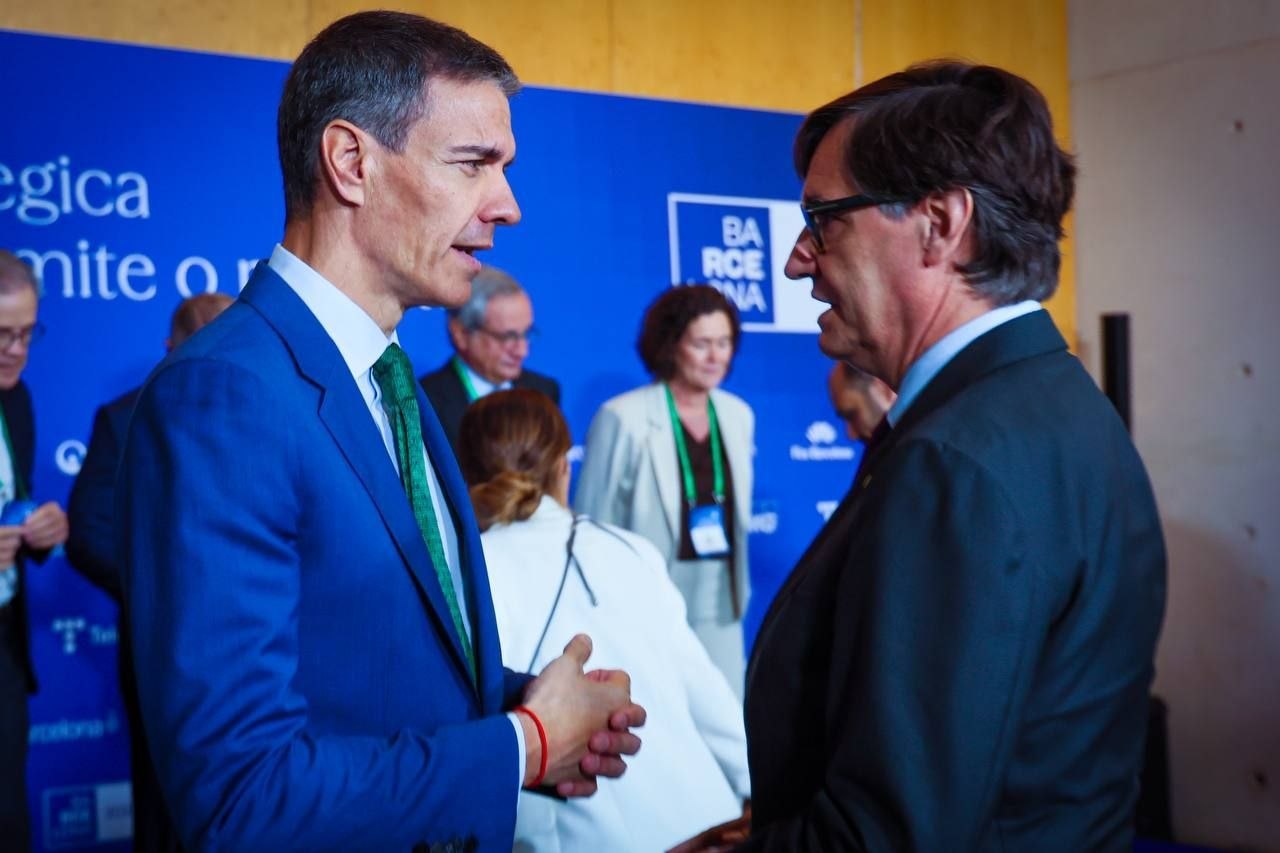
Salvador Illa reivindica que los socialistas se han ganado "el sello de la credibilidad" y avisa: "Ni nos doblegan ni nos callan" El presidente de la Generalitat y líder del PSC dice que no son "ingenuos ante lo que está pasando" y exige "respeto a la presunción de inocencia y las instituciones" Leer
elmundo · 3 months ago
Cine este Sorin Costreie, care ar putea prelua portofoliul Educaţiei, dacă Guvernul Tomac trece de Parlament Sorin Costreie (55 de ani) este propus pentru a prelua portofoliul de ministru al Educaţiei în viitorul cabinet Tomac. Costreie ocupă în prezent funcţia de consilier prezidenţial pentru educaţie şi cercetare în cadrul Administraţiei Prezidenţiale, poziţie în care a fost numit oficial la data de 17 noiembrie 2025 de către preşedintele Nicuşor Dan. Colaborarea dintre cei doi nu este nouă: în primăvara aceluiaşi an, filosoful a asigurat consultanţă pe probleme de educaţie în perioada campaniei electorale prezidenţiale.
digi24 · 3 months ago
Programul de guvernare. 15 din bugetul de stat pentru Educaţie până în 2030 Finanţare la nivel european pentru educaţie şi cercetare, reforma curriculară pentru competenţe cheie şi protecţia funcţiei şcolii ca instrument de reducere a inegalităţilor se află printre obiectivele din programul de guvernare al Cabinetului Tomac la capitolul Educaţie.
digi24 · 3 months ago
Programul de guvernare. Reţea de autostrăzi și drumuri expres de cel puţin 2.000 kilometri în 2028 Guvernul Tomac îşi propune să crească reţeaua de autostrăzi şi drumuri expres la cel puţin 2.000 de kilometri în 2028, de la aproximativ 1.650 de kilometri estimaţi la finalul lui 2026, să aducă Programul Transport 2021-2027 la o absorbţie de cel puţin 85 şi să redimensioneze personalul Companiei Naţionale de Administrare a Infrastructurii Rutiere (CNAIR), CFR SA şi Metrorex.
digi24 · 3 months ago
Premierul desemnat susţine că ar fi posibilă indexarea pensiilor de la 1 ianuarie 2027 Premierul desemnat Eugen Tomac susţine că pensiile ar putea fi indexate de la 1 ianuarie 2027, menţionând că în primele două luni de mandat va putea veni cu o cifră concretă bazată pe spaţiul bugetar disponibil pentru această măsură.
digi24 · 3 months ago
Eugen Tomac: pensiile ar putea fi indexate de la 1 ianuarie după o evaluare serioasă Eugen Tomac a vorbit, sâmbătă, despre propunerile formulate în programul de guvernare, care vorbește inclusiv despre indexarea pensiilor de la data de 1 ianuarie.
adevarul · 3 months ago