
U.S. to unveil new Iran sanctions as Tehran threatens Strait of Hormuz blockade

Story Timeline
9 days · 8 summary articles
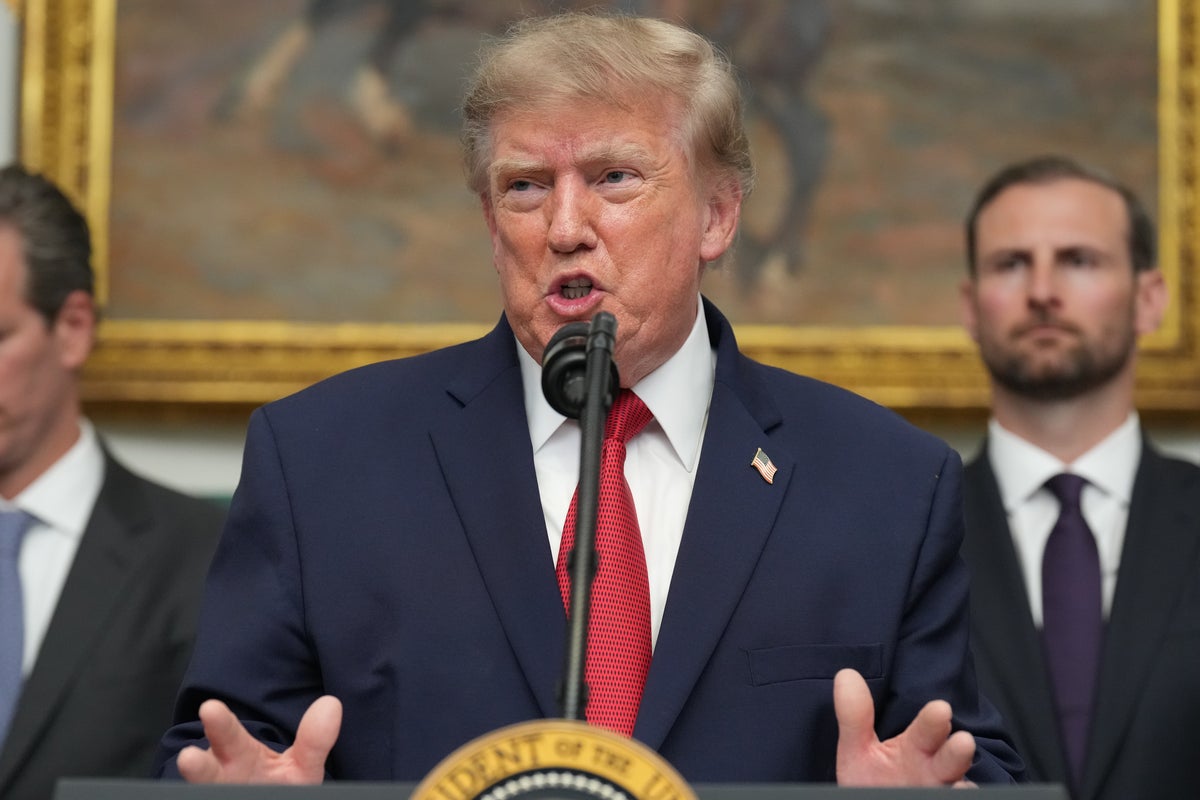
President Donald Trump declared on Monday that Iran is “completely collapsing” as the United States prepared to unveil a new round of economic sanctions against Tehran. The announcement, expected later in the day, follows weeks of escalating rhetoric and economic pressure, including a U.S. naval blockade that Washington claims has disrupted Iranian oil exports.
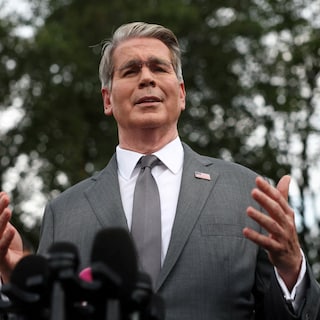
U.S. Treasury Secretary Scott Bessent described the measures as an “economic D-Day,” calling it “the single greatest financial offensive ever marshalled against an adversary.” In a post on X, Bessent said the campaign would target Iran’s remaining economic lifelines, urging allies to sever ties with Tehran. A source familiar with the plans told Reuters the Treasury would broaden secondary sanctions to penalize countries and entities maintaining business relations with Iran .
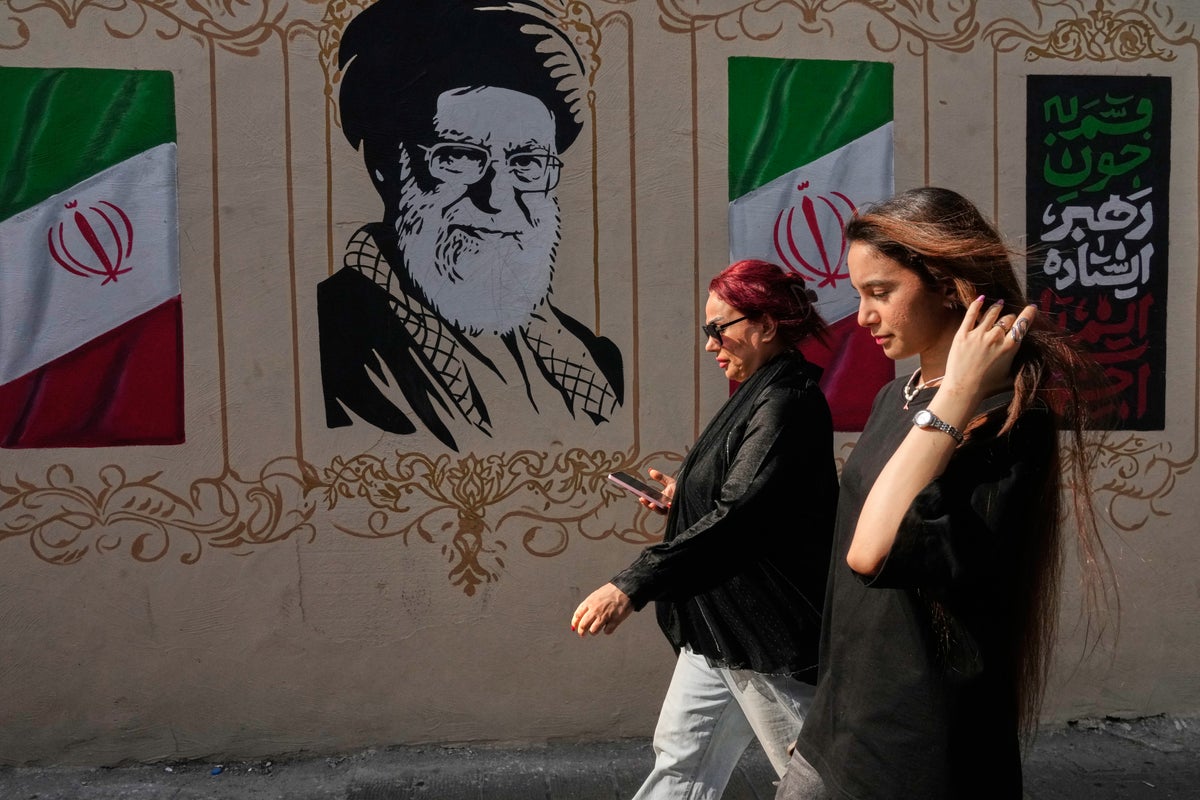
Iran dismissed the U.S. claims. Deputy Foreign Minister Kazem Gharibabadi mocked Bessent’s statements, writing on X that Washington’s assertions contradicted its own claims of having dismantled Iran’s military and nuclear capabilities. “Is this victory, or an admission of American defeat?” he asked. Iran’s Foreign Ministry also warned of “consequences” for nations cooperating with the sanctions, while security chief Mohsen Rezaei threatened an “earthquake-like” retaliation, including blocking oil exports through the Strait of Hormuz if regional states joined the U.S. effort.
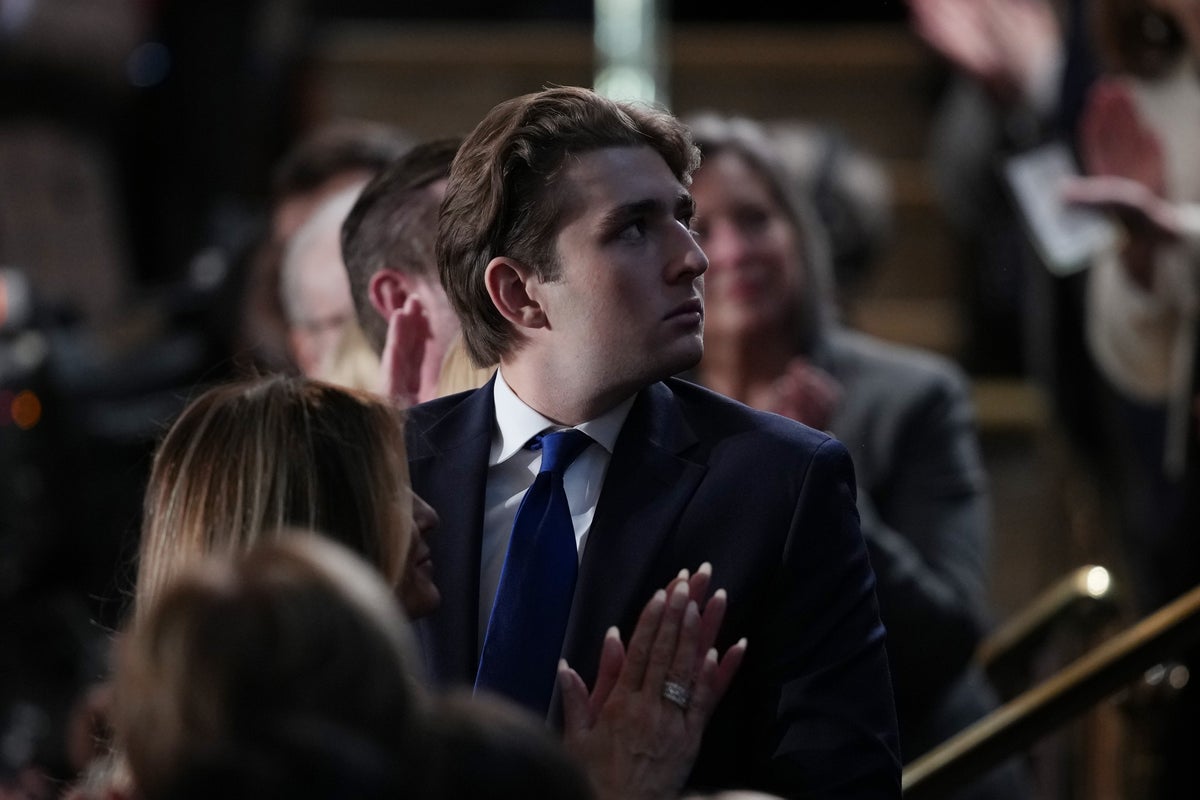
The economic strain in Iran deepened as the rial hit a record low of 2,016,400 to the dollar on the open market, according to Radio Farda. The currency’s plunge came amid rising inflation and unemployment, with the International Monetary Fund estimating Iran’s economy would contract by 5% this year. Iranian state media also broadcast a segment offering a $10 million bounty for information on Barron Trump, the president’s youngest son, showing alleged details of his movements and security arrangements .
Greece moved a Patriot missile system to Crete on Monday in response to reported Iranian threats against U.S. bases in Europe, including the Souda Bay naval facility. The Financial Times previously cited Iranian sources saying Tehran would strike U.S. targets in Europe if Washington intensified military pressure over the Strait of Hormuz .
China, Iran’s largest oil buyer, signaled it would not comply with the new sanctions. Foreign Ministry spokesperson Lin Jian said Beijing would take “necessary steps” to protect its interests, adding that sanctions and pressure tactics lead to escalation . Meanwhile, U.S. Central Command reported diverting 70 commercial vessels and disabling three since imposing the naval blockade on Iranian ports .
Iran’s President Masoud Pezeshkian defended a recent memorandum of understanding as the best path to resolve the conflict, stating it contained “not a single provision that amounts to capitulation.” The U.S. has demanded Iran reopen the Strait of Hormuz, where oil traffic has plummeted, with only 20 ships transiting the waterway over the weekend, according to Handelsblatt .
Follow us for live European news
- 2
- 2
- 2
- 2
- 2
- 2
- 1
- 1
- 1
- 1
2 further sources not geolocated
Articles

Iran calls Frances decision to expel two Iranian diplomats illegal Irans foreign ministry on Monday said Frances decision to expel two of its diplomats was illegal. Frances move came in retaliation for Tehrans decision not to allow two French diplomats to return to its territory. 👉 Read more:
telegram_France 24 · about 1 hour ago
Live - Trump: Iran stort volledig in elkaar • Vanavond maken de VS nieuwe economische sancties tegen Iran bekend
de morgen · about 1 hour ago
USA hotar Iran med ekonomiskt krig – kollapsar USA presenterar under måndagen nya ekonomiska sanktioner mot Iran, som man liknar vid en invasion.Iran står inför en kollaps, hävdar USA:s president Donald Trump.
svenska dagbladet · about 1 hour ago
US says it has diverted 70 ships enforcing Iran blockade US Central Command says it has diverted 70 commercial vessels and disabled three since resuming its naval blockade of Iran, which Tehran says has halted its oil exports.
intellinews · about 1 hour ago
Irans Gharibabadi mocks US Treasury chief over sanctions campaign Irans deputy foreign minister Kazem Gharibabadi mocks US Treasury Secretary Scott Bessent, calling his sanctions campaign an admission of American defeat rather than a victory.
intellinews · about 1 hour ago
Irans rial slides past 2mn per dollar on open market Irans rial has slid past IRR2,031,000 to the dollar on the open market, roughly halving in under a year as war, sanctions and a naval blockade drain the supply of hard currency.
intellinews · about 1 hour ago
US sanctions unlikely to get Tehran to bow down despite effect on population Iran has warned that Tehran would respond harshly to expanded U.S. sanctions, including measures against countries it sees as cooperating with Washington. The expanded sanctions come after weeks of impasse. The United States has not dislodged Irans grip on the Strait of Hormuz, through which a fifth of the worlds traded oil passed before the war started nearly six months ago. Now, Washington is hoping the extra sanctions will bring change. FRANCE 24s Reza Sayah tells us about the atmosphere in Iran, from Tehran.
france24 · about 1 hour ago
Iran claims there is a $10 million bounty on Barron Trump Iranian state media has released footage claiming President Donald Trumps youngest son is being fully monitored, according to a new report
independent · about 2 hours ago
Iran threatens 46 ships in Strait of Hormuz transit crackdown Tehran said vessels violated protocols for travelling across waterway and could face fines or confiscation
financial times · about 2 hours ago
South Korea says US cancelled joint marine drills over force constraints from Iran war The cancellation follows US President Donald Trumps order last week to scale down the separate annual Ulchi Freedom Shield exercises, cutting the joint drills from 11 days to five.
euronews · about 2 hours ago
Iranian state TV broadcasts video targeting Barron Trump with $10m bounty Tehran state-run media has broadcast footage purportedly tracking US President Donald Trumps youngest son, showing the location of his university, escort vehicles and Secret Service posts, and alleging his movements were "fully monitored".
euronews · about 2 hours ago
Irans Currency Plunges As Washington Readies Economic D-Day Irans already battered economy is showing renewed signs of stress as Washington prepares to unveil what US officials have described as some of the toughest sanctions yet against Tehran.
radio free europe · about 2 hours ago

Looming US sanctions on Iran put China oil buying in spotlight reut.rs/4wNsVK9
bluesky_Reuters · about 2 hours ago

U.S. Treasury to broaden scope of secondary sanctions on Iran, source says reut.rs/3URvtcH
bluesky_Reuters · about 2 hours ago

Explainer: What are Irans options to escalate further in face of US economic threats? reut.rs/4gy2eTG
bluesky_Reuters · about 2 hours ago
Middle East live: Iran warns of a harsh response to anticipated US sanctions Irans foreign ministry spokesperson on Monday warned that Tehran would respond harshly to expanded US sanctions, including measures against countries it sees as cooperating with Washington. The prospect of expanded sanctions comes after weeks of impasse, with the United States having not yet dislodged Irans grip on shipping through the Strait of Hormuz. Follow our liveblog for the latest updates. 👉 Read more:
telegram_France 24 · about 2 hours ago
Greece moves Patriot system to Crete over reported Iran threats to US bases The Financial Times reported last week, quoting Iranian sources, that Iran would fire missiles at US targets in Europe if President Donald Trump steps up military pressure over the Strait of Hormuz.
euronews · about 2 hours ago

"LIran seffondre complètement" : Donald Trump durcit le ton avant lannonce de nouvelles sanctions économiques La pression américaine sur lIran va encore monter dun cran. Donald Trump affiche une nouvelle fois sa fermeté alors que Washington prépare de nouvelles mesures économiques contre Téhéran. ...
la libre · about 2 hours ago
Iran will den Krieg mit den USA eskalieren: Teheran hofft auf Trumps Niederlage bei den Midterms Donald Trumps Zustimmungswerte sind auf einem Tiefpunkt. Das liegt ganz wesentlich am Iran-Krieg. Was das Regime in Teheran sich von einer Fortsetzung des Konflikts erhofft – und was es riskiert.
tagesspiegel · about 2 hours ago
Kommentar: Trumps „D-Day-Drohung verfängt aus einem simplen Grund nicht Die USA können den Iran militärisch nicht bezwingen und versuchen es jetzt mit einem Wirtschaftskrieg. Doch die Erfolgsaussichten sind nicht besser als die des Waffengangs.
handelsblatt · about 2 hours ago

China vows to protect rights as US readies Iran sanctions Chinese Foreign Ministry spokesperson Lin Jian warned on Monday that sanctions and pressure tactics lead to escalation, vowing that Beijing will take necessary steps to safeguard its interests as Washington prepares sweeping economic penalties targeting Tehran and its trading partners.
yenisafak · about 2 hours ago

USA laddar för ekonomisk storslägga mot Iran – kräver hjälp av andra länder Efter månader av växlande krig och förhandlingar är läget i konflikten mellan USA och Iran fortfarande låst. Nu hotar Washington med en ekonomisk D-dag mot Teheran. För detta krävs dock att andra länder är ombord.
dagens nyheter · about 2 hours ago
USA verkünden „Endrunde: Im Iran werden das Fleisch und das Geld knapp [premium] Nahost. Die USA verhängen neue, harte Wirtschaftssanktionen gegen Teheran. Der Iran droht mit Militärschlägen gegen Nachbarländer, die bei den neuen US-Sanktionen mitmachen. Wegen der Eskalation starten Vermittler neue Gespräche.
die presse · about 2 hours ago
Mideast live: Trump claims Iran is completely collapsing as US readies new sanctions President Donald Trump on Monday said Iran is "completely collapsing" in a message posted on social media just hours before the US was set to announce details of new sanctions against Tehran. Irans foreign ministry has warned that Tehran will respond harshly to expanded sanctions, including measures against countries cooperating with Washington. Follow our liveblog for the latest updates.
france24 · about 2 hours ago
What could new US sanctions on Iran entail? The US says it is preparing to announce new sanctions on Iran. Its been billed an economic D-day and is expected to add further pressure on the countrys economy thats already been battered from previous sanctions and a US naval blockade. The renewed economic pressure would not be the first time the US has used economic tools at its disposal to corner Iran. But what could the new measures likely entail?
france24 · about 2 hours ago
Trumps Economic D-Day for Iran arrives - but he is running out of cards to play The U.S. president has threatened to impose unprecedented economic punishment on Iran, but experts tell Maira Butt that China may prove a huge obstacle
independent · about 2 hours ago
Iran warns of a harsh response to anticipated US sanctions and other Middle East news Iran has warned that U.S. sanctions set to be announced would not bring peace to the region
independent · about 2 hours ago
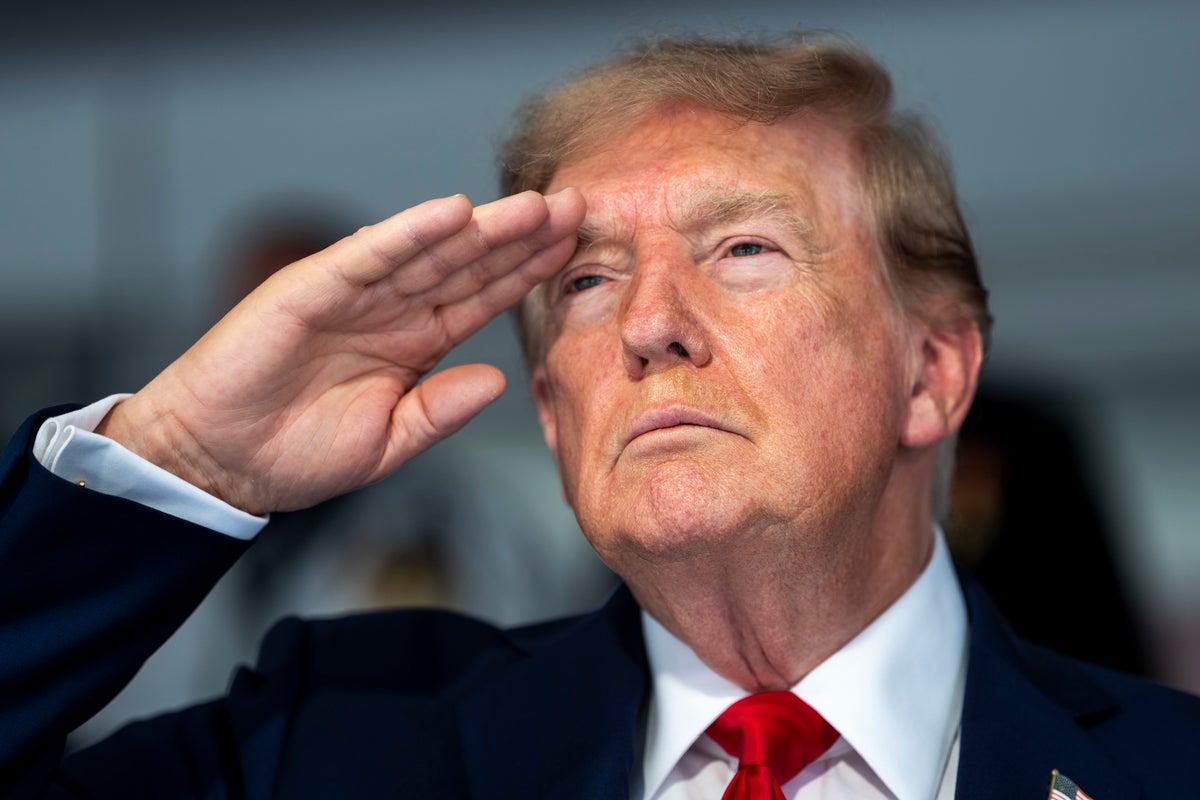
Iran-US war latest: Iran is completely collapsing says Trump as US to announce worst sanctions in history against Tehran Irans new security chief warns Gulf neighbours they will be treated as enemies if they join Trumps economic war
independent · about 2 hours ago
Irans rial currency hits new record low as US prepares to announce more sanctions Irans currency has hit a record low as Washington prepares to announce new sanctions
abcnews · about 2 hours ago
Swiss engineering sector weathers geopolitical turmoil Swiss precision and electrical engineering companies continue to show strong resilience despite the war in the Middle East and United States tariffs, according to industry association Swissmem. "The recovery in the Swiss technology sector is continuing. However, it remains fragile, unevenly distributed and has recently lost momentum," said Stefan Brupbacher, director of Swissmem. Business expectations for the next 12 months point to cautious optimism. More than a third anticipate an increase in orders from abroad, whilst 41 expect levels to remain stable. Positive signs are emerging from the Purchasing Managers Index, which points to growth in almost all major markets. However, the Swiss metalworking and electrical engineering association is keen to highlight the many risks facing Swiss companies. Swissmem cites the ongoing war in Iran, rising costs and supply chain difficulties. US customs duties of 12.5 in force since the end of July, which are 2.5 percentage points higher ...
swissinfo · about 2 hours ago