Loading…
 Saturday, September 26Saturday, September 26
3 months · 3 summary articles
Soviet nostalgia resurges: Baltic states combat Seventeen Moments of Spring disinformation
Tallinn resident wages dawn noise war against late-night neighbours
President Karis warns of modern echoes of Soviet-era violence at June deportations memorial
The Soviet-era cult classic *Seventeen Moments of Spring* (1973) has unexpectedly resurfaced as a cultural touchstone in 2026, with Estonian officials and analysts noting its renewed relevance amid intensified scrutiny of Russian media narratives. On Sunday, 21 June 2026, Estonian Minister of Culture Kallase’s office confirmed that the 1973 miniseries—once a propaganda staple of the USSR—is being monitored for its modern-day echoes in social media content produced by exiled Russian authors. Teet Korsten, writing for the Estonian government’s press office , observed that while Russian-language media spaces are increasingly dominated by voices from exile, the ideological undercurrents of the series continue to circulate, prompting renewed attention from Baltic cultural institutions.
The phenomenon reflects broader concerns across Central and Eastern Europe about the weaponization of nostalgia in disinformation campaigns. In Hungary, Péter Magyar’s Monday announcement of asset-recovery plans and reforms targeting public officials—dubbed “Closing the Puppets’ Struggle” —signals a direct challenge to lingering Soviet-era influence in state institutions. Analysts suggest that the resurgence of *Seventeen Moments of Spring* in digital discourse may be a deliberate tactic to soften resistance to such reforms, particularly among older demographics accustomed to Soviet narratives.
Meanwhile, the Baltic states are not alone in grappling with the legacy of Soviet cultural artifacts. In the Czech Republic, regional broadcasters have documented a surge in local interest in Soviet-era symbols, from newly restored organs in St. Vitus Cathedral to viral social media trends exploring “crystal skull” mysteries . Czech Radio’s regional network reports that these phenomena are being studied not as isolated curiosities, but as part of a coordinated effort to map the persistence of Soviet cultural influence in Central Europe.
The renewed focus on *Seventeen Moments of Spring* comes as social media influencers—particularly in Lithuania—are being scrutinized for their role in amplifying pro-Kremlin narratives under the guise of lifestyle content. A report by Lithuanian public broadcaster LRT cites analyst Alfredas Chmieliauskas, who argues that seemingly apolitical Facebook groups dedicated to fashion or home décor are increasingly seeding geopolitical disinformation, leveraging the trust built through lifestyle content to normalize Soviet-era propaganda .
For Estonian and Latvian cultural ministries, the challenge is twofold: to preserve historical memory while preventing its exploitation in modern disinformation. Korsten’s office has indicated that a joint Baltic-Russian media literacy initiative will be announced in July, aimed at countering the romanticization of Soviet narratives in digital spaces. The initiative follows a pattern seen in Poland and Slovakia, where governments have launched similar programs to inoculate younger audiences against nostalgia-driven propaganda.
Follow us for live European news
1 further source not geolocated

Behind the propaganda: why makeup influencers are suddenly talking politics When a Facebook group dedicated to selling second-hand clothes or home fragrances suddenly starts posting about government scandals and geopolitical conspiracies, most users scroll past without a second thought. That, according to analyst Alfredas Chmieliauskas, is precisely the point.
lrt · 3 months ago
S podelitvijo nagrad in poklonom Alešu Valiču se končuje Borštnikovo srečanje V Mariboru se bo nocoj s podelitvijo nagrad sklenil 61. Festival Borštnikovo srečanje. Za festivalske nagrade se poteguje 12 lanskih slovenskih gledaliških uprizoritev. Osrednjo nagrado, Borštnikov prstan, bodo izročili Alešu Valiču.
rtv slovenia · 3 months ago
EESTI JAANIKOMBED ⟩ Pärjad lehmade peas ja Jaan seoti voodi külge kinni Üks eestlaste kahest tähtsamast pühast jõulude kõrval – jaanilaupäev – on ukse ees, kirjutab folklorist Merili Metsvahi.
postimees · 3 months ago
Mi magunk vagyunk a baj, amely rendnek tetteti magát Filozófia azoknak, akik szeretik, ha egy csalóistenség a bolondját járatja velük: Báyò Akómoláfé nem kínál tanácsokat arra, hogy hogyan kéne élnünk, de megmutatja, mennyi szépség rejlik a repedésekben.
444.hu · 3 months ago
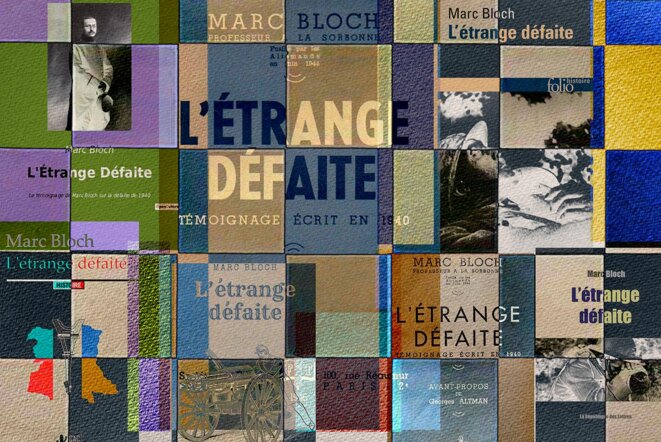
Létrange destin de «LÉtrange Défaite» «LÉtrange Défaite» de lhistorien Marc Bloch, qui doit entrer au Panthéon le 23 juin, est étonnamment convoquée aux deux bords de léchiquier politique. Son livre publié en 1946 rencontre un succès contemporain qui en dit autant sur notre époque que sur la richesse du texte lui-même.
mediapart · 3 months ago
«Бухта Вдов» — неожиданный телехит этого лета. Об ужасах в маленьком городке. Не спешите пролистывать — от «Очень странных дел» и «Твин Пикса» его отличает очень многое Сериал Apple TV «Бухта Вдов» стал неожиданным хитом весны-лета, будто пришедшим на замену «Очень странным делам» — это очередная история ужасов в маленьком американском городке. Журналист Георгий Биргер рассказывает, чем сериал так зацепил зрителей, и почему он куда глубже, чем может показаться.
meduza · 3 months ago
Marc Bloch au Panthéon : pour résister à la pente identitaire, il faut «faire coïncider connaissance et reconnaissance» La panthéonisation de lhistorien, fusillé par les Allemands parce que résistant, banni de la France par Vichy parce que juif, doit permettre de parler de façon claire des démons qui traversent le pays aujourdhui.
liberation · 3 months ago
Vom überlebten Krebs wieder zurück ins Leben [premium] Ist eine Krebserkrankung überstanden, heißt das nicht automatisch, dass man das gewohnte Leben wieder aufnehmen kann. Es braucht Zeit, Geduld und manchmal auch therapeutische Begleitung.
die presse · 3 months ago
Herzensbildung: Am Ende will doch jeder ein guter Mensch sein Die Angst vor den Wahlen im September spürt man schon heute. Haben die Wähler denn keine Werte, keine Herzensbildung? Es ist doch so: Man wählt nur mit dem Herzen gut.
die zeit · 3 months ago
Lia Olguța Vasilescu, ironii la adresa celor care nu apreciază noul mobilier din Craiova: „Ia să auzim criticii de artă urbană Primarul municipiului Craiova, Lia Olguța Vasilescu, a ironizat pe rețelele sociale persoanele care critică noile elemente de mobilier urban montate în oraș, după inaugurarea unei stații de autobuz tematice în zona Aeroportului Internațional Craiova.
adevarul · 3 months ago
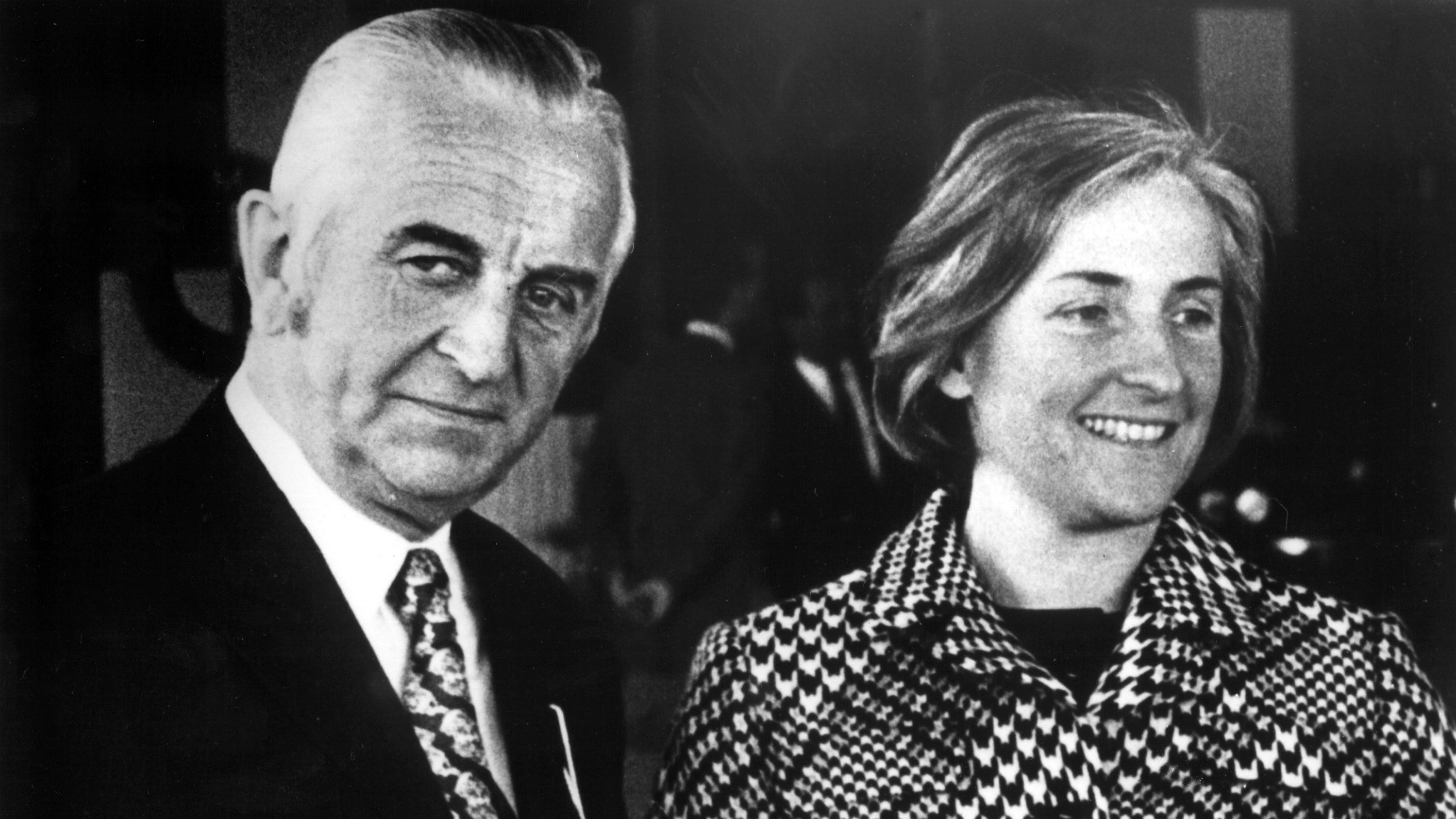
Johanna Quandt: Stefan Quandt erinnert an die Brüche im Leben seiner Mutter Der Herbert Quandt Medien-Preis wurde am 100. Geburtstag von Johanna Quandt verliehen. Zu ihren Ehren kündigt die Familie einen Jubiläumsfonds in Millionenhöhe an.
faz · 3 months ago
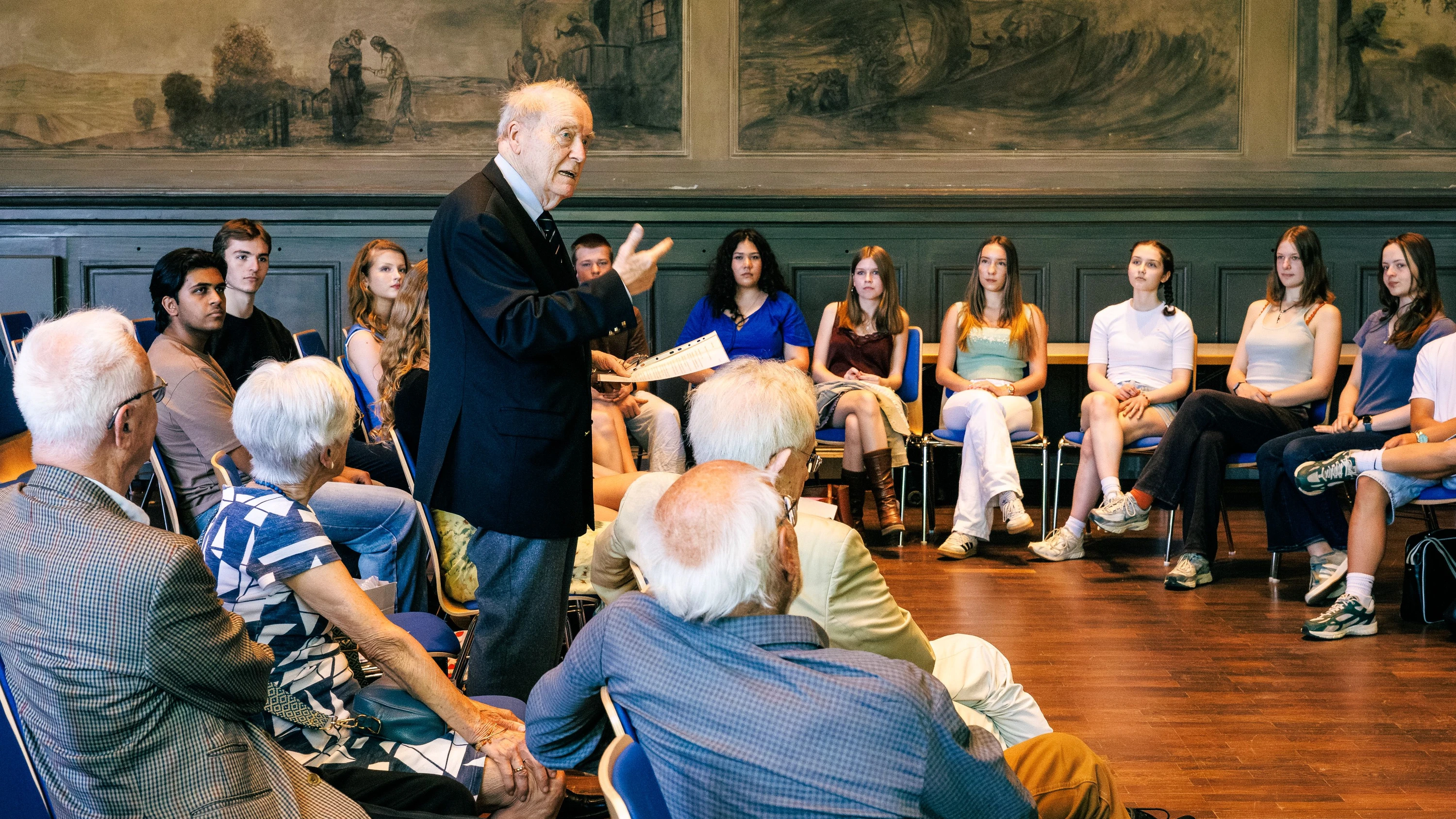
Abi 1956 trifft Abi 2027: „Helga, gehen Sie nach Hause und lernen Sie kochen Es ist ein Klassentreffen der besonderen Art: Sieben Jahrzehnte nach ihrem Abschluss treffen ehemalige Abiturienten eines Frankfurter Gymnasiums auf Schüler von heute. Was sie den jungen Menschen zu sagen haben.
faz · 3 months ago
Janice Blok zet eigen dateleed om in theatershow: Het ligt niet altijd aan de ander Het liefdesleven van Janice Blok (34) gaat niet altijd over rozen. Ze verlangt naar een relatie, maar de juiste match laat op zich wachten. Haar liefdesperikelen vormen inmiddels de inspiratie voor een theatershow.
rtl nieuws · 3 months ago
Peter Gabriel Stark: Nemôžem povedať, že som pravý Slovák, ale som pravý Američan Peter Stark je jediným priamym potomkom rodu Starkovcov, ktorí v 19. storočí vybudovali v Liptovskom Mikuláši Starkovskú liehovar, ktorý funguje dodnes. Po jeho arizácii a znárodnení existuje ako spoločnosť St. Nicolaus, dnes najväčší výrobca liehovín na Slovensku. S touto firmou však už Peter Stark nemá nič spoločné, aj keď meno jeho predka Armina sa ocitlo v názve jedného z produktov.
aktuality.sk · 3 months ago
ZEIT WISSEN. Woher weißt du das? / Lügen: Haben Lügen kurze Beine? Wir alle lügen manchmal – wie weit kommt man damit? Der ZEIT-Wissenspodcast diskutiert, ob Lügen ok ist: im Alltag, in der Politik oder wenigstens in der Mathematik.
die zeit · 3 months ago
Sellist värvi mänguasju pole mõtet kassile kinkida, sest ta ei näe neid Kuigi kassid ei näe maailma päris samades värvides nagu inimesed, ei tähenda see, et nende nägemine oleks kehvem. Tegelikult on kasside silmad kohanenud hoopis teistsuguste ülesannetega – näiteks hämaras liikumise märkamiseks ja öiseks jahipidamiseks.
postimees · 3 months ago
Turistické trasy a papírna se znakem vlaštovky. Otec Krkonoš chtěl, aby se dělníci cítili dobře v práci Prosper Piette de Rivage a jeho výjimečný příběh. Jako jeden z prvních cizinců se rozhodl investovat v krkonošských horách a zapsal se do krajiny Východních Krkonoš i svými pokrokovými názory a činy. Ne náhodou si tak vysloužil přezdívku otec Krkonoš. Papír firmy Piette je navíc známý po celém světě.
irozhlas.cz · 3 months ago
Addio trucco pesante, il make-up per il matrimonio ora è naturale come quello di Dua Lipa: i prodotti furbi e i consigli per spose, damigelle e invitate Il 2026 verrà ricordato come lanno dei matrimoni da star: Zendaya e Tom Holland (in gran segreto) Charles Leclerc e Alexandra Saint Mleux, e ora Dua Lipa e Callum Turner – prima con una cerimonia intima a Londra, poi con una grande festa a Palermo. Nello stesso weekend, tra laltro, è stato celebrato un vero […] Larticolo Addio trucco pesante, il make-up per il matrimonio ora è naturale come quello di Dua Lipa: i prodotti furbi e i consigli per spose, damigelle e invitate proviene da Il Fatto Quotidiano.
il fatto quotidiano · 3 months ago
Opendoen voor de deurwaarder lijkt een zeldzaamheid: Bang iets te verliezen Deurwaarders hoeven geen streng uitziende, potige mannen meer te zijn, bewijst deurwaarder Pieter Bas Vermeulen. NU.nl liep een dag met hem mee, maar ondanks zijn vriendelijke voorkomen bleven de meeste deuren dicht. "Ik voel me soms net een veredelde postbode."
nu.nl · 3 months ago
Zelfs de cast verdwaalt soms in de wereld van House of the Dragon De serie House of the Dragon gaat over een complex web van familiebanden en politieke intriges. Je moet je aandacht er dus goed bij houden bij de Game of Thrones-spin-off. Zelfs de acteurs zelf volgen het plot niet altijd, vertellen ze aan NU.nl.
nu.nl · 3 months ago
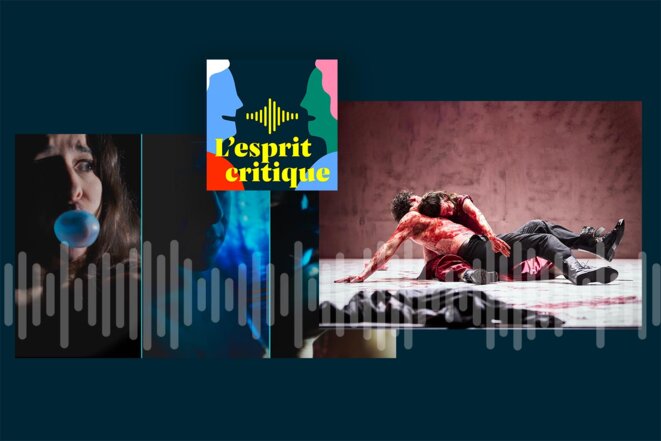
«Lesprit critique» théâtre: lamazone et lodalisque Le podcast culturel de «Mediapart» évoque «Penthésilée» de Heinrich von Kleist, mis en scène par Michael Thalheimer, et «Coming Soon», de la chorégraphe Soraya Leila Emery.
mediapart · 3 months ago

De qui est-on la mère?, interroge Camille Hazoumé Une narratrice qui ne veut pas denfant se met à rêver dun bébé «tout fait», au moment même où sa grand-mère maternelle est placée en Ehpad. Et plutôt que vers un nouveau-né, elle se tourne vers le corps qui samenuise dune personne en fin de vie.
mediapart · 3 months ago

Die Religion ist in Europa nicht tot. Sie heißt jetzt nur anders Unsere Gesellschaft kappt ihre christlichen Wurzeln, der Ton gegenüber Juden wird feindseliger. Doch die Islamisierung, die sich nicht mehr leugnen lässt, sollen wir als Bereicherung empfinden.
welt.de · 3 months ago

Flinta-Kollektiv Sapphic Pearls: Sie wollen Frankfurt zu einer „queeren Stadt machen Nach der Schließung der Lesbenbar La Gata will das Frankfurter Kollektiv Sapphic Pearls noch dieses Jahr einen neuen queeren Treffpunkt eröffnen. Zwei Mitglieder sprechen über Empowerment und Safer Spaces.
faz · 3 months ago

Reinhold Messner: Ist der Mythos Everest nur noch ein PR-Gag? Mehr als 1000 Besteigungen in einer Saison: Droht der höchste Berg der Welt zur Modetrophäe zu werden? Bergsteiger-Legende Reinhold Messner erklärt, wie sich das Erlebnis am Mount Everest verändert hat.
faz · 3 months ago

Ana Cláudia Santos: competência para contar A autora prima pela mestria com que doma a estrutura do conto, e fá-lo com uma discrição elegante, já que a qualidade nunca se impõe como demonstração de força, como insegurança que precisa de encontrar formas de atirar virtudes ao leitor
observador · 3 months ago

Combattre le masculinisme ne se fera pas sans les hommes On entend beaucoup parler aujourdhui du besoin déduquer les hommes, mais cela ne pourra se faire sans définir lhomme. Doù limportance dune éducation à la différence plutôt quà légalitarisme. ...
la libre · 3 months ago
Trafikverket varnar: Flaskhalsar och kökaos Efter sill, dans och jordgubbar väntar nu nästa klassiker: hemresan från midsommarfirandet.På Ölandsbron råder det just nu mycket långa köer.Trafikverket manar till lugn i bilkaoset.– Ta en klunk vatten och käka ett äpple, säger Denny Josefsson på Trafikverket.
expressen · 3 months ago

Mort de James Burrows, réalisateur incontournable de séries, de « Friends » à « The Big Bang Theory » Le réalisateur aux 11 Emmy Awards, et à lorigine de succès populaires comme le « Mary Tyler Moore Show » ou « Cheers », a redéfini les contours de la sitcom américaine moderne.
le monde · 3 months ago
Lange Nacht der Autor*innen im Deutschen Theater: Die echten Dramen spielen sich woanders ab Dramatiker auf Realitätsflucht: Bei der Langen Nacht der Autor*innen geht es spaßig zu. Dass eins der Stücke eine längere Karriere hinlegt, ist unwahrscheinlich.
tagesspiegel · 3 months ago