Loading…
 Saturday, September 26Saturday, September 26
4 months · 5 summary articles
Switzerland is experiencing a severe housing crisis driven by rising rents, limited housing supply, and rapid population growth, which has intensified political pressure for stricter migration and population control policies. The affordability crisis has become a central economic debate in 2026, with calls for measures to curb migration to alleviate pressure on the housing market .
In Romania, economic uncertainty and high inflation are reshaping labor dynamics, with over half of employees believing they are underpaid relative to market rates. Rising living costs and job insecurity are altering workers' relationships with employers, as companies struggle to retain talent amid financial strain . Meanwhile, Italy faces growing inequality, with 11 million people at risk of poverty due to rising living costs and stagnant wages. The crisis disproportionately affects young people and women, who face limited social mobility and persistent gender disparities in caregiving roles . Italian Deputy Prime Minister Antonio Tajani sparked controversy by suggesting that increasing birth rates could reduce reliance on migrant labor, a statement criticized by opposition parties advocating for policies supporting youth and women instead .
Spain’s housing crisis has reached historic lows in youth emancipation, with rents consuming up to 98.7% of individual salaries for young workers. As a result, seven out of ten employed young adults remain in their family homes due to unaffordable housing costs . In contrast, single Gen Z women in the U.S. are purchasing homes at higher rates than their male counterparts, despite broader affordability challenges, reflecting shifting gender dynamics in housing markets .
Migration is increasingly recognized as a permanent factor in urban planning, with experts urging governments to integrate it into long-term strategies rather than treating it as a temporary crisis. The International Organization for Migration (IOM) emphasized this shift at the World Urban Forum, highlighting the need for sustainable policies to address labor shortages and demographic changes . Denmark is actively addressing labor shortages by recruiting skilled workers from South Asia, aiming to improve perceptions of non-EU labor and foster better integration .
Follow us for live European news

Switzerland Housing Crisis Fuels Explosive Population Cap Push as Rent Pressure Surges Zurich 2026 ZURICH, Switzerland – May 22 – Brussels Morning Newspaper — Switzerland housing crisis concerns are intensifying across major economic regions as rising rents, low housing supply, and continued population growth increase political pressure for tougher migration and population control policies. The issue has become one of the countrys most closely watched economic debates during 2026 as affordability problems continue […]
brussels morning · 4 months ago
Poate evita România transformarea recesiunii într-o criză economică? Expert: „Facturile vor fi cea mai grea piatră de moară Românii depind în mare măsură de deciziile statului pentru evitarea unei crize economice, însă capacitatea lor de adaptare rămâne esențială într-o perioadă marcată de incertitudine. Mulți au devenit mai atenți la consum, la datorii și la cheltuielile pe care le pot reduce.
adevarul · 4 months ago
We would like to create a good reputation for South Asian workers: the internationals who want to change Denmarks view of non-EU labor Founded in December 2024, Skill Bridge ApS connects skilled workers from South Asian countries to Danish employers facing labor shortages. Behind the idea are Suraj Nair and Sanoj Dias, hoping to change how non-EU workers are perceived and treated in Denmark
cphpost · 4 months ago
Cele mai vândute cărți în România din 2011 încoace. Cum s-au schimbat preferințele de lectură ale românilor De la romanele de dragoste și volumele despre succes la cărțile despre traumă, anxietate și sensul vieții, topurile de vânzări arată transformările prin care a trecut societatea românească în ultimii 15 ani.
adevarul · 4 months ago
Il Paese piegato dalle disuguaglianze: a pagare il conto sono giovani e donne Il report mostra lascensore sociale rotto: i trentenni stanno peggio dei loro genitori. E il lavoro di cura è ancora tutto femminile
corriere · 4 months ago
Undici milioni a rischio povertà: allarme Istat su carovita e salari Tajani: Se facciamo più figli, possiamo ridurre la presenza di migranti. Il Pd lo attacca: Assurdità
corriere · 4 months ago
Jumătate dintre români cred că sunt plătiți sub valoarea muncii lor. „Angajatorii vor păstra talentele care definesc următorul deceniu Inflația ridicată, scumpirile și nesiguranța economică schimbă rapid relația românilor cu locul de muncă. Un sondaj realizat în România și alte patru țări din regiune arată că peste jumătate dintre angajații români consideră că sunt plătiți sub nivelul pieței.
adevarul · 4 months ago
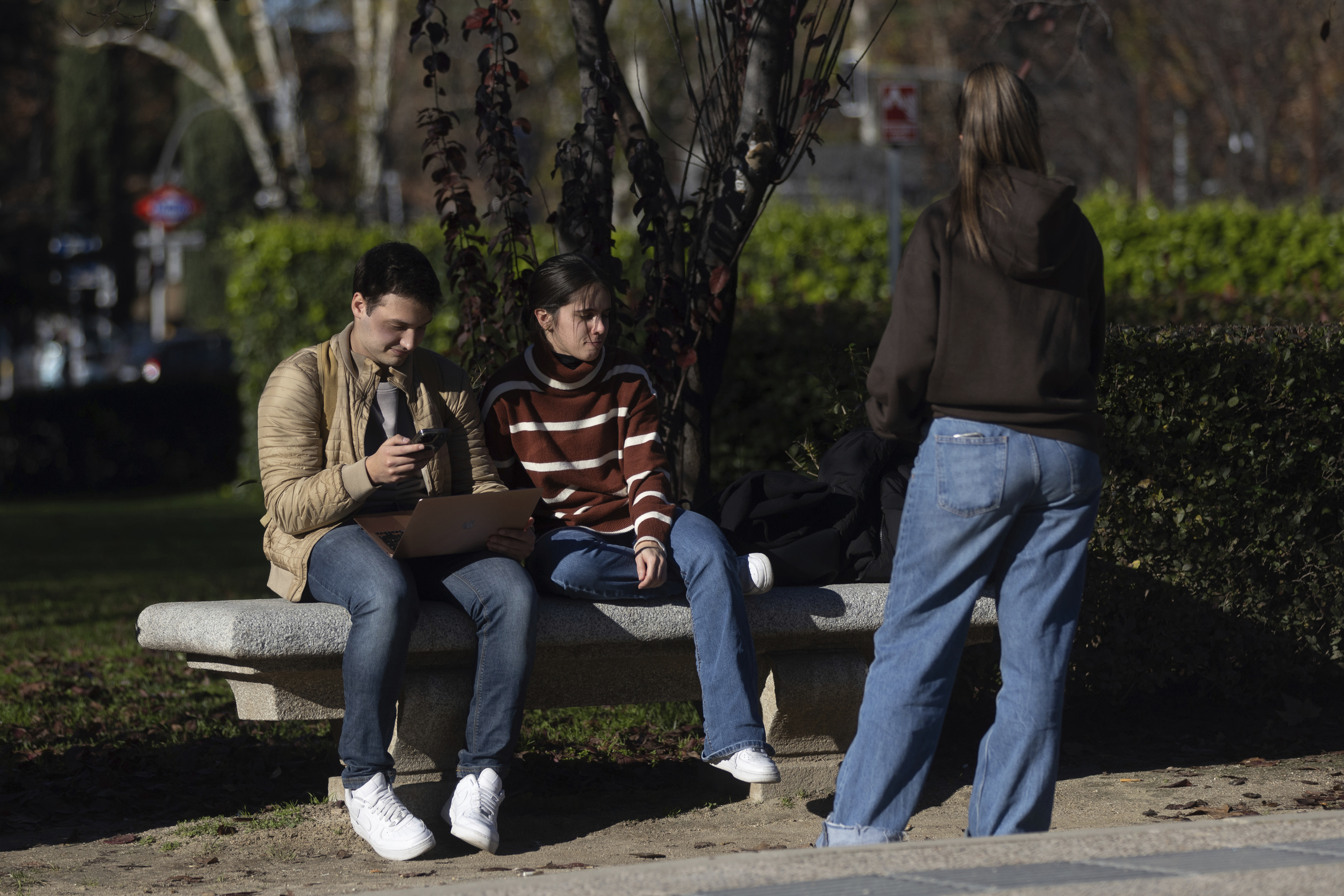
El alquiler hunde la tasa de emancipación en España hasta la peor cifra de su historia: se lleva el 98,7 del salario juvenil en pisos individuales y más del 33 en compartidos Siete de cada 10 jóvenes siguen viviendo en el hogar familiar pese a contar con un empleo Leer
elmundo · 4 months ago

Cities must plan for migration as permanent reality, experts say at World Urban Forum Governments must treat migration as a permanent feature of urban planning, not an emergency, the IOM deputy director general told Euronews at the World Urban Forum in Baku.
euronews · 4 months ago
Single Gen Z Women Buy More Homes Than Men of the Same Age Single Gen Z women are buying homes at much higher rates than single men of the same age, despite rising housing costs and affordability pressures across the United States. New survey data from the National Association of Realtors found that single Gen Z women accounted for 35 of homebuyers in their generation between July 2024 […]
greek reporter · 4 months ago
Tajani: Se facciamo più figli possiamo ridurre il numero di migranti regolari. Il Pd attacca Il vicepremier al Festival del Lavoro: Più cè denatalità, più abbiamo bisogno nelle nostre imprese di lavoratori stranieri. Con ciò che ne consegue, lintegrazione, i rischi di immigrazione irregolare. I dem Boccia, Valente e DElia: Servono politiche per donne e giovani
corriere · 4 months ago
Economia în era digitală: cum schimbă tehnologia regulile banilor Transformarea digitală a economiei nu mai este o tendință viitoare, ci o realitate care rescrie modul în care sunt făcute plățile, cum se acordă creditele, cum sunt luate deciziile de business și chiar cum arată piața muncii.
adevarul · 4 months ago