
Europe's child poverty crisis deepens: Finland sees 12 surge as mental health toll rises
Story Timeline
4 months · 4 summary articles
The number of children living in poverty across Europe has risen sharply in the first half of 2026, with Finland reporting a 12% increase in child poverty rates compared to the same period last year. The data, released by the Finnish National Bureau of Statistics, underscores a growing crisis that experts warn could have long-term consequences for an entire generation.
Child poverty in Finland had been declining steadily since 2015, but the trend reversed in early 2026, with the most affected regions being Uusimaa and Pirkanmaa. Social workers report a surge in families seeking food assistance and emergency housing, while schools in low-income areas note higher rates of absenteeism and behavioral issues among students. The Finnish government, led by the National Coalition Party (RKP), has pledged to address the issue through expanded child allowances and subsidized school meal programs, but critics argue the measures do not go far enough.
The crisis is not confined to Finland. Across the continent, child poverty rates have climbed, driven by inflation, housing shortages, and cuts to social welfare programs. In Slovakia, therapists report a rise in cases of depression and sleep disorders among young people, attributing the trend to economic uncertainty and the pressures of modern life. “Excessive rumination can erode both health and self-esteem, and it disproportionately affects women,” says psychologist Mária Kováčová, who has observed a 20% increase in adolescent patients struggling with anxiety.
Meanwhile, in Estonia, childcare experts are urging parents to avoid exposing children to adult anxieties, particularly around financial stress. “Children should not carry the burden of problems they cannot understand or solve,” warns family therapist Liisa Mets, who has worked with families in Tallinn. Her advice comes as a 2025 study by the Estonian Ministry of Social Affairs found that children exposed to parental financial stress were 30% more likely to develop emotional or behavioral issues.
The mental health toll is also evident in Switzerland, where postpartum depression rates have surged by 15% in the first quarter of 2026. Many affected mothers face the dual pressure of caring for newborns while maintaining employment, leading to calls for better workplace support. “Employers must recognize that maternal mental health is not just a personal issue—it’s an economic one,” says Dr. Anna Huber, a psychiatrist in Zurich.
As Europe grapples with these challenges, the European Commission is expected to propose a continent-wide strategy to combat child poverty later this year. The plan may include expanded child tax credits, universal school meal programs, and mental health support for families. But with economic pressures persisting, the window for meaningful intervention may be closing.
Follow us for live European news
- 1
- 1
- 1
- 1
- 1
- 1
- 1
1 further source not geolocated
Articles

EKSPERT KINNITAB ⟩ Üks teema, millest ei tohiks laste kuuldes rääkida Pisipere kasvatamisel peaksid vanemad olema ettevaatlikud ühe kindla teema arutamisel oma laste ees. Need täiskasvanute mured võivad jätta lapsele koorma, mida ta ei suuda mõista ega kanda.
postimees · 4 months ago

O caso do jovem que não sabia o que queria da vida O psicólogo Pedro Aires Fernandes acompanhou um paciente de 23 anos muito desligado e desinteressado da vida. O caso inquietou-o e levou-o a interrogar-se como terapeuta, como homem e como pai.
observador · 4 months ago
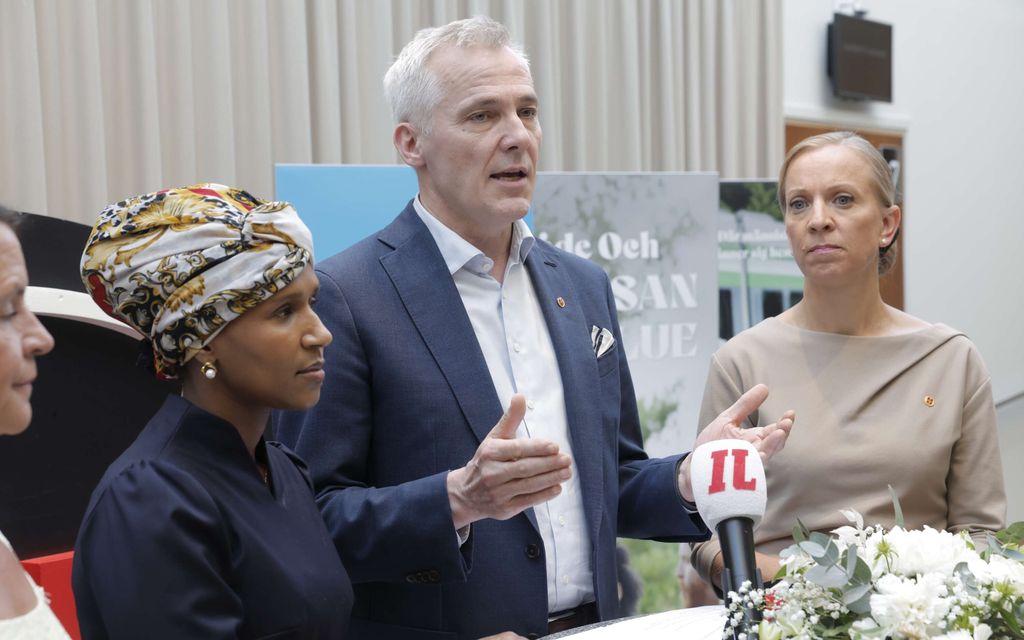
Lapsiköyhyys kasvoi – Näin RKP vastaa
iltalehti · 4 months ago
Depresia, problémy so spánkom a problémy s koncentráciou: Toto môžu byť dôsledky nadmerného premýšľania Nadmerné premýšľanie dokáže rozožrať zdravie aj sebavedomie a často trápi najmä ženy. Terapeutka vysvetľuje jeho príčiny a ponúka konkrétne kroky, ako ho zastaviť.
aktuality.sk · 4 months ago
The London school that has screen-free days for pupils, teachers – and parents Holy Family Catholic primary school says enthusiastic response from parents has been biggest surpriseSchools banning pupils from having smartphones are commonplace. But what about a school where pupils ban teachers from using their smartphones, and then get their parents to join in?And not just phones: at Holy Family Catholic primary school in west London teachers are also barred from using laptops, monitors or tablets during the schools screen-free Mondays, after an idea that came from the pupils themselves. Continue reading...
theguardian · 4 months ago

Parque moçambicano de Zinave recebe 9 rinocerontes brancos O Parque Nacional do Zinave é o único em Moçambique que possui os Big Five, isto é, os cinco maiores animais da savana africana, elefantes, rinocerontes, leões, búfalos, e leopardos, segundo a ANAC.
observador · 4 months ago
Kein Babyglück nach Geburt – Depressionen: Damit Mütter nicht auch noch ihren Job verlieren Bei Depressionen nach der Geburt können die Arbeitgeber eine wichtige Rolle spielen. Zu ihrem und der Mütter Nutzen.
srf.ch · 4 months ago
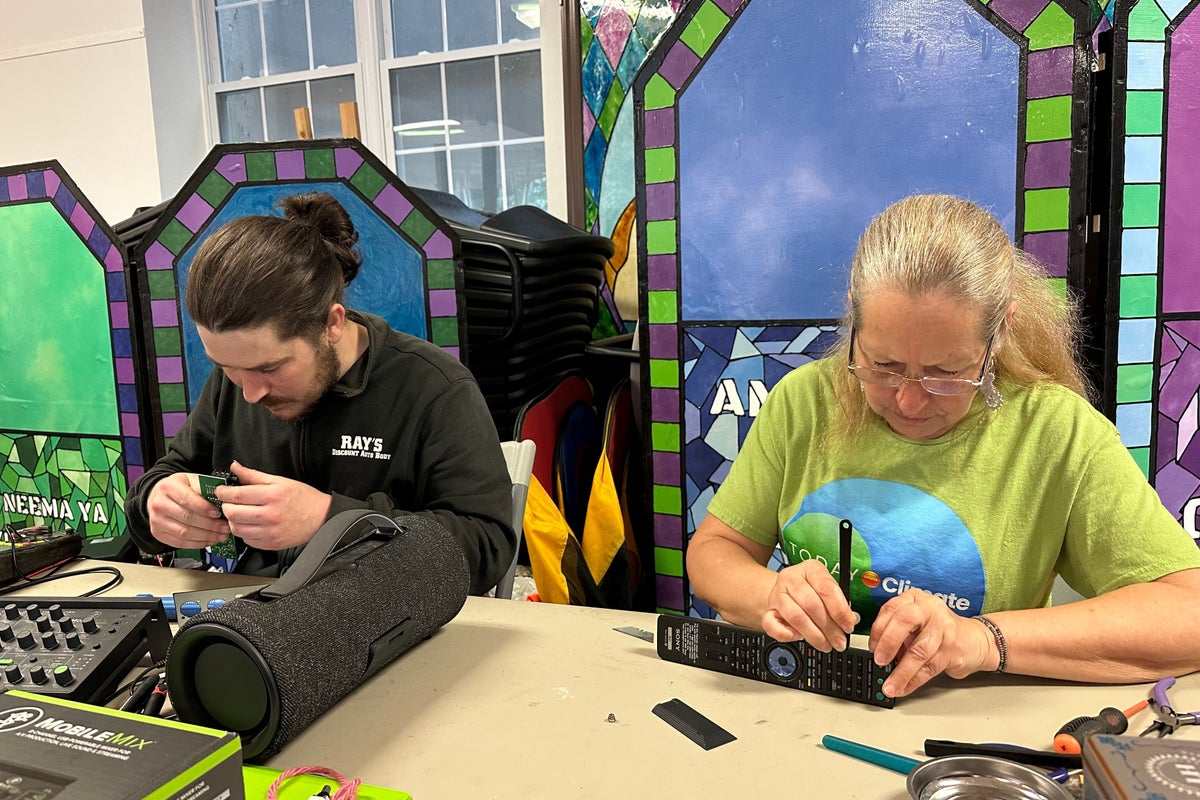
Broken speaker? Finicky zipper? Anticonsumerist Repair Cafes urge you to fix it instead of pitch it Repair Cafes are part of a new brand of anticonsumerism
independent · 4 months ago

Mark Zuckerberg möchte nicht, dass Sie diesen Text lesen Dass Social Media mit der psychischen Gesundheit unserer Kinder etwas macht, ist den Konzernen schon lange bekannt. Trotzdem praktizierte Facebook das umstrittene „Emotional Targeting bei Teenagern. Hier berichtet eine Insiderin.
welt.de · 4 months ago