Loading…
 Saturday, September 26Saturday, September 26
4 months · 6 summary articles
Ukraine’s former Supreme Court chief, Vsevolod Kniaziev, was sentenced to five years in prison on Monday after striking a plea deal with prosecutors over a $2.7 million bribery case, marking the most severe conviction in Ukraine’s post-Soviet history for corruption within the judiciary. The Kyiv court’s decision, confirmed on 8 June 2026, follows Kniaziev’s admission of accepting the bribe in 2023 while presiding over high-profile cases, including those tied to wartime procurement. Prosecutors confirmed he will serve just over four years, having already spent nine months in pre-trial detention .
The ruling underscores Kyiv’s fragile anti-corruption progress as the European Union threatens to withhold €680 million in aid if Ukraine fails to complete judicial reforms by September. European leaders have tied the funds to stricter integrity controls for judges and the expansion of the High Anti-Corruption Court’s staff, measures designed to curb systemic graft that has long undermined investor confidence .
Across the continent, corruption scandals continue to erode public trust. In France, far-left MP Sophia Chikirou was cleared of fraud charges but fined €8,000 for embezzling two uncashed cheques from the left-wing media outlet *Le Média* in 2018, a case that spotlighted internal financial mismanagement at the outlet . Meanwhile, Slovakia’s largest corruption trial in years, dubbed *Očistec*, opened in Banská Bystrica on Monday, with prosecutors alleging a decade-long network of bribes involving police, business leaders, and former government officials under ex-PM Robert Fico .
In the financial sector, Romanian banks are contesting record fines totalling 3.73 billion lei (€750 million) imposed by the Competition Council for alleged collusion in the ROBOR benchmark manipulation scandal. Banca Transilvania, BCR, BRD, and others dismissed the decision as “arbitrary” and vowed to appeal, while legal experts urged customers to sue for restitution of overcharged interest .
Consumer fraud remains rampant. Dutch courts ruled that banks are not obligated to compensate customers tricked by scammers impersonating bank staff, a decision that critics warn will embolden fraudsters . In Italy, two American tourists were charged €44 for two ice creams in Rome’s Piazza Navona, highlighting the vulnerability of visitors to aggressive billing practices .
From crypto collapses to judicial corruption, Europe’s anti-graft battles show no sign of abating as institutions struggle to reconcile accountability with systemic inertia.
Follow us for live European news
2 further sources not geolocated

Dutch banks dont have to compensate customers who fall for helpdesk scams People who are tricked by fake bank employees into transferring money themselves to fraudsters are generally not entitled to compensation from their bank, according to a ruling by the Dutch financi
nltimes.nl · 4 months ago
Crypto platform Knaken tells customers not to file damage claims after shutdown Customers of crypto platform Knaken remain unable to access their accounts and are still in uncertainty after the company
nltimes.nl · 4 months ago
Sam Bankman-Fried seeks Trump pardon CEO of collapsed crypto exchange FTX has served three years in prison for misappropriating billions in customer funds
financial times · 4 months ago
EU-Untersuchung: Großer Teil von Funkspielzeug erzeugt Interferenzen Verbraucherschutzorganisationen haben von der EU finanziertes ferngesteuertes Spielzeug getestet - und viele Nieten gefunden. (Spielzeug, Security)
golem.de · 4 months ago
Diffamierender Facebook-Beitrag: Meta muss 100.000 Euro wegen verzögerter Löschung zahlen Auf Facebook wurde ein Mann zu Unrecht als Kriegsverbrecher denunziert. Trotz gerichtlicher Anordnung reagierte Meta zunächst nicht. (Meta, Soziales Netz)
golem.de · 4 months ago
. Ukrajina od #EU nemusí dostat 680 milionů eur, pokud do konce září nedokončí protikorupční reformy, - píší místní média. Aby tyto prostředky byly přiděleny, je nutné zvýšit počet zaměstnanců Nejvyššího antikorupčního soudu a také musí vstoupit v platnost zákon o kontrole integrity soudců. Evropští lídři dospěli k závěru, že pokud Ukrajina chce mít vyhlídky na vstup do EU, musí vyšetřit svůj korupční skandál. .
mastodon bot · 4 months ago
Ameeriklane saatis 316 000 eurot naisele, keda ei ole olemas Ohio osariigist pärit ameeriklane kohtas veebis naist nimega Aggie Gonzales. Nende vahel arenes välja suhe ja ühel hetkel palus Aggie abi oma meditsiiniarvete tasumiseks. Lõpuks selgus, et naist ei olnud olemaski.
postimees · 4 months ago
Pedeapsă cu închisoarea pentru fostul șef al Curții Supreme din Ucraina, după ce a fost prins în flagrant primind mită de 3.000.000 de dolari Fostul șef al Curții Supreme a Ucrainei Vsevolod Kniaziev va executa cinci ani de închisoare în baza unui acord de recunoaștere a vinovăției într-un caz de luare de mită de mare amploare, au anunțat luni procurorii anticorupție, informează Reuters. Kniaziev a fost acuzat că a acceptat o mită de 2,7 milioane de dolari în 2023 …
hotnews.ro · 4 months ago
Bankéři nebo policisté vyšetřující krádež? Podvodníci volají s přesvědčivými historkami, varuje Antivirus Falešný bankéř obral oběť o statisíce, nebo dokonce miliony – takové případy jsou v Česku na denním pořádku. Policie jich eviduje víc než stovku měsíčně. Celkové škody pak jdou do stovek milionů korun. Proč se nedaří podvodníky zastavit a na co si dát pozor?
irozhlas.cz · 4 months ago
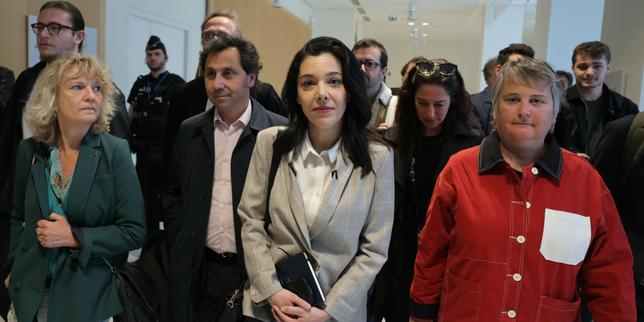
Pourquoi Sophia Chikirou a été condamnée pour « vol » de chèques au « Média » et relaxée pour « tentative descroquerie » Le tribunal correctionnel de Paris a rendu son jugement, lundi 8 juin, dans cette affaire qui date de 2018, au moment où la députée La France insoumise sest trouvée évincée de la webtélé.
le monde · 4 months ago

Rathwood customers who never received products will only get nominal sum back Consumer watchdog urges affected customers to act immediately to try to secure refunds through their credit or debit card provider
irish times · 4 months ago
Imperiul de carton din zootehnia americană. Cum a ars un fermier 170 de milioane de dolari într-o schemă Ponzi uriașă Prăbușirea spectaculoasă a unui imperiu zootehnic fictiv scoate la iveală una dintre cele mai mari fraude din agricultura americană.
adevarul · 4 months ago

⚡️Ukraines ex-Supreme Court chief reaches plea deal, gets 5 years in jail. A Ukrainian court upheld a plea bargain between Vsevolod Kniazev, ex-head of the Supreme Court, on June 8. The decision represents the most high-profile conviction in a corruption case in Ukraines independent history.
bluesky bot · 4 months ago

CIA officer found with over $42 million in gold and cash created fake program A CENTRAL INTELLIGENCE AGENCY officer allegedly created a fake government program in order to embezzle over $42 million in government funds, according to reports. The Federal Bureau of Investigation arrested David J. Rush on May 19, after he has found in possession of 303 bars of gold worth over $40 million. He was also found in possession of over $2 million in cash and over 30 luxury watches.
intelnews · 4 months ago
„Înţelegere neancorată în realitate. Încă o bancă iese la contraatac după amenda primită de la Consiliul Concurenței și-și anunță decizia Exim Banca Românească respinge concluziile investigaţiei derulate de Consiliul Concurenţei, în urma căreia a fost amendată, şi anunță că va contesta în instanţă sancţiunea primită din partea Autorităţii conduse de Bogdan Chirițoiu. Duminică, Consiliul Concurenței a anunțat că a sancționat zece bănci cu amenzi în valoare totală de 3,73 miliarde lei (peste 700 de milioane …
hotnews.ro · 4 months ago
Slovenský soud vyslechl obžaloby v korupční kauze Očistec. Očekává desítky jednacích dní Na Slovensku poprvé zazněla obžaloba v jedné z největších korupčních kauz posledních let, takzvaném Očistci. Prokurátor před specializovaným soudem v Banské Bystrici popsal údajnou síť policistů, podnikatelů a vysokých státních funkcionářů napojených na bývalou vládu strany Směr premiéra Roberta Fica. V kauze Očistec je obžalováno jedenáct lidí včetně současného místopředsedy parlamentu za Směr Tibora Gašpara, všichni vinu odmítají.
irozhlas.cz · 4 months ago
Perquisito il consulente Davide Barzan: indagine per bancarotta da un milione di euro. La difesa: Mai preso soldi Una perquisizione in casa, una nello studio, e unindagine che si allarga attorno a una società finita in liquidazione giudiziaria con un buco contestato da circa un milione di euro. È il quadro che ha portato la Guardia di Finanza a presentarsi questa mattina a Riccione, nellappartamento e nellufficio di Davide Barzan, criminalista e consulente […] Larticolo Perquisito il consulente Davide Barzan: indagine per bancarotta da un milione di euro. La difesa: Mai preso soldi proviene da Il Fatto Quotidiano.
il fatto quotidiano · 4 months ago
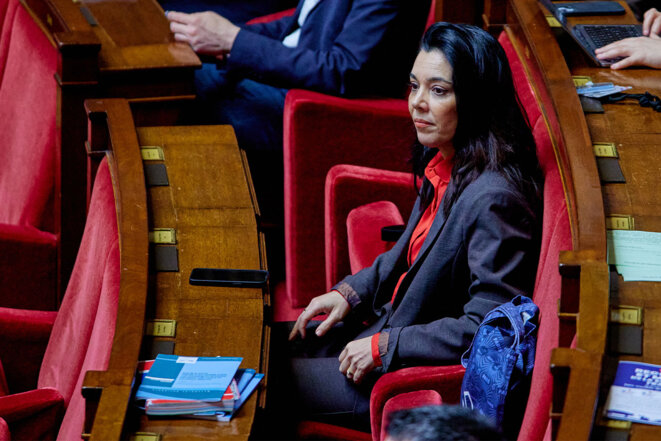
La députée LFI Sophia Chikirou relaxée pour escroquerie mais condamnée pour vol Lélue est relaxée par le tribunal judiciaire de Paris pour tentative descroquerie alors quelle était accusée davoir tenté de virer des fonds de la webtélé Le Média vers sa société. Elle est en revanche condamnée à 8 000 euros damende, dont la moitié avec sursis, pour avoir volé deux chèques jamais encaissés.
mediapart · 4 months ago
Kniazev bribery case: Former Supreme Court chief to serve over four years Former Chairman of the Supreme Court of Ukraine Vsevolod Kniazev, who was sentenced to five years in prison, still has a little over four years left to serve, as he spent nine months in pre-trial detention.
ukrinform · 4 months ago
Reacție în lanț a băncilor după amenzile din dosarul ROBOR. Ce spun BT, BCR, BRD, UniCredit, CEC, Raiffeisen, ING și Exim Marile bănci sancționate de Consiliul Concurenței în dosarul ROBOR au reacționat dur după amenzile-record de 3,73 miliarde de lei aplicate pentru presupuse practici anticoncurențiale. Banca Transilvania, BCR, BRD, UniCredit, CEC Bank și Raiffeisen susțin că au respectat legislația și anunță că vor contesta în instanță decizia autorității. Unele bănci vorbesc despre o decizie „arbitrară, „nefondată sau „injustă, în timp ce avocatul Gheorghe Piperea îi îndeamnă deja pe clienți să dea băncile în judecată pentru recuperarea dobânzilor calculate pe baza ROBOR.
digi24 · 4 months ago
Afacere profitabilă după furtul Coifului de la Coțofenești. Unul dintre hoți a făcut un magazin online de haine cu imaginea tezaurului Unul dintre hoții Coifului de la Coțofenești, furat din Muzeul olandez din Drents, a lansat din închisoare un magazin online de îmbrăcăminte. Acesta vinde articole vestimentare cu imaginea Coifului.
digi24 · 4 months ago
Súd v Prešove vypočul ďalších svedkov v kauze výbuchu plynu v bytovke Na Okresnom súde v Prešove v pondelok pokračovalo ostro sledované hlavné pojednávanie v kauze tragického výbuchu plynu v bytovom dome na Mukačevskej ulici z roku 2019. Hovorkyňa krajského súdu Ivana Petrufová potvrdila, že senát v rámci dokazovania vypočul dvoch predvolaných svedkov, pričom proces bude pokračovať opäť 15. júna 2026.
aktuality.sk · 4 months ago

Former directors at heating systems firm colluded in obtaining information for rival, court told Knowledge will enable poaching customers, suppliers and employees, it is alleged
irish times · 4 months ago