Loading…
 Saturday, September 26Saturday, September 26
4 months · 25 summary articles
A Paris court on Thursday suspended the Interior Ministry’s decision to bar *Politis* journalist Maxime Sirvins from Eurosatory, Europe’s largest defence and security trade fair, ruling the exclusion an “egregious and manifestly illegal” violation of press freedom and the right to work. The tribunal administratif de Paris granted an emergency injunction late Wednesday, forcing organisers to reissue Sirvins’s accreditation ahead of the fair’s opening on Monday. The ministry had refused access on unspecified “security grounds,” but the court found no legal basis for the ban .
The ruling comes amid a broader clampdown on critical reporting and public dissent. On the same day, the Paris préfecture de police blocked a concert organised by the left-wing party La France Insoumise (LFI) scheduled for Sunday’s Fête de la musique, citing the presence of rappers Médine and Soso Maness—neither of whom were listed on the programme. LFI denounced the move as a “democratic scandal” and accused the Conseil représentatif des institutions juives de France (CRIF) of influencing the decision, a claim CRIF president Yonathan Arfi dismissed as an “antisemitic fantasy machine” .
In Hungary, a court upheld the reinstatement of Bulcsú Bognár, a researcher fired from the Catholic Pázmány Péter University in 2024 for publishing a study on LGBTQ+ social attitudes that the institution deemed “contrary to Catholic values.” The appeals court ruled the dismissal discriminatory and ordered the university to rehire him, marking a rare legal rebuke to the government’s erosion of academic freedom .
Meanwhile, Iran sentenced singer Parastoo Ahmadi to 74 lashes for performing an online concert without a hijab, a verdict that extends to eight others involved in the broadcast. The case underscores the regime’s intensified enforcement of mandatory veiling laws, even for virtual performances .
Across Europe, governments are tightening restrictions on cultural and political expression. In Belgium, education minister Valérie Glatigny deployed bailiffs to remove picket lines outside schools in Liège, where teachers had blocked access to standardised exams. In Argentina, Buenos Aires barred 13,000 football fans from stadiums after their children missed school, a punitive measure critics call disproportionate. In France, the government faces backlash over two “liberticidal” bills targeting free parties, with organisers warning of a coordinated effort to silence alternative culture ahead of Sunday’s national music celebrations .
The flurry of legal and administrative actions reflects a continent-wide trend: where courts occasionally push back, governments and security apparatuses are increasingly deploying bureaucratic and judicial tools to restrict dissent, press freedom, and cultural pluralism.
Follow us for live European news

Hiába próbálkozott be az Orbán-kormány már a választási bukás után, immár jogerős, hogy törvénytelen a tanárok és egészségügyi dolgozók titkos megfigyelése Még bepróbálkozott a zombikormány, de Strasbourg nemet mondott.
444.hu · 3 months ago
Entscheid Bundesgericht – Ungültige Wahl: Stadtpräsidentin Grenchen verliert Amt per sofort Das Bundesgericht hat die Wahl von Susanne Sahli zur Stadtpräsidentin von Grenchen SO für ungültig erklärt.
srf.ch · 3 months ago
Fehlende Unterschriften – Lebensmittelschutz-Initiative: Verein reicht Strafanzeige ein Die Lebensmittelschutz-Initiative ist definitiv gescheitert, doch das Initiativkomitee bezweifelt das Ergebnis.
srf.ch · 3 months ago

Ils doivent en assumer les conséquences : 13.000 supporters argentins interdits de stade après la mise en place dune surprenante condition Linitiative, mise en place par la mairie de Buenos Aires, concerne plus de 10.000 parents négligents. ...
la libre · 3 months ago
Una spritzeria nel cortile della scuola in memoria di Annalisa Durante: un oltraggio alla legalità Un presidio di legalità e di memoria oltraggiato e offeso. Accade al rione Forcella a Napoli. Parliamo di un pezzo di centro storico che, per molti aspetti, sembra una periferia. Una contraddizione evidente. Sebbene Forcella, con il suo dedalo di vicoli, sia ubicata a pochi metri dal Duomo e nel cuore dei Decumani è considerato […] Larticolo Una spritzeria nel cortile della scuola in memoria di Annalisa Durante: un oltraggio alla legalità proviene da Il Fatto Quotidiano.
il fatto quotidiano · 3 months ago
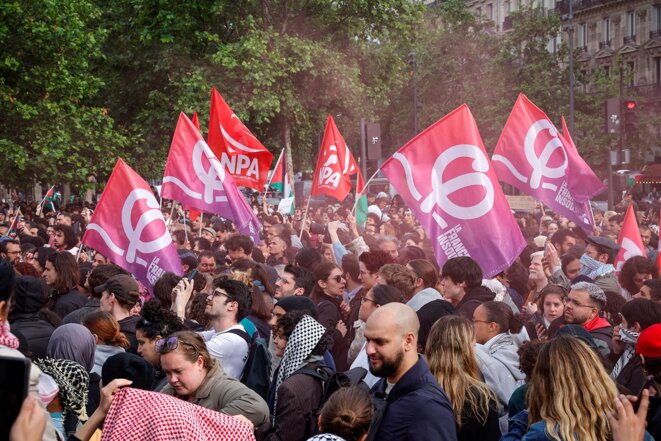
À Paris, le mauvais méli-mélo du préfet de police pour interdire un concert organisé par LFI La préfecture de police a interdit lorganisation dun événement festif et politique au motif notamment de la présence des rappeurs Médine et Soso Maness… pourtant non prévus au programme. Les insoumis salarment dun «scandale démocratique» et dénoncent linfluence du Crif sur la décision des autorités.
mediapart · 3 months ago

„Jetzt vergasen wir die Muslime – CDU-Mitglied sorgt mit Hass-Video für Bestürzung „Wenn ich weit oben bin, schiebe ich die alle ab. Eigentlich würde ich die lieber umbringen lassen, sagte ein CDU-Mitglied aus Krefeld in einem TikTok-Video. Die Landespartei zeigt sich geschockt – und erstattet Strafanzeige bei der Polizei.
welt.de · 3 months ago
Parteien: AfD legt in Sachen Parteispende Berufung ein Die Bundestagsverwaltung hat eine Parteispende einbehalten und bisher nicht an die AfD zurückgezahlt - zu Recht urteilte das Verwaltungsgericht. Die Partei geht in die nächste Instanz.
tagesspiegel · 3 months ago
Social media campaign urges release of critically ill Turkish inmate A social media campaign has called for the release of Abdullah Tırpan, a 74-year-old critically ill inmate imprisoned over alleged links to the faith-based Gülen movement, amid warnings from relatives and rights advocates that his deteriorating condition poses an imminent risk to his life. The hashtag #AbdullahTırpan AcilTahliye (Emergency Release for Abdullah Tırpan) began trending […] The post Social media campaign urges release of critically ill Turkish inmate appeared first on Stockholm Center for Freedom.
stockholm center for freedom · 3 months ago

Másodfokon is nyert a Pázmány ellen Bognár Bulcsu, az egyetem kirúgott oktatója Az oktatót nem sokkal azt követően bocsátották el, hogy az egyetem vezetése „katolikus szellemiséget sértőnek minősítette a melegek társadalmi megítéléséről szóló tanulmányát, amely rangos nemzetközi folyóiratban jelent meg.
hvg.hu · 3 months ago
Odair Moniz: activistas manifestam-se este sábado, carta pede respostas à PSP Manifestação marcada para sábado no Largo de São Domingos. Movimento Negro escreveu carta aberta onde pede explicações sobre a faca encontrada no local e que tribunal diz que Odair não empunhou.
publico · 3 months ago
Professorn: Vanlig brist – även för världsledare Politiker fattar dåliga beslut för att de inte förstår historien tillräckligt väl – och de överskattar ofta sin egen kunskap. Det menar den amerikanske historikern Francis Gavin.
svenska dagbladet · 3 months ago
Concert de LFI à Paris : les insoumis déposent un recours en référé après linterdiction par la préfecture de police Après lannulation de cet événement prévu place de la République dimanche à 18 heures, Jean-Luc Mélenchon cible Yonathan Arfi, le président du Conseil représentatif des institutions juives de France. Celui-ci dénonce «une machine à fantasmes antisémites».
liberation · 3 months ago
Gaza : la ville de Paris attribue la citoyenneté dhonneur aux civils et journalistes palestiniens La mesure était réclamée de longue date par une partie de la majorité de gauche du Conseil de Paris. La droite a voté contre.
liberation · 3 months ago
Déjà boudée par le chanteur Amir, la mairie RN de Bruay-la-Buissière essuie le refus dAmel Bent La chanteuse qui devait se produire vendredi 19 juin dans la ville du Pas-de-Calais a décidé dannuler sa venue. Selon la presse locale, létiquette frontiste de la municipalité aurait fait fuir lartiste.
liberation · 3 months ago
Concerts, bals, fêtes associatives… Au-delà de la free party, tout un écosystème culturel en danger Le projet de loi Ripost, qui vise notamment à faire baisser la jauge des participants dans les rassemblements musicaux, met en péril nombre dorganisations. Entre clandestinité et bouche à oreille, les principaux acteurs de ces fêtes racontent à «Libé» la débrouille et les techniques pour échapper à larsenal répressif.
liberation · 3 months ago

Irán condena a 74 latigazos a la cantante Parastoo Ahmadi por dar sin velo un concierto online La condena es extensiva a otras ocho personas, incluidos los músicos que la acompañaban Leer
elmundo · 3 months ago

El régimen cubano detiene a la disidente Alina Bárbara López La académica es una de las activistas más vocales y opositoras en la isla Leer
elmundo · 3 months ago
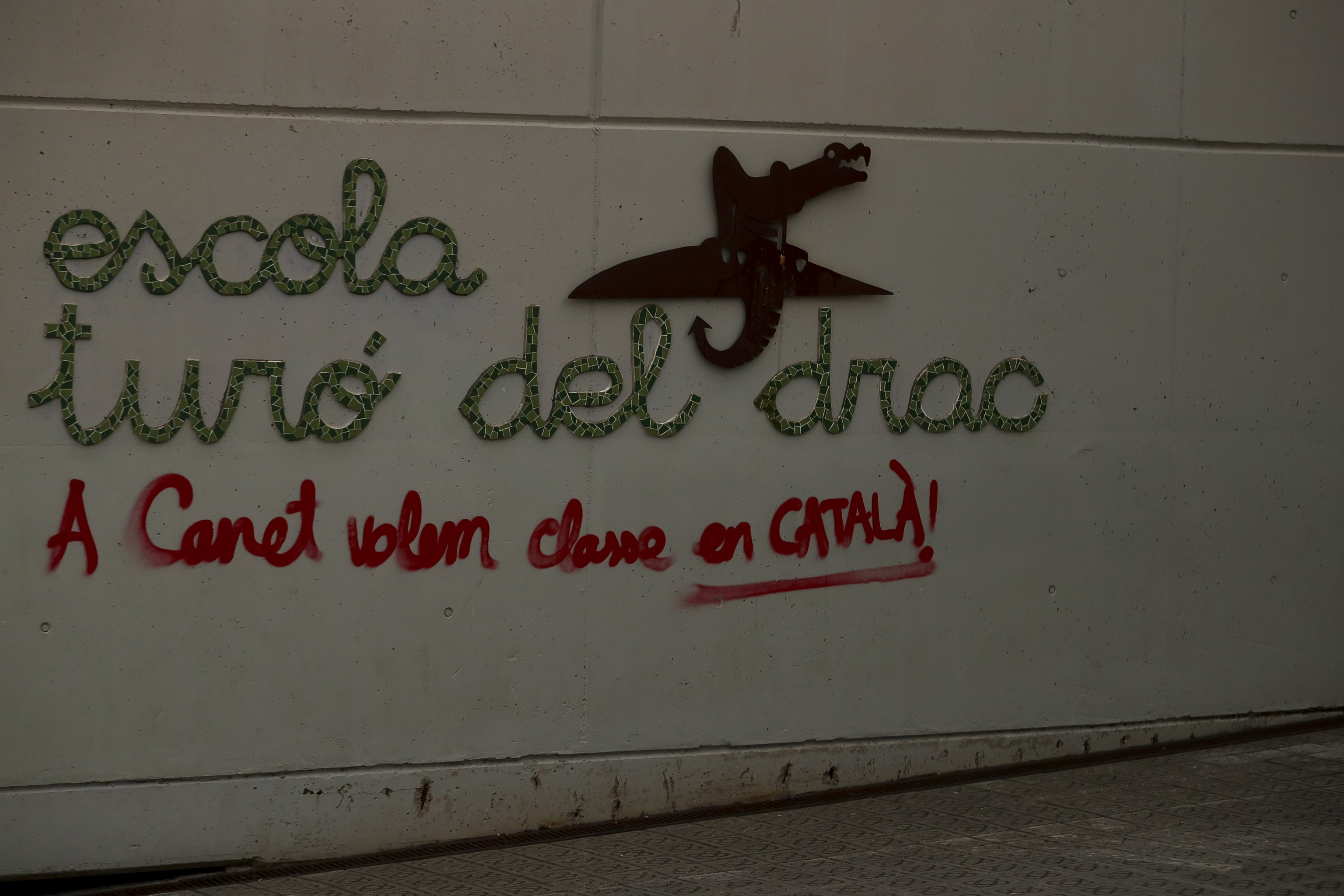
La Justicia europea avala el 25 de español en los colegios de Cataluña: "Recibir una educación en la lengua estatal es crucial" El Tribunal de Estrasburgo determina que "la práctica consolidada de la escuela de enseñar exclusivamente en catalán perjudicó significativamente a las familias españolas" Leer
elmundo · 3 months ago
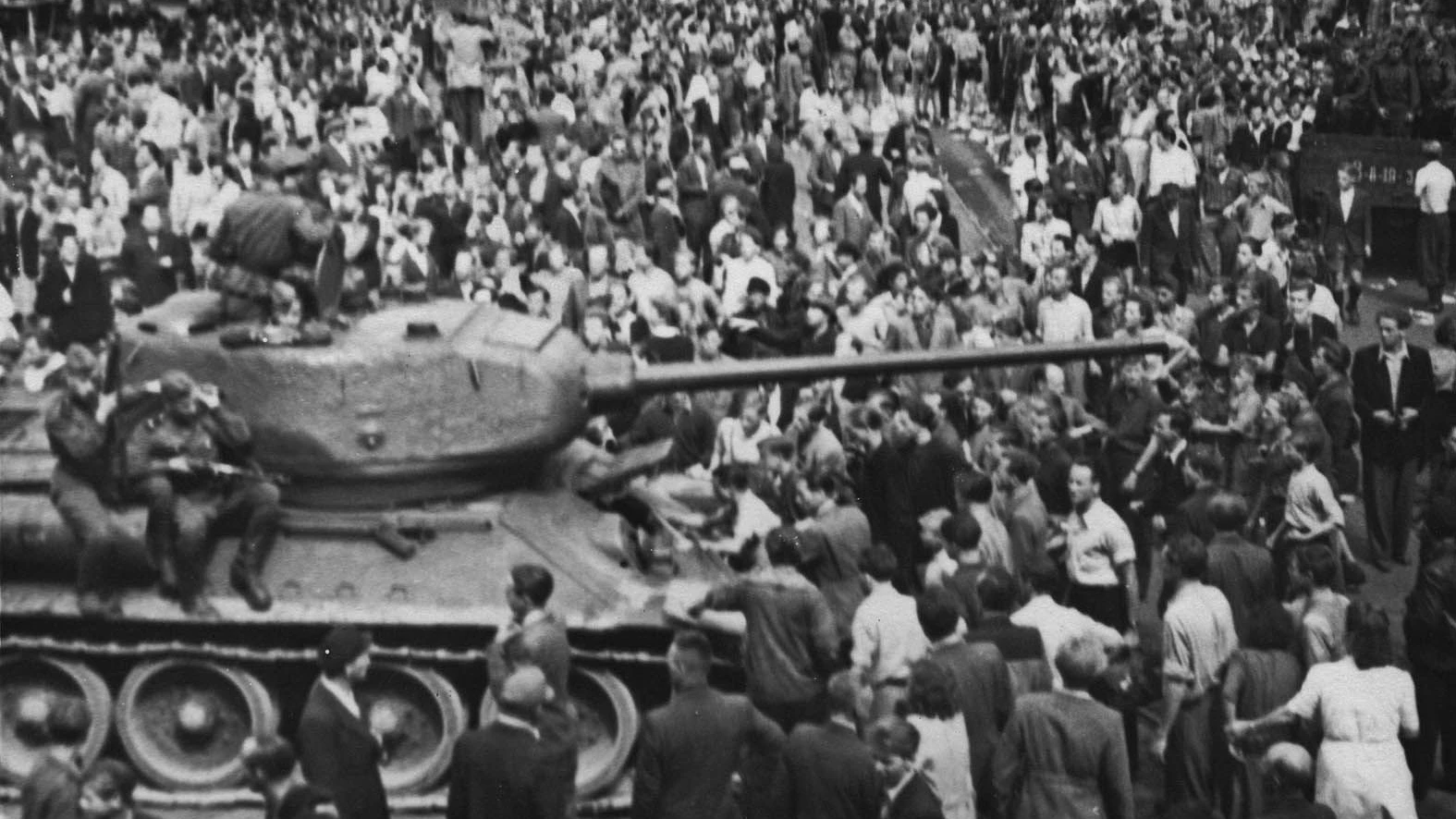
Überwachungsstaat DDR: Verfolgen, festnehmen, verhören, töten Sie verfolgte „feindlich-negative Elemente und durchdrang mit ihren Spitzeln die Gesellschaft: Eine Ausstellung in Frankfurt zeigt die perfiden Methoden der Stasi, aber auch das Schicksal derer, die Glück hatten.
faz · 3 months ago
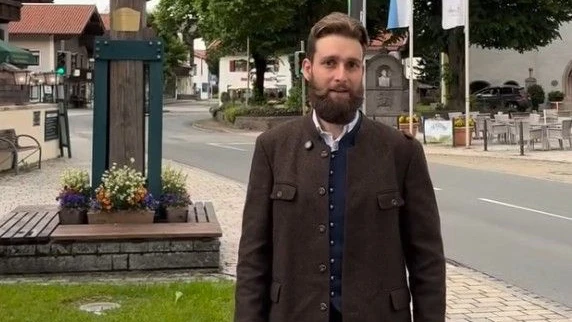
AfD und Kultur?: Korrektur einer politischen Dummheit Erwartungsgemäß hat der Stadtrat von Tittmoning den AfD-Politiker Sebastian Gruttauer als Kulturreferenten abgewählt. Der politische Flurschaden ist da, und der Abgewählte freut sich.
faz · 3 months ago

Bayreuther Festspiele: Kritik nach abgesagter Veranstaltung mit Michel Friedman Eine Sonderveranstaltung zum Festspieljubiläum mit Michel Friedman wird geplant, dann abgesagt. Charlotte Knobloch ist entsetzt über die Bayreuther Festspiele. Und Kunstminister Markus Blume hat eine Forderung.
faz · 3 months ago

The surprise abortion vote that broke government ranks Christine Bohan, Jane Matthews, Christina Finn and Rónán Duffy unpack how a waiting period that was never recommended by the Citizens Assembly or the Oireachtas committee survived for eight years, and whether scrapping it is the beginning of a bigger conversation about abortion legislation the government doesnt want to have.
thejournal · 3 months ago
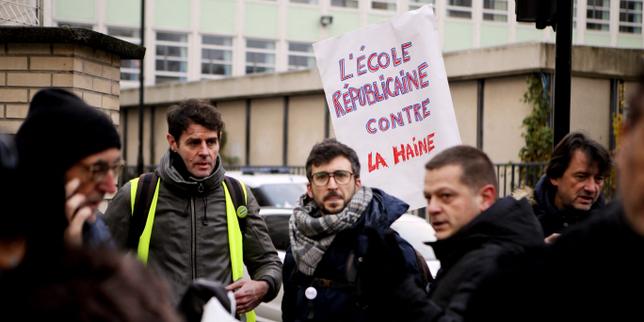
Emoi dans la communauté enseignante après la relaxe dEric Zemmour et de responsables du RN, poursuivis pour diffamation par une professeure Sophie Djigo a été la cible en 2022 dune campagne de cyberharcèlement pour avoir mené un projet pédagogique autour des migrants, fustigé par lextrême droite. Le tribunal de Paris a relaxé les élus qui avaient médiatisé laffaire, au nom du droit au débat et à loutrance.
le monde · 3 months ago

Accréditation refusée au salon de la défense Eurosatory : la justice donne raison au journaliste de « Politis » contre le ministère de lintérieur Le tribunal administratif de Paris a considéré que ce refus daccréditation de Maxime Sirvins était « une atteinte grave et manifestement illégale à la liberté dexpression et à la liberté de travailler ».
le monde · 3 months ago
Free partys : la teuf face au coup de répression du gouvernement Derrière les beaux discours autour de la mise en avant de la Fête de la musique, qui a lieu ce dimanche, les adeptes de ces événements alternatifs autogérés dénoncent la brutalité avec laquelle lexécutif entend les réduire au silence, via deux lois liberticides discutées au Parlement cet été.
liberation · 3 months ago
„Lamahirte: Like zu Kommentar gegen Bohrn Mehna war nicht strafbar, das nützt der FPÖ [premium] Das Oberlandesgericht Wien entschied, dass ein Like zu einem bösen Kommentar keine Ehrenbeleidigung war.
die presse · 3 months ago
Bayreuther Festspiele: Bayerische Regierung kritisiert Absage von Gedenkfeier in Bayreuth Die Absage einer Gedenkfeier mit Michel Friedman in Bayreuth sorgt für breite Kritik. Nach Charlotte Knobloch schaltet sich auch Bayerns Kunstminister Markus Blume ein.
die zeit · 3 months ago