
Democratic Senate candidate in Maine ends campaign after sexual assault allegations

Story Timeline
13 hours · 2 summary articles
Democratic Senate candidate in Maine ends campaign after sexual assault allegations
Progressive U.S. Senate candidate halts campaign after sexual assault allegations
Continuation
Graham Platner, the progressive Democratic Senate candidate from Maine, abruptly ended his campaign on Wednesday after a former partner accused him of sexual assault, dealing a major blow to the party’s hopes of flipping the seat in November’s midterm elections. The withdrawal, announced in a video posted from his home, followed a rapid collapse of support from Democratic leaders and progressive allies who had once hailed him as a rising star.
Platner, 41, a military veteran and oyster farmer with no prior political experience, had surged to a commanding 72% victory in the June Democratic primary, positioning him as a formidable challenger to Republican Senator Susan Collins, who has held the seat for nearly three decades. His campaign, built on anti-establishment rhetoric and appeals to working-class voters, resonated with young progressives and drew endorsements from figures like Senators Bernie Sanders and Elizabeth Warren. “I wanted to fight for working people,” Platner said in one of his campaign videos, which went viral for its raw, unpolished style.
The allegations emerged publicly this week, with a former girlfriend accusing Platner of assault. He has vehemently denied the claims, calling them “categorically false” and insisting his withdrawal was not an admission of guilt. “I know some will think this is a confession,” Platner said in his video statement. “It is not.” Party leaders, including Maine Governor Janet Mills—who had initially run against him—withdrew their support after the accusations surfaced, leaving Platner isolated. “Those in power have taken the ground from under my feet,” he said, adding that he would only submit the paperwork to end his campaign if the party did not replace him with a “party insider.”
The scandal has exposed deep divisions within the Democratic Party, pitting progressive factions against the establishment. Progressive leaders like Sanders and Warren had backed Platner’s insurgent bid, while party officials favored Mills, a more conventional candidate. Platner’s exit leaves Democrats scrambling to find a replacement capable of unseating Collins, the only Republican senator from a state that voted for Democratic presidential candidate Kamala Harris in 2024. With Republicans holding a narrow 53-47 majority in the Senate, the Maine race is seen as critical to Democrats’ chances of regaining control.
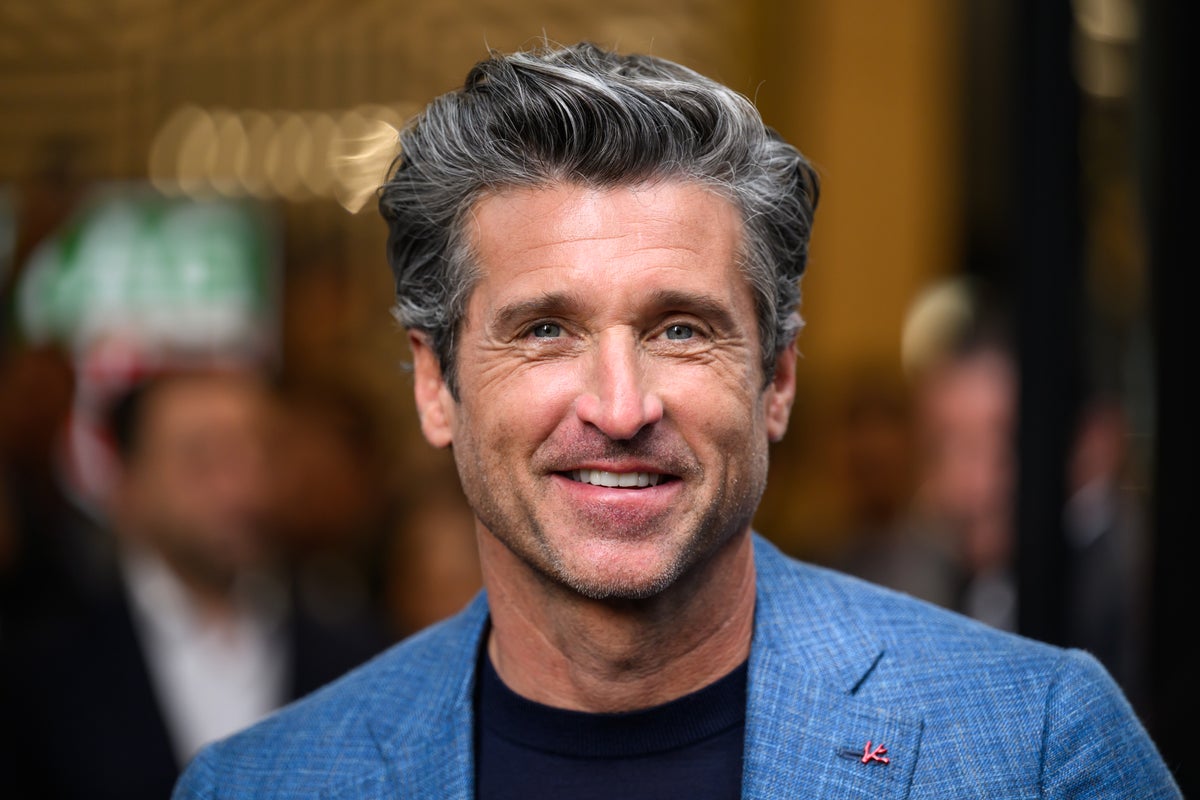
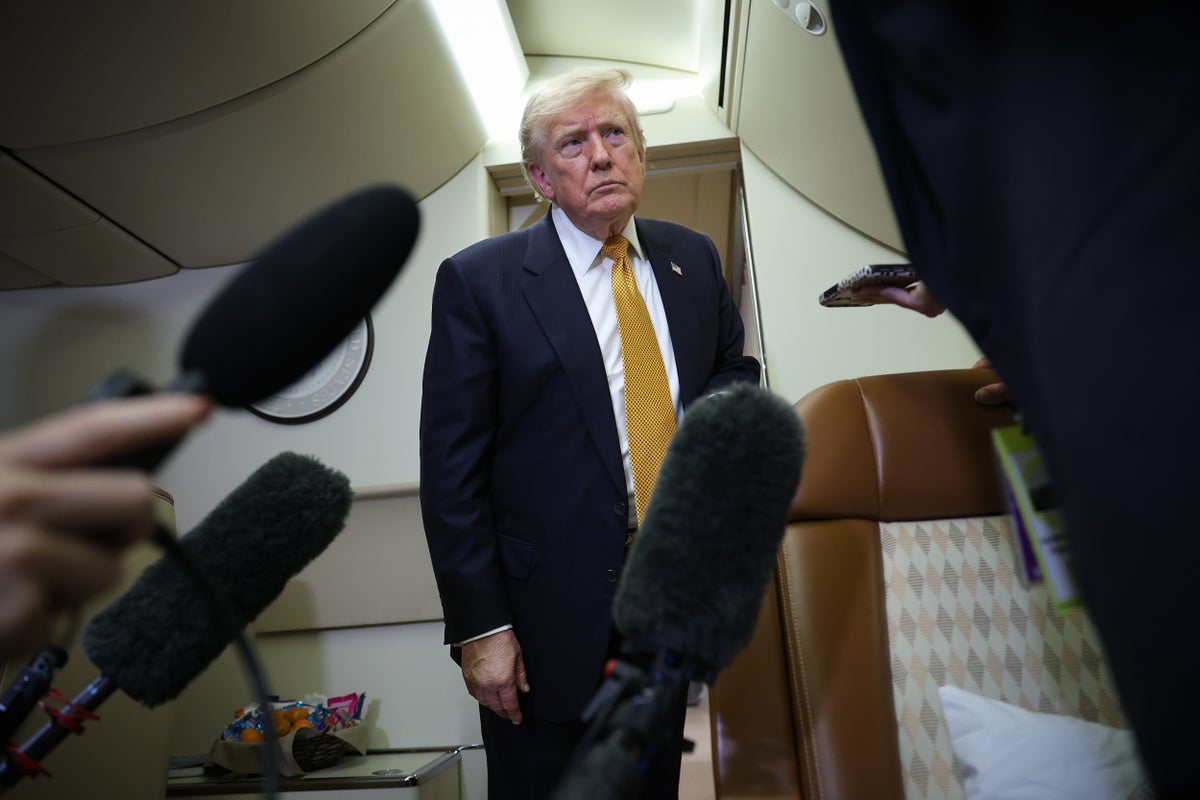
Patrick Dempsey, the actor and Maine native, has been floated as a potential Democratic candidate, though he has not commented on the possibility. Meanwhile, Republicans have seized on the controversy. Former President Donald Trump, who has endorsed Collins, defended Platner in remarks to reporters, calling the situation a “bind” for the Democrats. “It’s really a question of whether or not you believe the woman,” Trump said aboard Air Force One, a remark that underscored the political minefield the allegations have created.
For Democrats, the fallout from Platner’s withdrawal is more than a local setback—it’s a test of their ability to balance progressive energy with electoral pragmatism. Platner’s campaign had embodied the party’s push to appeal to working-class voters disillusioned with traditional politics. His collapse leaves a void that may be hard to fill in time for November. As one analyst noted, “Maine is ground zero for Senate control,” and the Democrats’ path to a majority now hinges on finding a candidate who can inspire the same grassroots enthusiasm without the baggage of scandal.
Follow us for live European news
- 2
- 2
- 2
- 2
- 1
- 1
- 1
- 1
- 1
- 1
- 1
- 1
- 1
5 further sources not geolocated
Articles

Jon Ossoff and the dream of a "unity candidate" in 2028. www.vox.com/politics/494...
bluesky_Vox · about 2 hours ago

🔊 Maine becomes ground zero for Senate control. This is one of the races that the Democrats really need to win if theyre gonna win control of the Senate. Washington correspondent Andy Sullivan on the Reuters World News as Graham Platner drops out reut.rs/4foLfng
bluesky_Reuters · about 2 hours ago

Lassistante de Jeffrey Epstein dans la tourmente : Elle savait ce quil se passait Lesley Groff aurait menti dans son témoignage au Congrès dans le cadre de laffaire Epstein. ...
la libre · about 2 hours ago

Kandidat in Maine zurückgetreten: Ist das Rennen um den Senat für die Demokraten damit schon verloren? Vergewaltigungsvorwürfe brachten den demokratischen Hoffnungsträger Graham Platner zu Fall – ausgerechnet im wichtigsten Staat für die Senatsmehrheit. Noch aber hat die Partei eine Chance.
tagesspiegel · about 2 hours ago
Yhdysvallat | Raiskauksesta syytetty Graham Platner peruu ehdokkuutensa Platner on kiistänyt syytökset.
helsingin sanomat · about 2 hours ago

Justin und Emily Baldoni zu Blake Lively: "Wahrheit hat für sich gesprochen" In der Schlammschlacht mit Blake Lively wurde der Vorwurf sexueller Belästigung gegen ihn abgewiesen
der standard · about 2 hours ago

Linker US-Demokrat Platner gibt auf: Ein "untypischer Politiker" lässt seine Unterstützer schlecht aussehen Die problematische Vergangenheit des Kandidaten war inoffiziell lange bekannt, zuletzt türmte sich dann doch zu viel auf. Erstaunlich lange hielt die Parteilinke dem Kandidaten dennoch die Treue
der standard · about 2 hours ago
Contradicții majore în cazul Epstein: Victimele demontează declarațiile prin care fosta asistentă s-a spălat pe mâini în fața legii Mai multe supraviețuitoare ale abuzurilor comise de Jeffrey Epstein susțin că fosta sa asistentă, Lesley Groff, a mințit în fața Congresului american în legătură cu detalii esențiale privind implicarea sa în rețea.
adevarul · about 2 hours ago
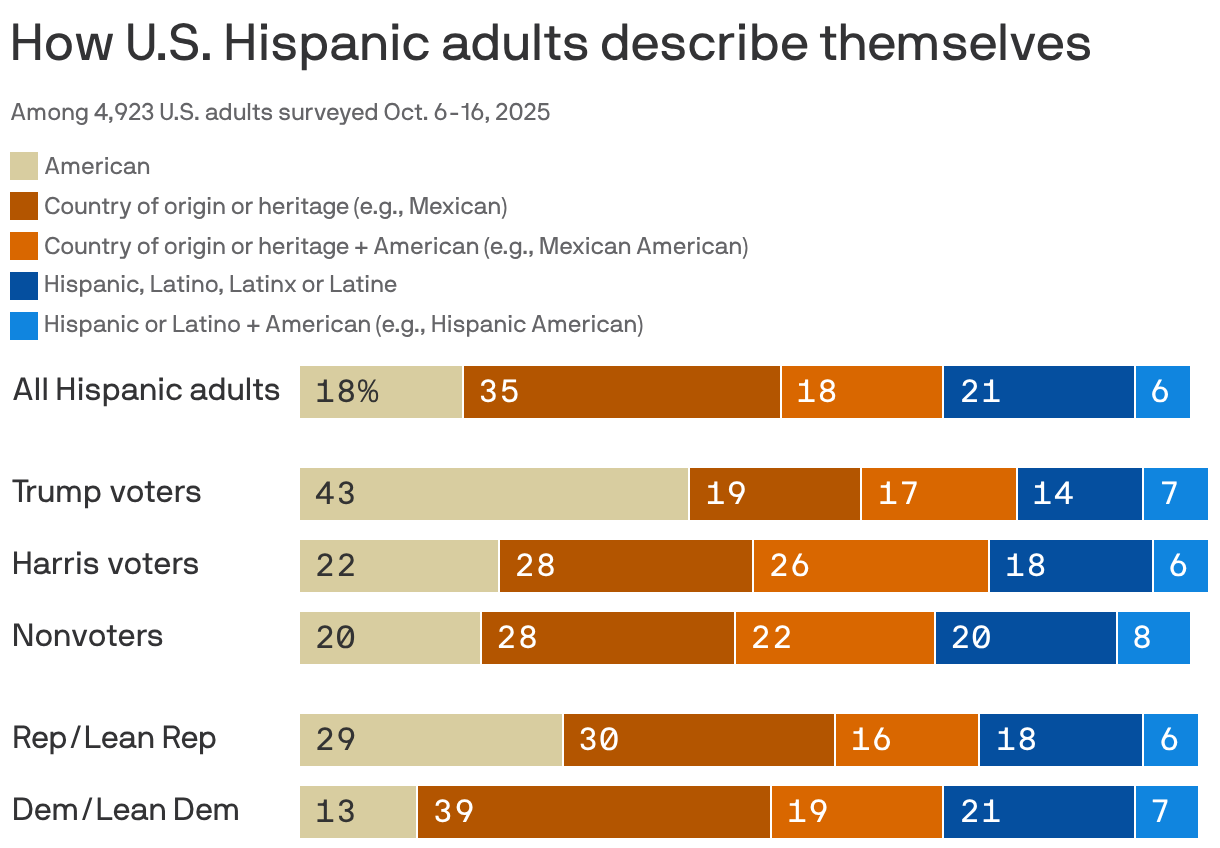
Survey: Latino voters political divide is becoming an identity divide Data: Pew Research Center; Chart: Danielle Alberti/AxiosLatino voters arent just splitting over President Trump. Theyre divided over how being Latino shapes their identity in America, according to a new Pew Research Center report.Why it matters: This is a deeper fracture than a typical partisan divide — Latino voters are splintering over whether their ethnicity feels like a barrier, an asset or is politically irrelevant.Thats complicating how both political parties try to reach one of the nations most important swing constituencies ahead of the November midterms.By the numbers: A majority of Latinos who backed President Trump in 2024 — 57 — say what happens to Latinos in the U.S. affects their own lives "not too much" or "not at all," according to the study released Thursday.Meanwhile, 75 of Latinos who voted for Kamala Harris say what happens to Latinos affects their lives a great deal or a fair amount.Six in 10 Latino Trump voters say they never or not too often feel a responsibility to look out for other Latinos in the U.S.; only 20 of Harris voters say the same.State of play: In the 2024 presidential election, nearly half of Hispanic voters backed Trump — the best performance by a GOP presidential candidate in modern times, according to an Axios review of past elections dating to 1960.The survey lands as Democrats are trying to win back Latinos from the GOP, particularly by trying to rebuild trust on Democrats approach to the economy and working-class issues.The intrigue: Pews findings suggest the challenge for Democrats — and the opportunity for Republicans — isnt just economic messaging. Latino voters are increasingly divided over whether being Latino itself is central to their political and personal lives.The studys authors write that Hispanic identity differs sharply by political leaning and immigrant generation — and that the gaps between 2024 Harris and Trump voters "are often even more pronounced."Zoom in: The divergence extends to the identity labels Latinos use in their daily lives.Hispanic Trump voters are nearly twice as likely as Harris voters — 43 vs. 22 — to most often describe themselves simply as "American."Harris voters use a wider mix of labels, with a majority (54) using country of origin either alone or combined with American, such as "Mexican American." Zoom out: The community is broadly divided on its lived experiences in America.About a third of Hispanic adults say theyve experienced discrimination or unfair treatment in the past year because of their ethnic background by someone who is not Hispanic.But a majority (54) say they havent experienced any of the four Hispanic-related discrimination incidents asked about in the survey.Yes, but: Despite these deep ideological and experiential divides, some shared views remain. Across the board, almost no one is adopting certain progressive terminology: A mere 1 of Hispanics prefer the term "Latinx," and just 1 prefer "Latine."Pew also reports that 54 prefer Hispanic, 30 prefer Latino and 14 have no preference.Between the lines: The old assumption that "Latino" works as a single political identity is breaking down.For Harris voters, identity is more likely to be tied to a shared fate, discrimination and a sense of collective responsibility.For Trump voters, identity is more likely to be filtered through American identity and a feeling that what happens to other Latinos doesnt necessarily affect them.The bottom line: Theres no single Latino vote, and Pews report suggests there may be no single Latino identity driving it.Methodology: Pews report is based on a survey of 8,046 U.S. adults, including 4,923 Latinos ages 18 and older. Of the Latino respondents, 1,125 were members of the Centers American Trends Panel and 3,798 were members of SSRSs Opinion Panel.The primary survey is Pews National Survey of Latinos, conducted Oct. 6-16, 2025, in English and Spanish, primarily online with some interviews conducted by telephone.The margin of sampling error is ±2.6 percentage points for Latino adults at the 95 confidence level. The margin of error is ±5.7 points for validated Trump voters and ±4.2 points for validated Harris voters.
axios · about 2 hours ago

GOP lawmaker says he doesnt know if Mitch McConnell is alive
news.yahoo.com · about 2 hours ago
Democratic candidate for key Senate seat steps down over sexual assault allegation The Democratic Senate nominee for Maine, Graham Platner, has withdrawn from the race following accusations of sexual assault, among other controversies. Platner continues to deny the allegations, saying hes dropping out due to losing his partys support. Its a key seat for the Democrats, who are hoping to retake the Senate in the upcoming midterm elections.
france24 · about 2 hours ago
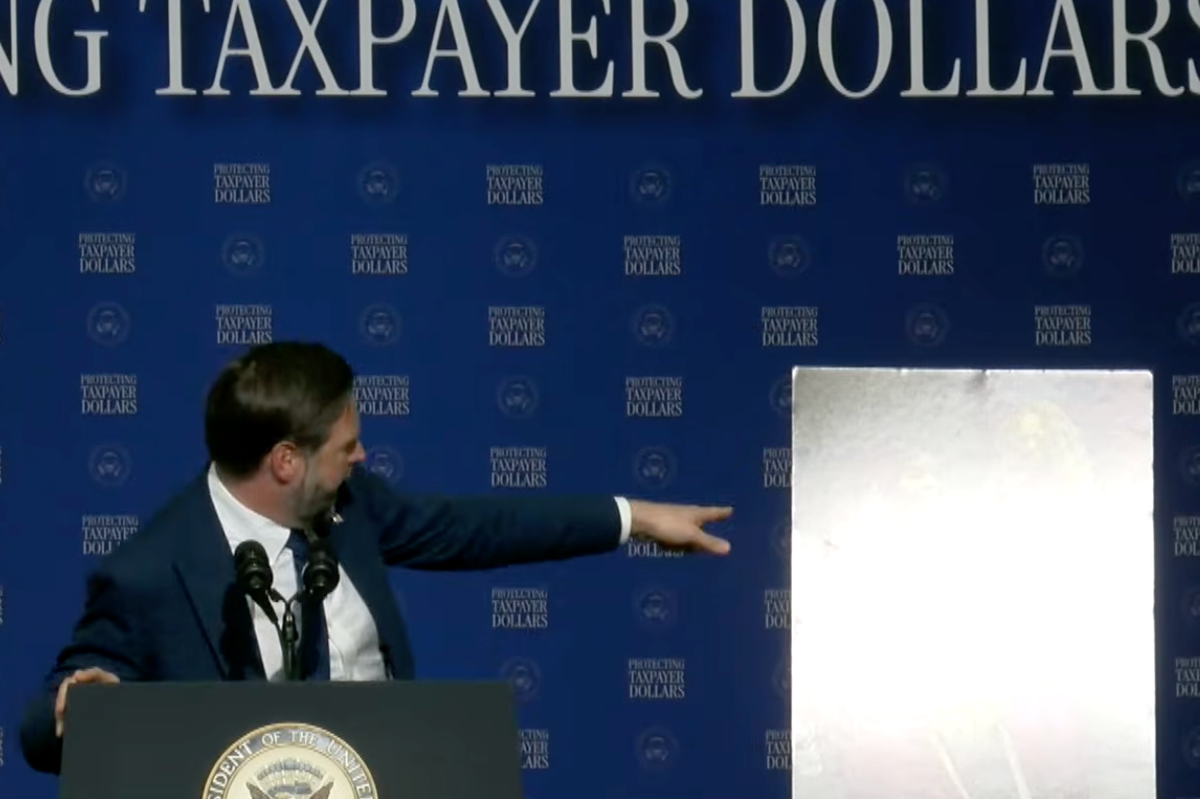
White House loses it and falsely accuses editor of hiding information – but its a Trump team gaffe A photo used during Vances speech was mostly obscured by a lighting glare
independent · about 2 hours ago
Democrats race to salvage US Senate bid after Graham Platner scandal Populist progressive quits Maine contest after rape allegations
financial times · about 2 hours ago
Graham Platner drops Maine Senate bid: What that means for Democrats Democrats are scrambling to field a candidate as popular as Platner to clinch Maine in the midterms.
aljazeera · about 2 hours ago
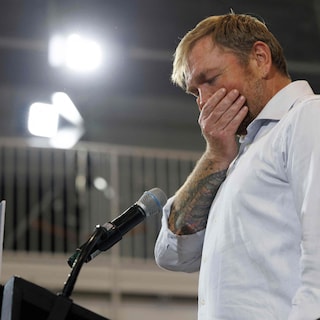
Oesterkweker en ex-marinier Graham Platner moest de hoop van de Democraten worden. Tot zijn campagne deze week volledig implodeerde
de morgen · about 3 hours ago
Verkiezingsupdate VS | Oesterkweker was niet de parel die Democraten zoeken Tot de Amerikaanse tussentijdse verkiezingen op 3 november praat NU.nl je wekelijks bij over de laatste ontwikkelingen. Met vandaag: de val van de oesterkweker die de Democraten de Senaat moest bezorgen.
nu.nl · about 3 hours ago
Demokraté chtěli mít svého „chlapa s gulema. Teď kvůli skandálu rezignoval a Trumpovi nejspíš zůstane Senát Demokraté hledají recept na to, jak porazit konzervativní populismus Donalda Trumpa. Graham Platner měl být novým typem politika, chlapíkem z lidu, který kombinuje mužné svaly s ostrými levicovými postoji. Rázný lovec ústřic kandidoval v Maine, malém státě, který demokraté potřebují k ovládnutí Senátu v podzimních volbách. Co je pro demokraty sympatická rebelie a co už za čárou únosnosti? Co znamená morálka v éře Donalda Trumpa? A zvládne levice vůbec někdy smířit skutečné dělníky s levicovými intelektuály?
denik n · about 3 hours ago
McConnell på sjukhus – spekulationerna tilltar Topprepublikanen Mitch McConnell har legat på sjukhus i över tre veckor och hans stab vill inte berätta varför. Ledande partikollegor gör sitt bästa för att dämpa spekulationerna som flödar om hans tillstånd.
svenska dagbladet · about 3 hours ago
Presserat rügt „Falter wegen Interviews zu assistiertem Suizid
orf.at · about 3 hours ago
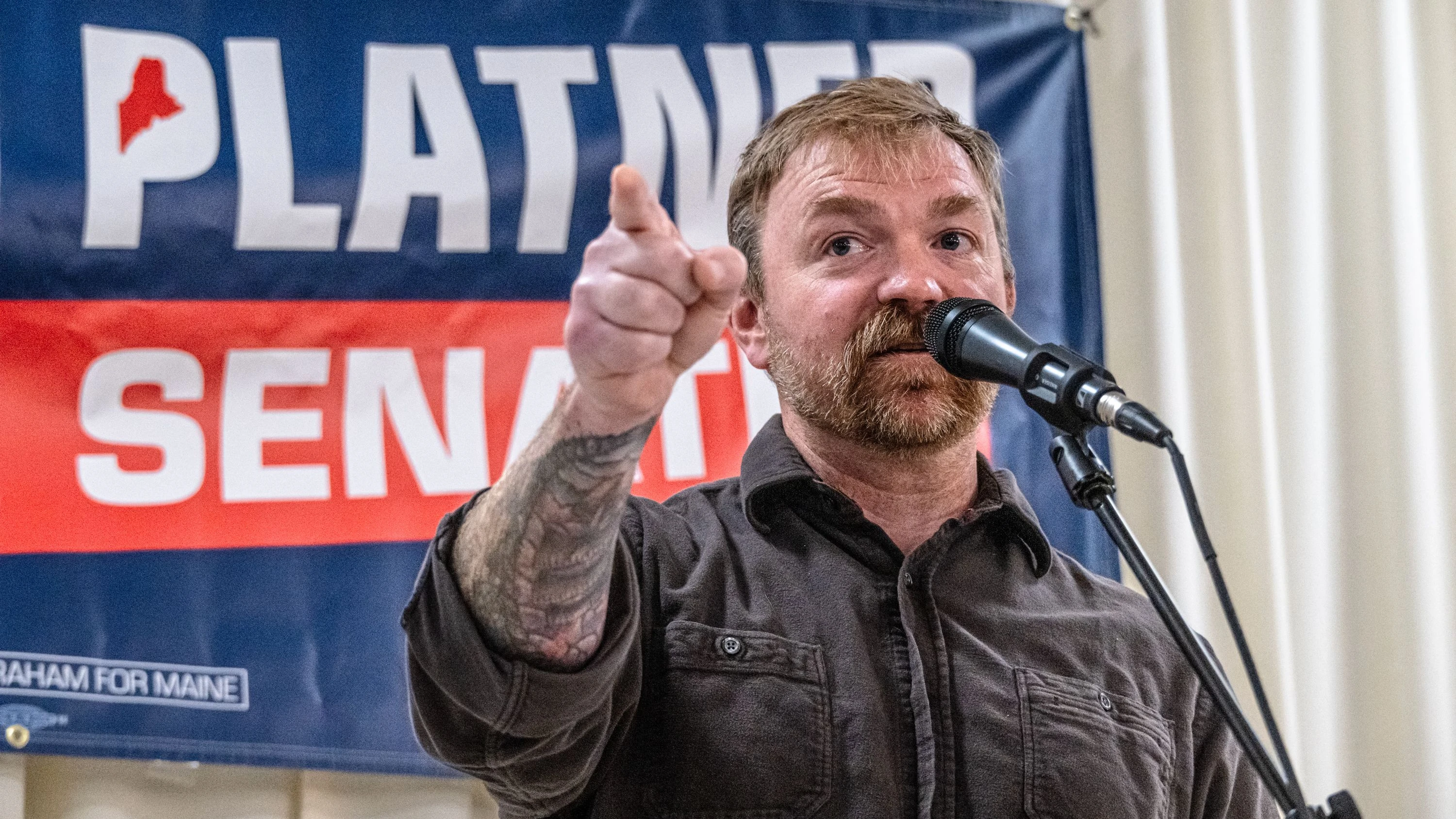
Graham Platner: Sein Rückzug trifft die Demokraten hart Graham Platner galt als einer der Schlüsselkandidaten, um den Republikanern die Mehrheit im Senat abzujagen. Nach schweren Anschuldigungen gibt der Politiker aus Maine seinen Wahlkampf auf.
faz · about 3 hours ago
Victim narrative wont win votes | The Irish Times - Ireland
eurotopics.net · about 3 hours ago

Poll finds most Jewish Americans feel abandoned by both political parties A new poll from The Associated Press-NORC Center for Public Affairs Research finds that most Jewish adults dont feel well represented by political leaders
independent · about 3 hours ago
Patrick Dempsey makes surprise decision after Maine Senate race implodes Platner withdrew Wednesday after a former girlfriend accused him of sexually assaulting her, an allegation he has repeatedly denied
independent · about 3 hours ago

GOP senator crumbles fortune cookies during bizarre campaign video promising to stop Communist China Tennessee gubernatorial candidate delivers hardline message while sitting alone in Chinese restaurant
independent · about 3 hours ago
Hunter Biden sets out case for Trump familys alleged corruption Joe Bidens son accuses Donald Trump and his children of making King George III look like an amateur by enriching themselves in high office
independent · about 3 hours ago
Its really a question of whether or not you believe the woman: Trump defends Democrat Platner after assault allegations Its, uh, hes in a bind. Hes in a bind, the president told reporters aboard Air Force One
independent · about 3 hours ago

Daily Show mocks Mitch McConnell over his totally legit 20-minute phone calls with numerous Republicans Host Ronny Chieng scorns GOP response to veterans health crisis as correspondent Michael Kosta speaks up for rule by aging, cognitively-impaired, technically dead senators
independent · about 3 hours ago
Joe Wilson: It is shameful that the Georgian delegation walked out of the OSCE PA session
gdeltproject.org · about 3 hours ago

Unpacking allegations Trump-backed Freedom 250 misled donors, committed wire fraud A report from Democratic staff alleges that Freedom 250 diverted donors trying to give to America250, a different, bipartisan organization.
snopes · about 3 hours ago
„So etwas kennt man sonst nur von Donald Trump: Grüne prangern Abstimmungsskandal im Bundestag an Foulspiel im Parlament? Angeblich setzte sich Ausschussvorsitzender Bernd Rützel (SPD) am Mittwoch über eine Mehrheitsentscheidung hinweg. Der Vorfall könnte ein Nachspiel haben.
tagesspiegel · about 3 hours ago