
Progressive U.S. Senate candidate halts campaign after sexual assault allegations

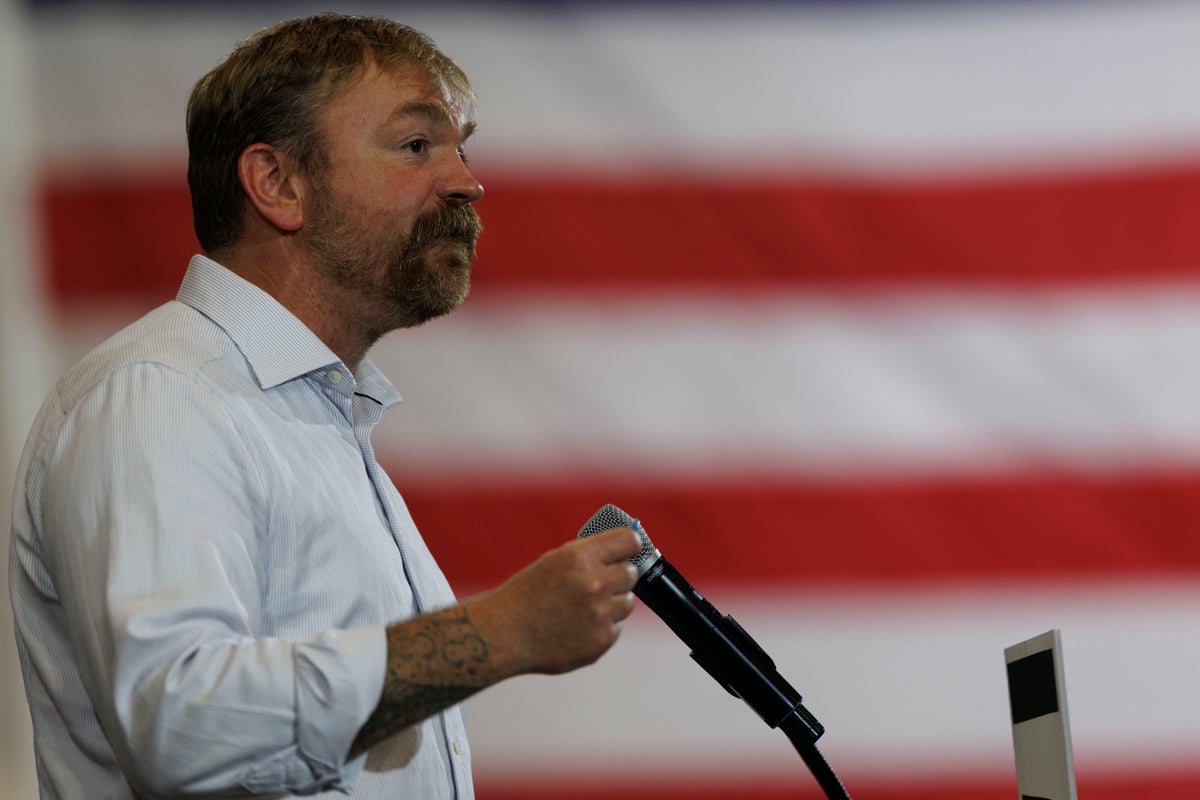
Graham Platner, the progressive Democratic candidate for Maine’s U.S. Senate seat, abruptly suspended his campaign on Wednesday after multiple women accused him of sexual assault, a decision that throws the party’s midterm strategy into disarray just weeks before the July 27 deadline to replace him.
In a video posted on X, Platner announced he was halting campaign activities, citing pressure from party leaders and prominent Democrats who withdrew support following the allegations. “For the movement to continue, it cannot be me,” he said, denying the accusations as “categorically false.” The decision came hours after Maine Democrats held an emergency meeting, where over 100 state committee members approved a nominating convention to select a replacement candidate. The party has made clear Platner will have no role in choosing his successor.
The allegations surfaced on Monday when *Politico* and *The Washington Post* published accounts from two women who accused Platner of sexual misconduct. Jenny Racicot, a Maine resident, told *Politico* that in 2021, a heavily intoxicated Platner forced himself on her after she repeatedly said no. “I was raped,” she told CNN. A second woman, whose identity was not disclosed, alleged to *The Washington Post* that Platner removed condoms without her consent during sex. Both women said they had previously supported Platner’s politics but came forward after political opponents faced skepticism.
Platner’s campaign had already been plagued by controversy. Earlier this year, *The New York Times* reported that an ex-girlfriend accused him of physical violence during an argument, and his wife revealed in a video message that he had sent sexually explicit texts to other women while married. Platner also faced backlash for a chest tattoo resembling a Nazi symbol and past Reddit posts downplaying sexual assault in the military. Despite these scandals, he won the June 9 Democratic primary with 72% of the vote, defeating Maine Governor Janet Mills, who had been the establishment favorite.
The fallout was swift. Senator Bernie Sanders, Senator Elizabeth Warren, and Representative Ro Khanna all rescinded their endorsements, with Sanders calling the allegations “very serious and credible.” The Democratic Senatorial Campaign Committee warned it would not fund the race if Platner remained on the ballot. Platner, a Marine Corps veteran and oyster farmer who had never held elected office, had been a rising star in the party, positioning himself as an anti-establishment progressive. His exit leaves Democrats scrambling to find a candidate capable of unseating Republican Senator Susan Collins in a race critical to their hopes of flipping the Senate.
Democrats need to gain four seats to reclaim the chamber, where Republicans currently hold a 53-47 majority. Maine is one of the most competitive races in the 2026 midterms, alongside contests in Alaska, Ohio, and North Carolina. The party must now select a replacement by July 27, a process that risks alienating Platner’s grassroots supporters. Progressive strategist Andrew Feldman warned that a closed convention could dampen the energy needed to win, telling *Axios*: “It is going to be extremely challenging to pick a new nominee through a convention, not an open caucus.”
Platner framed his withdrawal as a defense of democratic principles, accusing the “corporate media system and the political establishment” of orchestrating his downfall. “This was the last week to try to get me off the ballot,” he said in his video. Yet his departure underscores the party’s dilemma: balancing accountability with electoral urgency in a race that could determine the balance of power in Washington. With Trump’s second term already mired in controversy, Democrats had hoped Platner’s candidacy would energize voters against Collins. Now, they must regroup—fast.
Follow us for live European news
- 5
- 3
- 2
- 2
- 1
- 1
- 1
- 1
- 1
4 further sources not geolocated
Articles
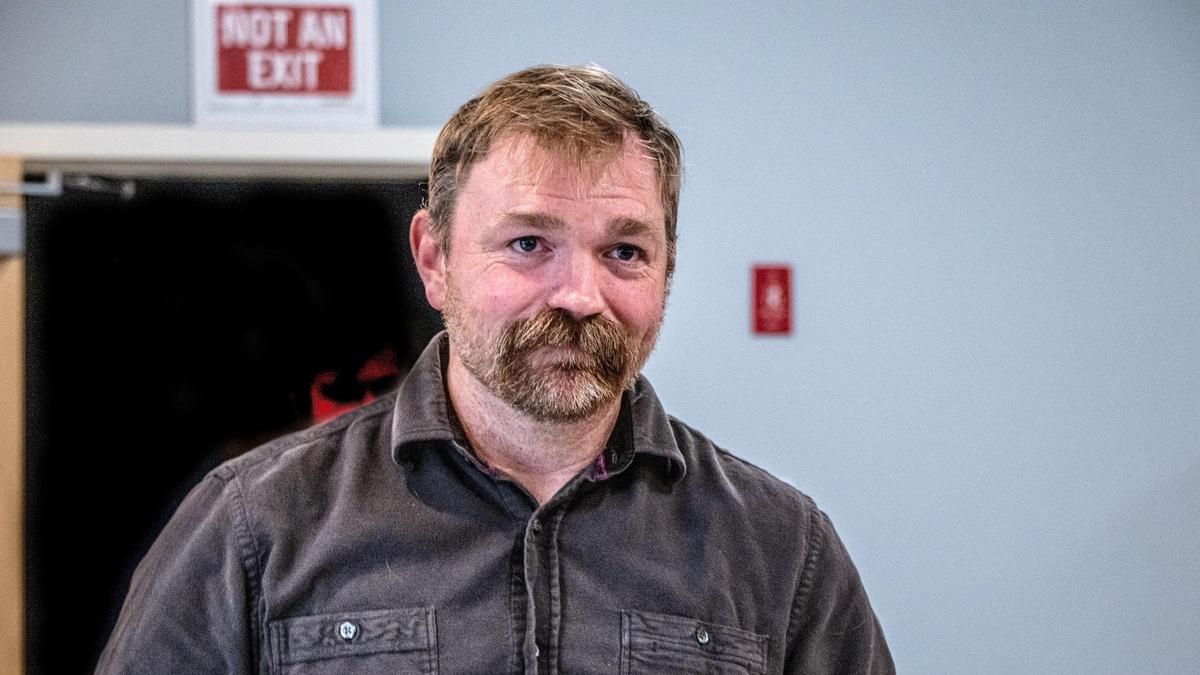
El candidato demócrata al Senado por Maine, Graham Platner, renuncia tras una denuncia de agresión sexual La salida de Platner está atravesada por las divisiones entre las facciones moderadas y progresistas del partido, mientras los demócratas debaten quién debería sustituirlo al tiempo que intentan unirse con vistas a las elecciones de mitad de mandato en noviembreLos demócratas deben conseguir cuatro escaños en el Senado para hacerse con el control de la cámara de 100 miembros, y los líderes del partido consideraban Maine una pieza clave del rompecabezas, junto con Alaska, Ohio y Carolina del Norte Graham Platner ha declarado este miércoles que tiene previsto retirarse de la carrera por el Senado de EEUU en Maine tras una denuncia por agresión sexual. Platner pone fin así a una campaña que había resistido meses de críticas y controversias en relación con un escaño clave para que los demócratas recuperen el Senado. La salida de Platner está atravesada por las divisiones entre las facciones moderadas y progresistas del partido, mientras los demócratas debaten quién debería sustituirlo al tiempo que intentan unirse con vistas a las elecciones de mitad de mandato en noviembre. Maine es un estado clave para el control de un Senado muy reñido, y los demócratas buscaban un candidato capaz de derrotar a la senadora republicana, Susan Collins, en un momento en que el presidente de EEUU, Donald Trump, está en mínimos de popularidad. En un vídeo de 11 minutos publicado este miércoles en las redes sociales, Platner afirmó que el proceso para sustituirlo debe ser abierto, transparente y democrático y reflejar la voluntad y los valores de las personas que lo apoyaron. También arremetió contra los líderes demócratas de Washington: La gente de D.C. tiene que quedarse en D.C. Las decisiones no deben tomarlas personas que ocupan puestos de poder político. Platner nunca antes había ocupado un cargo electo, y referentes progresistas lo apoyaron por delante de la gobernadora de Maine, Janet Mills, quien contaba con el apoyo de la cúpula del Partido Demócrata. Mills se retiró de la carrera a finales de abril, mientras Platner —un veterano militar y criador de ostras— consolidaba el apoyo de los votantes en las primarias, que ansiaban un candidato más combativo contra el trumpismo. Sobre Platner pesaba un pasado accidentado: un tatuaje reconocido como símbolo nazi y publicaciones en Internet en las que restaba importancia a las agresiones sexuales. Poco antes de que Platner se asegurara la nominación demócrata en las primarias del 9 de junio, surgieron informaciones de que había intercambiado mensajes sexualmente explícitos con otras mujeres mientras estaba casado y de que había agredido físicamente a una antigua novia durante una discusión. El apoyo a Platner se desplomó este lunes, cuando Politico informó de que una mujer había declarado que él, en estado de embriaguez, la obligó a mantener relaciones sexuales después de que ella le dijera que parara. Jenny Racicot, residente en Maine, declaró a Politico que había mantenido una relación intermitente con Platner, pero que cortó el contacto con él tras aquella noche de 2021 y le dejó claro que el encuentro no había sido consentido. En una entrevista con la CNN, afirmó que había sido violada en sentido estricto. Tras la publicación de la noticia, Platner, en un vídeo difundido en las redes sociales, negó la acusación y la calificó de categóricamente falsa, pero afirmó que se tomaría un tiempo para reflexionar sobre el mejor camino a seguir para su campaña. Varios referentes le retiraron su apoyo, entre ellos el senador de Vermont Bernie Sanders, quien declaró al día que había hablado con Platner y que a la luz de estas acusaciones tan graves, le he recomendado que se retire. La ley de Maine permite a los demócratas sustituir a Platner antes de las elecciones. El Partido Demócrata de Maine celebró una reunión de urgencia este miércoles, en la que más de 100 miembros del comité estatal aprobaron la celebración de una convención de nominación, en caso de que Platner se retirara, informa AP. Platner anunció que lo haría una hora después. Según la ley, los responsables del partido pueden seleccionar a un nuevo candidato si el que ganó las primarias se retira antes de las 17.00 horas del 13 de julio. El candidato sustituto debe ser nombrado antes del 27 de julio. Los demócratas deben conseguir cuatro escaños en el Senado para hacerse con el control de la cámara de 100 miembros, y los líderes del partido consideraban Maine una pieza clave del rompecabezas, junto con Alaska, Ohio y Carolina del Norte. Tatuaje nazi, Reddit y otros asuntos Platner se ha enfrentado a preguntas difíciles casi desde el momento en que inició su campaña el año pasado. Los medios de comunicación sacaron a la luz comentarios de hace años en Reddit que parecían respaldar la violencia, restar importancia a las agresiones sexuales en el ejército, criticar a los estadounidenses de zonas rurales y utilizar insultos homófobos. Hubo otra polémica por el tatuaje de la calavera con huesos cruzados, reconocido como símbolo nazi, que llevaba en el pecho. Afirmó que desconocía su historia y que se hizo el tatuaje estando borracho y de permiso con otros marines en Croacia. Se cubrió el tatuaje tras convertirse en candidato, y declaró en una entrevista del 21 de octubre con el podcast político Pod Save America que no era un nazi encubierto. Las calaveras con huesos cruzados son algo bastante habitual en el ámbito militar. Sin embargo, una exnovia declaró a The New York Times que Platner bromeó diciendo que el tatuaje era un símbolo nazi y lo llamó mi Totenkopf. El tatuaje y los comentarios en Internet despertaron la preocupación entre algunos demócratas. Expectación Antes de que se publicara el artículo de Politico, Platner canceló algunos encuentros con votantes previstos en Maine. Estos actos eran la tarjeta de presentación de su campaña. Los voluntarios organizaban happy hours y concursos de preguntas y respuestas para generar comunidad en torno a la idea de un cambio generacional; de Collins, de 73 años, a Platner, de 41. En un momento en el que los demócratas se han mostrado cada vez más desilusionados con la cúpula del partido, Platner parecía una alternativa atractiva. Platner se presentaba como una persona corriente que había cometido errores y se esforzaba por mejorar tanto a sí mismo como a su comunidad. A veces hablaba de su lucha contra el trastorno de estrés postraumático y hacía hincapié en el poder de la redención. Platner contaba con el respaldo de progresistas como el diputado Ro Khanna, de California, pero ese apoyo se desvaneció tras las acusaciones de Racicot. He dejado muy claro que la agresión sexual o la violencia contra las mujeres es una línea roja, declaró Khanna este lunes: Estas acusaciones son muy graves y creíbles. Graham Platner debería retirarse de la carrera. Retiro mi respaldo.
eldiario.es · about 7 hours ago

„Unnötig, „Riesige Fehlentscheidung – Grüne Jugend giftet gegen Bürokratie-Berater Palmer Der parteilose Tübinger Oberbürgermeister soll unabhängiger Rat für Staatsmodernisierung werden und Ministerpräsident Özdemir beraten. Die Grüne Jugend kritisiert, dass es Palmer vor allem um Aufmerksamkeit gehe. „Wir haben fähigere Leute, die einfach ihren Job machen würden.
welt.de · about 7 hours ago

Trump says Platner is in a bind after sexual assault allegation but it depends if you believe the woman Trump makes first in-depth comments about Maine Senate race after Platner faces calls to drop out over sexual assault accusation
independent · about 7 hours ago

FPÖ trennte sich von nächstem (Ex-)Identitären im Parlament Andreas Hinteregger war für den Abgeordneten Maximilian Weinzierl tätig. Ein Video zeigt ihn im Umfeld eines Übergriffs vor dem Parlament
der standard · about 7 hours ago

Gesellschaft: Ausschuss will gegen Ex-Senator Chialo klagen Ex-Kultursenator Chialo hat vor dem Untersuchungsausschuss die Auskunft verweigert. Jetzt droht dem CDU-Politiker eine Klage - und die Aussicht, möglicherweise noch einmal erscheinen zu müssen.
tagesspiegel · about 7 hours ago
Krisenmanagement: Berliner Junge Union fordert Rückzug von Wegner
die zeit · about 7 hours ago
US Senate nominee Platner halts campaign after assault allegations A string of high-profile Democrats have withdrawn support for Platner following sexual assault allegation.
aljazeera · about 7 hours ago
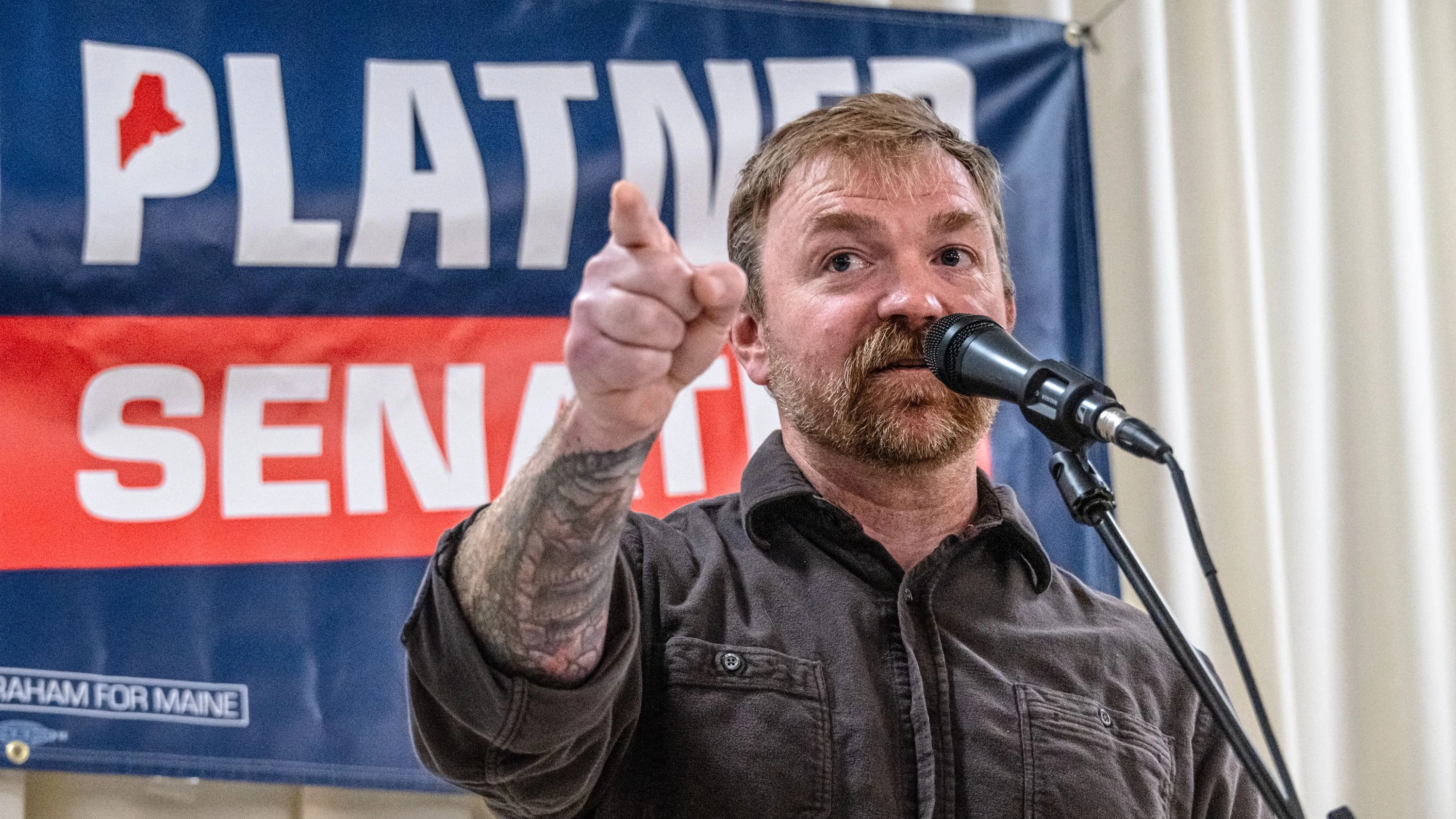
Hoffnung der Demokraten: US-Senatskandidat Platner kündigt Rückzug an Schwere Vorwürfe früherer Partnerinnen überschatten den Wahlkampf eines Schlüsselkandidaten der US-Demokraten für die „Midterms. Nun steigt er aus dem Rennen aus.
faz · about 7 hours ago
Democratic Senate candidate Graham Platner of Maine promised to formally withdraw from the race, after a string of controversies including an accusation of sexual assault plunged one of the most competitive races in the 2026 midterm elections into turmoil.
bluesky_Reuters · about 7 hours ago
Vor den „Midterms: Missbrauchsvorwürfe: US-Demokrat Platner kündigt Rückzug an Vorwürfe früherer Partnerinnen überschatten den Wahlkampf eines Schlüsselkandidaten der US-Demokraten - nun steigt er aus. Als Schuldeingeständnis will er seinen Verzicht aber nicht verstanden wissen.
handelsblatt · about 7 hours ago

Berliner Stromausfall: Der Fehler nach dem Fehler Wird erst die Salamitaktik angewendet, dann ist die Glaubwürdigkeit dahin. Im Fall Kai Wegners womöglich auch das Amt.
faz · about 7 hours ago
Föll i natt – Trump kan bli vinnare Han såldes in som en vanlig människa, och hotade makten för både toppdemokrater och Donald Trump. I natt hoppade Graham Platner av och nu väntar två veckors slagsmål mellan höger och vänster i Demokraterna.
svenska dagbladet · about 8 hours ago
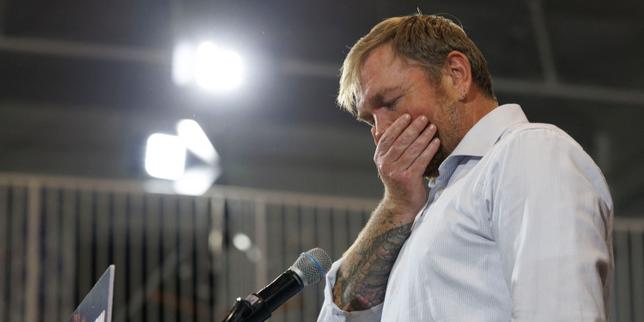
Aux Etats-Unis, la chute du démocrate Gérald Platner menace dempêcher le parti demporter le Congrès Le candidat aux sénatoriales de novembre dans lEtat du Maine, représentant de laile gauche populiste qui bouscule le Parti démocrate, a dû jeter léponge, mercredi, après une série de scandales.
le monde · about 8 hours ago
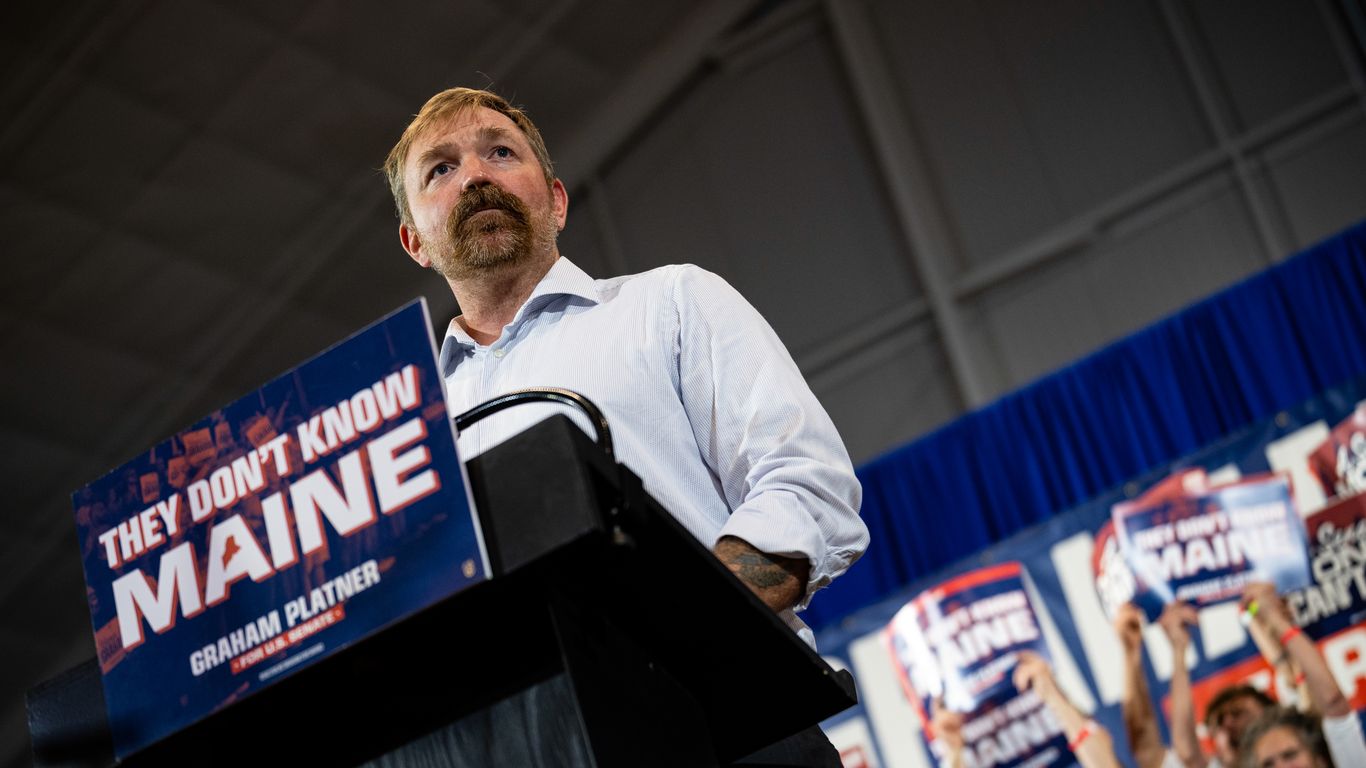
Graham Platner says hes "suspending" Maine Senate bid Maine Democrat Graham Platner announced Wednesday that he is "suspending campaign operations" for his Senate bid.Platner indicated that he intends to withdraw from the race — but said the process to replace him "needs to be driven not from back rooms, but by the will of the people."Why it matters: His apparent departure — following a sexual assault allegation that he denies — leaves Democrats in chaos. Maine is one of the most critical midterm races in the country, complicating their already difficult path to retake the Senate.Driving the news: "We are suspending campaign operations," Platner said Wednesday night in a video posted on X.Democrats have until July 27 to replace Platner with another candidate on the ballot — a process that could hand the party a stronger candidate but also risks alienating Platners former supporters.Maine Democrats announced Wednesday that they would hold a nominating convention to pick a new nominee — a process that some progressives quickly criticized as anti-democratic.Several announced and potential candidates have already started jockeying to become the new nominee.Politico and CNN reported Monday that a woman who dated Platner said he entered her home uninvited in 2021 while intoxicated and forced himself on her despite her objections.Platner quickly responded in a video posted to X, saying that he was "taking the time to reflect on the best path forward" but stopping short of ending his campaign.A second woman accused Platner of nonconsensual sexual contact Tuesday, telling the Washington Post that Platner repeatedly removed condoms without her consent when they were having sex.He denies both allegations.Within hours of the reports, the Maine Democratic Party called for his withdrawal. Senate Democratic leader Chuck Schumer (D-N.Y.) demanded he quit "immediately."Sen. Bernie Sanders (I-Vt.), Sen. Elizabeth Warren (D-Mass.), Sen. Ruben Gallego (D-Ariz.) and Rep. Ro Khanna (D-Calif.) all rescinded their endorsements.Schumer and Sen. Kirsten Gillibrand (D-N.Y.) went further in a joint statement, saying the Democratic Senatorial Campaign Committee "will not invest in the Maine Senate race if Platner remains on the ballot."What theyre saying: In a defiant, emotional video released Wednesday evening, Platner lashed out at what he called "a corporate media system and the political establishment" that he said "got to act as judge, jury and executioner.""I just want to make it clear: This is all false," he said of the allegations against him."This was the last week to try to get me off of the ballot, and thats why this is occurring." In a private phone call with his staff that took place shortly before his announcement, Platner said, "We have asked for assurances from the Democratic Party that they will ensure a process for a replacement nominee that respects the will of the voters who voted for a different kind of politics.""For our 15,000 volunteers, and for all of you, the process needs to be accountable. It needs to be transparent. It needs to be democratic, and it needs to engage in a very real way the people that delivered the mandate on June 9," he continued.The Maine Democratic Party leadership has said that the Platner team has "no role" in determining the next Senate nominee or how they are chosen.Some Democrats are worried that any process to replace Platner that does not allow ordinary voters to have a say could dampen enthusiasm."What the Platner campaign built was organic," national progressive strategist Andrew Feldman told Axios. "It is going to be extremely challenging to pick a new nominee through a convention, not an open caucus, and create the energy needed to win — lets not kid ourselves."The big picture: Platners downfall is a massive blow to progressives who hoped that he would demonstrate that left-wing candidates can flip key GOP-held seats and put them in a stronger position ahead of the 2028 presidential election.A self-described oyster farmer and Marine Corps veteran who had never run for elected office before, Platner initially took the political world by storm, drawing huge crowds at town halls in his state with his charismatic personality and anti-establishment message.He outpolled and out-fundraised his primary opponent, Maine Gov. Janet Mills, pushing her to suspend her campaign.Some progressives even quietly talked about Platner as a potential future candidate for the White House.But Platner was dogged by controversy after controversy — from contentious social media posts to a Nazi-linked tattoo to sexually explicit texts to women outside his marriage.Despite his baggage, Platner easily won the primary with nearly 72 of the vote.Zoom out: Democrats always faced an uphill battle in their effort to gain control of the Senate, given the makeup of this years map, but their troubles in Maine — where they see an opportunity to oust Republican Sen. Susan Collins — have only made their quest more difficult.New York Times/Siena polls released July 1 found that Democrats are competitive in six key Senate races, but "not leading in enough to take the chamber."Editors note: This story has been updated with additional details.
axios · about 8 hours ago
Overgrepsanklaget demokrat trekker seg fra valgkamp Demokraten Graham Platner stanser valgkampen etter overgrepsanklager.
aftenposten · about 8 hours ago
JUST IN - Maine Democrat Senate candidate Graham Platner is "suspending campaign operations" amid sexual assault allegations: "Were not doing it because of the allegations, were doing it because of the structures that are being taken away from us by those in power." @disclosetv
telegram_Disclose.tv · about 8 hours ago

Graham Platner, el demócrata acusado de violación, suspende su candidatura al Senado por Maine El candidato progresista sigue sin admitir su culpa y anuncia que se retira porque ha perdido el apoyo del partido
la vanguardia · about 8 hours ago

Graham Platner withdraws from Senate race after rape accusation
bluesky_The Times · about 8 hours ago

Nach Falschaussagen zu Stromausfall – Junge Union fordert Rückzug von Wegner Wegner soll bei der Abgeordnetenhauswahl auf die Spitzenkandidatur der CDU in Berlin verzichten. Dies wäre „im Interesse der Stadt und der Partei. Stattdessen solle jemand kandidieren, „der in seiner persönlichen Integrität unangreifbar sei.
welt.de · about 8 hours ago
„Im Interesse der Stadt und der Partei: Junge Union Berlin fordert Wegner zu Verzicht auf Spitzenkandidatur auf Der Chef der Jungen Union in Berlin sieht die Glaubwürdigkeit des Regierenden Bürgermeisters beschädigt. Für die Abgeordnetenhauswahl fordert er einen Neuanfang an der Spitze.
tagesspiegel · about 8 hours ago

US-Demokratischer Senatskandidat in Maine gibt nach Vergewaltigungsvorwürfen auf Für die Demokraten ist es ein herber Rückschlag. Sie wollen im Herbst die republikanische Senatsmehrheit brechen. Graham Platner streitet die Vorwürfe ab
der standard · about 8 hours ago
Missbrauchsvorwürfe: US-Demokrat Platner kündigt Rückzug an
orf.at · about 8 hours ago
Krisenmanagement: Junge Union fordert Rückzug von Wegner Der Chef der Jungen Union in Berlin sieht die Glaubwürdigkeit des Regierenden Bürgermeisters beschädigt. Für die Abgeordnetenhauswahl fordert er einen Neuanfang an der Spitze.
tagesspiegel · about 8 hours ago
![House Democrats Jeffries-skeptic caucus isnt done growing Democratic primaries this summer could elevate another crop of incoming House members who have refused to commit to voting for Minority Leader Hakeem Jeffries (D-N.Y.) as speaker.Why it matters: This growing bloc of Jeffries skeptics could create real headaches for the Democratic leader as he attempts to form a united front to take on the Trump administration.Jeffries colleagues — left and center — widely expect him to become speaker if Democrats win the majority, noting that former Speaker Nancy Pelosi (D-Calif.) faced similar rancor in 2018 and still secured the gavel.There is also no clear alternative to Jeffries, with House Democrats and candidates telling Axios there have been no indications anyone is preparing to challenge him.But even if this likely cohort of rebellious first-years does acquiesce to Jeffries on Jan. 3, they are not planning to make his tenure as speaker an easy one.State of play: Primaries in the spring and early summer have elevated several high-profile Democratic Socialists of America members who wont commit to voting for Jeffries, including Darializa Avila-Chevalier and Claire Valdez in New York and Adam Hamawy in New Jersey.Melat Kiros, who unseated Rep. Diana DeGette (D-Colo.) last week, told Axios she "will not vote for any Democrat for a leadership position if they take corporate PAC money," which would apply to Jeffries.Pennsylvania state Rep. Chris Rabb, the Democratic nominee in a safely blue U.S. House seat in Philadelphia, told Axios in an interview that Jeffries "supported a lot of the folks who my endorsees beat, and who made a lot of rhetoric that I found problematic."Whats next: The Michigan and Missouri primaries on Aug. 4 will determine whether the ranks of Jeffries skeptics grow even further.Former Rep. Cori Bush (D-Mo.), who is running for her old seat and previously voted for Jeffries on 19 speaker ballots in 2023, declined to commit to doing so in 2027 in an interview with Axios last week.William Lawrence, a progressive candidate in Michigans 7th District, said in an interview he looks forward to "voting for a Democratic speaker," but "will have to see how it all shakes out. I hope to have an alternative to Jeffries to vote for."Zoom in: Several other candidates with August or September primaries told Axios last fall they either wont commit to Jeffries or are outright opposed to him: Donavan McKinney of Michigan, Heath Howard of New Hampshire and Patrick Roath of Massachusetts.Angela Gonzales-Torres and Mai Vang, both of whom are facing runoffs in California with Democratic incumbents in November, are also in the Jeffries-skeptic column.The other side: Elijah Manley, running in Floridas 20th District, has changed his tune after previously opposing Jeffries. He told us last week the Democratic leader "will work with progressives to be the type of wartime leader that we need."Luke Bronin, who is primarying Rep. John Larson (D-Conn.), has also become supportive since the fall, telling Axios: "We should not start our majority by fighting over who should be speaker."What theyre saying: Jeffries has expressed stern confidence that these progressives ultimately wont stand between him and the speakership."I think Ive stood as the Democratic nominee for speaker now a total of 20 times because of dysfunction on the other side of the aisle, and I havent lost a single Democratic vote yet," he told reporters last week.New York Mayor Zohran Mamdani, a DSA member closely aligned with many of the incoming skeptics, has said he supports Jeffries for speaker.Yes, but: Even if Jeffries wins over his detractors and secures the gavel, he is all but certain to face constant headaches from his left flank in the battles ahead."People are tired of the weakness ... from Democratic party leadership who have lost to [Trump] not once but twice," Lawrence said.If Jeffries wins, Rabb said, "We have to have a pivot point on the question: What are the expectations you have of a Democratic speaker of the House, and how does that correlate to how you ran?"The bottom line: Even as House Democrats largely dismiss the possibility of anyone in the caucus making a run at Jeffries, some are also cautioning that — in this wild political climate — nothing can be ruled out."Its an unusual political year," one House Democrat told Axios. "Anything could happen."Editors note: This story has been updated with a statement from Luke Bronin expressing support for Jeffries as speaker.](https://images.axios.com/n08BbgbnEEFO-AVUrUmofnRVLRc=/243x374:4345x2681/1366x768/2026/07/06/1783348654688.jpeg)
House Democrats Jeffries-skeptic caucus isnt done growing Democratic primaries this summer could elevate another crop of incoming House members who have refused to commit to voting for Minority Leader Hakeem Jeffries (D-N.Y.) as speaker.Why it matters: This growing bloc of Jeffries skeptics could create real headaches for the Democratic leader as he attempts to form a united front to take on the Trump administration.Jeffries colleagues — left and center — widely expect him to become speaker if Democrats win the majority, noting that former Speaker Nancy Pelosi (D-Calif.) faced similar rancor in 2018 and still secured the gavel.There is also no clear alternative to Jeffries, with House Democrats and candidates telling Axios there have been no indications anyone is preparing to challenge him.But even if this likely cohort of rebellious first-years does acquiesce to Jeffries on Jan. 3, they are not planning to make his tenure as speaker an easy one.State of play: Primaries in the spring and early summer have elevated several high-profile Democratic Socialists of America members who wont commit to voting for Jeffries, including Darializa Avila-Chevalier and Claire Valdez in New York and Adam Hamawy in New Jersey.Melat Kiros, who unseated Rep. Diana DeGette (D-Colo.) last week, told Axios she "will not vote for any Democrat for a leadership position if they take corporate PAC money," which would apply to Jeffries.Pennsylvania state Rep. Chris Rabb, the Democratic nominee in a safely blue U.S. House seat in Philadelphia, told Axios in an interview that Jeffries "supported a lot of the folks who my endorsees beat, and who made a lot of rhetoric that I found problematic."Whats next: The Michigan and Missouri primaries on Aug. 4 will determine whether the ranks of Jeffries skeptics grow even further.Former Rep. Cori Bush (D-Mo.), who is running for her old seat and previously voted for Jeffries on 19 speaker ballots in 2023, declined to commit to doing so in 2027 in an interview with Axios last week.William Lawrence, a progressive candidate in Michigans 7th District, said in an interview he looks forward to "voting for a Democratic speaker," but "will have to see how it all shakes out. I hope to have an alternative to Jeffries to vote for."Zoom in: Several other candidates with August or September primaries told Axios last fall they either wont commit to Jeffries or are outright opposed to him: Donavan McKinney of Michigan, Heath Howard of New Hampshire and Patrick Roath of Massachusetts.Angela Gonzales-Torres and Mai Vang, both of whom are facing runoffs in California with Democratic incumbents in November, are also in the Jeffries-skeptic column.The other side: Elijah Manley, running in Floridas 20th District, has changed his tune after previously opposing Jeffries. He told us last week the Democratic leader "will work with progressives to be the type of wartime leader that we need."Luke Bronin, who is primarying Rep. John Larson (D-Conn.), has also become supportive since the fall, telling Axios: "We should not start our majority by fighting over who should be speaker."What theyre saying: Jeffries has expressed stern confidence that these progressives ultimately wont stand between him and the speakership."I think Ive stood as the Democratic nominee for speaker now a total of 20 times because of dysfunction on the other side of the aisle, and I havent lost a single Democratic vote yet," he told reporters last week.New York Mayor Zohran Mamdani, a DSA member closely aligned with many of the incoming skeptics, has said he supports Jeffries for speaker.Yes, but: Even if Jeffries wins over his detractors and secures the gavel, he is all but certain to face constant headaches from his left flank in the battles ahead."People are tired of the weakness ... from Democratic party leadership who have lost to [Trump] not once but twice," Lawrence said.If Jeffries wins, Rabb said, "We have to have a pivot point on the question: What are the expectations you have of a Democratic speaker of the House, and how does that correlate to how you ran?"The bottom line: Even as House Democrats largely dismiss the possibility of anyone in the caucus making a run at Jeffries, some are also cautioning that — in this wild political climate — nothing can be ruled out."Its an unusual political year," one House Democrat told Axios. "Anything could happen."Editors note: This story has been updated with a statement from Luke Bronin expressing support for Jeffries as speaker.
axios · about 8 hours ago
What would Wagner think of the Bayreuth Festival in 2026? Calls for the composers descendants to relinquish their hold are growing but that would risk robbing the event of its USP
financial times · about 9 hours ago
Der Checkpoint am Morgen: SPD-Kandidat Krach schließt Koalition mit Kai Wegner aus + „Grundsätzlich durchfürbar und finanzierbar: Senat lässt Wohnungen auf dem Tempelhofer Feld von der IBB prüfen + Nach Fördergeldaffäre: Staatsanwaltschaft ermittelt nicht gegen Dirk Stettner + Verheerende Ergebnisse der Drittklässler-Vergleichsarbeiten +
tagesspiegel · about 9 hours ago
Demokraten-Hoffnung Platner zieht US-Senatskandidatur zurück Graham Platner wird vorgeworfen, eine Frau vor fast fünf Jahren vergewaltigt zu haben. Eine frühere Freundin soll außerdem ausgesagt haben, Platner habe beim Sex wiederholt ohne ihre Zustimmung Kondome entfernt.
die presse · about 9 hours ago
Graham Platner drops out of Maine Senate race after sexual assault claim sends Democrats fleeing his campaign Platners exit kicks off a mad dash to find a candidate to challenge Republican Sen. Susan Collins
independent · about 9 hours ago
Fact-checking the first debate between Ed Markey, Seth Moulton in Massachusetts U.S. Senate contest Fact-checking Markey, Moulton in Massachusetts Senate debate
politifact · about 9 hours ago
Fact-checking Abdul El-Sayed and Haley Stevens in MI Democratic Senate primary debate Fact-checking campaign finance claims in MI Senate debate
politifact · about 9 hours ago