
Slovakias KDH proposes scrapping doctor fees: 120m plan sparks healthcare debate
Story Timeline
4 months · 3 summary articles
Slovakia secures 2.3bn EU loan for military modernisation amid regional tensions
Slovakia warns rising healthcare costs deter patients from seeking care
Slovakias KDH proposes scrapping doctor fees: 120m plan sparks healthcare debate
Slovakia’s healthcare system faces renewed pressure as the Christian Democratic Movement (KDH) proposes scrapping patient fees at doctors’ offices, a move that could reshape public health financing amid ongoing political turmoil. The proposal, unveiled on Wednesday, comes as two senior ministers—Ján Drucker and Tomáš Takáč—confront calls for their removal, while a space mission blasts off from Rožňava, marking a rare scientific milestone for the region.
KDH leader Milan Majerský confirmed the plan to eliminate co-payments for doctor visits, arguing that financial barriers deter patients from seeking early care. “Healthcare should be accessible to all, not a privilege for those who can afford it,” Majerský stated. The proposal, slated for parliamentary debate next month, would require an estimated €120 million in annual state funding, according to Finance Ministry projections. Critics, including opposition lawmakers, warn the move could strain an already overburdened system, with waiting lists for specialist care growing by 18% in the first quarter of 2026 .
The healthcare debate intensifies as Slovakia’s government grapples with broader instability. A state-commissioned poll by Infostat, released Tuesday, revealed a sharp drop in public support for Prime Minister Robert Fico’s coalition, with Igor Matovič’s party gaining 4.2 percentage points to 12.7%. The survey, conducted among 1,050 respondents between May 25–30, suggests growing discontent over economic policies and healthcare access .
Meanwhile, Rožňava’s space mission, a collaboration between the Slovak Academy of Sciences and the European Space Agency, marks a breakthrough for Slovakia’s fledgling aerospace sector. The satellite, designed to monitor cosmic radiation, lifted off from a private launch site in eastern Slovakia at 03:47 CET, carrying payloads from three universities. “This is a historic moment for Slovak science,” said project lead Dr. Elena Vargová. The mission, budgeted at €8.5 million, aims to collect data on solar flares that disrupt power grids .
Political analysts suggest the healthcare proposal could be a tactical move by KDH to bolster its standing ahead of municipal elections in October. “They’re positioning themselves as the voice of the people against austerity,” said political scientist Juraj Marušák. However, the plan’s feasibility hinges on securing cross-party support, with the ruling Smer-SD party yet to indicate its stance.
As Slovakia navigates these challenges, the space mission offers a rare moment of optimism. Yet for ordinary citizens, the debate over healthcare fees underscores deeper questions about equity and governance in a country where political turbulence has become the norm.
Follow us for live European news
- 2
- 2
- 2
- 1
- 1
- 1
- 1
- 1
- 1
1 further source not geolocated
Articles

ANALÜÜS ⟩ Eestist lahkunud Vene propagandistid hirmutavad sõjaga ja võitlevad ellujäämise nimel Viimastel aastatel on Eestist omal soovil või sunniviisiliselt lahkunud palju inimesi, kes töötasid aastaid «russofoobia», nõukogude mälu ja «kaasmaalaste õiguste» teemadega. Nende saatus on kujunenud erinevaks: mõni mõjutab Venemaalt Eesti venekeelset auditooriumi edasi ka praegu, mõni aga osutus uuel kodumaal täiesti ebavajalikuks isegi dekoratsioonina.
postimees · 4 months ago
12-aastased lapsed kontrollivad õpetajaid. Kas nii nüüd jääbki? Viimane koolipäev ja kõik hingavad kergendatult – suur suvi on käes! Õpetaja soovitab hästi puhata, tegeleda nende asjadega, mis väga meeldivad. Ammutada endasse päikest ja sooja, vaadata ümberringi, märgata ilma ja inimesi.
postimees · 4 months ago
TEADLASED ⟩ See üks jõuharjutus peegeldab vananedes su üldist tervist Sotsiaalmeedias levib sageli väiteid, et käte haardejõud on otsene pikaealisuse ennustaja, kuid tegelikkus on märksa nüansirohkem. Järgnevas ülevaates selgitame, kuidas teaduslikud faktid võivad moonduda eksitavateks tervisemüütideks ja mida haardejõud tegelikult meie tervisest kõneleb.
postimees · 4 months ago

E quando a mentira se torna um problema? Todos nós já inventámos uma dor de cabeça para não ir a um local, já dissemos sim em vez de não, todos nós já mentimos, mas e quando a mentira se torna um modo de vida? Uma forma constante de interagir… é disso que vamos falar com o Dr. ...
observador · 4 months ago
Bývalou ubytovnu v Úvalské ulici přestaví Karlovy Vary na 62 nájemních bytů, část z nich bude sociální Předáním staveniště v úterý v Karlových Varech začala přestavba bývalé ubytovny v Úvalské ulici na nájemní byty. Projekt za zhruba 145 milionů korun včetně DPH zaplatí město z větší části z dotace a z úvěru od Státního fondu podpory investic. Celkem 62 bytů by mělo být dokončeno v březnu 2028. Jde o první větší městskou bytovou výstavbu ve městě po více než 20 letech, řekl v úterý novinářům náměstek primátorky Miroslav Vaněk (Karlovaráci).
irozhlas.cz · 4 months ago
Místo vody lešení. Oprava budovy libereckého bazénu pokračuje, vyjde na 800 milionů a potrvá do září 2027 Lešení potřebuje stavební firma Metrostav pro práce na stropě stadionu. Pokračuje v kompletní opravě budovy. Město za ni zaplatí přes osm set milionů korun bez daně. Aktuálně už je uvnitř budovy vidět, jak budou nové prostory vypadat. Nejvíc práce pokročily v prvním patře. Ve wellness už stavbaři pokládají podlahové vytápění. Připravený je taky prostor pro recepci a pokladny.
irozhlas.cz · 4 months ago
Donare gli organi: il modello Singapore che lItalia non vuole di Laura Ruzzante A Singapore hanno trovato una soluzione semplice a un problema che in Occidente riusciamo a complicare con la stessa efficienza con cui trasformiamo una buca in una commissione parlamentare. La regola è questa: sei automaticamente donatore di organi, salvo esplicita rinuncia. Nessuno ti obbliga, puoi dire di no. Però, se scegli di […] Larticolo Donare gli organi: il modello Singapore che lItalia non vuole proviene da Il Fatto Quotidiano.
il fatto quotidiano · 4 months ago
Nederlandse uitstoot daalt door tanktoerisme en minder steenkoolgebruik De uitstoot van broeikasgassen lag in het eerste kwartaal van dit jaar 5 procent lager dan vorig jaar. Volgens het CBS heeft dat er vooral mee te maken dat energiebedrijven minder steenkool gebruikten om stroom op te wekken. Ook de hoge olie- en gasprijzen speelden een rol.
nu.nl · 4 months ago
Esence chlapství? Čelit chybám i výzvám, umět se omluvit a přiznat přešlapy, říká rapper Renne Dang „Kdybych se měl v tvorbě cenzurovat a nechat nejosobnější věci v šuplíku, připadalo by mi, že k sobě nejsem úplně upřímný. Může to bolet, ve výsledku je to ale léčivé, říká rapper Renne Dang. Na nové desce Trauma Party se vypořádává se svým rozvodem i podmínkou za prodej a distribuci marihuany.
denik n · 4 months ago
Allt fler drabbas av arbetssjukdom Anmälningarna om arbetssjukdomar, alltså den typ av arbetsskador som inte uppstår vid en olycka, fortsätter att öka, rapporterar Sveriges Radio Ekot.
svenska dagbladet · 4 months ago
Kvinna i USA vill få tillbaka släktings klocka Kvinnans farmors mormor gav i början av 1900-talet en moraklocka till sjukvården efter en lasarettsvistelse i Karlshamn. Nu har ättlingen – som bor i USA men är bördig från Mörrum – hört av sig till Region Blekinge och vill köpa tillbaka den.
svenska dagbladet · 4 months ago
Forskare: Åtta faktorer för att få fantastiskt sex Vad gör att man upplever fantastiskt sex? En kombination av åtta unika ingredienser, svarar livserfarna människor i världens största studie om optimalt sex. Nu kommer boken på svenska.
svenska dagbladet · 4 months ago
Suvel kolm etendust lavale toov Kaili Viidas: «Kes ma olen siis, kui olen kõigest ilma jäänud?» Kui paljud meist võtavad suveks aja maha, siis näitleja-lavastaja Kaili Viidas teeb vastupidist ja toob lähikuudel teatripubliku ette kolm lavastust. Enne esimest esietendust räägib ta oma teekonnast teatri juurde, loomingulisest partnerlusest Ott Kiluskiga ning sellest, miks kõige huvitavamad mõtted sageli just loominguliste vaidluste käigus sünnivad.
postimees · 4 months ago
Halb hingeõhk ja veritsevad igemed võivad viidata tõsistele haigustele Kuigi suutervist seostatakse sageli vaid hammaste lagunemise või igemeprobleemidega, võivad just suuõõnes avalduvad muutused viidata märksa tõsisematele tervisemuredele. Ekspertide sõnul on suu organismi tervise peegel ning seal esinevad põletikud võivad olla seotud mitmete krooniliste haigustega.
postimees · 4 months ago
NÄDALA LEIUD ⟩ Pitsat, initsiaalidega kuldsõrmus, ripats ja mündid ilmuvad keskpargist lagedale. Ning see on alles algus Keskpargis, tulevase kultuurikeskuse Siuru ehitusplatsi piirava aia sees avaneb 6800-ruutmeetrine ala, millest umbes kolmandik näeb välja nagu suur kandiline auk. Selles augus kihab elu kui sipelgapesas, sest käsil on Eesti kõigi aegade üks suuremaid arheoloogilisi väljakaevamisi.
postimees · 4 months ago
Stín pod stromem jako stará lidská zkušenost. Na letní horka se města chystají třeba i výsadbou rostlin Vysoké teploty opět začínají rozpalovat města, ta se s problémem potýkají různými způsoby. Zatímco někde instalují vodní mlžítka, jinde se snaží vytvořit stín pomocí zeleně. Přehřáté ulice dokáží stromy a keře ochladit i o několik stupňů. „Je to stará lidská zkušenost, že si lidé sednou pod strom a je tam stín, říká vědec Jan Pokorný. Tohoto poznatku využívá například projekt Plants4Cooling, do kterého se zapojily české i rakouské obce.
irozhlas.cz · 4 months ago
Il discorso del papa a Madrid nasconde un classico trucco retorico A Madrid il papa ha esortato la folla alla fede con un argomento che mi ha fatto sorridere: Perché temere che leternità permei la quotidianità? Non temete! Spalancate le porte a Cristo! Ho sorriso perché ci ho sentito leco di una mia ex quando voleva convincermi a sposarla: Di cosa hai paura? Questo argomento è […] Larticolo Il discorso del papa a Madrid nasconde un classico trucco retorico proviene da Il Fatto Quotidiano.
il fatto quotidiano · 4 months ago
Annebel Visscher heeft spijt van borstvergroting: Zit te denken om ze eruit te halen Annebel Visscher, bekend van onder andere Temptation Island, kijkt met gemengde gevoelens terug op een keuze uit haar verleden. Op Instagram deelt de influencer een reeks oude fotos en doet ze opvallend eerlijke uitspraken over haar borstvergroting.
rtl nieuws · 4 months ago
Pericol pe aleea de sub Tâmpa. Zeci de arbori aparent sănătoși riscă să se prăbușească. Ce face primăria Zeci de copaci din Brașov sunt un pericol real pentru localnici si turiști. Un arbore s-a prăbușit într-un loc vizitat zilnic de sute de oameni, la un an după tragedia de pe aleea de sub Tâmpa, unde un tânăr și-a pierdut viața lovit de un arbore. Specialistii au descoperit ca mulți sunt putreziți în interior, chiar dacă la suprafață pare că sunt sănătoși.
digi24 · 4 months ago
Tasa-arvo | Espoo päätti, ettei se maksa Suvivirsi-korvauksia Yhdenvertaisuus- ja tasa-arvolautakunta määräsi Espoon kaupungille uhkasakon ja suositti hyvityksen maksamista oppilaalle ja tämän huoltajalle.
helsingin sanomat · 4 months ago
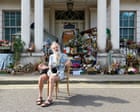
It was Britains most expensive house. Why is its only resident a homeless man who lives on the porch? 2-8A Rutland Gate had jewel-encrusted bathroom suites and gold wastepaper bins in its 45 rooms, but has lain empty for years. With many people desperate for secure housing, what does the abandonment of this palace tell us about the UK?When it last changed hands, in 2020, 2-8A Rutland Gate was Britains most expensive house, selling for £210m. The word house hardly does it justice; palace is probably more accurate. It is in Knightsbridge, one of the most glamorous parts of London, and has 45 rooms, four lifts, an indoor pool and 116 windows, 68 of which overlook Hyde Park.But no one is enjoying those views. This palace has been empty for years. Continue reading...
theguardian · 4 months ago
EXCLUSIV ANAF închide rețeaua proprie de magazine ANAF pregătește închiderea magazinelor fizice pe care le operează, a declarat pentru Profit.ro secretarul general adjunct al ANAF, Mironel Panțuroiu. Magazinele Fiscului nu au vânzări suficiente încât să fie considerate eficiente, iar comercializarea de bunuri se va face pe viitor doar online a spus acesta. De asemenea, se va renunța pe viitor și la vânzarea …
hotnews.ro · 4 months ago
Po dlouhé době zase reprezentativní, míní starosta Příbrami. Tamní Jiráskovy sady se dočkaly obnovy Jiráskovy sady v Příbrami jsou jednou ze vstupních bran do centra města. Dělníci tam nyní dokončili několikaměsíční rekonstrukci. Vyměnili vodovodní a kanalizační potrubí, obnovili povrchy chodníků, autobusový záliv i parkoviště. Závěrečná etapa prací začala v únoru a vyžádala si několik dopravních omezení včetně uzavírek v okolí parku.
irozhlas.cz · 4 months ago
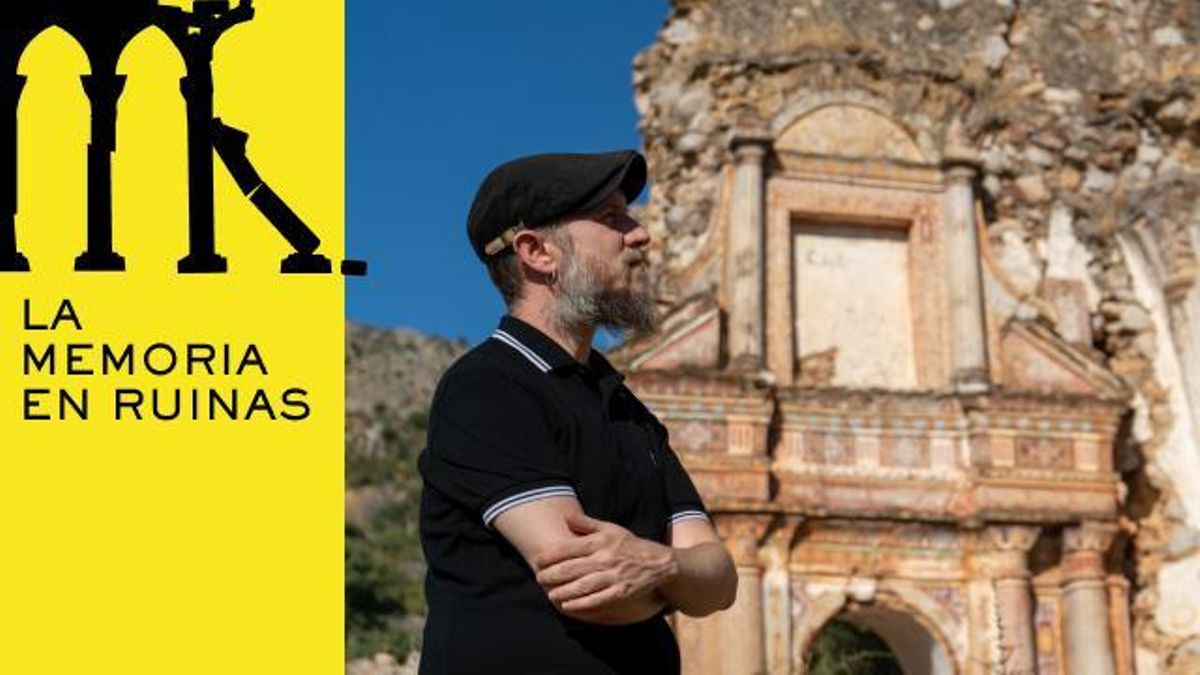
Episodio 7. ¿Quién cuidará mañana de estas piedras? | 🎙️ PODCAST ¿De verdad los jóvenes dan la espalda al patrimonio? ¿De verdad los jóvenes dan la espalda al patrimonio (como a tantas otras cosas)? Esta es la pregunta que obsesiona a nuestros periodistas en el capítulo 7 de La memoria en ruinas. ¿Se trata de un tópico cierto, o solo es una más de esas ideas injustamente atribuidas a las nuevas generaciones? ¿Encontrarán Andrea Morán y José María Sadia ejemplos reales que echen abajo esta afirmación tan manida? Gabriel García recrea monumentos de España en Minecraft. En esa búsqueda, tendrán que visitar distintos enclaves del país, algunos tan originales como remotos, e incluso viajar virtualmente fuera de España. Por ejemplo, emprenderán una expedición a tierras extremeñas para conocer una ermita en ruinas en la provincia de Badajoz. Allí aguarda un guía de excepción: el historiador José Luis Díaz comparte su proyecto Arte en ruinas, explica por experiencia propia qué pueden hacer nuestros jóvenes por el patrimonio… y también qué oportunidades de futuro ofrecen las piedras a las generaciones venideras. El historiador del arte José Luis Díaz en la ermita de la Encarnación (Extremadura). La memoria en ruinas es un podcast de elDiario.es, codirigido por José María Sadia e Izaskun Pérez. José María Sadia también se ha encargado de la documentación y las entrevistas. Andrea Morán ha realizado la producción y ha escrito los guiones. Ambos, han viajado por España durante semanas grabando esta serie. Puedes escuchar La memoria en ruinas en nuestra web y en tu plataforma de audio favorita: Spotify Apple Podcast iVoox Podimo RSS También lo puedes escuchar en Youtube: La memoria es ruinas es una producción de elDiario.es. Si te gusta lo que hacemos, necesitamos tu apoyo. Hazte socia, hazte socio, en elDiario.es/socio Financiado por la Unión Europea – Next Generation EU
eldiario.es · 4 months ago
Buitenslapers in Ter Apel: bus naar nachtopvang was al vertrokken Bij het aanmeldcentrum in Ter Apel hebben vannacht twaalf mensen buiten geslapen. Een nacht eerder sliepen er vijf mensen buiten. Beide nachten was er wel nachtopvang in een andere gemeente, maar de bus daarnaartoe was al vertrokken.
rtl nieuws · 4 months ago