 Saturday, July 4Saturday, July 4
2 hours · 2 summary articles
Archaeologists unearth rare ancient surgical knife at Heraclea Sintica in Bulgaria
Archaeologists unearth rare ancient surgical tool at Heraclea Sintica in southwestern Bulgaria
Archaeologists in southwestern Bulgaria have uncovered an exceptionally rare ancient surgical instrument at the Greek city of Heraclea Sintica, offering new insight into medical practices in the ancient world. The artifact, a bronze lithotomy scoop used to remove bladder stones, was found inside a room adjacent to the Temple of Asklepios during excavations led by Dr. Lyudmil Vagalinski, the project’s director.
The discovery, announced Friday, marks one of the most significant finds in decades at the 4th-century BC site, which was once a thriving Greek colony in what is now Blagoevgrad Province. The instrument, dating to the Hellenistic period, is among only a handful of such tools ever recovered in archaeological contexts. Its presence suggests that Heraclea Sintica had access to advanced medical knowledge, likely through connections with major Greek medical centers such as Cos or Alexandria.
“This is not just a tool—it’s a window into the daily lives of people who lived over 2,000 years ago,” Vagalinski said. “The fact that it was found near a temple dedicated to Asklepios, the god of healing, reinforces the link between religious practice and medical treatment in antiquity.”
The lithotomy scoop joins a growing body of evidence from Heraclea Sintica, which has yielded well-preserved structures including a theater, public baths, and an early Christian basilica. Excavations have been ongoing since the 1980s, but recent funding has accelerated the recovery of artifacts that challenge long-held assumptions about the region’s cultural and medical history.
The find comes as Greece and Bulgaria intensify efforts to preserve and study their shared Hellenistic heritage. In June 2026, Greek authorities announced a €12 million restoration project for the ancient city of Philippi, another UNESCO World Heritage site with deep ties to Alexander the Great’s successors .
While the instrument’s exact use remains a subject of scholarly debate, its discovery underscores the sophistication of ancient Greek medicine. Bladder stones were a common and often fatal condition in antiquity, and surgical interventions, though risky, were documented by physicians such as Hippocrates and Celsus. The Heraclea Sintica scoop, with its precise design and polished surface, suggests a level of surgical skill that aligns with the highest standards of the era.
Further analysis of the artifact is expected to reveal traces of organic residues, potentially offering clues about the materials used in its manufacture or the substances it was designed to extract. The Bulgarian Ministry of Culture has announced plans to display the instrument in Sofia’s National Archaeological Museum by 2027, pending conservation.
For now, the scoop rests in a controlled environment at the site’s field laboratory, where archaeologists continue to sift through layers of history—one shard, one tool, one story at a time.
Follow us for live European news
4 further sources not geolocated

He survived a deadly wartime battle — then protected Orkneys heritage
bluesky_The Times · about 3 hours ago
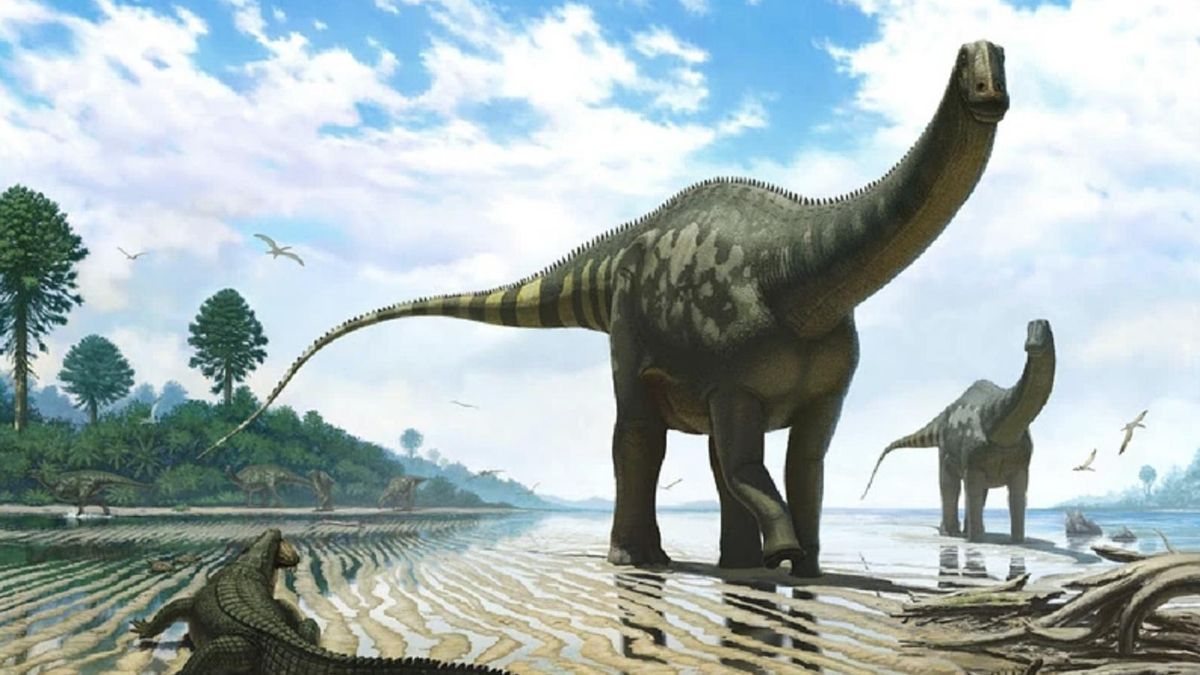
Demandasaurus, el dinosaurio de Burgos que ayuda a reconstruir las migraciones prehistóricas entre continentes Un nuevo estudio sugiere que los dinosaurios no estaban en declive justo antes del asteroide que acabó con ellos Un dinosaurio descubierto en la provincia de Burgos vuelve a situarse en el centro de la investigación paleontológica internacional. Tres nuevos estudios publicados en la revista Ciencias de la Tierra han reforzado el papel de Demandasaurus darwini como una pieza clave para comprender cómo se desplazaban los grandes dinosaurios herbívoros entre Europa y África durante la primera mitad del Cretácico. Los trabajos, presentados inicialmente en el Congreso Internacional Pala-Dino celebrado en San Millán de la Cogolla en 2025, consolidan la relevancia de esta especie descubierta en la Sierra de la Demanda. Tres estudios para tender puentes entre Europa y África Las investigaciones han profundizado en distintos aspectos de la fauna que habitó la península ibérica hace unos 125 millones de años. Uno de los estudios revisa los escasos restos conocidos de rebaquisáuridos, que es el grupo de saurópodos al que pertenece Demandasaurus, en Europa, Asia y Norteamérica. Otro analiza dos vértebras dorsales inéditas del ejemplar burgalés, cuyas características anatómicas muestran similitudes con fósiles hallados en África, reforzando la hipótesis de que existieron conexiones entre ambos continentes. El tercer trabajo amplía aún más el interés paleontológico de la comarca al estudiar un gran maxilar de un dinosaurio iguanodontio herbívoro descubierto cerca de Villanueva de Carazo. Sus rasgos anatómicos difieren de los conocidos hasta ahora y apuntan a una mayor diversidad de estos dinosaurios en la península ibérica de la que se pensaba hasta la fecha. Investigadores trabajando con los restos de dinosaurios en la Sierra de la Demanda, en Burgos Un proyecto para los próximos cinco años Paralelamente, el Museo de Dinosaurios de Salas de los Infantes, también en Burgos, ha puesto en marcha un nuevo proyecto de investigación centrado en el Demandasaurus, que durará al menos cinco años y que cuenta con el respaldo de la Junta de Castilla y León y la Diputación de Burgos. El objetivo es recrear una imagen mucho más completa del dinosaurio con tecnologías que hasta hace pocos años eran impensables. En la primera fase se usarán tomografías para conocer detalles internos de los fósiles, como el número de dientes o el ritmo con el que eran reemplazados, además de realizar análisis filogenéticos y reconstrucciones digitales en tres dimensiones. Después, los especialistas trabajarán en la restauración de huesos han permanecido protegidos muchos años en bloques de roca y poliuretano, con la esperanza de obtener nueva información sobre la anatomía del animal. Cabe destacar que el Demandasaurus darwini fue descubierto en el yacimiento Tenadas de los Vallejos II, cerca de Ahedo de la Sierra, por el Colectivo Arqueológico y Paleontológico de Salas. Desde entonces se ha convertido en una referencia para estudiar la evolución de los saurópodos y los posibles intercambios de fauna entre Europa y África durante el Cretácico Inferior, una etapa en la que los continentes presentaban una configuración muy distinta a la actual.
eldiario.es · about 3 hours ago

Hva heter den største av pyramidene ved Giza? 1. Hva heter den største av pyramidene ved…
aftenposten · about 3 hours ago
Rare Surgical Instrument Discovered at Ancient Greek City of Heraclea Sintica Archaeologists have uncovered an exceptionally rare ancient surgical instrument once used to remove bladder stones during excavations at the ancient Greek city of Heraclea Sintica (Greek: Ἡράκλεια Σιντική) in southwestern Bulgaria. The discovery was announced Friday by excavation director Dr. Lyudmil Vagalinski, who said the artifact was found inside a room next to the Temple […]
greek reporter · about 4 hours ago

Legendärer, wieder aufgetauchter Megalodon-Wirbel bestätigt Rekordgröße Ein 1989 beschädigtes und jahrzehntelang verloren geglaubtes Stück aus Dänemark stützt die Schätzung einer Körperlänge von bis zu 24,3 Metern
der standard · about 4 hours ago
Boot of Cortez: The Largest Gold Nugget Ever Discovered One of the largest surviving gold nuggets found in the western hemisphere is a breathtaking nugget named The Boot of Cortez. It is an amazing piece of gold, weighing in at a massive 389.4 troy ounces. In 1989, an amateur treasure hunter in Mexico purchased an entry-level metal detector at a local Radio Shack and […]
greek reporter · about 4 hours ago
Worlds largest science machine faces tough question: after the Higgs boson, what next?
gdeltproject.org · about 5 hours ago
Europe Agonistes: A Divided Continent Plays Out a Greek Drama
gdeltproject.org · about 5 hours ago
the long-term effects of the genocide are significant....
gdeltproject.org · about 6 hours ago
The Secrets of the Ancient Neighborhood Beneath the Acropolis The ancient neighborhood beneath the Acropolis Musum reveals life in ancient Athens long before the Parthenon and the sculptures on the Acropolis
greek reporter · about 6 hours ago

New species of ghost shark may have been found in Costa Rica
news.yahoo.com · about 7 hours ago
Europe – the letzte Mensch or Übermensch, the new Byzantium or declining Rome
gdeltproject.org · about 7 hours ago
Pegasus launches Swift reboost mission A Pegasus XL launched a mission to reboost a NASA astrophysics spacecraft on what may be the final flight of that rocket. The post Pegasus launches Swift reboost mission appeared first on SpaceNews.
spacenews · about 7 hours ago
Ancient DNA From Skeletons May Reveal Secrets of the Battle of Manzikert Skeletons unearthed from a medieval cemetery in eastern Turkey are undergoing ancient DNA and forensic analyses as researchers investigate whether the remains are linked to the historic Battle of Manzikert, one of the most decisive conflicts of the medieval era. Archaeologists are excavating the burial site near the town of Malazgirt, historically known as Manzikert, […]
greek reporter · about 8 hours ago

Daring rescue mission launches to save a 3,200-pound NASA observatory from an untimely end
news.yahoo.com · about 8 hours ago
Pompeii Unveils Restored House of Apollo Citharoedus Pompeii has reopened the House of Apollo Citharoedus, one of the largest ancient homes at the site, after months of restoration work. The house is now open to the public for the first time in years. The home sits along two major streets, Via dellAbbondanza and Via Stabiana, with a separate entrance on each. It […]
greek reporter · about 9 hours ago

A Hitler Bunker Faces Demolition in Housing-Challenged Berlin Preservation experts say the move to develop the site reflects a tension in Germany between the need to preserve historically significant monuments and the need to build and modernize.
new york times · about 9 hours ago
Primăria Capitalei reîncepe lucrările la unul dintre monumentele emblematice ale Bucureștilor Primăria Municipiului București anunță că va începe lucrările de punere în siguranță al celui mai vechi monument istoric al orașului, Palatul Voievodal. Aceasta este prima etapă din procesul de restaurare a monumentului. „În curând, demarăm lucrările de punere în siguranță a Palatului Voievodal – Curtea Veche! Primarul general Ciprian Ciucu a semnat documentația care stă …
hotnews.ro · about 9 hours ago
Entire Byzantine City Discovered in Egypts Dakhla Oasis Archaeologists have uncovered a well-preserved Byzantine-era residential city in Egypts Dakhla Oasis, revealing new evidence of how people lived, worked, and worshipped in one of the countrys ancient desert communities. The discovery was made by an Egyptian archaeological mission from the Supreme Council of Antiquities during ongoing excavations at the Ain Al-Sabil archaeological site in […]
greek reporter · about 9 hours ago
Migration ministry holds plans for facility for unaccompanied minors in Nicosia The deputy ministry of migration on Friday announced that it would not be proceeding with plans for the creation of a facility for unaccompanied minors which had been set to be built in the Lycavettos area of Nicosia. In any case, the project will not proceed, the ministry said. Speaking to the Cyprus News Agency […]
cyprus mail · about 9 hours ago
3,000-Year-Old Bones Reveal How Ancient Greeks Cremated Their Dead Researchers have uncovered new details about how ancient Greeks cremated their dead nearly 3,000 years ago, using bone samples from two burial grounds in the region of Macedonia in northern Greece. The study, published in the Journal of Archaeological Science: Reports, examined remains from Polichni and Nea Philadelphia, two cemeteries near Thessaloniki dating to the […]
greek reporter · about 10 hours ago
Roman Sling Bullets Reveal Forgotten Battle at English Fort A new archaeological study suggests that Roman soldiers stationed at Ambleside Fort in Englands Lake District once fought off an attack, based on a scatter of ancient sling bullets found around the site. The study, published in the journal Britannia, adds fresh evidence to a mystery that has puzzled archaeologists for more than a century. […]
greek reporter · about 10 hours ago
How Sparta Destroyed an Entire Generation of Argos and Changed Ancient Greece At the Battle of Sepeia in 494 BC, the final burning of the Sacred Grove of Argos stands out as one of the most grimly fascinating moments in Greek history. The smoke must have been visible for miles—thick, dark columns rising from what should have been safe ground, and with it went the better part […]
greek reporter · about 10 hours ago
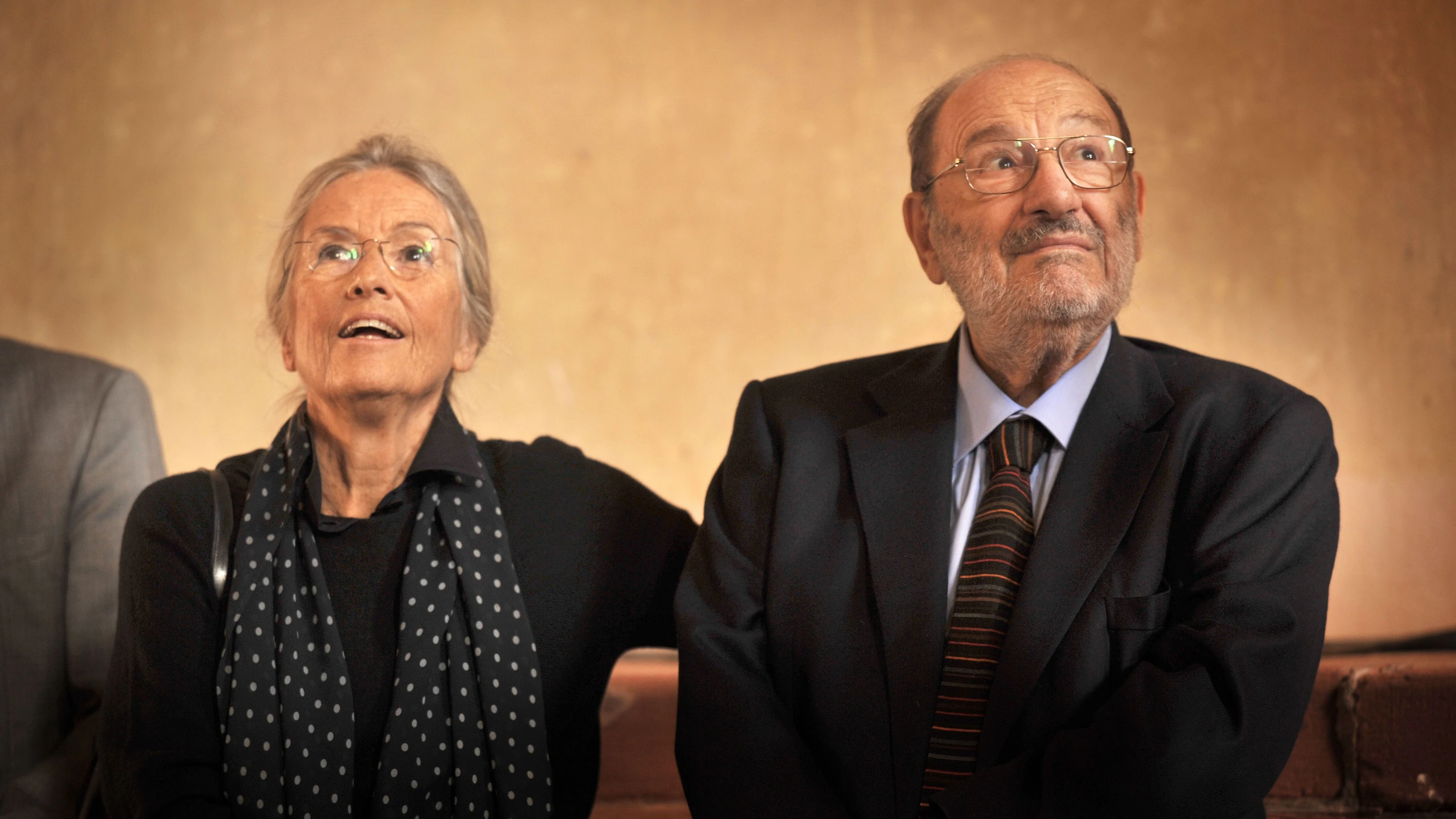
Umberto Ecos Bücherschatz: Umberto-Eco-Bibliothek in Bologna eröffnet In Bologna ist die Umberto-Eco-Bibliothek eröffnet worden. Die riesige private Büchersammlung des italienischen Gelehrten, der vor zehn Jahren starb, steht nun allen Interessierten offen.
faz · about 10 hours ago
Război pe baclava. Turcia sesizează UNESCO în legătură cu disputa culinară cu Grecia Rivalitatea culinară veche dintre Turcia și Grecia cu privire la originile baclavalei ajunge pe scena internațională. Ankara a depus o cerere oficială la UNESCO pentru recunoașterea acestui desert celebru ca parte a patrimoniului său cultural național, scrie Greek Reporter.
digi24 · about 10 hours ago
Υποκλίθηκε στο άγαλμα του Παύλου Γιαννακόπουλου ο Γιασικεβίτσιους, τι είπε για την επιστροφή Ομπράντοβιτς στον ΠΑΟ Ο Λιθουανός τεχνικός επέστρεψε στο T-Center για το συνέδριο της Euroleague και εξέφρασε για άλλη μια φορά με τον τρόπο του την ευγνωμοσύνη του στον αείμνηστο Παύλο Γιαννακόπουλο
protothema · about 10 hours ago
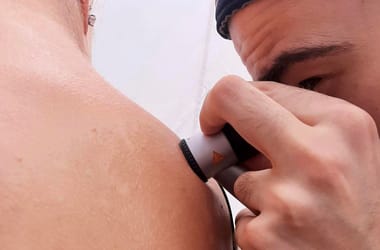
Találtak egy mérgező anyagot az Antarktisz mélyén, segíthet legyőzni a melanómát Az elsődleges kísérletek azt mutatják, hogy az aszcídiákból kinyert toxin csak a daganatos sejteket pusztítja el.
hvg.hu · about 10 hours ago