
Archaeologists unearth rare ancient surgical knife at Heraclea Sintica in Bulgaria

Story Timeline
3 hours · 2 summary articles
Archaeologists unearth rare ancient surgical knife at Heraclea Sintica in Bulgaria
Archaeologists unearth rare ancient surgical tool at Heraclea Sintica in southwestern Bulgaria
Continuation
Archaeologists in southwestern Bulgaria have uncovered an exceptionally rare ancient surgical instrument at the Greek city of Heraclea Sintica, offering new insight into medical practices in the ancient Mediterranean. The artifact, identified as a lithotomy knife used to remove bladder stones, was unearthed inside a room adjacent to the city’s temple during excavations led by Dr. Lyudmil Vagalinski, the project’s director.
The discovery, announced on Friday, marks one of the few times such a specialized medical tool has been found in an archaeological context. Heraclea Sintica, founded in the 4th century BCE, was a thriving urban center in the region, and the presence of the instrument suggests advanced surgical knowledge among its inhabitants. “This find underscores the sophistication of medical practices in ancient Greek colonies,” Vagalinski stated. The knife, crafted from iron, bears signs of extensive use, indicating it was a functional tool rather than a ceremonial object.
The excavation site, located near the modern village of Rupite, has been a focal point for archaeological research since 2007, when Bulgarian and Greek teams began systematic excavations. Heraclea Sintica’s urban layout, including a theater, temples, and public baths, reflects its importance as a cultural and political hub in the Roman province of Thrace. The city’s decline in the 6th century CE, likely due to earthquakes and shifting trade routes, preserved its remains beneath layers of sediment.
This discovery adds to a growing body of evidence highlighting the medical advancements of the ancient world. Similar lithotomy knives have been found in Pompeii and other Mediterranean sites, but Heraclea Sintica’s example is particularly well-preserved. Researchers plan further analysis to determine whether the instrument was locally manufactured or imported, which could reveal trade connections in the region.
The find comes amid renewed international interest in ancient Greek medicine, including a recent facial reconstruction of Alexander the Great and the reopening of Pompeii’s House of Apollo Citharoedus . These projects, alongside discoveries like the Heraclea Sintica knife, are reshaping understanding of daily life, health, and innovation in antiquity.
For Bulgaria, the discovery reinforces the country’s role as a crossroads of ancient civilizations. The Ministry of Culture has announced plans to integrate the artifact into a new exhibition at the National Archaeological Museum in Sofia, pending conservation work. The knife’s unveiling is scheduled for later this year, coinciding with the 150th anniversary of Bulgaria’s liberation from Ottoman rule.
Follow us for live European news
- 3
- 1
- 1
- 1
- 1
- 1
- 1
- 1
- 1
- 1
4 further sources not geolocated
Articles
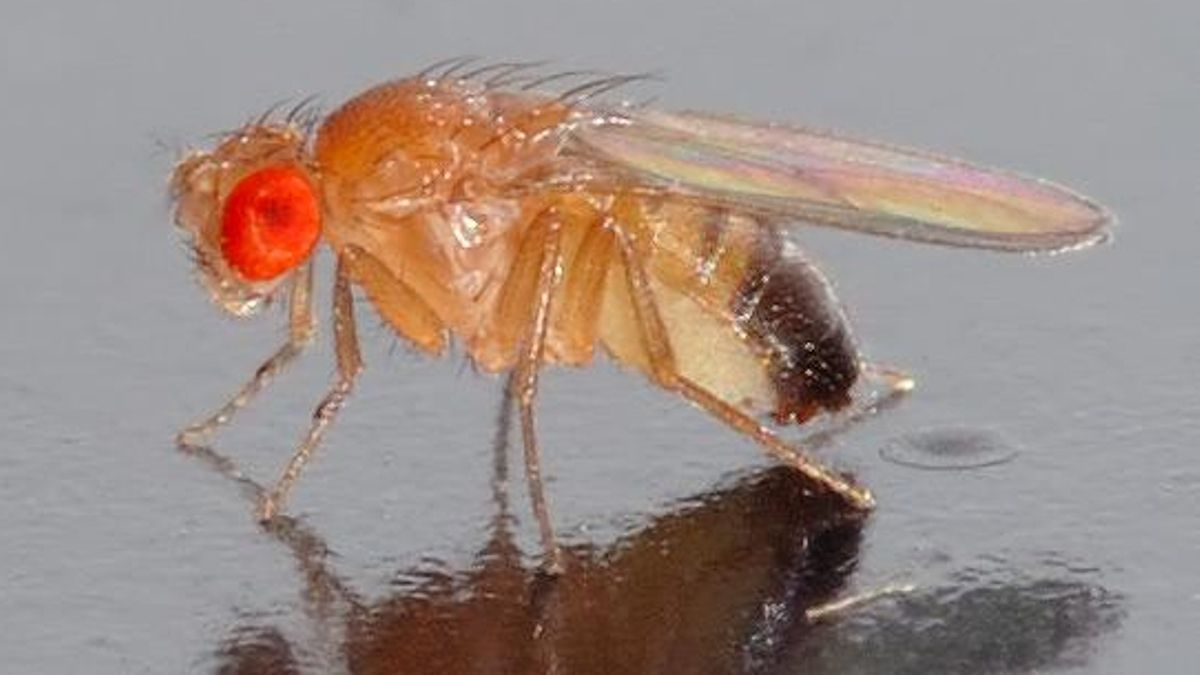
Investigadores españoles descubren que el ojo de una mosca utiliza ingeniería de última generación Se ha identificado en este órgano el primer metamaterial natural programable conocido en un organismo vivoPublican el primer atlas completo del cerebro de la mosca, un Google Maps de las conexiones neuronales Un equipo internacional liderado por investigadores de la Universidad de Sevilla, el IBiS, el University College London y el Centro Andaluz de Biología del Desarrollo ha descubierto que el ojo de la mosca del vinagre esconde un mecanismo que hasta ahora parecía propio de la ingeniería más avanzada. El estudio, publicado en Nature Communications, identifica en este órgano el primer metamaterial natural programable conocido en un organismo vivo. Los metamateriales son estructuras cuyas propiedades no dependen solo del material que las compone, sino de la forma en que están organizadas internamente. En tecnología, se diseñan para comportarse de una manera concreta, por ejemplo adoptando una forma tridimensional determinada cuando reciben un estímulo. Hasta ahora, este tipo de sistemas programables se consideraban una creación humana. El hallazgo demuestra que la naturaleza ya utilizaba estos principios desde hace millones de años. En concreto, los investigadores han observado que, durante el desarrollo del ojo de Drosophila melanogaster, las células forman una malla de triángulos interconectados. Lo más relevante es que esos triángulos no tienen todos el mismo tamaño, sino que siguen una distribución precisa. En la imagen de archivo, individuos de la mosca del vinagre. Arquitectura en el ojo de la mosca del vinagre Esa distribución funciona como un auténtico plano arquitectónico. Según el estudio, la organización de los triángulos en dos dimensiones contiene las instrucciones necesarias para que, al aplicarse presión hidrostática al tejido, el ojo adopte su curvatura definitiva en tres dimensiones. El proceso sería comparable, de forma simplificada, a inflar un globo de agua, pero con una forma final previamente programada. Hemos descubierto que el ojo de la mosca tiene un plano arquitectónico en 2D que predetermina su forma final en 3D, explica Juan Garrido García, uno de los autores principales del trabajo. Ademas, el descubrimiento muestra que la biología puede usar principios equivalentes a los de la ingeniería de metamateriales sin necesidad de moldes externos rígidos. La forma final del ojo permite combinar zonas más planas, con mayor agudeza visual, y zonas más curvas, que ofrecen una visión más panorámica. Las primeras pueden ayudar a identificar alimento o pareja, mientras que las segundas facilitan la detección de depredadores. Avances para la medicina del futuro Uno de los aspectos más sorprendentes es la escala a la que ocurre todo este proceso. El ojo de una mosca mide aproximadamente 0,5 milímetros de diámetro, pero aun así consigue controlar con gran precisión su forma tridimensional final. La naturaleza de metamaterial del ojo en desarrollo permite el control preciso de la forma del ojo en esta escala diminuta, destaca Garrido García. Más allá de su importancia biológica, el descubrimiento abre la puerta a la llamada morfogénesis sintética. Comprender cómo un tejido vivo puede programar su forma sin moldes externos podría ayudar en el futuro a diseñar tejidos artificiales, injertos u órganos que adopten una forma determinada tras ser implantados. Los investigadores creen que esta capacidad podría revolucionar la bioingeniería, ya que permitiría crear estructuras vivas programables con una precisión mucho mayor y con menor dependencia de materiales sintéticos. El trabajo combina biología celular, genética, matemáticas, simulaciones computacionales e ingeniería, demostrando que algunas de las respuestas más avanzadas de la ciencia pueden estar escondidas en organismos tan pequeños como una simple mosca.
eldiario.es · about 2 hours ago

Beyond the Busts: Unveiling Alexander the Greats True Face Historians and researchers are suggesting a new facial reconstruction of the famous ancient Greek leader Alexander the Great.
greek reporter · about 3 hours ago

He survived a deadly wartime battle — then protected Orkneys heritage
bluesky_The Times · about 3 hours ago
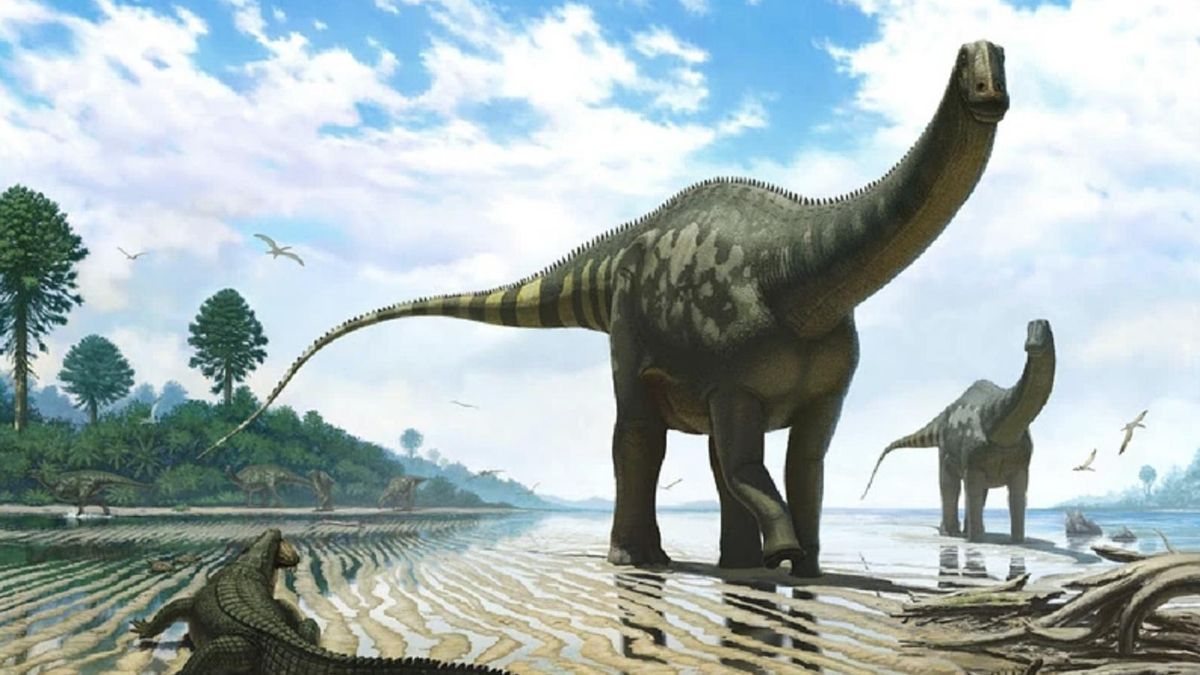
Demandasaurus, el dinosaurio de Burgos que ayuda a reconstruir las migraciones prehistóricas entre continentes Un nuevo estudio sugiere que los dinosaurios no estaban en declive justo antes del asteroide que acabó con ellos Un dinosaurio descubierto en la provincia de Burgos vuelve a situarse en el centro de la investigación paleontológica internacional. Tres nuevos estudios publicados en la revista Ciencias de la Tierra han reforzado el papel de Demandasaurus darwini como una pieza clave para comprender cómo se desplazaban los grandes dinosaurios herbívoros entre Europa y África durante la primera mitad del Cretácico. Los trabajos, presentados inicialmente en el Congreso Internacional Pala-Dino celebrado en San Millán de la Cogolla en 2025, consolidan la relevancia de esta especie descubierta en la Sierra de la Demanda. Tres estudios para tender puentes entre Europa y África Las investigaciones han profundizado en distintos aspectos de la fauna que habitó la península ibérica hace unos 125 millones de años. Uno de los estudios revisa los escasos restos conocidos de rebaquisáuridos, que es el grupo de saurópodos al que pertenece Demandasaurus, en Europa, Asia y Norteamérica. Otro analiza dos vértebras dorsales inéditas del ejemplar burgalés, cuyas características anatómicas muestran similitudes con fósiles hallados en África, reforzando la hipótesis de que existieron conexiones entre ambos continentes. El tercer trabajo amplía aún más el interés paleontológico de la comarca al estudiar un gran maxilar de un dinosaurio iguanodontio herbívoro descubierto cerca de Villanueva de Carazo. Sus rasgos anatómicos difieren de los conocidos hasta ahora y apuntan a una mayor diversidad de estos dinosaurios en la península ibérica de la que se pensaba hasta la fecha. Investigadores trabajando con los restos de dinosaurios en la Sierra de la Demanda, en Burgos Un proyecto para los próximos cinco años Paralelamente, el Museo de Dinosaurios de Salas de los Infantes, también en Burgos, ha puesto en marcha un nuevo proyecto de investigación centrado en el Demandasaurus, que durará al menos cinco años y que cuenta con el respaldo de la Junta de Castilla y León y la Diputación de Burgos. El objetivo es recrear una imagen mucho más completa del dinosaurio con tecnologías que hasta hace pocos años eran impensables. En la primera fase se usarán tomografías para conocer detalles internos de los fósiles, como el número de dientes o el ritmo con el que eran reemplazados, además de realizar análisis filogenéticos y reconstrucciones digitales en tres dimensiones. Después, los especialistas trabajarán en la restauración de huesos han permanecido protegidos muchos años en bloques de roca y poliuretano, con la esperanza de obtener nueva información sobre la anatomía del animal. Cabe destacar que el Demandasaurus darwini fue descubierto en el yacimiento Tenadas de los Vallejos II, cerca de Ahedo de la Sierra, por el Colectivo Arqueológico y Paleontológico de Salas. Desde entonces se ha convertido en una referencia para estudiar la evolución de los saurópodos y los posibles intercambios de fauna entre Europa y África durante el Cretácico Inferior, una etapa en la que los continentes presentaban una configuración muy distinta a la actual.
eldiario.es · about 3 hours ago
Syria begins restoration of historic Omari Mosque after ICESCO listing Syrian authorities have launched restoration of the Omari Mosque in Daraa after its inclusion on the ICESCO heritage list. The 7th-century mosque, one of the oldest Islamic landmarks in the Levant, sustained extensive damage during the civil war. The designation opens the way for international cooperation.
yenisafak · about 3 hours ago
Hva heter den største av pyramidene ved Giza? 1. Hva heter den største av pyramidene ved…
aftenposten · about 3 hours ago
Rare Surgical Instrument Discovered at Ancient Greek City of Heraclea Sintica Archaeologists have uncovered an exceptionally rare ancient surgical instrument once used to remove bladder stones during excavations at the ancient Greek city of Heraclea Sintica (Greek: Ἡράκλεια Σιντική) in southwestern Bulgaria. The discovery was announced Friday by excavation director Dr. Lyudmil Vagalinski, who said the artifact was found inside a room next to the Temple […]
greek reporter · about 4 hours ago

Legendärer, wieder aufgetauchter Megalodon-Wirbel bestätigt Rekordgröße Ein 1989 beschädigtes und jahrzehntelang verloren geglaubtes Stück aus Dänemark stützt die Schätzung einer Körperlänge von bis zu 24,3 Metern
der standard · about 4 hours ago
Boot of Cortez: The Largest Gold Nugget Ever Discovered One of the largest surviving gold nuggets found in the western hemisphere is a breathtaking nugget named The Boot of Cortez. It is an amazing piece of gold, weighing in at a massive 389.4 troy ounces. In 1989, an amateur treasure hunter in Mexico purchased an entry-level metal detector at a local Radio Shack and […]
greek reporter · about 5 hours ago
Europe Agonistes: A Divided Continent Plays Out a Greek Drama
gdeltproject.org · about 5 hours ago
NEW - China completes the installation of 15,927 heliostat mirrors across an 8.61 million sq ft field at the worlds highest solar thermal plant, Anduo Tushuo, scheduled to commence operating in October. Read here: @disclosetv
telegram_Disclose.tv · about 6 hours ago
The Secrets of the Ancient Neighborhood Beneath the Acropolis The ancient neighborhood beneath the Acropolis Musum reveals life in ancient Athens long before the Parthenon and the sculptures on the Acropolis
greek reporter · about 7 hours ago
Drumul Regelui, noua șosea din Munții Zarandului. De la bârlogul haiducilor lui Față Neagră la casa lui Arsenie Boca și Vața Băi O nouă șosea montană a intrat în șantier în vestul României. „Drumul Regelui, numit astfel datorită unei legende care îl leagă de familia regală a României, este construit cu fonduri europene în județele Arad și Hunedoara, legate prin Munții Zarandului.
adevarul · about 7 hours ago

New species of ghost shark may have been found in Costa Rica
news.yahoo.com · about 7 hours ago
Europe – the letzte Mensch or Übermensch, the new Byzantium or declining Rome
gdeltproject.org · about 7 hours ago
Pegasus launches Swift reboost mission A Pegasus XL launched a mission to reboost a NASA astrophysics spacecraft on what may be the final flight of that rocket. The post Pegasus launches Swift reboost mission appeared first on SpaceNews.
spacenews · about 7 hours ago
Ancient DNA From Skeletons May Reveal Secrets of the Battle of Manzikert Skeletons unearthed from a medieval cemetery in eastern Turkey are undergoing ancient DNA and forensic analyses as researchers investigate whether the remains are linked to the historic Battle of Manzikert, one of the most decisive conflicts of the medieval era. Archaeologists are excavating the burial site near the town of Malazgirt, historically known as Manzikert, […]
greek reporter · about 8 hours ago
Pompeii Unveils Restored House of Apollo Citharoedus Pompeii has reopened the House of Apollo Citharoedus, one of the largest ancient homes at the site, after months of restoration work. The house is now open to the public for the first time in years. The home sits along two major streets, Via dellAbbondanza and Via Stabiana, with a separate entrance on each. It […]
greek reporter · about 9 hours ago
Primăria Capitalei reîncepe lucrările la unul dintre monumentele emblematice ale Bucureștilor Primăria Municipiului București anunță că va începe lucrările de punere în siguranță al celui mai vechi monument istoric al orașului, Palatul Voievodal. Aceasta este prima etapă din procesul de restaurare a monumentului. „În curând, demarăm lucrările de punere în siguranță a Palatului Voievodal – Curtea Veche! Primarul general Ciprian Ciucu a semnat documentația care stă …
hotnews.ro · about 9 hours ago
Al Palio di Siena trionfa la contrada dellAquila dopo 34 anni: lultima vittoria nel 1992 Era dal 1992 che non vinceva. Ma dopo 34 anni la contrada dellAquila, con il cavallo Diodoro montato da Giovanni Atzeni detto Tittia, si è aggiudicata il Palio di Siena 2026, che questanno è slittato di un giorno rispetto alla tradizione a causa del maltempo. La storica corsa è andata in scena a partire dalle […] Larticolo Al Palio di Siena trionfa la contrada dellAquila dopo 34 anni: lultima vittoria nel 1992 proviene da Il Fatto Quotidiano.
il fatto quotidiano · about 9 hours ago
Entire Byzantine City Discovered in Egypts Dakhla Oasis Archaeologists have uncovered a well-preserved Byzantine-era residential city in Egypts Dakhla Oasis, revealing new evidence of how people lived, worked, and worshipped in one of the countrys ancient desert communities. The discovery was made by an Egyptian archaeological mission from the Supreme Council of Antiquities during ongoing excavations at the Ain Al-Sabil archaeological site in […]
greek reporter · about 9 hours ago
Die "Hobbits" waren wohl weniger intelligent als angenommen Eine neue Studie stellt die Fähigkeiten von Homo floresiensis zur Jagd von großem Wild und zum Feuermachen infrage. Er aß wohl rohes Fleisch, das Warane übrigließen
der standard · about 10 hours ago
3,000-Year-Old Bones Reveal How Ancient Greeks Cremated Their Dead Researchers have uncovered new details about how ancient Greeks cremated their dead nearly 3,000 years ago, using bone samples from two burial grounds in the region of Macedonia in northern Greece. The study, published in the Journal of Archaeological Science: Reports, examined remains from Polichni and Nea Philadelphia, two cemeteries near Thessaloniki dating to the […]
greek reporter · about 10 hours ago
Roman Sling Bullets Reveal Forgotten Battle at English Fort A new archaeological study suggests that Roman soldiers stationed at Ambleside Fort in Englands Lake District once fought off an attack, based on a scatter of ancient sling bullets found around the site. The study, published in the journal Britannia, adds fresh evidence to a mystery that has puzzled archaeologists for more than a century. […]
greek reporter · about 10 hours ago
How Sparta Destroyed an Entire Generation of Argos and Changed Ancient Greece At the Battle of Sepeia in 494 BC, the final burning of the Sacred Grove of Argos stands out as one of the most grimly fascinating moments in Greek history. The smoke must have been visible for miles—thick, dark columns rising from what should have been safe ground, and with it went the better part […]
greek reporter · about 10 hours ago
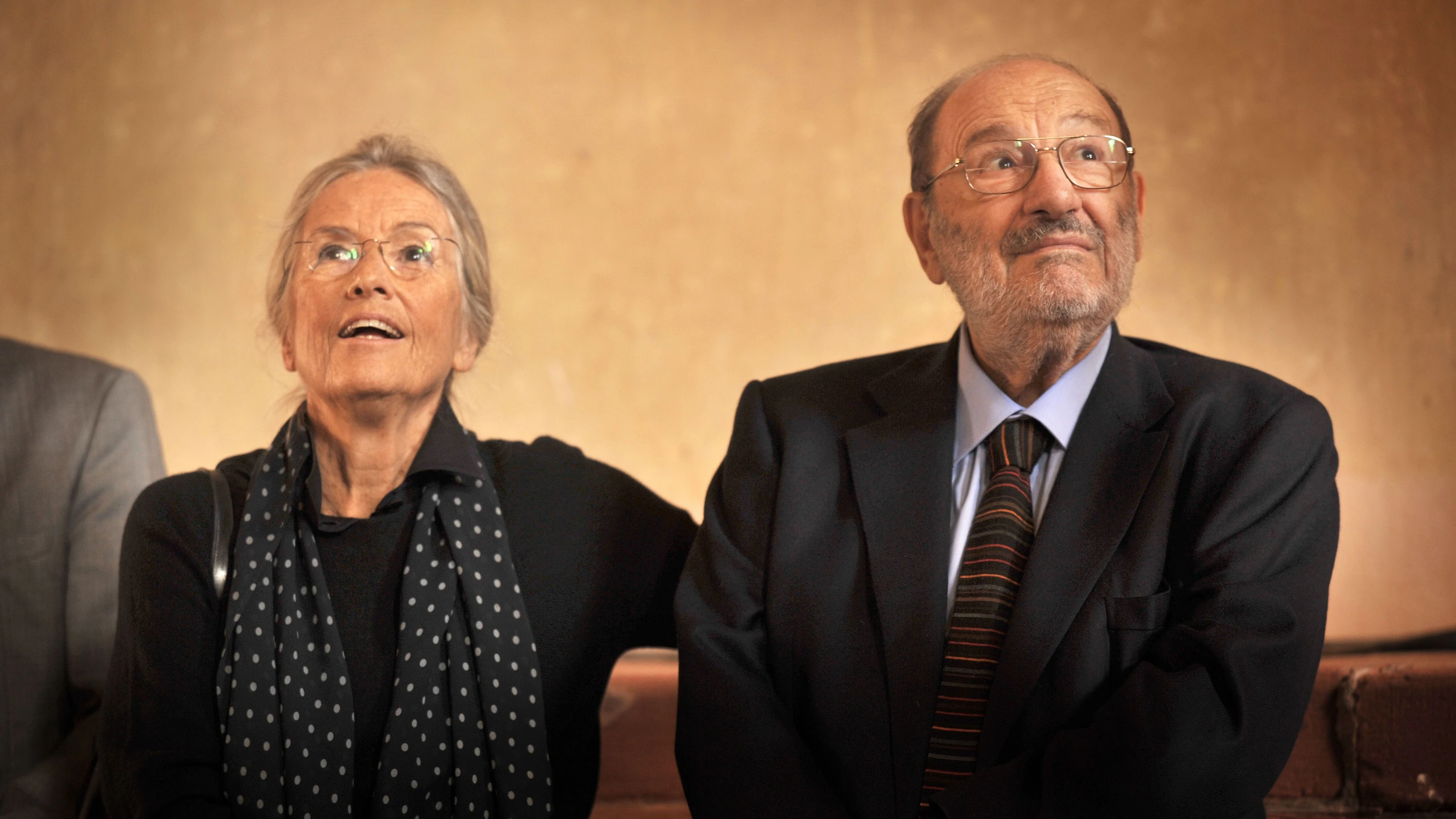
Umberto Ecos Bücherschatz: Umberto-Eco-Bibliothek in Bologna eröffnet In Bologna ist die Umberto-Eco-Bibliothek eröffnet worden. Die riesige private Büchersammlung des italienischen Gelehrten, der vor zehn Jahren starb, steht nun allen Interessierten offen.
faz · about 10 hours ago
Război pe baclava. Turcia sesizează UNESCO în legătură cu disputa culinară cu Grecia Rivalitatea culinară veche dintre Turcia și Grecia cu privire la originile baclavalei ajunge pe scena internațională. Ankara a depus o cerere oficială la UNESCO pentru recunoașterea acestui desert celebru ca parte a patrimoniului său cultural național, scrie Greek Reporter.
digi24 · about 10 hours ago

Elefante-marinho de uma tonelada é "celebridade" na Tasmânia Cones de trânsito são usados pelo mamífero no seu treino contra obstáculos
observador · about 10 hours ago