Loading…
 Saturday, September 26Saturday, September 26
4 months · 8 summary articles
The dream of becoming the first Somali referee to officiate at a FIFA World Cup ended abruptly on Tuesday when Omar Abdulkadir Artan was denied entry to the United States at Miami International Airport. The decision, based on a presidential proscription suspending Somali nationals, has cast a shadow over the tournament’s opening day, just hours before Mexico and South Africa kick off the 48-team competition in Mexico City.
Artan’s exclusion is not an isolated incident. Iranian, Iraqi, and Senegalese delegations have faced prolonged interrogations, visa rejections, and security checks at U.S. embassies, while a Somali referee invited by FIFA was barred from entering the country so… . The incidents underscore the widening gap between FIFA’s promise of an inclusive tournament and the harsh realities of U.S. immigration policy under President Donald Trump’s administration.
The controversy has sparked outrage in Somalia, where hundreds of fans, government officials, and football leaders greeted Artan at Mogadishu’s airport on Wednesday. “Somalias dream of having its first national officiate a World Cup may have been dashed, but Artan told his supporters not to give up hope and vowed to participate in the next FIFA tournament in 2030” . Back in the U.S., German politician Aydan Özoguz, a member of the SPD, has demanded FIFA take legal action against the U.S. government, declaring, “Der ‚Kuschelkurs von Infantino muss enden” .
The political tensions extend beyond immigration. In Mexico, protests led by the CNTE union blocked access to Azteca Stadium for hours on Tuesday, adding to a week of demonstrations against President Claudia Sheinbaum’s education reforms. “Teacher protests in the capital have been ongoing and thousands took part in Tuesdays protest, which was led by a breakaway group of the CNTE union” .
FIFA’s inability to mitigate these disruptions has drawn criticism from analysts like Simon Chadwick, who argues that “sport and geopolitics have become inseparable” in the lead-up to the tournament . As the World Cup begins Thursday with 48 teams and 104 matches across 16 stadiums, the question lingers: Can football transcend the geopolitical fractures that threaten to define its biggest stage?
Follow us for live European news

Einreiseverbote bei der Fußball-WM: Eine WM nicht für alle Stundenlange Verhöre, annullierte Visa: Die Einreise in die USA wird für Spieler, Fans und einen Schiedsrichter zum Problem. Die Fifa war darauf wohl nicht vorbereitet.
die zeit · 4 months ago
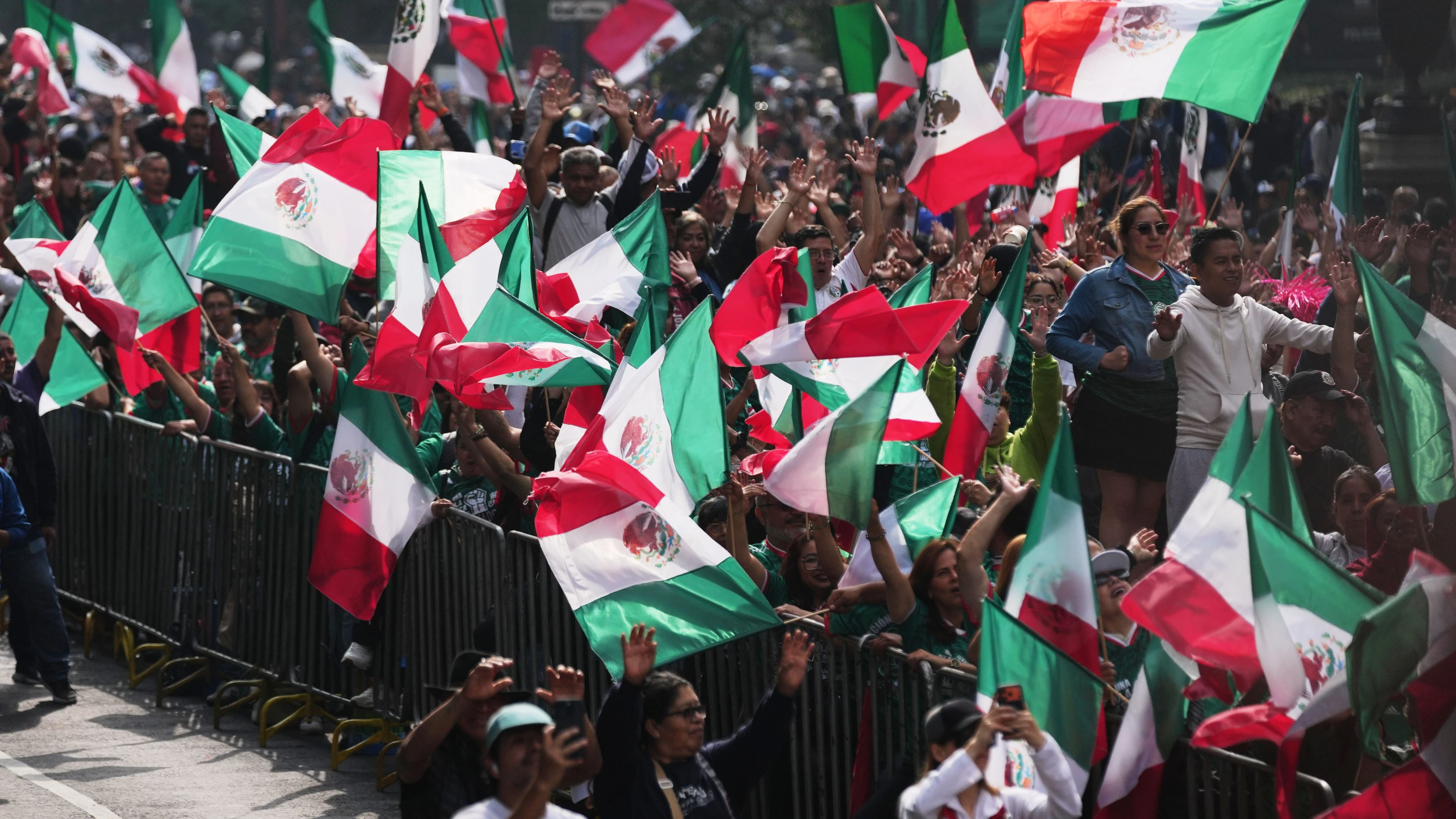
Vor WM-Auftakt: Fans in Mexiko fiebern Eröffnungsspiel entgegen Am Donnerstagabend um 21 Uhr deutscher Zeit wird die Fußball-WM eröffnet. Im legendären Aztekenstadion trifft Mitgastgeber Mexiko auf Südafrika. Die deutsche Nationalmannschaft startet am Sonntag gegen Curacao ins Turnier.
faz · 4 months ago
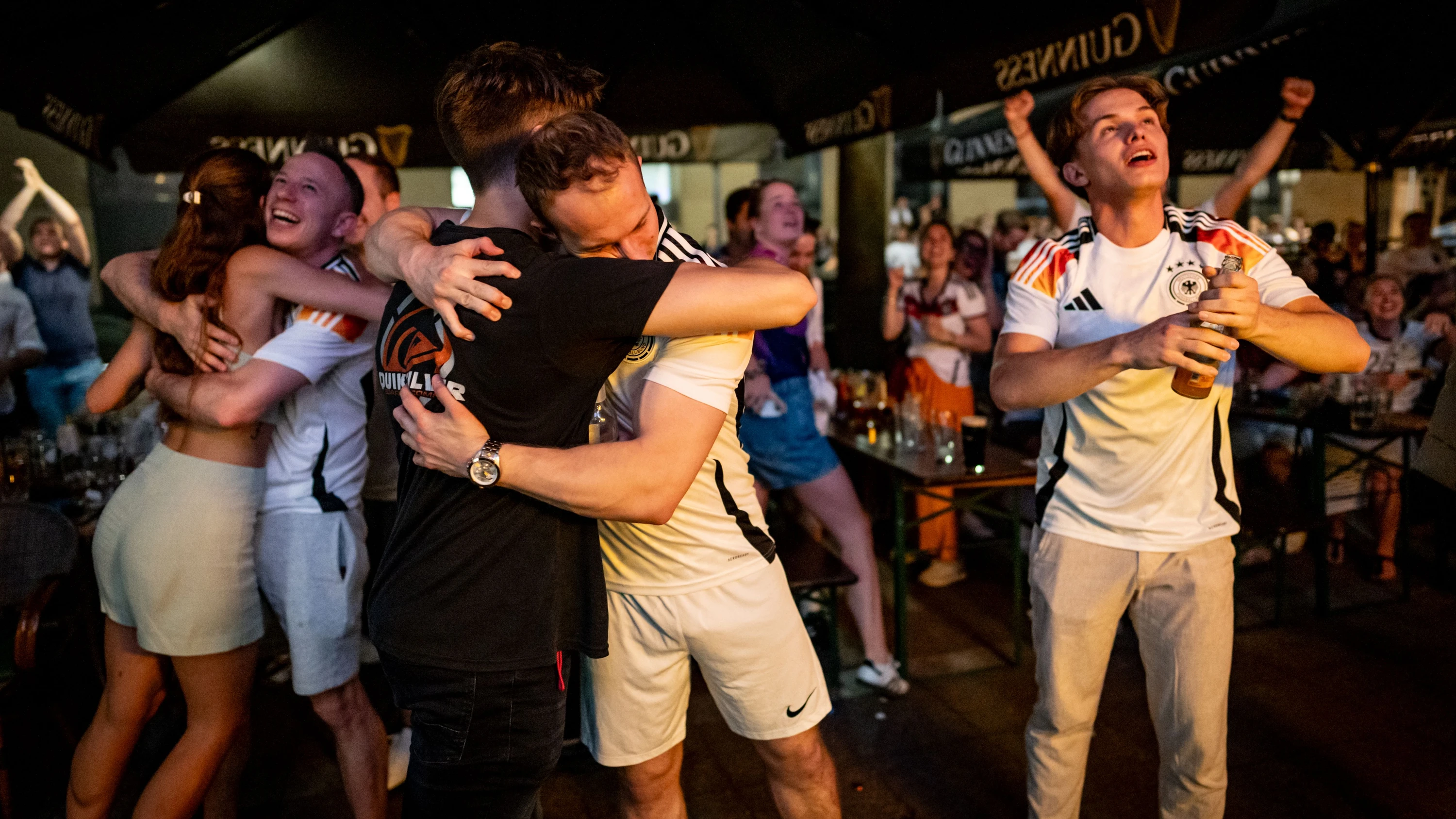
Public Viewing: Hier feiert Frankfurt die Fußball-WM Am Donnerstagabend beginnt die Fußball-WM mit dem Auftaktspiel in Mexiko: Frankfurter Gastronomiebetriebe, Stadion und Flughafen setzen auf Public Viewing. Die Polizei stellt sich auf nächtliche Autokorsos ein.
faz · 4 months ago
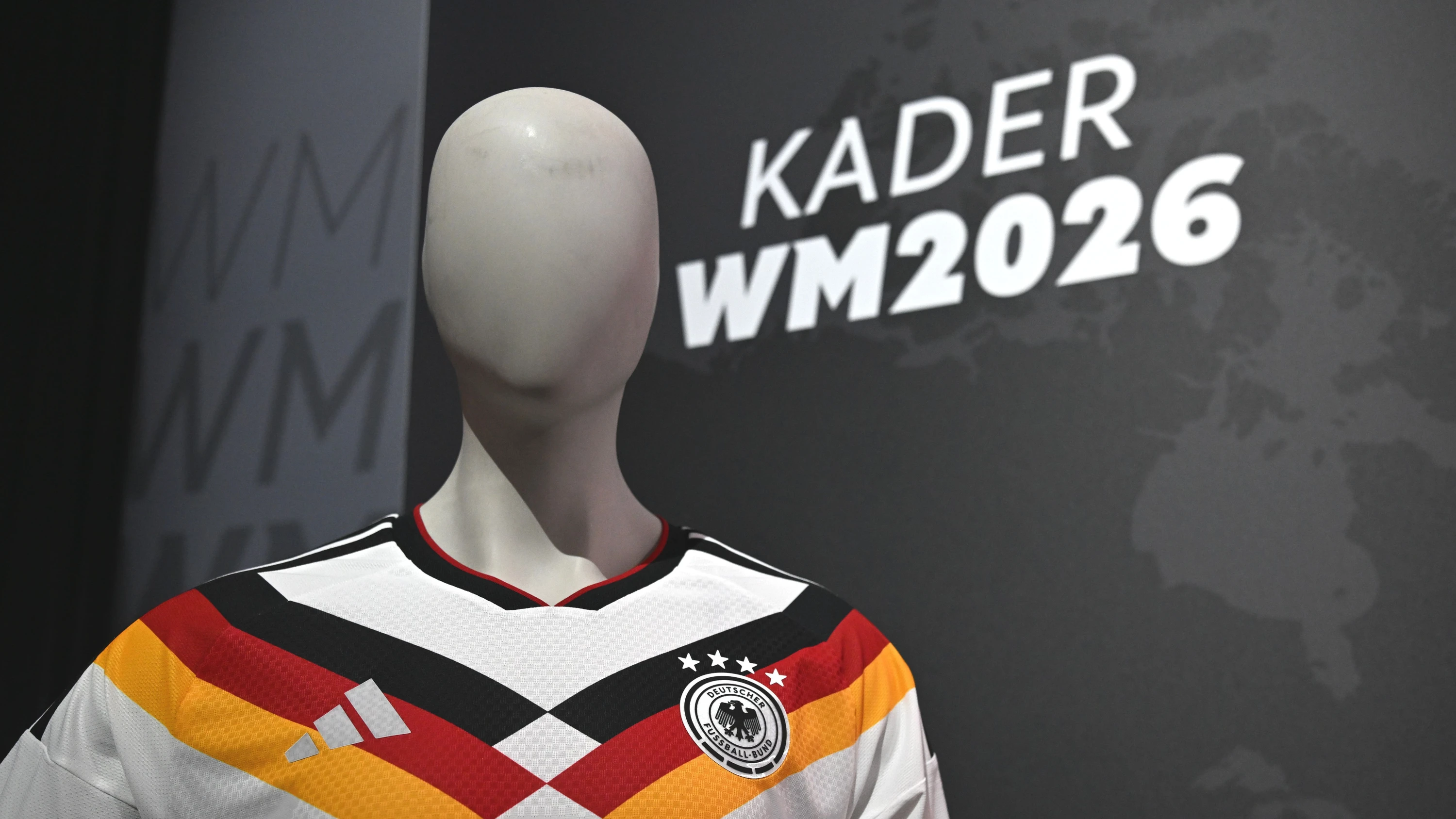
Geschäft mit der Fußball-WM: Balanceakt für Adidas FIFA, Trump und die WM: Für Adidas könnte das in diesen Tagen heikle Geschäft mit dem Fußball am Ende trotzdem ein gutes sein.
faz · 4 months ago
Podcast: „Auf den Punkt: WM: America first, Fußball second? Wie viel Donald Trump steckt in diesem Fußballturnier der Fifa in Mexiko, Kanada und den USA?
sueddeutsche · 4 months ago
Fußball-WM: Wie sicher sind die WM-Spielorte in Mexiko? Im Februar eskalierte nach dem Tod von Drogenboss „El Mencho in Mexiko die Gewalt – auch in der Nähe eines Stadions, in dem jetzt WM-Spiele stattfinden. Wie stark sind Fußballfans gefährdet?
sueddeutsche · 4 months ago
Somali referee denied US visa gets heros welcome back home, vows to attend next World Cup Hundreds of fans, government and football officials gathered at Mogadishus airport Wednesday to welcome Omar Artan after the Somali refree was denied entry to the US for the World Cup. Somalias dream of having its first national officiate a World Cup may have been dashed, but Artan told his supporters not to give up hope and vowed to participate in the next FIFA tournament in 2030.
france24 · 4 months ago
2026 World Cup set to be the most expensive ever With the World Cup set to kick off in North America, controversy over ticket prices is kicking up. Football may be nicknamed "the peoples game," but the sports less wealthy fans are finding themselves priced out of this years contest. With the cheapest seats at the final in New Jersey going for some two thousand US dollars, for many its a ball-kick of a different sort – as the 2026 World Cup is set to be the most expensive ever.
france24 · 4 months ago
World Cup 2026: France, Spain, Argentina... Who are the favourites? Will Spain or England add a second star to their shirts? Are we set for a final rematch between Argentina and France? Or can Senegal or Morocco clinch a first title for Africa? Heres a look at the favourites and dark horses at the 2026 World Cup.
france24 · 4 months ago
🇺🇸 ⚽ Can #US President Donald #Trump profit politically from the 2026 #WorldCup? FRANCE 24 journalists Taise Parente, Selina Sykes, James Vasina and Kethevane Gorjestani discussed this during a live on everything you need to know about the World Cup before kick-off this Thursday, June 11. Watch for more ▶️
france24 · 4 months ago
World Cup 26: FIFA could never have envisaged how complicated, sensitive this tournament would be Genie Godula is pleased to welcome Simon Chadwick, Professor of AfroEurasian Sport and Specialist of 21st century global sport. On the eve of the FIFA World Cup, Chadwick offers a sobering assessment of the political realities surrounding the worlds biggest sporting event amid the convergence of hard-line immigration policies, conflict, diplomatic tensions, security concerns, and civil unrest. From the exclusion of a Somali referee to uncertainty surrounding Iranian football staff and supporters, Chadwick suggests that sport and geopolitics have become inseparable.
france24 · 4 months ago
World Cup anticipation, useless rules, and Metas dystopian plans Welcome to our press review of events in the United States. Every Wednesday we look at how the Swiss media have reported and reacted to three major stories in the US – in politics, finance and science. If youre not interested in football, I hope youve got a plan B for the next five weeks, as its going to be hard to avoid the 2026 World Cup in North America. Events on and off the pitch are likely to generate plenty of headlines. We look at what Swiss newspapers make of the whole circus. Help us improve the press review As a reader of our weekly press review, your feedback is important to us. Please take two minutes to answer a short survey and help us improve our journalism. This survey is anonymous and all data is confidential. 👉 [Take the survey] New rules are no use against a notorious rule-breaker, says the Tages-Anzeiger, turning its eye to Donald Trumps recent appointment of businessman Bill Pulte as acting Director of National Intelligence. Bill Pulte has never had ...
swissinfo · 4 months ago
Why Ecuador, Japan and Norway are the dark horses at this World Cup It was Morocco in 2022, Croatia in 2018 and Costa Rica in 2014. Which team will make an unexpected run in 2026?By WhoScoredEvery World Cup needs a dark horse: the team nobody quite planned for that disrupts the natural order and is remembered more vividly than the finalists. Morocco did it in 2022, beating Spain and Portugal on their way to becoming the first African side to reach the semi-finals. Croatia produced a fairytale run to the final in 2018. Costa Rica topped a group that featured three former champions – England, Italy and Uruguay – in 2014 before eventually losing to the Netherlands on penalties in the quarter-finals. And South Korea, who had never won a match at a World Cup, went all the way to the semi-finals in 2002. With 48 teams at this years tournament, there are a few candidates to make an unexpected run to the latter stages. Continue reading...
theguardian · 4 months ago
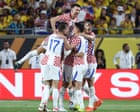
Croatia World Cup 2026 team guide Luka Modric and friends are aiming for one last hurrah but a Tottenham defender is providing hope for the future for Englands group opponentsThis article is part of the Guardians 2026 World Cup Experts Network, a cooperation between some of the best media organisations from the 48 countries who qualified. theguardian.com is running previews from three countries each day in the run-up to the tournament kicking off on 11 June. Continue reading...
theguardian · 4 months ago
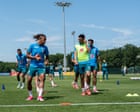
World Cup 2026 news: latest from the camps; UN urges US immigration re-think; Messi returns – live News and buildup as World Cup countdown continuesPlayer guide | Bracketology | Wallchart | Mail us hereThe US isnt the only World Cup host where politics and football are colliding messily, albeit that theyre being handled more sensitively. There have been protests in Mexico, where a demonstration blocked an avenue leading to Mexico Citys Azteca Stadium for hours on Tuesday, AFP reports.Teacher protests in the capital have been ongoing and thousands took part in Tuesdays protest, which was led by a breakaway group of the CNTE union following a week of demonstrations that President Claudia Sheinbaum has called a provocation. As if to say, Look at how bad the situation is in Mexico, she told a press conference. Continue reading...
theguardian · 4 months ago
The most inclusive World Cup ever? Doesnt look like it ... When the best referee in Africa is barred from working at the World Cup after being denied entry at the border, claims of this being an inclusive tournament ring hollow.Omar Abdulkadir Artan was supposed to make history this week, becoming the first Somali referee to officiate at a World Cup, instead, he is watching from home.In this video, Morgan Ofori digs into a historic year for African nations against the backdrop of US travel bans. Continue reading...
theguardian · 4 months ago
Netherlands: Marktweg in The Hague becomes iconic orange street for World Cup fever Residents of Marktweg in The Hague have once again transformed their street into a sea of orange ahead of the FIFA World Cup, continuing a popular local tradition that has become a symbol of community spirit and support for the national team.
euronews · 4 months ago
Deutsches Auftaktspiel in Houston – „Eines der heißesten Gebiete bei dieser WM Die Fußball-WM 2026 findet erstmals mit 48 Teams in den USA, Kanada und Mexiko statt. Das bedeutet weite Reisen, unterschiedliche Zeitzonen und klimatische Herausforderungen für die Mannschaften.
welt.de · 4 months ago
„Bereits jetzt ist der Schaden groß: Özoguz fordert Fifa auf, gegen US-Einreiseverbot vorzugehen SPD-Politikerin Özoguz fordert von der Fifa ein klares Vorgehen nach der Abweisung des somalischen Schiedsrichters durch die USA. Der „Kuschelkurs von Infantino müsse enden.
tagesspiegel · 4 months ago
WM-Einreiseaffäre sei „unglaublich und absurd: Joseph Blatter übt scharfe Kritik an Gianni Infantino In der Debatte um die verweigerte US-Einreise des Somaliers Omar Artan sieht Joseph Blatter die Schuld bei der Fifa. Was er von seinem Nachfolger mit Blick auf Donald Trump erwartet hätte.
tagesspiegel · 4 months ago
Somali referee denied US entry for World Cup receives heros welcome Somali referee Omar Artan promised to officiate at the next FIFA World Cup upon his return to Mogadishu, where senior officials welcomed him after a US entry denial — based on a presidential proscription suspending Somali nationals — blocked him from becoming the first Somali official at the 2026 tournament.
yenisafak · 4 months ago
2026 FIFA World Cup kicks off Thursday with 48 teams, 3 host nations The 2026 FIFA World Cup, jointly hosted by the US, Mexico, and Canada, begins Thursday with Mexico vs. South Africa at Mexico City Stadium—the first stadium to host three opening matches. The tournament features 48 teams, 104 matches, and 16 stadiums. The US faces Türkiye, Paraguay, and Australia in Group D. Irans participation remains controversial.
yenisafak · 4 months ago