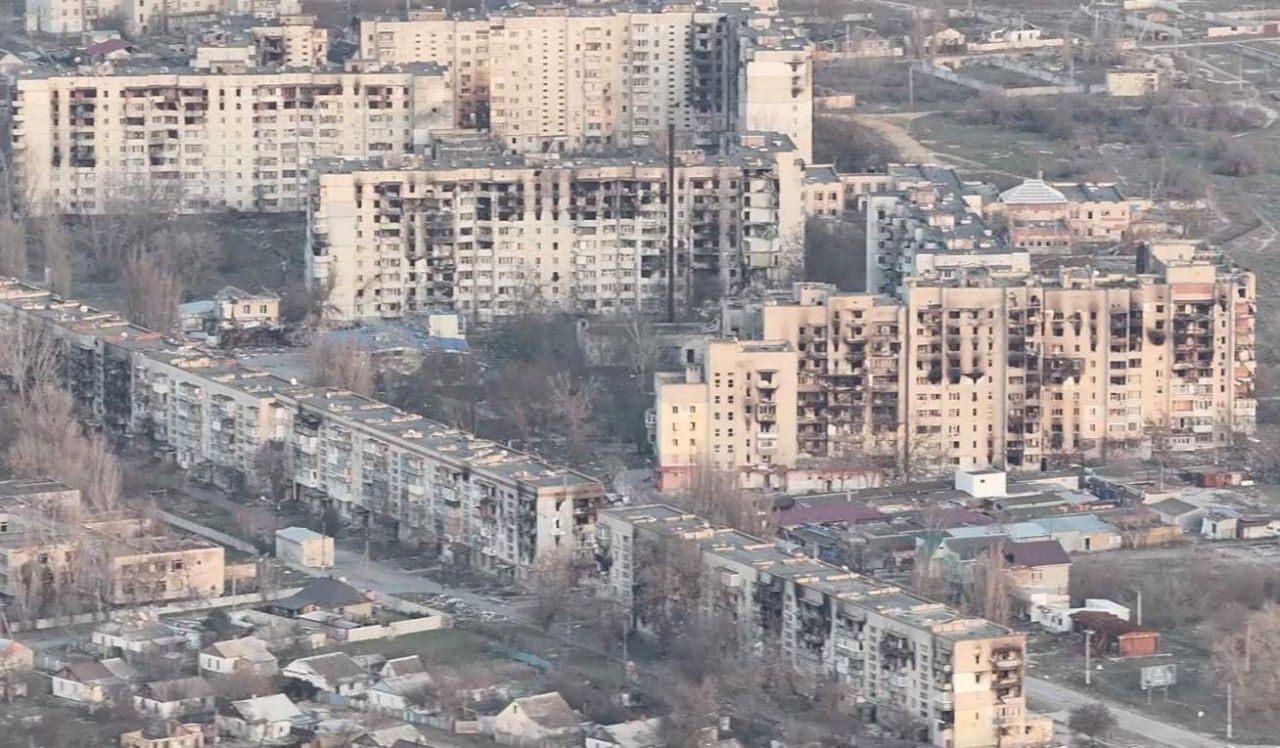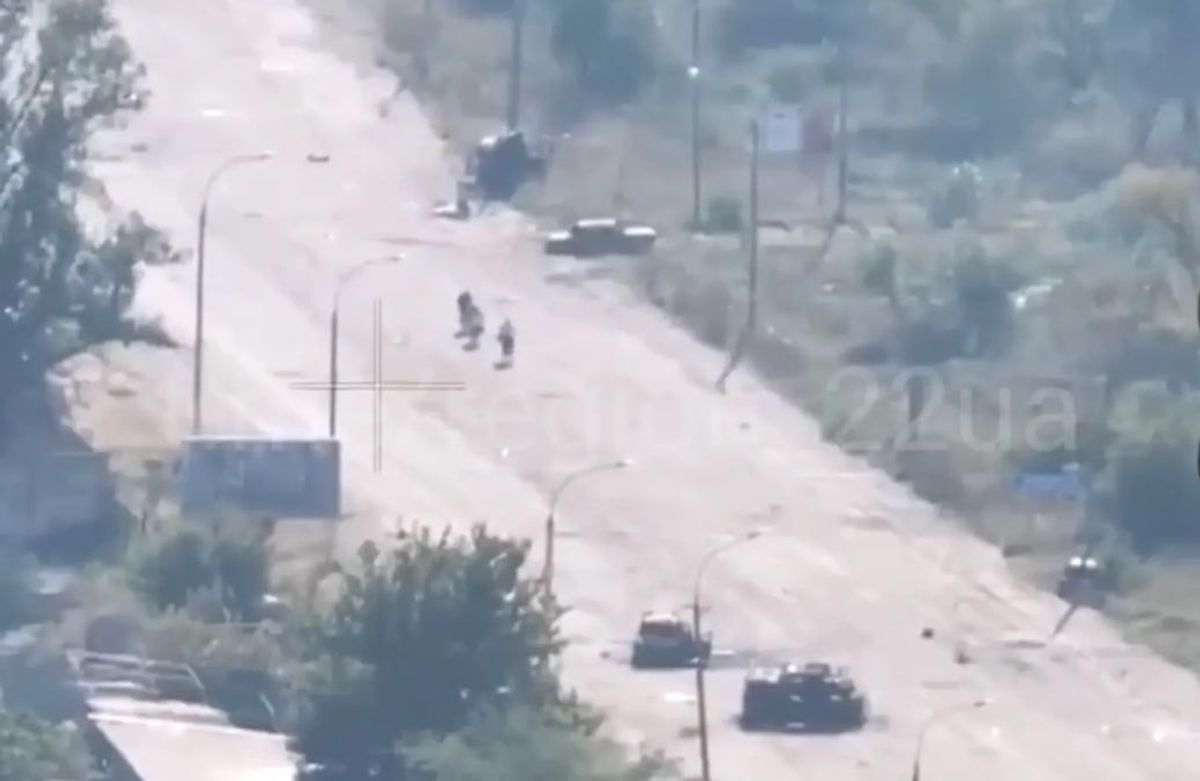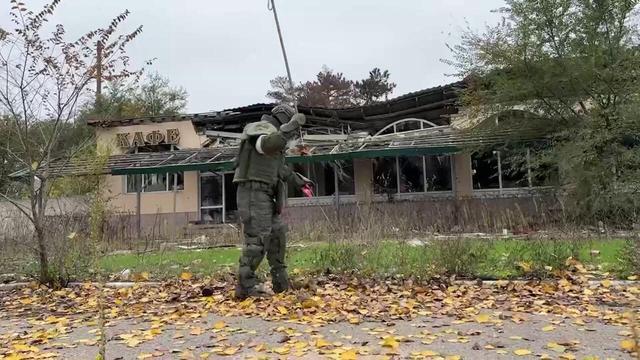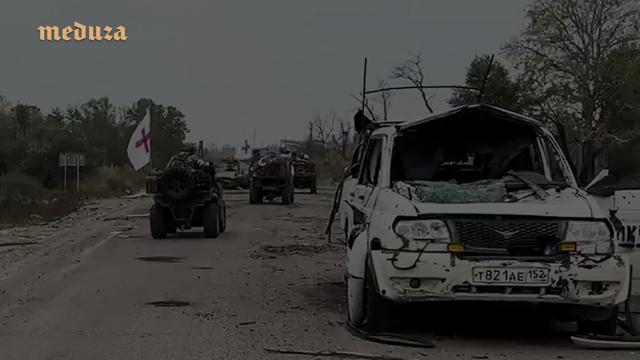
A humanitarian convoy entered the Russian-occupied town of Oleshky in Ukraine’s Kherson region on Friday after demining of designated routes was completed under a localized ceasefire.
The ceasefire, brokered by U.S. first lady Melania Trump, took effect on 27 October and is set to last until 1 November. Residents were given until 2 p.m. on Friday to evacuate, with aid distribution scheduled to begin at 2:30 p.m. at the central district hospital. Ukrainian Human Rights Commissioner Dmytro Lubinets and his Russian counterpart, Yana Lantratova, confirmed the convoy’s readiness, with delegations from Ukraine, Russia, and the U.S. coordinating the mission on the ground. Journalists from all three countries are present to monitor the operation.
Lubinets stated that the demining of routes had been finished and that the convoy was assembled and prepared to depart. He expressed gratitude to Melania Trump for her mediation, which enabled the humanitarian agreements. Lantratova confirmed that Russian engineers had cleared the roads of mines and that both sides were adhering to the truce. The operation, five months in the making, aims to deliver food and medical supplies to an estimated 2,000 residents who have been cut off from essential goods.
Evacuation routes will initially lead to Anapa airport in Russia, with further transport to Homiel in Belarus before reaching Ukraine, according to documents cited by Ukrainian media. A volunteer from Oleshky, Ksenia Arkhipova, told The Associated Press that roughly 1,000 residents had indicated they wanted to leave, emphasizing the importance of the Ukrainian delegation’s presence to allay fears of Russian retribution against those with pro-Ukrainian ties.
The ceasefire has held without violations for over 54 hours, Lubinets said on Thursday, as preparations for the mission entered their final stage. The convoy’s arrival marks the first major joint humanitarian effort in the area since Russia’s full-scale invasion in 2022. Oleshky, located across the Dnipro River from Kherson, has been under Russian occupation and blockaded, leaving residents facing severe shortages.