
US and Saudi Arabia sign nuclear deal allowing uranium enrichment amid proliferation concerns

The United States and Saudi Arabia signed a nuclear cooperation agreement on Wednesday that allows the kingdom to develop a civilian nuclear program, including the potential to enrich uranium. The deal, worth billions of dollars, was signed by US Energy Secretary Chris Wright and Saudi Energy Minister Abdulaziz bin Salman in a ceremony in Washington.
The agreement includes a "peaceful nuclear cooperation agreement" and a separate bilateral safeguards agreement, according to the US Department of Energy. It establishes a legal framework for a multi-billion-dollar partnership that will allow American companies, including Westinghouse Energy Company, to participate in Saudi Arabia's nuclear energy program.
However, the deal does not include the International Atomic Energy Agency's Additional Protocol, which would allow for more monitoring, inspections, and verification, according to a person familiar with the case. This has raised concerns among critics who fear that the agreement could pave the way for nuclear weapons development in Saudi Arabia.
The deal is expected to face Congressional review in the US. Secretary of State Marco Rubio said on Thursday that the agreement will undergo mandatory Congressional review with strict safeguards to prevent weapons proliferation. "The US is not going to reach any agreement with any country in the world that leads to the risk of proliferation," Rubio said while traveling in the Philippines on Wednesday.
The agreement has raised concerns among US lawmakers and Israeli officials about the potential for nuclear proliferation and a nuclear arms race in the Middle East. Senator Ed Markey has warned that the agreement could turn the Middle East into a "nuclear Wild West," according to AFP. Israeli officials have also expressed concerns about the potential for a nuclear arms race in the region, according to Cyprus Mail.
The deal is expected to last for 30 years and will involve the use of American technology to develop Saudi Arabia's nuclear program. It is seen as a major triumph for Saudi Crown Prince Mohammed bin Salman, who has been seeking such an agreement for years, according to The New York Times.
The agreement is part of a broader effort by the US to deepen strategic ties with Saudi Arabia while ensuring non-proliferation standards. However, the lack of stringent safeguards has raised concerns about the potential for nuclear proliferation in the region.
The announcement of the agreement comes as the US and Israel are engaged in a conflict with Iran, which has been accused of seeking to develop nuclear weapons. Iran has repeatedly insisted that its nuclear program is for peaceful purposes.
The deal will now be sent to Congress for review, where it is expected to face some opposition. However, with the Republican party controlling both chambers, lawmakers are unlikely to prevent its implementation, according to Euronews.
The agreement has been met with mixed reactions. While some see it as a positive step towards diversifying Saudi Arabia's energy sources and strengthening US-Saudi commercial relations, others are concerned about the potential for nuclear proliferation and a nuclear arms race in the Middle East.
The deal is expected to provide significant economic opportunities for American companies, including Westinghouse Energy Company, according to the US Department of Energy. It will also help Saudi Arabia meet its growing energy demands and diversify its energy sources, according to the Saudi energy ministry.
The agreement is the result of years of negotiations between the US and Saudi Arabia. It was initially part of a larger deal that would have seen Saudi Arabia normalize relations with Israel, but those plans fell apart after the October 7th attacks, according to France 24.
The deal has also raised concerns among non-proliferation experts, who fear that it could set a dangerous precedent for other countries in the region to develop their own nuclear programs. The lack of stringent safeguards and the potential for uranium enrichment have been particularly contentious issues.
Follow us for live European news
- 2
- 2
- 2
- 1
- 1
- 1
- 1
- 1
- 1
- 1
- 1
- 1
- 1
6 further sources not geolocated
Articles

Átfogó atomenergetikai együttműködésről állapodott meg Szaúd-Arábiával az Egyesült Államok Az egyezmény szerint Szaúd-Arábia urándúsítási kapacitáshoz juthat polgári célú nukleáris programja számára.
444.hu · about 3 hours ago
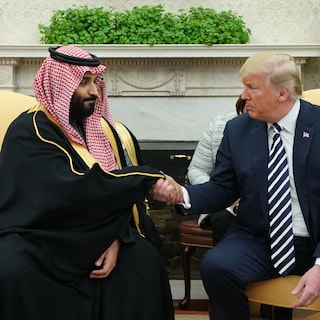
VS ondertekenen nucleair akkoord met Saudi-Arabië, maar zonder klassieke waarborgen tegen kernwapens
de morgen · about 3 hours ago
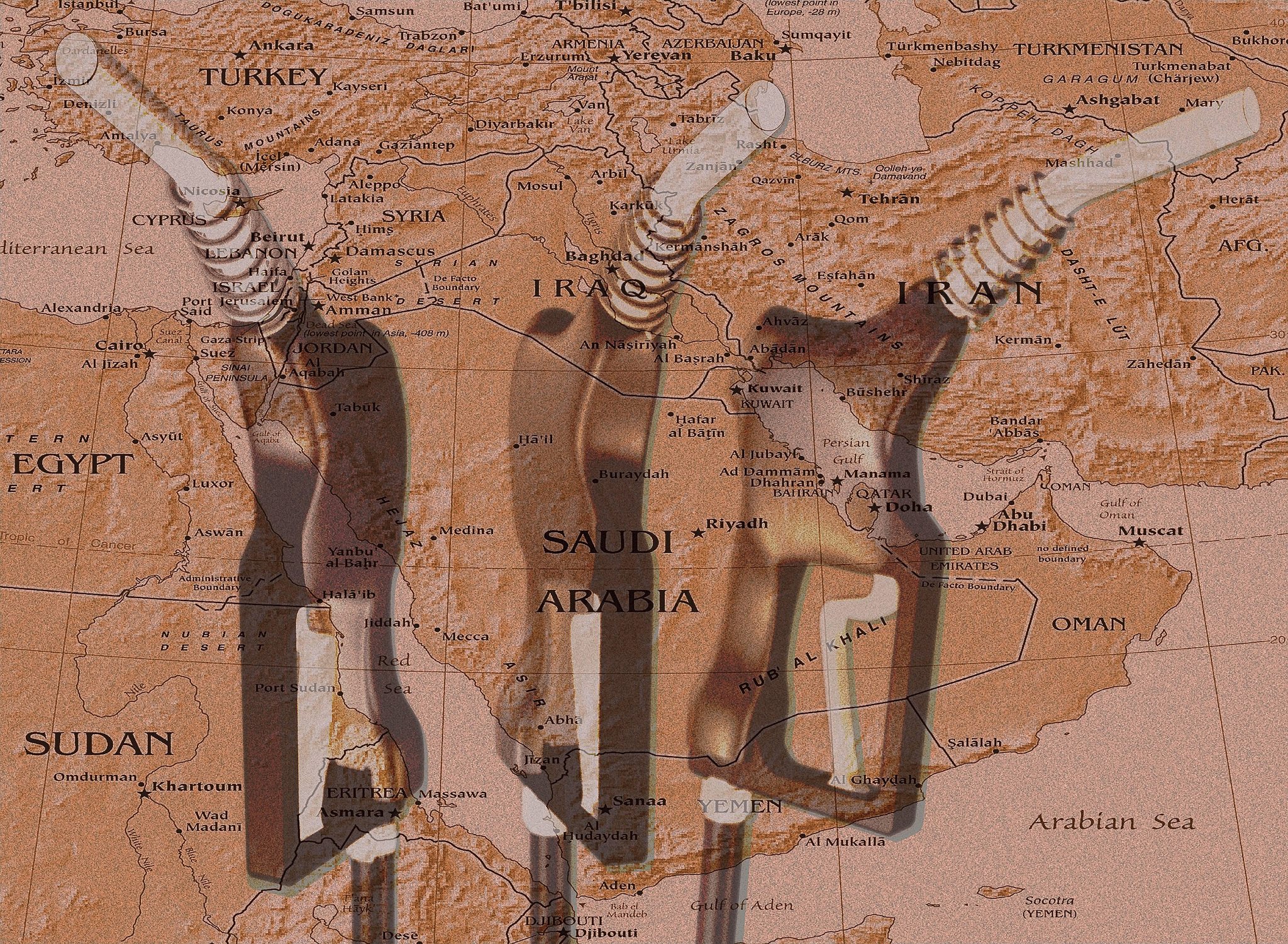
Creciente inquietud por Oriente Próximo El anuncio del acuerdo nuclear de Trump con Arabia Saudí en pleno conflicto con Irán es un claro desafío al régimen de los ayatolás. Leer
expansion · about 3 hours ago
Rubio says Saudi nuclear deal will face Congressional review US Secretary of State Marco Rubio said on Thursday that a nuclear cooperation agreement signed with Saudi Arabia this week will undergo mandatory Congressional review with strict safeguards to prevent weapons proliferation, as Washington seeks to deepen strategic ties with the Gulf kingdom while ensuring non-proliferation standards.
yenisafak · about 3 hours ago
Mohammed bin Salman, marele câștigător al mult râvnitului acord nuclear dintre Arabia Saudită și SUA Un acord privind furnizarea de tehnologie nucleară americană către Arabia Saudită reprezintă un triumf major pentru Mohammed bin Salman, prințul moștenitor al regatului, care încearcă să încheie un astfel de acord de mai bine de cinci ani, scrie The New York Times
digi24 · about 3 hours ago
Statele Unite și Arabia Saudită au semnat un acord nuclear. Care sunt principalele prevederi ale înțelegerii Statele Unite au anunţat miercuri un acord cu Arabia Saudită în domeniul energiei nucleare civile, care va permite regatului să construiască reactoare nucleare folosind tehnologie americană şi să îmbogăţească uraniu, precizând totodată că acesta va include garanţii împotriva proliferării acestei surse de energie, o problemă cheie în conflictul cu Iranul.
digi24 · about 3 hours ago
Schimbare majoră la Seul: Coreea de Sud își redefinește politica față de Phenian. Ce presupune noua strategie Ministrul sud-coreean al unificării, Chung Dong-young, a declarat joi că guvernul de la Seul renunţă la politica axată pe denuclearizarea Coreei de Nord în favoarea păcii ca precondiţie pentru reluarea negocierilor cu Phenianul.
digi24 · about 3 hours ago
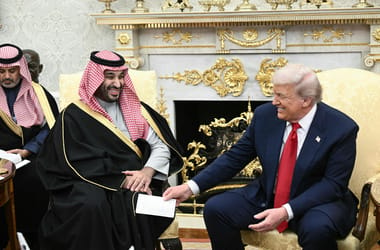
Közös atomprogramot indít az USA és Szaúd-Arábia A cél a békés felhasználás, de Szaúd-Arábia az együttműködéssel képessé válik az urándúsításra.
hvg.hu · about 3 hours ago

Les États-Unis annoncent un accord de coopération nucléaire avec lArabie saoudite, un triomphe pour Riyad Washington a signé mercredi un accord de coopération nucléaire avec le royaume, ouvrant la voie à un programme nucléaire civil et à lenrichissement duranium sur le sol saoudien. La presse américaine salarme des concessions accordées à Riyad, notamment dune dérogation exemptant lArabie saoudite des inspections internationales renforcées habituellement exigées.
courrier international · about 3 hours ago
Libanesische Christen in Nordisrael wollen "zum Frühstücken auf die andere Seite" Einige Christen im Norden Israels, die Familie im Libanon haben, wünschen sich nichts sehnlicher als eine Fortsetzung des Kriegs
der standard · about 3 hours ago

"Samobójczy gol". USA zawarły umowę nuklearną USA i Arabia Saudyjska zawarły porozumienie o cywilnym programie nuklearnym. Umowa może otworzyć Rijadowi drogę do wzbogacania uranu i budowy broni atomowej.
gazeta.pl · about 3 hours ago

🇺🇸 🇸🇦 The United States and Saudi Arabia have announced a landmark deal that would establish a civilian nuclear programme in the kingdom, but which critics fear could pave the way to enrichment and an atomic arms race. ➡️ u.afp.com/Srmw
bluesky_AFP English · about 3 hours ago
Atomabkommen lässt Wettrüsten befürchten Die US-Regierung unter Donald Trump hat einen Kurswechsel in der Atompolitik gegenüber Saudi-Arabien vollzogen. Nach jahrelangen Verhandlungen unterzeichneten die beiden Länder am Mittwoch ein Abkommen über die zivile Nutzung von Kernenergie. Nach Informationen von US-Medien schafft der Deal ausdrücklich einen rechtlichen Rahmen, in dem Saudi-Arabien später einen eigenen nuklearen Brennstoffkreislauf entwickeln könnte – einschließlich der Urananreicherung. Befürchtungen vor einem atomaren Wettrüsten in Nahost werden laut.
orf.at · about 3 hours ago
US and Saudi Arabia reach a multi-billion dollar civilian nuclear deal The United States announced that it had reached a civilian nuclear cooperation deal with Saudi Arabia. Energy Secretary Chris Wright signed the pact and a separate bilateral safeguards deal alongside Saudi Energy Minister Prince Abdulaziz bin Salman. There have been years of discussions even under the Biden administration as part of a larger deal where Saudi Arabia would normalise relations with Israel. That fell apart after the October 7th attacks. Theres likely to be pushback from allies and those concerned with safety.
france24 · about 3 hours ago
US announces landmark nuclear deal with Saudi Arabia The Trump administration did not release details of the deal, but the framework could potentially provide Saudi Arabia with a facility that would allow it to enrich uranium.
euronews · about 3 hours ago

U.S.-Saudi Deal Prompts Fears of a Nuclear Arms Race In Europe, Asia and the Middle East, countries seek nuclear capabilities to hedge against aggressive neighbors and a receding Washington, potentially creating a more freewheeling era.
new york times · about 3 hours ago
BREAKING - Rubio says Saudis seek peaceful, civil nuclear programme bit.ly/3RyFnP8 Follow @InsiderPaper for more news
telegram_Insider Paper · about 3 hours ago
Israelis fear Saudi nuclear deal could ignite Mideast arms race A deal between the United States and Saudi Arabia allowing the kingdom to build nuclear reactors using American technology and to enrich uranium has fuelled fears in Israel of the start of an arms race in the Middle East. The agreement, which still needs Congressional approval, that was announced on Wednesday is meant to allow […]
cyprus mail · about 3 hours ago
Trump approves landmark nuclear deal with Saudi Arabia, report says US President Donald Trump has formally approved a 30-year agreement with Saudi Arabia to provide the kingdom with a civilian nuclear program, The Wall Street Journal reported. The deal, worth tens of billions of dollars, aims to give American firms a central role in developing Saudi nuclear infrastructure.
yenisafak · about 3 hours ago
Lebanese president sets terms for Hezbollah disarmament Lebanese President Joseph Aoun said Hezbollah can be disarmed only through a three-phase process requiring an end to Israels occupation of southern Lebanon, exclusive control by the national army, and a state-led reconstruction program providing economic alternatives to armed resistance.
yenisafak · about 3 hours ago
US, Saudi Arabia sign civil nuclear cooperation agreement The United States and Saudi Arabia signed a civil nuclear cooperation agreement on Wednesday establishing a legal framework for a multi-billion-dollar partnership, advancing commercial ties and strengthening nonproliferation standards while providing American companies access to the kingdoms nuclear energy program.
yenisafak · about 3 hours ago
Atomdeal zwischen USA und Saudi-Arabien: Neuer Sprengstoff für den Nahen Osten Die USA und Saudi-Arabien schließen ein Abkommen über Urananreicherung zur zivilen Nutzung. Das könnte ein nukleares Wettrüsten provozieren. mehr...
taz.de · about 3 hours ago
Searching for an end game in the Korean Crisis
gdeltproject.org · about 3 hours ago
Saudi Arabia and US agree to landmark nuclear deal for civilian purposes The US and Saudi Arabia have agreed to a civilian nuclear deal allowing Riyadh to build nuclear reactors.
aljazeera · about 3 hours ago

Lebanon is working towards a "complete Israeli withdrawal" from areas it occupies, says Prime Minister. Under a US-sponsored agreement, Lebanons army is to disarm Hezbollah and the Israeli military is to withdraw from "pilot zones". Hezbollah has rejected the agreement u.afp.com/SrPR
bluesky_AFP English · about 3 hours ago
#KSA #USA The "123 agreement" between the US and Saudi Arabia facilitates peaceful nuclear cooperation, allowing American companies access to Saudi Arabias nuclear energy market while promoting nonproliferation standards. Subscribe to @OSINTdefender Chat room
telegram_OSINTdefender · about 3 hours ago
Accordo Usa-Arabia Saudita su nucleare civile e arricchimento delluranio. Le preoccupazioni sulla proliferazione nucleare Mentre continua a sostenere la necessità di impedire allIran di sviluppare capacità nucleari potenzialmente militari, lamministrazione Trump apre allArabia Saudita. Stati Uniti e Regno hanno infatti firmato un nuovo accordo di cooperazione sul nucleare civile che potrebbe aprire la strada alla costruzione di un impianto di arricchimento delluranio sul territorio saudita. Lintesa con Riad ha […] Larticolo Accordo Usa-Arabia Saudita su nucleare civile e arricchimento delluranio. Le preoccupazioni sulla proliferazione nucleare proviene da Il Fatto Quotidiano.
il fatto quotidiano · about 3 hours ago

South Korea shifting to peace first North Korea policy, retains denuclearisation goal reut.rs/4yDef2h
bluesky_Reuters · about 3 hours ago