
China test-fires long-range ballistic missile from submarine into Pacific

Story Timeline
1 day · 2 summary articles
China test-fires long-range ballistic missile from submarine into Pacific
revised 2×China test-fires long-range ballistic missile from submarine into Pacific
Continuationrevised 2×
China test-fired a long-range ballistic missile from a nuclear-powered submarine into the Pacific Ocean on Monday, prompting sharp criticism from Washington and regional powers over Beijing’s accelerating nuclear buildup. The launch, described by Chinese state media as a routine military exercise, marked the second such test in four months and underscored the country’s expanding strategic capabilities amid growing international unease.
The missile, equipped with a training warhead, struck a designated area in the Pacific, according to a statement from the People’s Liberation Army Navy. While Beijing claimed the test was part of annual drills and that neighboring countries had been notified, regional governments reacted with alarm. Australia, Japan, and New Zealand condemned the exercise as destabilizing, with Australian Foreign Minister Penny Wong calling it a provocative act that undermines regional stability .
The United States escalated its rhetoric, with State Department spokesman Tommy Pigott accusing China of pursuing a “rapid and opaque” expansion of its nuclear arsenal at a time when Washington is seeking to curb proliferation. “In a time when the United States is working more than ever to prevent the spread of nuclear weapons, China is doing the opposite,” Pigott said in a statement. “Beijing’s rapid and non-transparent nuclear expansion is a major cause for concern for the region and the world” .
The test coincided with a joint military exercise between China and Russia, further amplifying regional anxieties. New Zealand noted that the launch occurred just two hours after Beijing notified Pacific nations of the planned operation, though it remained unclear whether Washington had received advance notice. Chinese officials insisted the missile landed “precisely in the designated sea area,” but did not confirm whether the weapon was nuclear-capable .
Analysts warned the demonstration highlighted China’s growing ability to project power across the Pacific, including the potential to strike the continental United States. The launch follows a similar test in May 2024, when Beijing fired a ballistic missile into waters near French Polynesia—the first such launch over international waters in more than four decades .
Washington has repeatedly urged Beijing to engage in arms control talks and adopt a transparent notification system for intercontinental ballistic missile and space launch tests. China, however, has rejected such proposals, arguing its arsenal remains far smaller than those of the U.S. and Russia. The latest test comes as the U.S. seeks to revive stalled arms control agreements, including the expired New START treaty with Russia, which Washington had sought to expand to include China .
The international response reflects deepening mistrust of China’s military modernization, particularly its submarine-launched ballistic missile program. While Beijing frames such tests as defensive measures, regional capitals view them as part of a broader strategy to assert dominance in the Pacific. The episode is likely to intensify diplomatic pressure on China to demonstrate restraint and engage in meaningful arms control negotiations.
Follow us for live European news
- 3
- 2
- 1
- 1
- 1
- 1
- 1
- 1
- 1
- 1
- 1
- 1
- 1
7 further sources not geolocated
Articles

China widens mainland access to offshore bonds Authorities raise quota for Hong Kong connect scheme in bid to boost international use of renminbi
financial times · about 18 hours ago
Čína odpálila raketu do Tichého oceánu. USA varujú pred rastúcim jadrovým arzenálom Pekingu Čína odpálila medzikontinentálnu raketu do Tichého oceánu. Incident vyvolal obavy Spojených štátov a ďalších krajín z rastúcej jadrovej kapacity Pekingu.
aktuality.sk · about 18 hours ago
Raketentest im Pazifik: USA reagieren mit »großer Besorgnis« auf chinesischen Raketentest Die USA haben Chinas jüngsten Raketentest im Südpazifik kritisiert. China solle seine Verpflichtungen als ständiges Mitglied im UN-Sicherheitsrat einhalten.
die zeit · about 18 hours ago
Shanghai - New York: to Become a Benchmark for China-U.S. Subnational Cooperation SHANGHAI, CHINA - Media OutReach Newswire - 7 July 2026 - On June 30, 2026, New York time, the launch ceremony and New York Forum for OUR WATER Season 3 were successfully held at Bloomberg Headquarters in New York. This event, themed "Rivers of Opportunities", focused on the shared certainties of ...
the slovenia times · about 19 hours ago
RIIGIKOGU LIIKMETE AVALDUS ⟩ Hiina RV uuel seadusel on Tiibetile katastroofilised tagajärjed Tiibet, ajalooliselt iseseisev ja Hiina Rahvavabariigi (HRV) poolt jõuga okupeeritud riik, on endiselt lahendamata rahvusvaheliste konfliktide objektiks. 12. märtsil 2026 võttis HRV valitsus vastu seaduse etnilise ühtsuse ja progressi edendamiseks, mis jõustus juuli alguses 2026.
postimees · about 19 hours ago
US budget slashing risks losing global scientific edge to China Experts warn that cuts to US research funding is weakening the countrys scientific and technological capacity.
aljazeera · about 19 hours ago
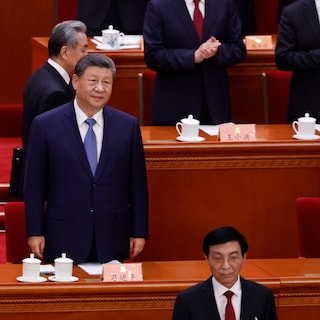
Hoe China de wereldorde wil hervormen
de morgen · about 19 hours ago

Chinese Nuclear Submarine Test-Launches Long-Range Missile Some countries in the region were quick to criticize the launch, which China sought to play down.
wsj · about 19 hours ago
USA väljendas muret seoses Hiina raketikatsetusega USA teatas esmaspäeval, et Hiina kiire ja läbipaistmatu tuumarelvastuse suurendamine on suureks mureallikaks pärast seda, kui Peking tegi allveelaevalt raketikatsetuse.
postimees · about 19 hours ago
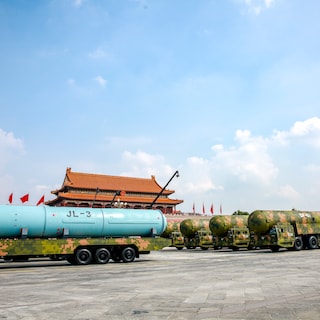
VS diep verontrust door Chinese oefening met raket in Stille Oceaan
de volkskrant · about 19 hours ago

Chinas Taiwan Dictionary: Ten Words Instead of InvasionChinese state media never says "invasion." But it has an entire working vocabulary for the thing it wont name — calibrated to domestic audiences,… #WorldNews #ForeignPolicy
mastodon bot · about 19 hours ago
Chinezii promovează ideea că „energia verde va rămâne determinată în dinamica pieței. China la zi În materialul de astăzi „China la zi, vă prezentăm traducerea din limba chineză a unui interviu publicat în presa chineză, care analizează evoluția politicilor climatice globale și tensiunea tot mai vizibilă dintre tranziția energetică și securitatea energetică.
adevarul · about 19 hours ago
JUST IN - United States says China nuclear buildup a concern to world after missile launch @insiderpaper
telegram_Insider Paper · about 20 hours ago
China fires ballistic missile into Pacific nuclear-free zone Submarine-launched projectile carrying dummy warhead draws condemnation from Japan, Australia and New Zealand
financial times · about 20 hours ago

China test fires missile into Pacific, alarming regional powers
news.yahoo.com · about 21 hours ago
China has stalled Japan-bound exports of various critical minerals: data China has stalled Japan-bound exports of various critical minerals including rare earths and rare metals, mainly items related to the defense industry, recent Chinese trade data has shown,…
japantoday · about 21 hours ago
China fires submarine missile in second Pacific test Beijing confirmed the Peoples Liberation Army Navy "successfully conducted" a submarine-launched strategic missile test on Monday, marking the second such exercise in four months after notifying Australia, New Zealand and Japan of the nuclear-capable operation.
yenisafak · about 21 hours ago
Ook VS hekelt Chinese rakettest in Stille Oceaan Washington heeft zich kritisch uitgelaten over de rakettest die China maandag uitvoerde in de Stille Oceaan vanaf een onderzeeër. Een woordvoerder van het Amerikaanse ministerie van Buitenlandse Zaken zegt grote zorgen te hebben over de "snelle en ondoorzichtige" uitbreiding van het Chinese kernwapenarsenaal.
rtl nieuws · about 21 hours ago
Modi government faces backlash over petrol-blending Also in this newsletter, India opens doors to China
financial times · about 22 hours ago
Ballisztikus rakétakísérletet hajtott végre Kína, amit a csendes-óceáni szomszédok aggasztónak tartanak Új-Zéland szerint a csendes-óceáni szomszédoknak nem áll érdekükben, hogy Kína az óceán déli részét rakétatesztekre használja.
444.hu · about 22 hours ago

⚡ NEWSAustralia condemns Chinas Pacific missile testAustralian Foreign Minister Penny Wong condemned Chinas long-range missile test in the South Pacific as a destabilizing act. She stated Australia expressed displeasure via diplomatic...📰 #China #Military #Geopolitics #GeoWire
mastodon bot · about 23 hours ago
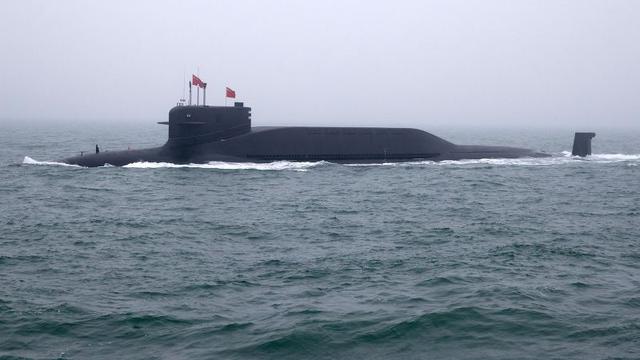
China Conducts Submarine-Launched Ballistic Missile Test Amid Regional Concerns📰 Original title: China conducts rare submarine-launched ballistic missile test, angering Pacific neighbors🤖 IA: Its clickbait ⚠️👥 Users: Its clickbait ⚠️View full AI summary #submarinelaunchedballistic...
mastodon bot · about 23 hours ago
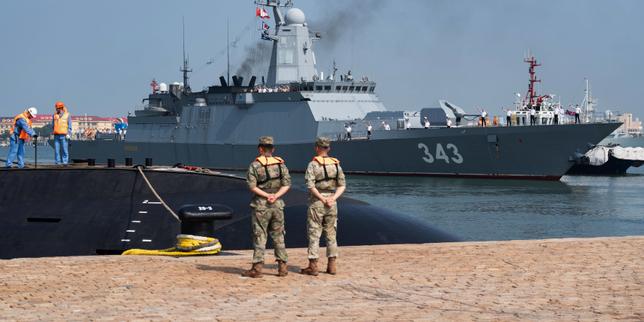
Tir de missile balistique par la Chine : une démonstration de force qui inquiète ses voisins du Pacifique Lundi 6 juillet, un sous-marin nucléaire chinois a tiré un missile stratégique équipé dune tête inerte vers le Pacifique. Un geste dénoncé par lAustralie, le Japon et la Nouvelle-Zélande et qui intervient alors que Pékin multiplie les démonstrations de sa force nucléaire montante.
le monde · about 23 hours ago
#China Chinas test-fire of a long-range missile from a nuclear-powered submarine into the Pacific Ocean occurred on July 6, 2026, and has drawn significant criticism from regional neighbors like Australia, Japan, and New Zealand due to concerns over military expansion. This launch was described as part of a routine military training operation, although it raised alarms about regional stability. Subscribe to @OSINTdefender Chat room
telegram_OSINTdefender · 1 day ago
🇨🇳❌🇦🇺🇫🇯– China test-launched an ICBM into the Pacific Ocean, marking the first such test in 44 years. While Beijing described it as a routine military exercise, the event drew strong criticism from regional neighbors, including Australia and Japan, who cited its impact on the South Pacific Nuclear Free Zone and rising regional tensions. ➡️ The test follows shortly after a new defense treaty between Australia and Fiji, underscoring ongoing concerns regarding Chinas military expansion and lack of transparency. @GeoPWatch
telegram_GeoPWatch · 1 day ago
China, Russia launch naval exercise as Beijing tests missile READ: Follow @InsiderPaper for more news
telegram_Insider Paper · 1 day ago
Lithuanian lawmaker says China open to normalising relations - The Baltic Times VILNIUS - China appears inclined to negotiate on normalising relations with Lithuania, the chairman of the Seimas foreign affairs committee said......
baltic times · 1 day ago
China anunţă că a efectuat un test cu o rachetă strategică în Pacific. Reacțiile internaționale nu au întârziat să apară China a anunţat luni că a efectuat cu succes un test cu o rachetă strategică, fără încărcătură nucleară, lansată de pe un submarin în Oceanul Pacific, după ce ţările din regiune au raportat că au fost avertizate cu privire la un test iminent al unei rachete balistice intercontinentale (ICBM).
digi24 · 1 day ago
Voor het eerst in jaren gaat weer een Nederlandse handelsmissie naar China, en minister Sjoerdsma heeft wat te lijmen Voor het eerst sinds 2018 gaat weer een Nederlandse handelsmissie naar China. Na de Nexperia-crisis vorig jaar willen beide landen hun verhoudingen graag normaliseren.
nrc · 1 day ago
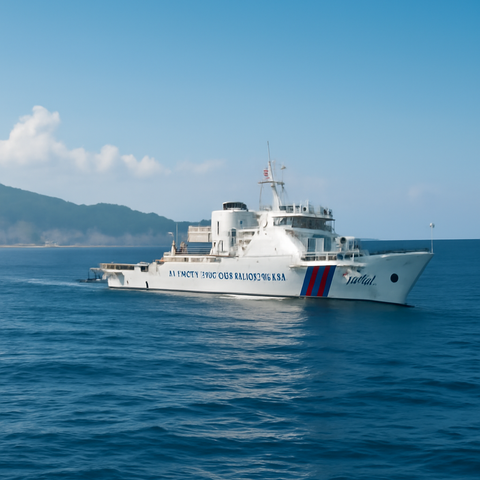
China Escalates Maritime Pressure on Taiwan with Coast Guard PatrolsChinas increased maritime presence, including coast guard patrols and survey ships, is heightening tensions with Taiwan and threatening the stability of the region and international shipping routes. This bold move has sparked concern from diplomatic missions, who warn it could have far-reaching consequences. #China #Taiwan #MaritimeSecurity #NationalSecurity
mastodon bot · 1 day ago