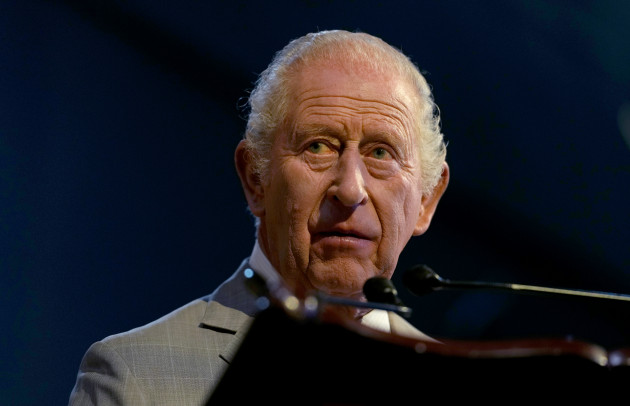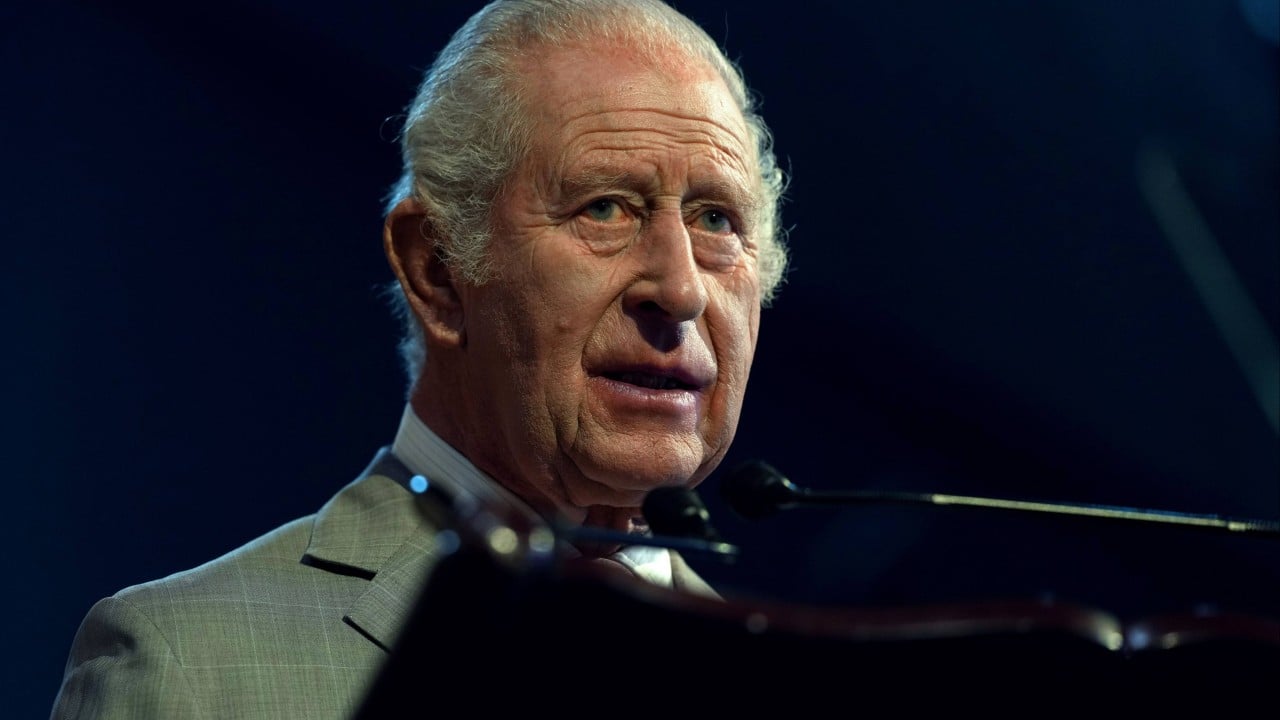
King Charles III called the transatlantic slave trade a "monstrous injustice" at the Commonwealth summit in Antigua on Tuesday. The British monarch said the trade fills his "heart with horror" and his "soul with the most profound personal sorrow." He stopped short of the formal apology demanded by Caribbean nations.
Speaking at the official opening of the Commonwealth Heads of Government Meeting in Antigua and Barbuda, the British monarch said the slave trade "still casts a shadow over these islands and other members of our Commonwealth." He noted that the Royal Navy played "a leading role" in ending the trade. "We cannot change the actions of those who came before us," Charles said. "We can, however, learn from the past."
Charles outlined ways to address historical wrongs, including improving access to education, investing in jobs, encouraging trade among Commonwealth countries and pushing for climate resilience. He offered no measures to address the economic and social damage of slavery. Buckingham Palace had said the king would not issue a formal apology during his Caribbean tour.
The speech came as UK Prime Minister Andy Burnham said the government was open to a formal apology while ruling out financial reparations. Burnham, writing in The Guardian last week, said he wanted "to express my sorrow and regret for the pain and suffering of so many millions of people." He also proposed leading a programme of debt restructuring to help the Commonwealth's poorest countries. Guyanese President Mohamed Irfaan Ali said an apology should be the king's next step.
Ahead of Charles's speech, protesters outside the venue held signs reading "Acknowledge the wrong. Commit to repair" and "You say you regret so apologize. Reparatory justice now!" "Technically, we're free, but mentally a lot of us aren't," said Shana Michelle, from Antigua. "You have to apologise, yes. That is where we start with the repair."
The Commonwealth has 56 member nations, many former British colonies. Leaders including Burnham, Australian Prime Minister Anthony Albanese and Canadian Prime Minister Mark Carney attended Tuesday's opening. Antigua and Barbuda Prime Minister Gaston Browne said, "No nation should be forced to mortgage its future simply to survive its present." St Lucia's Prime Minister Philip J Pierre, chairman of the 15-member Caribbean Community, reportedly said the bloc was "ready to engage" in the structured dialogue Burnham offered.
Britain's royal family has a long association with the transportation and selling of enslaved people. Elizabeth I backed the dealings of John Hawkins, one of Britain's first slave traders, and Charles II encouraged the expansion of the enterprise. Between the 16th and 19th centuries, slave traders took at least 12.5 million Africans to the Americas, including an estimated 3.2 million transported by Britain. The United Kingdom banned the slave trade in 1807 and slavery in 1834.