Loading…
 Saturday, September 26Saturday, September 26
4 months · 3 summary articles
Nordic welfare states struggle as child poverty rises and inequality persists
Norway praises Dutch resilience amid rising right-wing populism and youth online risks
Europe's child poverty crisis deepens: Finland sees 12 surge as mental health toll rises
Norway’s Foreign Minister has warned that entrenched social disadvantage in Nordic welfare states risks undermining the region’s vaunted equality model, as new data show persistent gaps in education and income that echo Germany’s long-standing struggles with educational inequality.
Speaking in Oslo on Monday, Foreign Minister Espen Barth Eide told reporters that “once disadvantaged, always disadvantaged” remains a lived reality for too many families across Norway, Sweden and Denmark, despite decades of high public spending and progressive taxation. “The Nordic social contract is under strain,” Eide said, citing figures from the latest *Combating Poverty in Europe* report that show children from low-income households are 2.3 times more likely to leave upper-secondary school without qualifications than their peers from affluent backgrounds. The report, published today, also highlights a 14% rise in child poverty in rural northern Norway since 2020, reversing earlier declines.
The minister’s remarks come as German education researchers publish findings that mirror Norway’s challenges. Germany’s 2026 National Education Report, released Sunday, concludes that “once disadvantaged, always disadvantaged” remains the dominant pattern in German schools, with students from migrant backgrounds and working-class families still 30% less likely to attain the *Abitur* university entrance qualification than their native, middle-class counterparts. The report calls for urgent increases in early-childhood education funding, a policy already adopted by several German states. “We cannot afford to wait,” said Hamburg’s Education Senator Dorothee Stapelfeldt. “Every year of delay costs another cohort of children their future.”
In Norway, political reactions have been swift. The opposition Progress Party accused the government of failing to protect rural schools, pointing to plans to merge 15 small primary schools in Troms og Finnmark county. “Closing schools in the name of efficiency is a false economy,” said party leader Sylvi Graham. Meanwhile, the Nobel Institute faced fresh criticism from Norwegian politicians over the 2025 Peace Prize, which honoured a controversial peace deal in the Caucasus. “The Nobel Committee’s choices increasingly reflect geopolitical convenience rather than moral clarity,” said Socialist Left MP Mona Fagerås.
Across the Nordic region, policymakers are debating whether to expand targeted early-intervention programmes, such as Norway’s *Kompetanseløftet* scheme, which provides extra tutoring to children in the bottom quartile of national reading tests. “We know what works,” said Eide. “The question is whether we have the political will to scale it up.” With both Norway and Germany facing elections in 2027, the coming year will test whether either country can turn data into decisive action.
Follow us for live European news
1 further source not geolocated

Schulen mit weniger Kindern – Grund zu kürzen?: Nein, wir müssen sie jetzt erst recht besser ausbilden! Bildung als Deutschlands einzige Ressource? Aktuell ist sie eher sein größtes Problem. Zwar haben sich Schulen auch verbessert. Viele Schwächen sind aber geblieben, manches hat sich sogar verschärft. Wie kann die Wende gelingen?
tagesspiegel · 3 months ago
Combating poverty in Europe - The Nordic Page
gdeltproject.org · 3 months ago
Norwegian Foreign Minister Warns against Intolerance in Society
gdeltproject.org · 3 months ago
Nationaler Bildungsbericht: Einmal benachteiligt, immer benachteiligt Trotz vieler Reformen kommt Deutschland bei der Chancengerechtigkeit nicht voran. Bund und Länder setzen auf mehr Investitionen in Kitas. mehr...
taz.de · 3 months ago
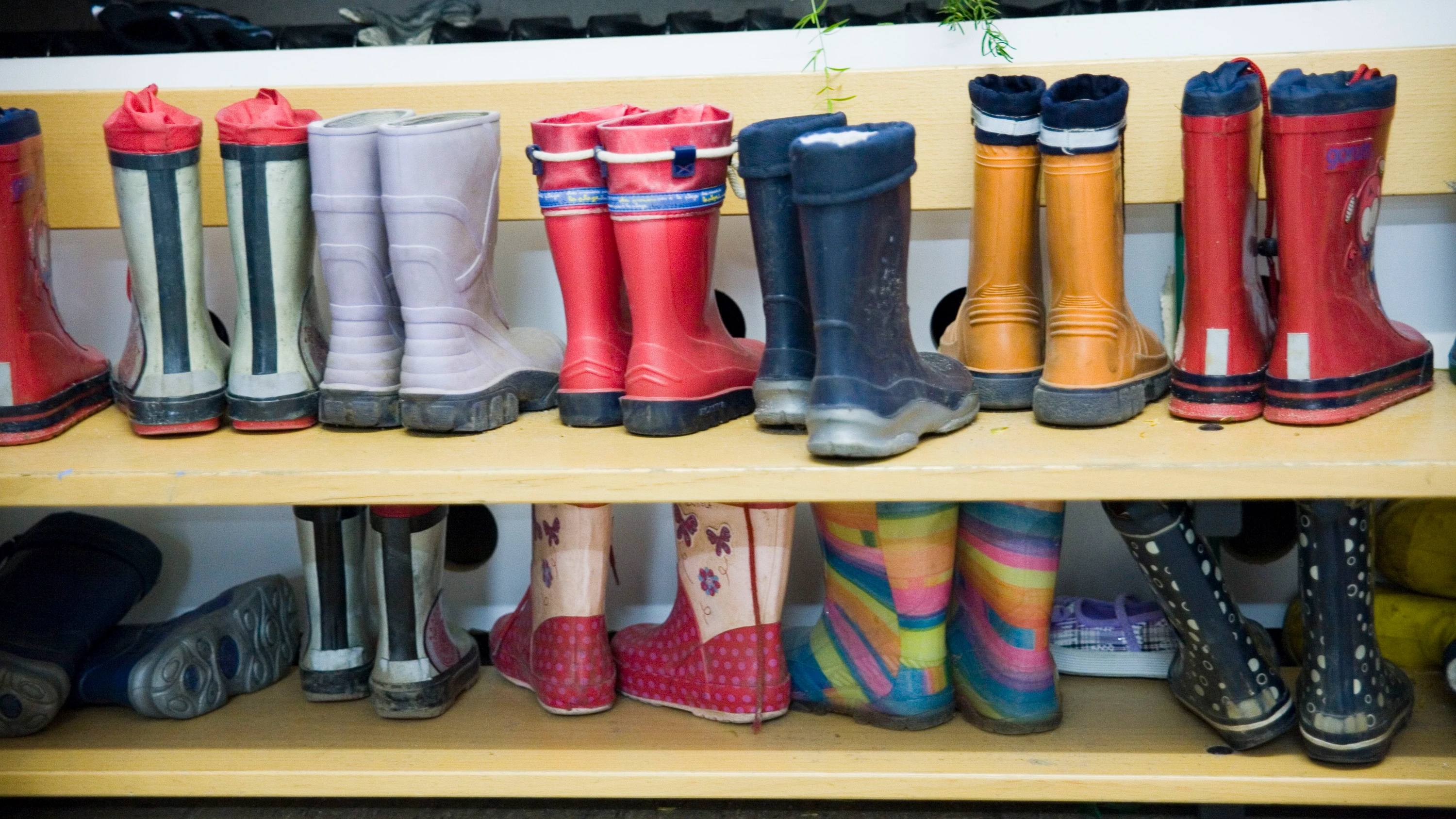
Bildungsbericht: Das Recht und die Pflicht der Eltern Für Pflege und Erziehung der Kinder sind an erster Stelle die Eltern verantwortlich. Aber wenn grundlegende Fähigkeiten fehlen wie die deutsche Sprache, ist der Staat gefordert.
faz · 3 months ago
20 Years of Close Cooperation with Norway - The Nordic Page
gdeltproject.org · 3 months ago
Norwegian Politicians Criticize the Nobel Peace Prize
gdeltproject.org · 3 months ago