
Franco-German fighter jet program collapses amid deep industrial disputes
Story Timeline
4 months · 2 summary articles
France unveils stop-gap tank as Daimler invests 1bn in military mobility amid Franco-German defence tensions
Franco-German fighter jet program collapses amid deep industrial disputes
The European Union’s flagship next-generation fighter jet program, FCAS, has collapsed after Germany and France failed to resolve deep industrial disputes, marking a major setback for President Emmanuel Macron’s vision of closer European defense integration. On Tuesday, German Defense Minister Boris Pistorius confirmed the Franco-German project is dead, blaming irreconcilable differences over industrial workshares and technology transfer. The announcement follows weeks of escalating tensions between Berlin and Paris, with both sides trading blame over the program’s failure to deliver a viable sixth-generation combat aircraft by the 2030s.
The collapse leaves Europe’s defense ambitions in disarray, just as geopolitical tensions with Russia and rising competition from China intensify pressure on EU militaries. The FCAS program, initially launched in 2017 as a joint venture between France’s Dassault, Germany’s Airbus, and Spain’s Indra, was meant to replace aging fleets of Eurofighter and Rafale jets. But negotiations stalled over Germany’s insistence on greater control over sensitive technologies, including stealth capabilities and AI-driven systems. “The project is dead,” Pistorius told reporters in Berlin. “We will now look for alternative solutions, including partnerships with other European nations and third countries.”
The fallout has already strained Franco-German relations, with French officials accusing Berlin of prioritizing cost over strategic autonomy. Meanwhile, Spain, the program’s third partner, has signaled it may pursue its own fighter jet development, further fragmenting Europe’s defense industrial base. The failure comes amid broader concerns about Europe’s military preparedness. A recent study by the Vienna-based Warsaw Enterprise Institute warned that the EU’s current emissions trading system (ETS) and climate policies risk undermining industrial competitiveness, leaving the bloc vulnerable to cheaper imports from China and the U.S.
In a separate development, Turkey’s state-owned aerospace firm TAI claimed it has overtaken Europe in sixth-generation fighter development, with its indigenous Kaan aircraft already conducting test flights while European programs remain stalled. TAI CEO Mehmet Demiroglu urged European engineers to return home, highlighting Turkey’s rapid progress in defense innovation.
The FCAS debacle underscores the EU’s struggle to balance strategic autonomy with industrial pragmatism. With defense budgets strained and member states divided, the bloc’s ability to counter external threats—from Russian aggression to Chinese industrial dominance—remains in question. The collapse also raises urgent questions about Europe’s long-term security architecture, just as the U.S. deepens its influence in the Caucasus and the Middle East.
Follow us for live European news
- 3
- 2
- 2
- 1
- 1
- 1
- 1
- 1
- 1
- 1
1 further source not geolocated
Articles

WSJ: Kas maailm vajab Hiina muldmetalle? Mitte ilmtingimata, ütlevad need firmad Süttinud on vabanemise lootus Hiina haardest haruldaste muldmetallide üle. Sellist sõnumit kuulutavad ettevõtted, kes vaikselt ja väljaspool rambivalgust otsivad viise kasutada vähem neid kriitilisi mineraale, mille turul domineerib Peking.
postimees · 4 months ago
Proviisor soovitab: need on kaks mineraali, mida iga naine vajab Naise keha ei tööta mehe rütmis – meie hormoonid ja enesetunne teevad läbi 28-päevase tsükli, mis esitab organismile suuri nõudmisi. Proviisor Heleriin Laur paljastab kaks elutähtsat mineraali, mida iga naine vajab, et tsükliga kaasnevat väsimust ja krampe leevendada.
postimees · 4 months ago
Finnair avas Eesti linnast uue lennuliini Eile, 8. juunil avas Finnair uue otseliini Kuressaare ja Helsingi vahel. Lennud toimuvad 7. augustini kuni neli korda nädalas (esmaspäeval, kolmapäeval, reedel ja pühapäeval) ning lennuaeg on 50 minutit. Lende teenindatakse ATR 72 tüüpi lennukiga, mis mahutab ligi 70 reisijat.
postimees · 4 months ago
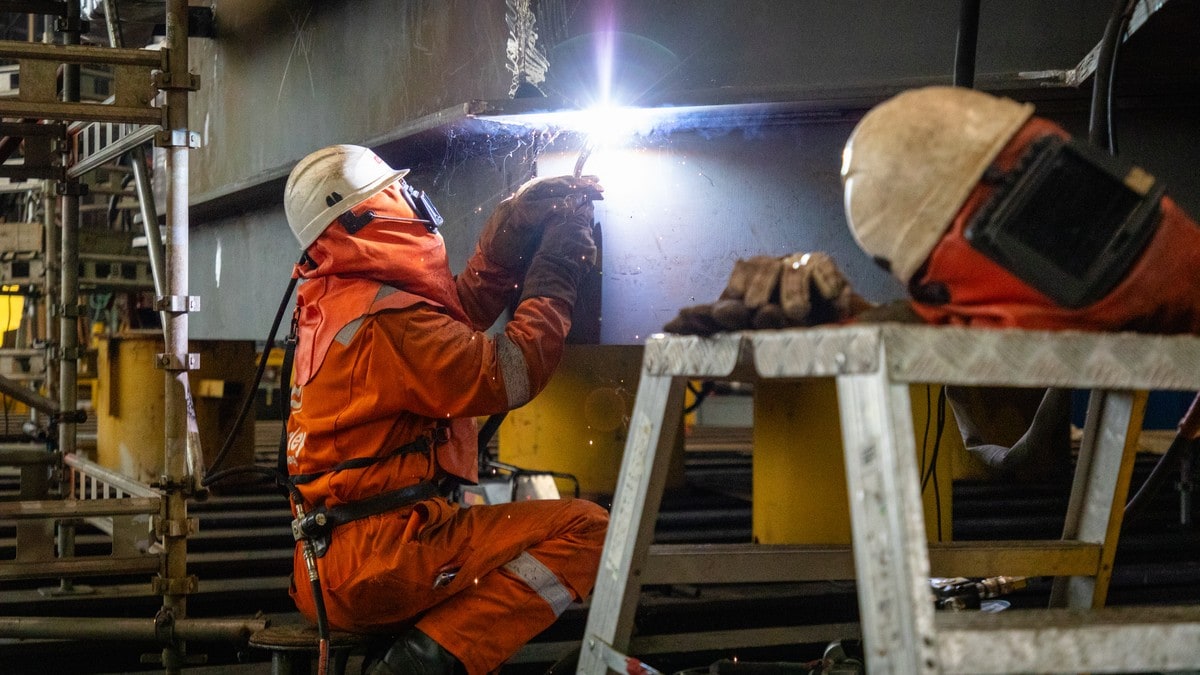
Havvind: Frp sikrar fleirtal for full gjennomgang av milliardsatsing No har Frp bestemt seg: saman med Høgre, KrF og Raudt vil dei sikre fleirtal for eit forslag som industri og fagrørsle fryktar vil gi full stopp for norsk satsing på havvind.
nrk · 4 months ago
El precio de las hipotecas toca máximos de 14 meses El coste de los préstamos recoge el impacto del conflicto en Oriente Próximo y el alza del euríbor. La contratación sigue en cotas elevadas. Leer
expansion · 4 months ago
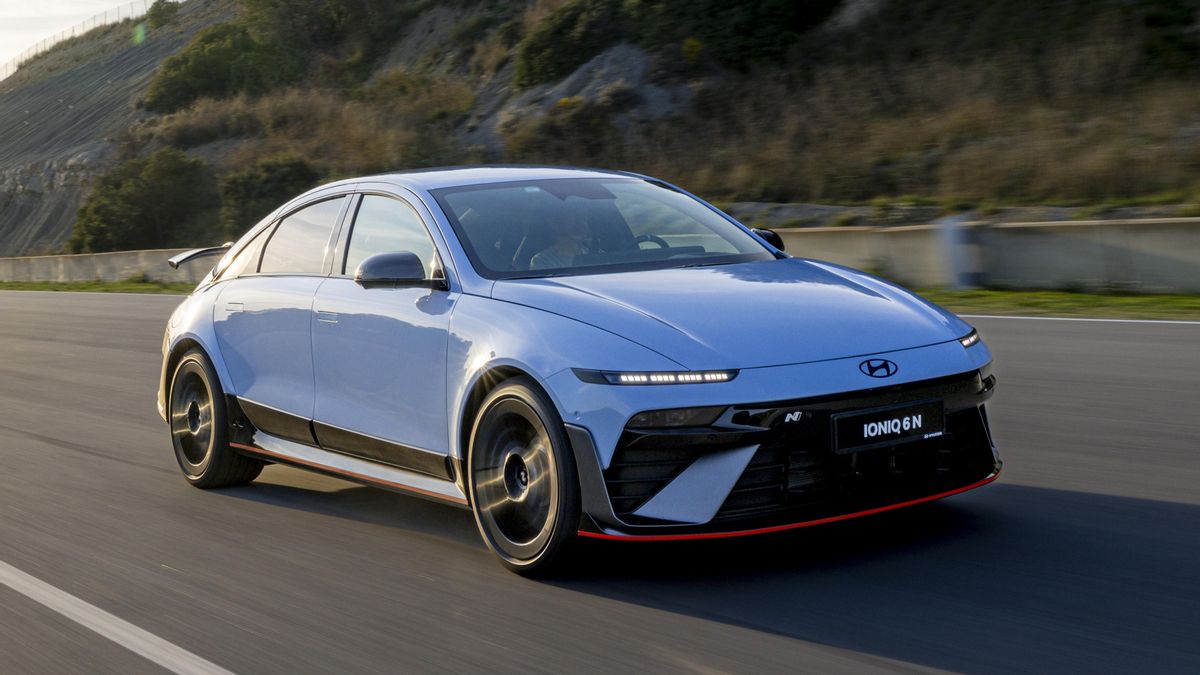
Ioniq 6 N: para quemados del eléctrico Sin competidores de sus mismas características, la berlina de Hyundai ofrece en esta versión extrema 650 caballos y cerca de 500 kilómetros de autonomía en conducción normal De igual modo que los grandes motores de gasolina tenían -y tienen- sus incondicionales, los llamados petrolheads, los coches eléctricos cuentan también con adeptos que no hacen ascos a las prestaciones más rabiosas. Hyundai ha creado para ellos el Ioniq 5 N y, ahora, el Ioniq 6 N, modelos ambos de 650 caballos y altísimo rendimiento que admiten, llegado el caso, pasárselo en grande en un circuito de velocidad. Valoración Ioniq 6 N: diseño, 7; interior, 8,5; motor, 9; conducción, 9; global, 8,37 Sobra aclarar que la marca coreana no pretende obtener grandes volúmenes de ventas de una berlina deportiva como el Ioniq 6 N que acabamos de conducir. Como pasaba con algunos superbólidos de antaño con motorazos de 10 o 12 cilindros, aquí se trata de demostrar un potencial o de exhibir lo que es posible hacer -en este caso, en movilidad eléctrica- y, de paso, dar gusto a un puñado de apasionados que, por analogía con los locos de la gasolina, nos permitiremos denominar electroheads. Aparte de amante de los coches eléctricos, el potencial cliente de un modelo como este debe disfrutar de una economía desahogada, porque cuesta pensar en un N como vehículo único de un hogar. Sin embargo, para lo que ofrece el Ioniq 6 en cuanto a prestaciones y ornamentos de los que cautivan, no puede calificarse de caro: cuesta oficialmente 79.550 euros, pero con campañas se queda en 66.640. La zaga del Ioniq 6 N está coronada por un aparatoso alerón. Entremos rápidamente en el detalle técnico porque hay mucho que contar. El coche desarrolla 478 kW de potencia, los referidos 650 CV, que lo habilitan para alcanzar los 100 km/h desde parado en 3,2 segundos haciendo uso del launch control. Dispone de una gestión térmica avanzada con circuitos de refrigeración independientes para batería y motor, además de modos específicos de preacondicionamiento de la primera. La arquitectura general es de 800 V, con lo que la batería, de 84 kWh, admite potencias de recarga con corriente continua de hasta 240 kW y recupera del 10 al 80 en 18 minutos. La autonomía homologada se sitúa en 487 kilómetros, obviamente cuando el coche se conduce de forma normal y no como el superdeportivo que (también) es. La carrocería se halla optimizada desde el punto de vista aerodinámico y cuenta con un aparatoso alerón en la zaga, de un solo plano en la versión de serie y doble como opción. La suspensión se ha sometido a revisión de su geometría y dotado de un diferencial electrónico de deslizamiento limitado. La instrumentación del Ioniq 6 N puede resultar abrumadora. Todo ello se acompaña de tecnologías de alto rendimiento específicas N, que incluyen desde el N e-Shift -que simula el funcionamiento de un cambio de marchas manual- o el N Active Sound+ hasta un distribuidor de par o un optimizador de derrape, para los muy cafeteros. En el centro de la experiencia a bordo del Ioniq 6 se encuentra el N Active Sound+, un sistema de audio dinámico que, a lo que ya ofrecía el Ioniq 5 de idéntica configuración, añade aquí sonido dirigido al exterior. Entre los paisajes sonoros disponibles hallamos los modos Ignition, inspirado en la competición, el más nostálgico Evolution y los tonos futuristas Lightspeed. Estos programas potencian el efecto acústico propio de un deportivo, especialmente cuando se recurre a las funciones Launch Control y N Grin Boost. Los asientos son de tipo bucket, como se espera de todo deportivo. La importancia del ornamento En todo coche de capricho que se precie son fundamentales los adornos. La silueta del Ioniq 6, muy particular ya en su versión estándar, recibe en este caso añadidos como el parachoques delantero rematado por una línea de color naranja, los emblemas N planos y de aluminio, los difusores delantero y trasero, y el faldón lateral con el mismo ribete naranja del frontal, además del alerón trasero ya mencionado. Dentro, son inevitables los asientos de tipo bucket, los mandos exclusivos N y los pedales y el reposapiés metálicos. Sumemos al conjunto un volante específico, bautizado como N Pasubio y equipado con cuatro botones básicos que dan rienda suelta al chorro de potencia de que dispone este Ioniq 6, y un cojín para la rodilla derecha del conductor, que se ve maltratada en los fuertes apoyos en curva de que es capaz un aparato como este. El deportivo eléctrico de Hyundai no da la espalda ni a la seguridad ni a los avances en conectividad y tecnologías variadas que son obligados hoy en día. Su equipamiento de serie comprende llave digital, actualizaciones inalámbricas (OTA), soporte de cámara integrado, servicios como el streaming de música y un head-up display provisto de un modo Sport específico. Por supuesto, el usuario puede manejar de forma remota una variedad de funciones del vehículo a través de la correspondiente aplicación en el móvil. Refuerzos estructurales en el compartimento del maletero. En lo tocante a seguridad, se incorporan sistemas ADAS entre los que destacan el asistente para evitar colisiones frontales, el que avisa de la presencia de vehículos en el ángulo muerto y el de conducción en autopista HDA2, que ayuda a mantener la velocidad, la distancia y la posición en el carril durante la conducción por vías rápidas. Debido a que, por precio, el Ioniq 6 N no está incluido en el Plan Auto+, la firma coreana ha puesto el acento en las promociones para rebajar su precio de los casi 80.000 euros de lista a los citados 66.640. Como eléctrico, además, se beneficia de la instalación gratuita de un cargador en el domicilio del cliente, así como de un acuerdo con Iberdrola por el que éste disfruta del equivalente a recorrer 10.000 km al año. El Plan Enchufados de Hyundai agrega cinco años de garantía sin límite de kilometraje -ocho años para la batería-, otros tantos de asistencia gratuita en carretera y un seguro específico para vehículos considerados ecológicos, además del compromiso de devolución para quien no se sienta satisfecho con un coche eléctrico después de probarlo por primera vez.
eldiario.es · 4 months ago
Turkish Airlines to launch non-stop Australia, South America flights by 2027 Murat Seker said the carrier will deploy ultra-long-range Airbus A350-1000 jets capable of 17-hour non-stop flights to Sydney, Melbourne, Buenos Aires, Santiago and Lima by late 2027 as part of a 420-aircraft expansion, speaking on the sidelines of the IATA summit in Rio de Janeiro.
yenisafak · 4 months ago
Türkiye far ahead of Europe on 6th-gen jets, TAI chief says TAI Chief Executive Mehmet Demiroglu said Türkiye has moved ahead of European manufacturers in sixth-generation fighter development, noting that the indigenous Kaan aircraft has already flown while rival continental programs remain stalled and urging young expatriate engineers to return home.
yenisafak · 4 months ago
Türkiye denies harassing planes carrying Greek, EU officials Türkiyes Communications Directorate has rejected claims that Turkish F‑16s harassed aircraft carrying Greek Defence Minister Nikos Dendias and other European officials. Ankara stated that the jets conducted a precautionary patrol over Turkish Republic of Northern Cyprus airspace, not Greek airspace.
yenisafak · 4 months ago
Les 100 plus grandes entreprises dEurope reversent 70 de leurs bénéfices aux actionnaires LONG Oxfam publie un rapport sur la façon dont les principales entreprises européennes alimentent les inégalités. La distribution de dividendes est très largement privilégiée à linvestissement et à lemploi.
liberation · 4 months ago

Die 100 umsatzstärksten Konzerne befeuern die Ungleichheit in der EU Die Unternehmen schütten deutlich mehr Dividenden aus, als sie in den ökologischen Wandel investieren. Oxfam fordert eine gerechtere Balance zwischen CEO-Gehältern und Medianeinkommen
der standard · 4 months ago

Nimmt man mit der Abnehmspritze wirklich Fett ab – oder Muskelmasse? Die Sorge vor massivem Muskelschwund durch Ozempic und Co. hält sich hartnäckig. Eine neue Wiener Studie zeichnet ein deutlich differenzierteres Bild
der standard · 4 months ago
INTERVIU Calea spre protejarea surselor de apă ale României e una singură, spune un oficial din Comisia Europeană. „Am alocat României 6.000.000.000 de euro, anunță Jan Dusik Utilizarea surselor regenerabile și grija pentru ce avem toți sunt cele mai eficiente metode de a reduce facturile la energie, afirmă Jan Dusik, director adjunct al Direcției Generale de Politici Climatice din cadrul Comisiei Europene, într-o conversație cu HotNews. Jan Dusik, director adjunct al Direcției Climatice al Comisiei Europene, se află marți și miercuri într-o …
hotnews.ro · 4 months ago
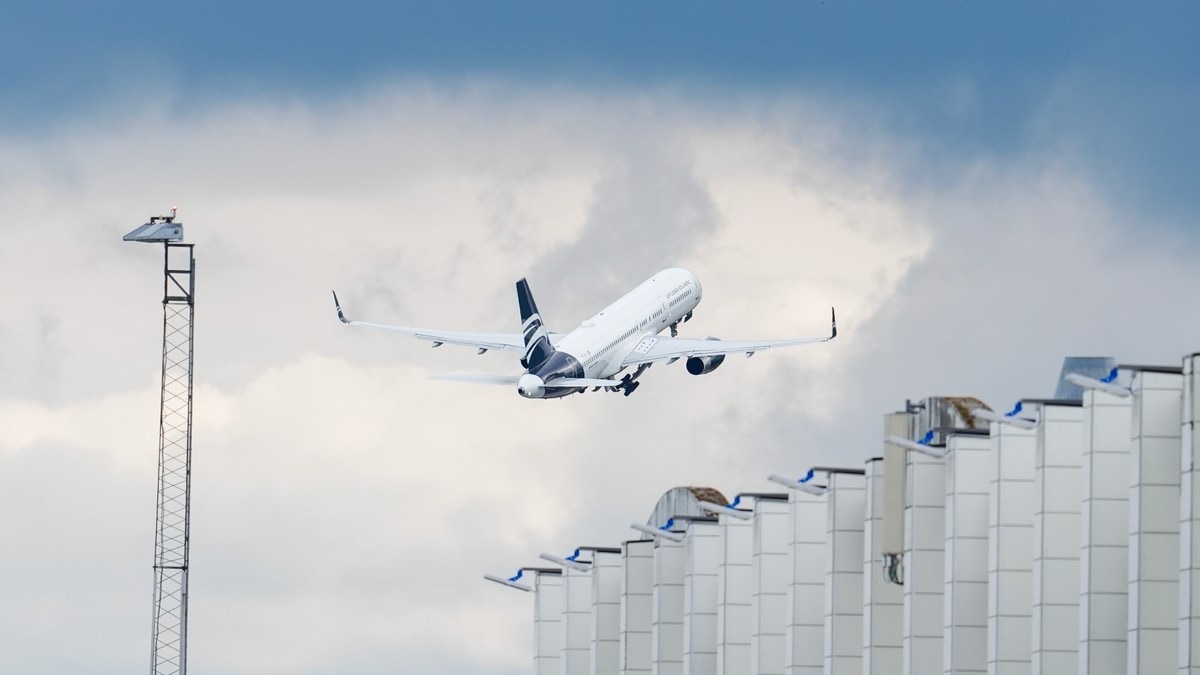
Streik ved norske flyplasser avverget Det blir ingen streik ved norske flyplasser fra tirsdag morgen. NHO Luftfart og Fellesforbundet kom til enighet fem timer etter at meklingsfristen gikk ut ved midatt, opplyser Fellesforbundet i en pressemelding. – Det har vært en krevende mekling, men vi har fått et balansert resultat som gir medlemmene økt kjøpekraft, forskuttering av sykepenger og en kompetanse- og kompensasjonsmodel som legger til rette for en positiv utvikling av bransjen, sier Dag-Einar Sivertsen, forhandlingsleder i Fellesforbundet. 306 ansatte sto i fare for å bli tatt ut i streik ved flyplassene Gardermoen, Værnes og Flesland.
nrk · 4 months ago
Ordinea mondială se dezintegrează, iar guvernele acționează ca niște „lorzi ai războiului, avertizează cercetătorii germani Patru institute germane de cercetare a păcii avertizează că ordinea mondială bazată pe reguli se află într-un proces de „dezintegrare, în timp ce tot mai multe state își promovează interesele prin forță, încălcând normele internaționale. Potrivit unui nou raport, perioada 2021-2024 a fost cea mai violentă de la sfârșitul Războiului Rece, iar ONU traversează o criză profundă.
digi24 · 4 months ago
Europa e pe cale să repete greșelile trecutului în apărare. De ce „super-avionul dorit de Franța și Germania era destinat eșecului Statele europene știau încă de la începutul anilor 2000 că vor trebui să dezvolte un înlocuitor pentru avioanele de vânătoare existente. Conceptele pentru un „program de avioane de vânătoare de generație următoare depășesc simpla dezvoltare a unui avion cu reacție. Planurile de a include un „cloud de luptă și sisteme fără echipaj care să funcționeze alături de aeronavele de luptă există de aproape aceeași perioadă de timp.
digi24 · 4 months ago
Ny prognos: Då tar elbilen över i Sverige Nu blir det proppen ur för elbilarna. Nästa år väntas hälften av alla nya bilar gå på el, enligt en ny prognos.Men förseningen jämfört med våra nordiska grannar har kostat över hundra miljarder i import av fossila bränslen.
svenska dagbladet · 4 months ago
Ende von FCAS: Union und SPD fordern Alternative zu deutsch-französischem Kampfjet Die Koalitionäre interpretieren das Ende des Luftkampfsystems FCAS als Chance für neue Kooperationen. Die Grünen werfen der Regierung mangelnde Durchsetzungskraft vor.
die zeit · 4 months ago
Klimaschutz und Ungleichheit: »Klimaschutz ist vor allem ein Frage der Ungleichheit« Matthias Quent erklärt, warum Ohnmacht, Krisen und Klimapolitik den Aufstieg der AfD begünstigen. Und was dagegen hilft.
die zeit · 4 months ago
Elbvertiefung: Der tägliche Newsletter aus Hamburg: Warum am Hamburger Flughafen jetzt Kampfjets aufsteigen Die Elbvertiefung am Dienstag – mit der Sorge vor Fischsterben, einer millionenschweren Bankraub-Beute und einem Sportler, der beim Ironman in Metallsplitter fuhr
die zeit · 4 months ago
România trece prin cea mai dificilă perioadă de după crizele succesive din pandemie și energie După ani în care consumul populației a fost principalul motor al economiei, apar primele semnale clare de răcire. Datele analizate de economiștii Erste arată că vânzările din comerțul cu amănuntul au intrat într-o fază de contracție accentuată, iar scăderea din primăvară este cea mai puternică.
adevarul · 4 months ago
România și schimbarea de direcție din industria auto europeană. Care sunt semnalele de alarmă Industria auto europeană și, implicit, cea din România traversează una dintre cele mai accelerate perioade de transformare din ultimele decenii, între presiunea tranziției către electric și concurența tot mai agresivă a producătorilor chinezi.
adevarul · 4 months ago
Defense Ministry criticized: Fighter jets become 14 billion kroner more expensive The Ministry of Defence lacked an overview of the total expenses for purchasing 27 F-35 fighter jets, which now look to be over 14 billion kroner more expensive than expected. Additionally, the ministry did not provide adequate information to Parliament about the price increases. According to a report by the National Audit Office (Rigsrevisionen), the […]
cphpost · 4 months ago
Robotaxis: lEurope, lente au démarrage, se lance enfin Alors quen Chine et aux États-Unis, le nombre de ces voitures sans chauffeurs, équipés de la technologie dIA a plus que doublé en 2025, lEurope est très en retard. Pour accelérer le mouvement, 17 pays membres ont signé lundi 8 juin une déclaration commune pour tester et préparer les véhicules autonomes à leur déploiement futur.
rfi.fr · 4 months ago

Izakaya economics: Japans traditional night out fights tooth and ale for survival Hard times – and British-style pubs – are squeezing restaurant-bars that once thrived in cities everywhere. Can they innovate to keep pace with change?From rowdy spit-and-sawdust joints to dimly lit high-end eateries, from chains equipped with tablets to family-run holes in the wall, Japans izakaya restaurant-bars are as varied as the cuisine they serve.They are also a bellwether, reflecting strength and shifts in the wider economy. Now that economy is squeezing them harder than ever, pushing closures to record rates. The damage is spread unevenly: amid the struggles, some flourish, while a chain of unlikely alternatives expands. Continue reading...
theguardian · 4 months ago