
European researchers map 200,000 radioactive waste barrels dumped in Northeast Atlantic
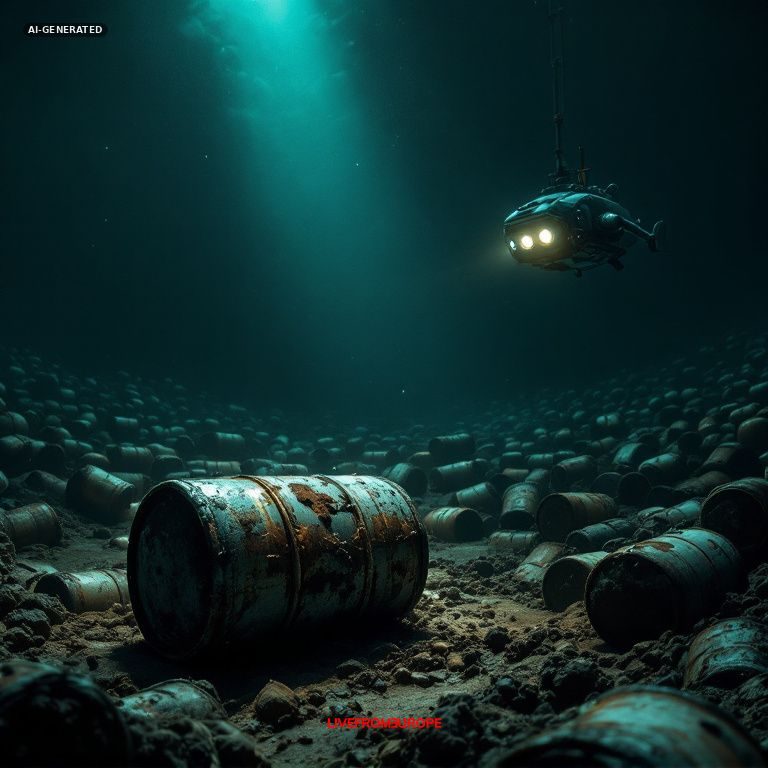
European researchers have mapped over 200,000 barrels of low- and intermediate-level radioactive waste dumped in the Northeast Atlantic between the 1950s and 1990s, according to a statement from France’s CNRS research agency.
The first mapping mission of the NODSSUM project, led by CNRS, took place in summer 2025, with a follow-up expedition from May to June 2026 aboard the *Pourquoi Pas?* research vessel. The crew, including 30 researchers, used the manned *Nautile* submersible to conduct 20 dives to depths exceeding 4,700 meters, directly observing barrels and their immediate surroundings.
The team documented advanced deterioration in many barrels, with some leaking their contents into the sea. On-site measurements confirmed the presence of radionuclides typical of the waste, with activity levels higher than expected but still low overall. Samples of water, sediment, and living organisms were collected to study the spread of radioactivity and its transfer mechanisms in the environment.
Researchers also assessed biodiversity in the areas and gathered data that may help identify the origin of some barrels. The study aims to better understand how radionuclides migrate and interact with deep-sea ecosystems. Laboratory analyses will enable precise radionuclide identification, and the work is set to continue in the coming months .
Follow us for live European news
- 2
- 2
- 2
- 2
- 1
- 1
- 1
- 1
4 further sources not geolocated
Articles
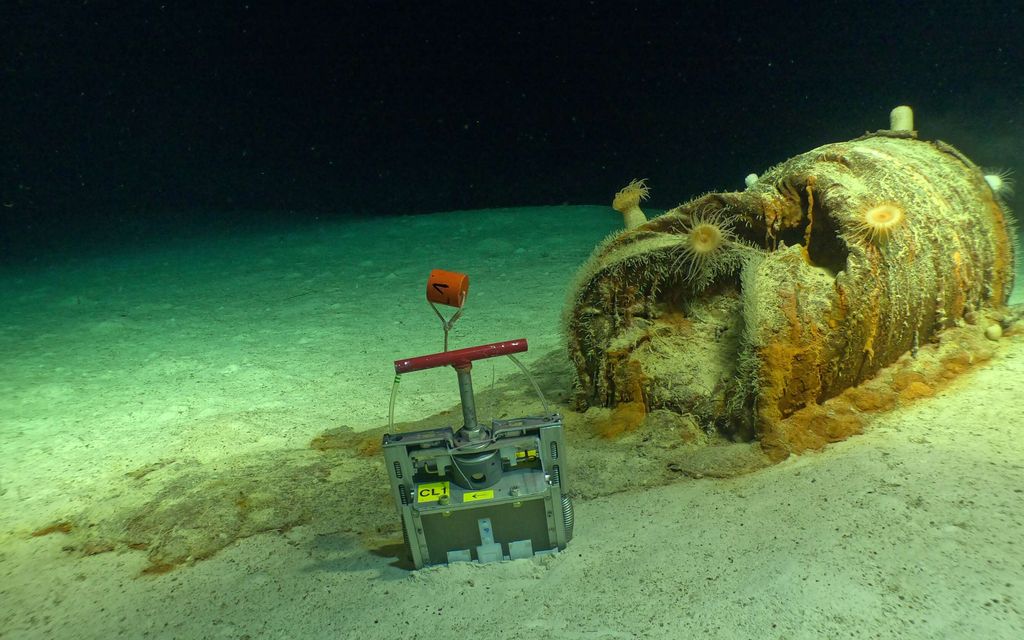
Tutkijat tekivät hyytävän löydön Atlantin syvyyksistä
iltalehti · 3 days ago

Lecserélték a sürgősségin az összes EKG-t, teljesen digitális rendszerre váltottak Debrecenben A Debreceni Egyetem Klinikai Központja az országban elsőként vezetett be digitális elektrokardiográfiát a sürgősségi orvostan szakterületén – közölte az intézmény.
hvg.hu · 3 days ago

Virukset | Afrikkalainen sikarutto on outo ja vaikea vastustaja rokotteen kehittäjille Afrikkalainen sikaruttovirus siirtyy punkista pahkasikaan, mutta kumpikaan ei sairastu. Kesysika sen sijaan saa viruksesta tappavan verenvuotokuumeen.
helsingin sanomat · 3 days ago
VAATA FOTOSID ⟩ Tahate näha ehedaid «tulnukaid» – piisab, kui ootate kuni molluskid oma silmad avavad Rannast leitud merekarp ei ole lihtsalt looduse poolt voolitud iluese. Lummavate värvide, keerukate mustrite ning unikaalsete vormide taga peitub kirev mereelu, mida ohustavad tänapäeval nii kliimamuutused kui ka inimmõju.
postimees · 3 days ago

Así afectó el eclipse a los animales: las ovejas y las gallinas se quedaron paralizadas y la burra sufrió una taquicardia Los investigadores siguieron con sensores a más de 30 animales para descubrir qué ocurre cuando la luz desaparece de forma repentina Leer
elmundo · 3 days ago
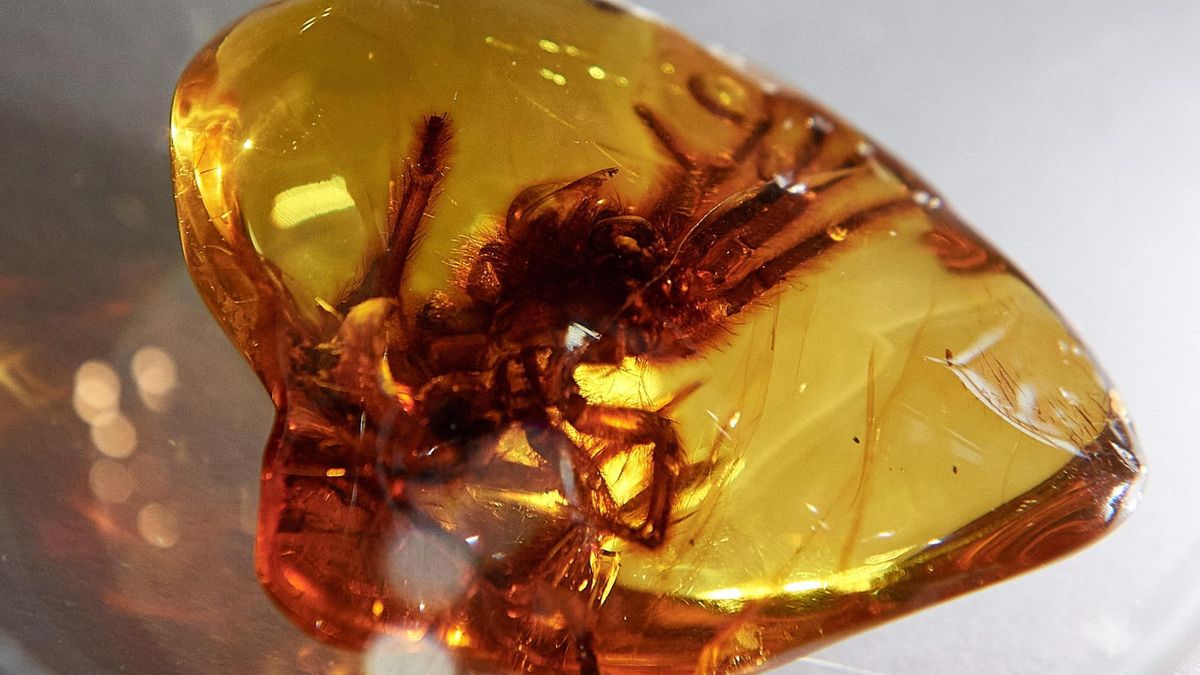
La ciencia desmonta Jurassic Park: un estudio con participación española acaba con una de sus premisas principales Para el estudio, se compararon durante un mes el estado de preservación del ADN y tejidos de la mosca de la trufa y el escarabajo de la harinaCientíficos descubren por qué el canto de los pájaros nos resulta bonito En la saga Jurassic Park se difundió la idea de que la resina era un conservante ideal para el material genético, un hecho que ha llegado a asentarse en la cultura popular, y que ahora desmiente un estudio internacional en el que ha participado el Instituto Botánico de Barcelona junto al Instituto de Biología Evolutiva y el Instituto Geológico y Minero de España. En el estudio presentado, en el que se ha probado lo que pasaría si un insecto quedase atrapado en resina se ha demostrado que el material genético incluso se degrada más rápido en este medio que si está fuera de él. Un dato que se ha demostrado erróneo Lo que genera la ficción, la ciencia se encarga de desmontarlo en algunas ocasiones, y eso es lo que ha sucedido en este momento, con el estudio que ha sido publicado en Scientific Reports y que se ha llevado a cabo por varios institutos científicos españoles, donde han llegado a la conclusión de que los insectos que se conservan en resina no presentan mejor preservación del ADN que los mantenidos fuera de este. Así lo expresaba el líder del estudio, David Peris, investigador Ramón y Cajal del Instituto Botánico de Barcelona: De hecho, en algunas de las muestras analizadas se observó una degradación más rápida del material genético en los ejemplares conservados en resina que en los que permanecieron fuera de ella. De esta forma, se ha llegado a la conclusión de que el ADN no es protegido de la degradación durante miles o millones de años al quedar atrapado en resina, algo que desmonta lo que se muestra en Parque Jurásico, donde la premisa científica central es la clonación de dinosaurios a partir de ADN extraído de mosquitos atrapados en ámbar, quedando, así como un mito cinematográfico. El estudio se realizó con moscas de trufa y escarabajo de harina Para la metodología del estudio, compararon durante un mes el estado de preservación del ADN y tejidos, además de órganos internos de dos especies en concreto de insectos: la mosca de la trufa y el escarabajo de la harina. Los investigadores analizaron lo que sucedía a ejemplares atrapados en resina fresca de pino al mismo tiempo que lo hacía también con ejemplares conservados fuera y secados al aire. Una vez se realizaron los análisis moleculares, se mostró que el ADN se degradaba también rápidamente en resina, así como fuera de ella, en un estudio de los tejidos internos que se hizo mediante tomografía con luz de sincrotrón que consiste en una técnica de imagen de alta resolución, que mostró que la resina sí puede favorecer la conservación de determinados tejidos y órganos internos, aunque este efecto no es igual en todos los organismos y depende de las características anatómicas de cada especie. En este sentido se refirió Jesús Gómez-Zurita, investigador científico en el IBB: Tras 30 días, tanto las moscas como los escarabajos conservados fuera de la resina presentaban tejidos claramente desecados. En cambio, las moscas atrapadas en resina mantenían estructuras internas, como los músculos, en gran medida intactas.
eldiario.es · 3 days ago
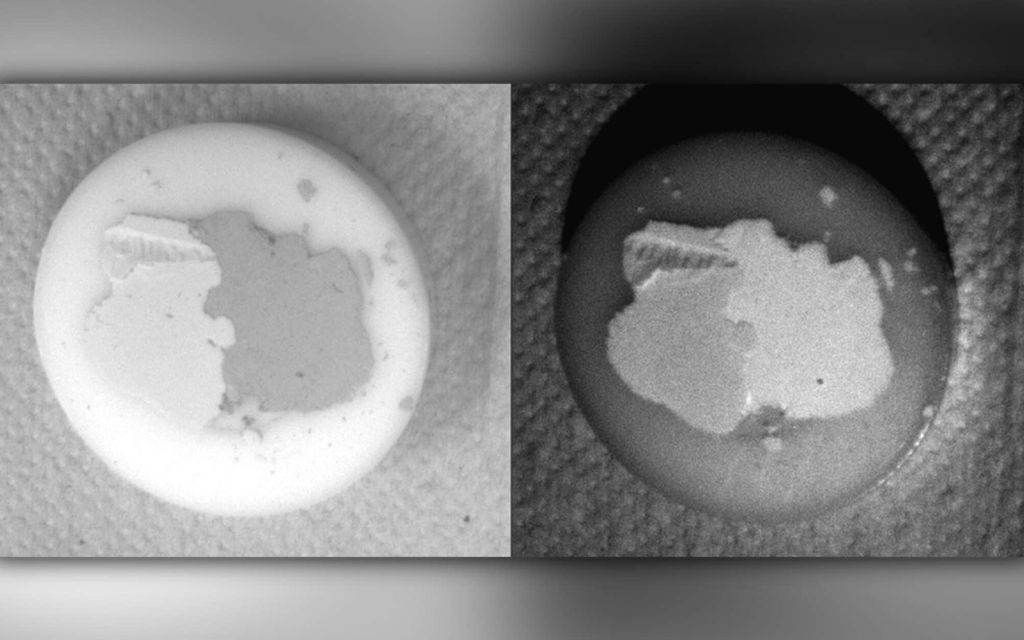
Opiskelijan löytö johti ennennäkemättömään keksintöön Turun yliopistossa
iltalehti · 3 days ago
How Eisbock Creates Complexity From Freezing
gdeltproject.org · 3 days ago
Halštatské děvčátko od Býčí skály. Historici představili objev na dobové veselici, přenesli se 2500 let zpátky Mimořádný archeologický objev v sobotu představují vědci v jeskyni Býčí skála v Moravském krasu. Jedná se o ostatky děvčátka s náušnicemi staré 2500 let – tedy z doby halštatské. Akce je součástí Setkání přátel halštatské kultury, které v Býčí skále pořádá Muzeum Blanenska.
irozhlas.cz · 3 days ago
A canoe glided slowly across the waters of Lake Togo, carrying the mystical Aklima tam-tam drum to a sacred wood to herald a momentous event: the 363rd unveiling of the sacred stone.
bluesky_AFP English · 3 days ago
Vijfduizend jaar oude ketting met 42 dierentanden ontdekt in Poolse grafheuvel Poolse archeologen hebben een bijzondere vondst gedaan in een grafheuvel vlakbij Wroclaw. In het vijfduizend jaar oude graf werd onder meer een ketting gevonden met 42 dierentanden. Volgens de onderzoekers wijzen de vondsten op de aanwezigheid van de Touwbekercultuur.
nu.nl · 3 days ago

Raras, mas muito letais. O que são as amebas? Imagem de teste de imunofluorescência para detetar a naegleria fowleri, um dos tipos mais letais de amebas
observador · 3 days ago

Mennyit ér egy „használt sárga csillag? Egy német aukciósház megpróbálta kideríteni, de óriási botrány lett belőle A német közvélemény és politika is felháborodott azon, hogy a Felzmann Aukciósház a holokauszt áldozatainak személyiségét érintő tárgyakat, emlékeket akart árverésre bocsátani. Az akció meghiúsult, a gyűjtemény darabjai méltó helyekre kerültek.
hvg.hu · 3 days ago
Researchers defend older age of key archaeological site in Chile Two groups of researchers are defending the view that the Monte Verde archaeological site in Chile was occupied by ancient hunter-gatherers about 14,500 years ago after another study indicated it was much younger — a debate with major implications for understanding the initial peopling of the Americas. This creek valley site, located in southern Chile […]
cyprus mail · 3 days ago
Na pergamentu srednjeveških rokopisov odkrili DNK-sledi smrtonosnega ovčjega virusa "Starodavni genomi nam lahko pomagajo razumeti, kako so se razvili ti patogeni, ki nas prizadenejo danes," pravi vodja raziskovalcev, ki so na pergamentu srednjeveških rokopisov odkrili DNK-sledi smrtonosnega virusa, povzročitelja ovčjih koz.
rtv slovenia · 3 days ago
Narvalové tři roky sbírali data o stavu moře u východního Grónska. Tamní vědci je teď vyhodnotili Vědci z grónského Ústavu přírodních zdrojů před časem vybavili šest narvalů satelitními vysílači. Tři roky je sledovali a teď vyhodnotili získaná data o stavu moře u východního Grónska. Kytovci, kterým se kvůli dlouhému klu říká mořští jednorožci, se jako výzkumníci osvědčili. Pohybovali se totiž v odlehlých a takřka neprobádaných oblastech.
irozhlas.cz · 3 days ago
De Florentiner-diamant is voor het eerst in honderd jaar weer te zien. Hoe in een Canadese kluis een Habsburgs familiegeheim verborgen lag Een diamant van de laatste keizer van Oostenrijk was lang spoorloos. Toen bleek dat hij in een Canadese kluis lag. Nu is de Florentiner te zien op een tentoonstelling in Québec.
nrc · 3 days ago
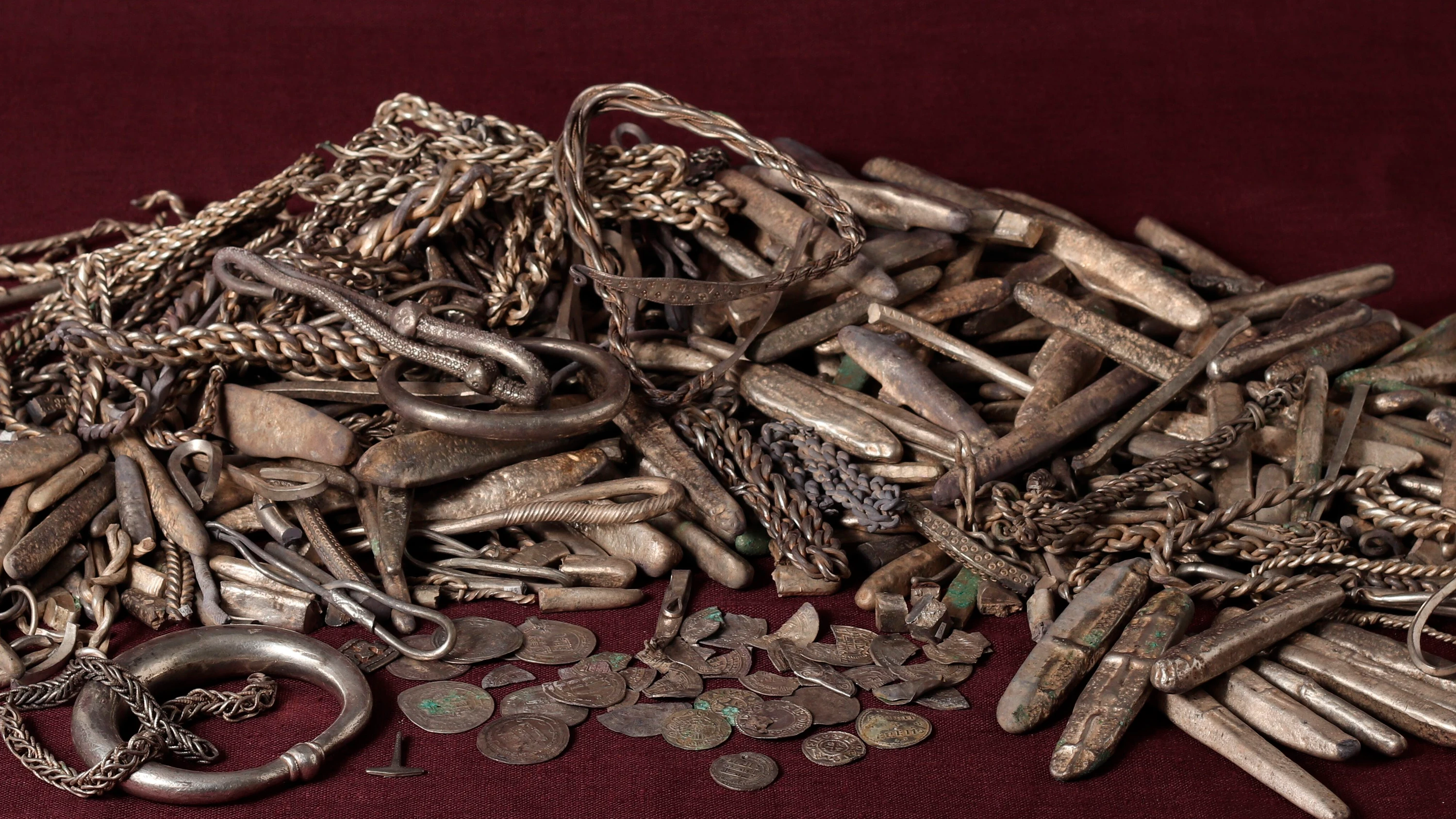
Silberhort Gefunden: Das Erbe der Wikinger Als er in seinem Garten eine Terrasse anlegen will, findet ein Däne in Nordjütland einen Schatz, der dort vor über tausend Jahren versteckt worden war. Er zeugt von Reichtum in einer unruhigen Epoche.
faz · 3 days ago
Virukset | Afrikkalainen sikaruttovirus eli pahkasioissa ja punkeissa ennen kuin iski kesysikoihin Afrikkalainen sikaruttovirus siirtyy punkista pahkasikaan, mutta kumpikaan ei sairastu. Kesysika sen sijaan saa viruksesta tappavan verenvuotokuumeen.
helsingin sanomat · 3 days ago
Suomalaisilta tutkijoilta uskomaton keksintö – Tätä et näe paljain silmin
iltalehti · 3 days ago
Fotografie: Bilder des Tages
die zeit · 3 days ago