
France records excess deaths as historic heatwave grips Europe
Story Timeline
2 months · 2 summary articles
France records excess deaths as historic heatwave grips Europe
France records around 1,000 excess deaths as record heatwave grips Europe
Follow-up
France has recorded 2,025 excess deaths in a single week as a historic heatwave grips Europe, with temperatures expected to peak early next week and authorities warning of a crisis comparable to the devastating 2003 heatwave. Health Minister Stephanie Rist announced the grim toll on Friday, revealing a 30% surge in fatalities between June 22 and June 28 compared to the previous week. The government has activated the ORSAN health emergency plan at its highest level, mobilizing hospitals and clinics to cope with the strain.
The heatwave, which began on Thursday, has forced schools, construction sites, and local authorities to adjust operations or close facilities entirely. Forecasters warn the episode could persist through much of next week, with temperatures in some regions approaching the extreme levels seen in August 2003, when an estimated 15,000 people died in France alone. The crisis has exposed vulnerabilities in the healthcare system, prompting calls for long-term adaptation measures.
Spain is also battling record-breaking temperatures, with the national weather service extending a special heatwave alert—the country’s second this summer—across nine regions. Orange warnings, indicating significant danger, are in effect in Andalucía, Extremadura, Castilla-La Mancha, Catalonia, Galicia, and Madrid, where highs are expected to reach 42°C. In Extremadura, the entire region is under orange alert, with temperatures hovering around 40°C, while Andalusia faces brutal conditions in the Guadalquivir valley, Sierra Morena, and parts of Córdoba and Seville.
The heatwave follows a pattern of increasingly frequent and severe episodes, with half of the 12 June heatwaves recorded since 1975 occurring since 2015. The first heatwave of this summer, which lasted much of June, was already linked to hundreds of deaths. Authorities are urging the public to avoid outdoor activities during peak heat, stay hydrated, and check on vulnerable groups, including the elderly and those with chronic illnesses.
Beyond land, Europe’s oceans are experiencing unprecedented warming, with the Atlantic and Mediterranean breaking temperature records. Carlo Buontempo, director of the Copernicus Climate Change Service, described the situation as potentially marking “the beginning of a new phase,” pushing conditions into uncharted territory. In the western Mediterranean, sea surface temperatures are up to 6°C above normal in areas like the Gulf of Lyon and the Ligurian Sea, with some zones nearing 30°C—levels typically seen in tropical waters.
The Netherlands has reported more than 3,500 excess deaths during the recent heatwave, according to provisional figures from the National Institute for Public Health and the Environment (RIVM). The crisis has intensified debates across Europe about preparedness, with Belgium’s climate minister, Jean-Luc Crucke, criticizing political inaction. “We are probably living through the coolest summer of the rest of our lives,” Crucke warned, urging immediate measures such as establishing cooling zones in all municipalities and accelerating building insulation and renewable energy adoption.
In France, the crisis has also highlighted social tensions, with the arrest of 14-year-old Hamza F., known as “El terror del Canal de Saint-Martin,” whose viral videos showed him harassing people and police with a water gun during the heatwave. His case has sparked debates about youth delinquency and civic responsibility, with critics questioning the state’s ability to address such behavior amid broader societal challenges.
As Europe grapples with the immediate dangers, scientists warn that such extreme heat events will become more frequent and intense. Athanasios Argyriou, a physics professor at the University of Patras, noted that Europe is warming twice as fast as the global average since the 1980s, increasing the risk of deadly heatwaves.
With forecasts indicating that the heatwave will persist into next week, governments are under pressure to implement both short-term relief measures and long-term strategies to mitigate the growing threat of extreme heat in a warming world.
Follow us for live European news
- 4
- 3
- 2
- 2
- 2
- 2
- 1
- 1
- 1
- 1
3 further sources not geolocated
Articles

Atlântico e Mediterrâneo também estão em onda de calor A foto do dia do sistema Copernicus de terça-feira: a temperatura da água do mar do Mediterrâneo e do Atlântico em valores recorde. Uma das culpadas disto tudo
observador · about 2 months ago

Planter un bananier dans son jardin en Belgique, est-ce possible avec le réchauffement climatique ? Avec le changement climatique, la question se pose de plus en plus chez les jardiniers. Mais que faut-il en penser ? ...
la libre · about 2 months ago

Abends Regen: Wochenende wird bewölkt mit milden Temperaturen Dichte Wolken und Regenschauer bestimmen das Wetter am Wochenende. Die Temperaturen liegen bei knapp über 20 Grad.
tagesspiegel · about 2 months ago
France records 2,025 excess deaths in one week due to heatwave France has recorded 2,025 excess deaths during the week of June 22-28, a 30 increase compared to previous weeks, Health Minister Stephanie Rist has announced. The extreme heatwave continues to strain the healthcare system, with temperatures expected to peak early next week.
yenisafak · about 2 months ago

Desmadre en el Canal de Saint-Martin de París por la ola de calor: "Nos sentimos totalmente desbordados", denuncian los socorristas El calor extremo que está azotando a París al inicio de este verano ha desatado una polémica ante las aglomeraciones, la falta de civismo y la delincuencia en las nuevas zonas de baño abiertas al público. Un adolescente que dispara agua se ha convertido en emblema del comportamiento anti-social Leer
elmundo · about 2 months ago
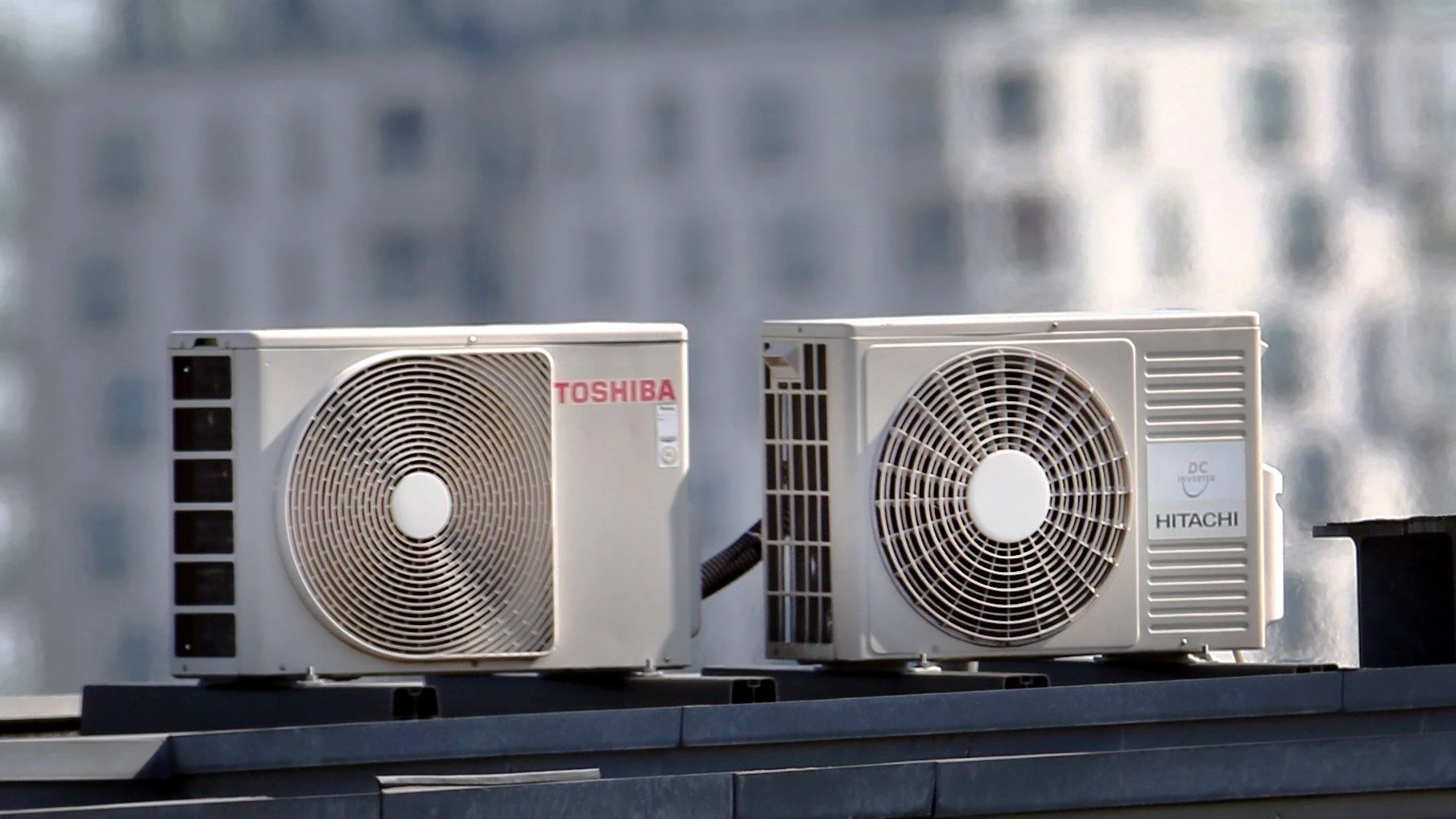
Ärger mit den Nachbarn: Wenn der Streit um die Klimaanlage eskaliert Wer eine Klimaanlage gegen die Sommerhitze einbauen will, stößt oft auf erbitterten Widerstand von Nachbarn, Vermietern oder Miteigentümern. Welche Regeln sind zu beachten?
faz · about 2 months ago
Urmează zile cu temperaturi sub normalul perioadei. ANM a actualizat prognoza meteo Vremea va continua să fie instabilă, iar ploi sunt prognozate în aproape toată țara, mai ales în a doua parte a săptămânii viitoare, în timp ce temperaturile vor fi chiar mai reci decât e normal perioadei din calendar, anunță meteorologii. Potrivit ANM, duminică valorile termice se vor situa în jurul mediilor specifice perioadei în cea …
hotnews.ro · about 2 months ago

Gilles Vanden Burre (Ecolo) : Sur le climat, Jean-Luc Crucke doit en faire beaucoup, beaucoup plus La récente vague de chaleur a tué en Belgique. Selon les premières analyses, elle aurait causé une surmortalité de 39 , soit 1 222 décès supplémentaires, entre le jeudi 18 juin et le lundi 29 juin. Depuis lopposition, Gilles Vanden Burre, coprésident dEcolo, appelle au réveil du monde politique face au réchauffement climatique. ...
la libre · about 2 months ago
Está aí uma onda de calor. Como nos podemos proteger? Com as temperaturas a aumentarem, sabe o que deves e não deves fazer.
publico · about 2 months ago
O Alentejo sempre foi uma região com muito calor, mas agora está muito pior Apesar das altas temperaturas os moradores das comunidades no interior de Mértola na margem esquerda do Guadiana têm água com fartura graças aos temporais de Janeiro e Fevereiro.
publico · about 2 months ago
CP cancela mais seis comboios Intercidades no sábado e domingo devido ao calor Decisão foi tomada numa altura em que se mantém a previsão de temperaturas excepcionalmente elevadas, com vista a mitigar os impactos da vaga de calor junto dos passageiros.
publico · about 2 months ago
Xinhua Headlines: Cool innovation: made-in-China appliances chill Europes heatwave
gdeltproject.org · about 2 months ago
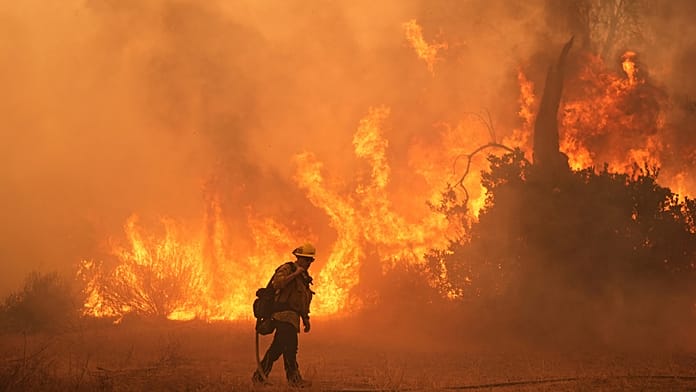
El Niño to strengthen rapidly and fuel extreme weather. When will Europe face its wrath? Forecasters warn that a strong El Niño is increasing the likelihood of extreme weather, but is Europe immune from its impact?
euronews · about 2 months ago
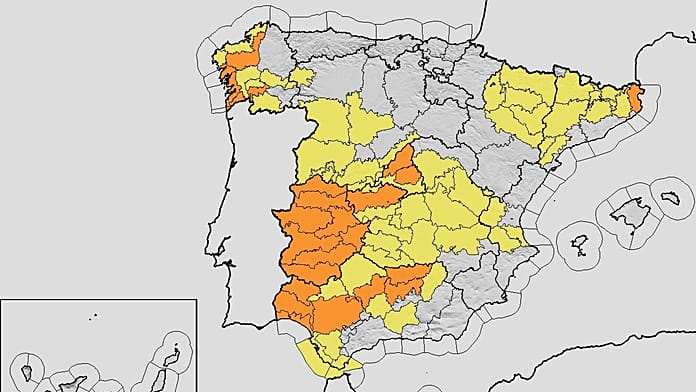
Spain hits 42C: nine regions on alert for extreme heat Spains weather service has extended a special heatwave alert, the summers second, with orange warnings and highs near 42°C in Andalucía, Extremadura and the Tagus valley this weekend.
euronews · about 2 months ago
Explicația pentru furtunile de o violență extremă cu care s-a confruntat România. „Trebuie să ne obișnuim încă de pe acum Trebuie să ne obișnuim încă de pe acum cu valurile de căldură urmate de furtuni puternice, a spus la Digi24 Roxana Bojariu, șefa departamentului de climatologi de la ANM. Ea a explicat că aceste fenomene, deși tipice anotimpului în care ne aflăm, sunt mult intensificate de încălzirea globală.
digi24 · about 2 months ago
Raport OCDE: Fenomenele meteo extreme și conflictele schimbă vacanțele. Cum se transformă turismul în 2026 Vacanțele vor arăta diferit în următorii ani, pe fondul valurilor de căldură, al conflictelor și al schimbării preferințelor de călătorie. Un raport al OCDE arată că destinațiile turistice se pregătesc pentru noi provocări prin introducerea unor măsuri de siguranță, limitarea fluxurilor de vizitatori și promovarea unui turism mai responsabil.
digi24 · about 2 months ago
HARTĂ Noi alerte de ploi și vânt puternic. Cum va fi vremea în zilele următoare. ANM: Un nou front atmosferic rece va traversa România Vremea continuă să fie capricioasă. ANM au emis pentru ziua de sâmbătă atenționări de tip cod galben de ploi și vânt puternic în mai multe zone ale țării. Meteorologul ANM Meda Andrei a explicat, pentru Digi24, cum va fi vremea în zilele următoare.
digi24 · about 2 months ago
Todays weather: Sunny at up to 39 degrees On Saturday, the weather will be overwhelmingly clear with temporary cloud cover in the higher mountains in the afternoon. Temperatures will range from 39 degrees Celsius inland, around 31 degrees in the southeast and on the east coast, 35 degrees on the north coast and around 30 degrees on the rest of the coast, as […]
cyprus mail · about 2 months ago
Noi alerte meteo. Vânt puternic pe litoral și în mai multe județe, până la noapte. Unde se anunță din nou furtuni Meteorologii au emis sâmbătă dimineață două alerte cod galben de intensificări ale vântului, respectiv de furtuni și vijelii, valabile în mai multe județe până diseară, la ora 23.00. Prima alertă cod galben de vânt puternic a intrat în vigoare de la ora 10.00 și este valabilă până la ora 23.00. În intervalul menționat, în sudul …
hotnews.ro · about 2 months ago
București, sub o nouă alertă de vreme severă. Temperaturile scad simțitor astăzi Municipiul București se află sub alertă cod galben de ploi torențiale și vijelii emisă de meteorologi, valabilă pe parcursul întregii zile. Alerta cod galben a intrat în vigoare de la ora 10.00 și este valabilă până diseară, la ora 20.00. În acest interval, sunt prognozate instabilitate atmosferică, averse torențiale însemnate cantitativ, intensificări ale vântului, vijelii, …
hotnews.ro · about 2 months ago
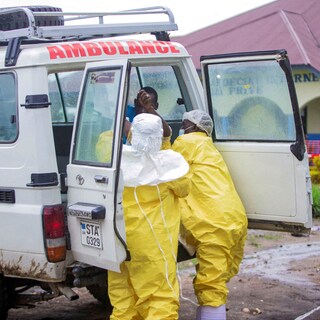
Aantal ebola-gevallen blijft maar stijgen, nu al ruim 1.500 besmettingen en 473 doden
de morgen · about 2 months ago
Meteorologii avertizează: furtuni și vijelii cu rafale de până la 70 km/h în mai multe județe Administrația Națională de Meteorologie (ANM) a emis sâmbătă, 4 iulie, o atenționare Cod galben de instabilitate atmosferică accentuată pentru mai multe județe din sudul țării, inclusiv pentru municipiul București. Avertizarea este valabilă până la ora 20:00.
adevarul · about 2 months ago

🌡️🔥 Extreme heat is killing more people every year around the globe. This GIJN guide suggests multiple angles for investigating extreme heat as a global phenomenon, with real examples from newsrooms worldwide. A must-read for climate journalists.
bluesky_GIJN · about 2 months ago
Schweizer Gewässer und Hitze – So warm sind die Schweizer Seen aktuell Nach der Hitzewelle mit Rekordtemperaturen im Juni sind die Seetemperaturen sehr hoch. Die Übersicht.
srf.ch · about 2 months ago

València ensayará un sistema de alerta meteorológica que avisará hasta 15 días antes La Agencia Espacial Española y la ESA seleccionan un proyecto piloto de la UPV y la València Innovation Capital que podrá prever inundaciones basado en datos satelitales, IA e hidrodinámica
la vanguardia · about 2 months ago

Una epidemia silenciada y una prevención que fracasó Cada semana, nuestro boletín ¡Salud! te trae las novedades de la actualidad sanitaria y científica que afectan a tu día a día Recibe el boletín - Te enviamos ¡Salud! todas las semanas si te suscribes de forma gratuita en este enlace Hola, ¿Qué tal? Espero que esta semana haya ido bien y que, con un poco de suerte, te pille ya de vacaciones. Hoy quiero empezar hablándote de algo que tal vez tengas en casa. La mayor sociedad de neumología del mundo ha publicado un informe en el que pide prohibir las encimeras de cuarzo. El motivo es la epidemia global y devastadora de silicosis que provoca la manipulación de piedra artificial con sílice cristalina. Si tienes una, no te preocupes. El peligro para la salud aparece durante su fabricación y manipulación, es decir, para miles de trabajadores jóvenes, para quienes, según el informe, las medidas de prevención propuestas por la industria y las administraciones públicas han fracasado estrepitosamente. De hecho, el trabajo, firmado por un equipo interdisciplinar de 24 expertos, es muy crítico con las tácticas de lobby del sector, que compara con las del amianto, y que han dejado a los operarios expuestos al polvo tóxico que sigue superando habitualmente los límites legales de seguridad. La Sociedad Torácica Americana (ATS) insta a países como España, cuya industria critica directamente, a seguir el ejemplo de Australia y California, que han optado por su prohibición. En España, todas las decisiones que se están tomando son insuficientes y vamos a la cola a la hora de atajar esta epidemia, lamenta el presidente de la Asociación de Afectados por Silicosis del Aglomerado de Cuarzo (ASAC), Fernando Arévalo. Esta organización está formada por extrabajadores de Cosentino que han llevado a la empresa a los tribunales por retrasar y ocultar su diagnóstico. El tema es muy interesante y, si las administraciones creen de verdad en la evidencia científica, va a dar mucho que hablar. Te recomiendo que te leas la información completa de mi compañero Antonio Martínez Ron, que ha hablado con muchos expertos. Receta rápida El psiquiatra Antonio Vallejo-Nájera. Una retirada. La de la Gran Cruz de la Orden Civil de Sanidad, que el franquismo había otorgado al psiquiatra Antonio Vallejo-Nájera (el de la foto), fallecido en 1960. Un reconocimiento que todavía conserva y que le será revocado en el próximo Consejo de Ministros. Ninguna democracia puede seguir homenajeando a quien disfrazó de ciencia sus teorías para justificar el odio, la represión y la desigualdad, ha dicho Pedro Sánchez, sobre el Mengele español, que defendía la existencia de un gen rojo que debía ser exterminado. Un debate. Surge cada cierto tiempo, en torno a la salud mental. ¿Estamos ante una epidemia o un espejismo? Una investigación, con datos de más de 3,7 millones de pacientes noruegos, señala que la inmensa mayoría de jóvenes que acuden al médico por malestar emocional son registrados con síntomas, pero no diagnosticados con trastornos clínicos. Esto sugiere dos cosas: que piden ayuda antes y que los profesionales sanitarios han cambiado la forma de registrar ese malestar —ya no hace falta tener un trastorno para que se deje constancia—. Aquí tienes más información sobre ese estudio. Una noticia de otro siglo. El Defensor del Pueblo ha solicitado a doce ayuntamientos de la Región de Murcia información sobre sus ordenanzas municipales. La petición surge tras una queja del sindicato UGT, que denuncia que estos municipios prohíben expresamente a personas con VIH acceder a trabajar como taxistas. Puede parecer insólito en 2026, pero las entidades vienen denunciando que algunas corporaciones no han adaptado sus ordenanzas a la evidencia científica: no supone ningún peligro que una persona con VIH conduzca el coche en el que viajas. Una placenta artificial para bebés prematuros extremos Cada año, cerca de 25.000 familias en toda Europa enfrentan el drama de un nacimiento prematuro extremo. Es aquel que se produce entre los seis meses o menos de gestación, en los que los recién nacidos se encuentran en un ambiente hostil que hace muy difícil que puedan salir adelante o tener una vida sin secuelas neurológicas. Un grupo de investigadores del BCNatal lleva años trabajando en un proyecto para crear una placenta artificial, que permita asistir a los bebés más prematuros. Esta semana han presentado la segunda fase del estudio, todavía en animales. En la primera, consiguieron una supervivencia de 12 días en buen estado fetal en un modelo ovino. Ahora lo han alargado hasta 21. Al proyecto le quedan todavía pasos muy importantes —recuerda que hace unas semanas te contaba que curar a un animal en un laboratorio no significa que ese tratamiento sirva para los humanos—, pero sí es esperanzador. Con esto me despido por hoy. Muchas gracias por llegar hasta aquí. Pasa muy buen fin de semana, cuidado con el calor que volverá a apretar y ¡salud!
eldiario.es · about 2 months ago
Canicule : EDF sadapte lentement aux effets du réchauffement climatique sur son parc nucléaire La mise à larrêt de trois réacteurs lors de la dernière vague de chaleur est un avertissement pour lexploitant nucléaire. Il va investir 8,7 milliards dici 2040 pour refroidir leau rejetée en aval de ses centrales, mais la hausse du thermomètre va plus vite.
liberation · about 2 months ago
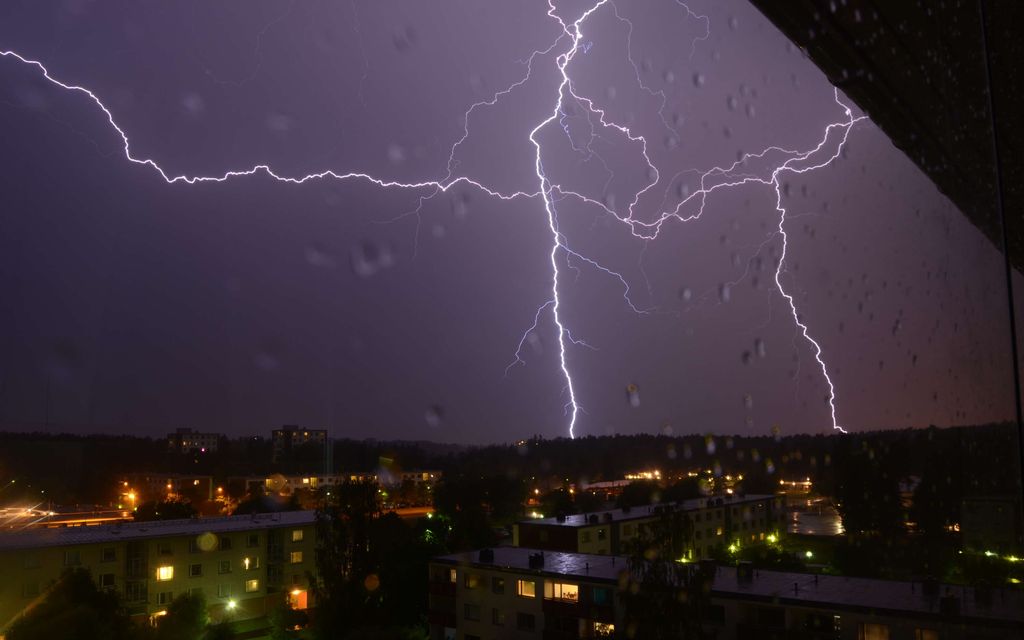
Yli tuhat salamaa ja ankarat rankkasateet piiskaavat nyt Suomea
iltalehti · about 2 months ago

Así cambia el calor la cesta de la compra España vive un nuevo episodio de altas temperaturas, una realidad que altera los hábitos de vida y también del consumo, por lo que en el supermercado llama la atención el desplazamiento claro de la cesta hacia productos más refrescantes y de consumo inmediato, con los helados, el agua y los refrescos a la cabeza. Leer
expansion · about 2 months ago

Canicule : pourquoi le climat sera encore un thème sacrifié de la présidentielle 2027
lexpress · about 2 months ago