
Defence Secretary John Healey resigns, accusing Starmer of failing to fund national security
Story Timeline
4 months · 3 summary articles
Starmer vows to fight Burnham leadership challenge as by-election fuels Labour power struggle
Andy Burnham pressures Keir Starmer to set resignation timetable
Defence Secretary John Healey resigns, accusing Starmer of failing to fund national security
British Defence Secretary John Healey resigned on Thursday, delivering a public broadside against Prime Minister Keir Starmer and deepening a crisis over military funding that threatens to destabilise the government. In a scathing letter posted on X, Healey accused Starmer of failing to provide the resources needed to defend the country, warning that the government’s Defence Investment Plan falls “well short of what is required for defence and the country at this dangerous time.” The resignation, which follows months of behind-the-scenes tension, immediately intensifies pressure on Starmer, who is already facing a potential leadership challenge and growing discontent within his own party.
Healey’s departure centres on a dispute over the scale and timing of defence spending. In his letter, he argued that the plan’s funding is “backloaded,” with the bulk of investment deferred until later years when operational pressures are most acute. By 2030, the plan would reach only 2.68% of GDP, below the 3% benchmark Healey has long advocated. “The excellent and exhaustive work intergovernmental work that concluded in January—supervised by you, me and the Chancellor—confirmed the magnitude of the challenge,” he wrote. “Since then, you have been unable, and the Treasury unwilling, to provide the resources the nation needs.” The letter’s reference to Chancellor Rachel Reeves underscores the depth of the rift, framing the dispute as a clash between fiscal restraint and national security imperatives.
The resignation comes as the UK faces mounting security challenges, including leading NATO’s Arctic Sentry mission, maintaining a presence in the Strait of Hormuz, and preparing for a potential deployment to Ukraine under the Paris Agreement. Healey, a vocal supporter of Ukraine, had been among the government’s most prominent advocates for increased military engagement. His departure risks undermining Britain’s credibility on the global stage and emboldening critics who argue Starmer’s government lacks a coherent defence strategy.
Starmer’s allies have sought to downplay the crisis, framing Healey’s resignation as a principled stand rather than a fatal blow. One government figure told *The Guardian* that the defence budget remains under review, but the optics of a high-profile resignation—especially one aired in such public terms—are undeniably damaging. The episode also highlights the broader tensions within Starmer’s Labour Party, where factions are increasingly divided between fiscal prudence and the demands of a rapidly shifting geopolitical landscape.
With Healey’s exit, Starmer must now navigate a treacherous political terrain, balancing the need for economic discipline with the urgent realities of global instability. The resignation underscores a fundamental question: whether a government committed to austerity can credibly claim to prioritise national security. For now, the crisis shows no signs of abating, and the coming weeks will determine whether Starmer can restore stability—or if this resignation is merely the first of many.
Follow us for live European news
- 4
- 2
- 2
- 2
- 1
- 1
- 1
- 1
- 1
- 1
- 1
- 1
3 further sources not geolocated
Articles

⚡️ UKs defense secretary resigns, says government unable to commit resources needed to defend country. U.K. Defense Secretary John Healey has been among the strongest advocates for Ukraine within the British government.
bluesky bot · 4 months ago

JUST IN - UK Defense Secretary, John Healey, resigns. Source: @disclosetv
telegram bot · 4 months ago
🇬🇧- UK Defense Secretary John Healey has resigned, submitting his resignation letter to Prime Minister Keir Starmer. In the letter, Healey cited the governments failure to provide sufficient defense funding, stating that the Defense Investment Plan settlement he received falls "well short of what is required for defense and the country at this dangerous time." ➡️ He expressed particular concern that the funding package is backloaded when operational pressures demand immediate investment and would only reach 2.68 of GDP by 2030 — below the 3 benchmark he argued Britain must commit to. ➡️ Healey highlighted the increasing demands on UK defense, including leading the multinational Strait of Hormuz military mission, NATOs Arctic Sentry mission in the High North, and a planned British deployment to Ukraine following a ceasefire under the Paris Agreement.
telegram bot · 4 months ago
Defence Secretary John Healey resigns over military spending Healey claimed he was being forced to make decisions that "could make our country less safe"
new statesman · 4 months ago
Briti kaitseminister John Healey astus ebapiisavate sõjaliste kulutuste tõttu ametist tagasi Ühendkuningriigi kaitseminister John Healey teatas peaminister Keir Starmerile saadetud kirjas ametist lahkumisest, põhjendades otsust ebapiisavate kaitsekulutustega.
postimees · 4 months ago
![El ministro de Defensa de Reino Unido dimite por la negativa de Starmer a aumentar más el gasto en defensa John Healy publica una carta de renuncia en la que afirma que no tenía "otra opción" que dejar el cargo ante las "crecientes amenazas" a la seguridad
El ministro de Defensa británico, John Healey, presentó este jueves su dimisión, en una decisión que tomó a todo el mundo por sorpresa.
Healey hizo pública una carta al primer ministro, Keir Starmer, en la que argumenta que no tenía otra opción por los desacuerdos entre ambos con respecto al Plan de Inversión de Defensa.
Esta nueva era para la defensa requería una mayor inversión a través del Plan de Inversión en Defensa (PID). El excelente y exhaustivo trabajo intergubernamental que concluyó en enero —supervisado por usted, yo y el ministro de Hacienda— confirmó la magnitud del desafío y las crecientes exigencias en materia de defensa. Desde entonces, usted no ha sido capaz, y el Tesoro no ha estado dispuesto, a destinar los recursos que la nación necesita para defenderse ante las crecientes amenazas, ha escrito el ministro en la misiva, que ha publicado en su cuenta en X. La mención al Tesoro implica un aldabonazo a la titular de Hacienda, Rachel Reeves.
El gasto militar del Reino Unido fue del 2,3, según las cifras de la OTAN para 2025, y lleva aumentando sin cesar desde 2016, tras una bajada en los años de la gran recesión. Para el ministro dimisionario, las previsiones de aumento son insuficientes.
El montante financiero del DIP [...] resulta insuficiente para la defensa y el país en este momento crítico. El apoyo adicional se concentra en los dos primeros años, cuando la presión operativa y la urgencia de acelerar la preparación para el combate se dan con mayor intensidad, y solo alcanza el 2,68 del PIB en 2030, cuando llegaremos al 2,6 el próximo año con la inversión que ya estamos realizando, justifica Healey en la carta.](https://static.eldiario.es/clip/8a1922ff-10b6-4f47-883c-9c0dbc05e828_16-9-discover-aspect-ratio_default_1145083.jpg)
El ministro de Defensa de Reino Unido dimite por la negativa de Starmer a aumentar más el gasto en defensa John Healy publica una carta de renuncia en la que afirma que no tenía "otra opción" que dejar el cargo ante las "crecientes amenazas" a la seguridad El ministro de Defensa británico, John Healey, presentó este jueves su dimisión, en una decisión que tomó a todo el mundo por sorpresa. Healey hizo pública una carta al primer ministro, Keir Starmer, en la que argumenta que no tenía otra opción por los desacuerdos entre ambos con respecto al Plan de Inversión de Defensa. Esta nueva era para la defensa requería una mayor inversión a través del Plan de Inversión en Defensa (PID). El excelente y exhaustivo trabajo intergubernamental que concluyó en enero —supervisado por usted, yo y el ministro de Hacienda— confirmó la magnitud del desafío y las crecientes exigencias en materia de defensa. Desde entonces, usted no ha sido capaz, y el Tesoro no ha estado dispuesto, a destinar los recursos que la nación necesita para defenderse ante las crecientes amenazas, ha escrito el ministro en la misiva, que ha publicado en su cuenta en X. La mención al Tesoro implica un aldabonazo a la titular de Hacienda, Rachel Reeves. El gasto militar del Reino Unido fue del 2,3, según las cifras de la OTAN para 2025, y lleva aumentando sin cesar desde 2016, tras una bajada en los años de la gran recesión. Para el ministro dimisionario, las previsiones de aumento son insuficientes. El montante financiero del DIP [...] resulta insuficiente para la defensa y el país en este momento crítico. El apoyo adicional se concentra en los dos primeros años, cuando la presión operativa y la urgencia de acelerar la preparación para el combate se dan con mayor intensidad, y solo alcanza el 2,68 del PIB en 2030, cuando llegaremos al 2,6 el próximo año con la inversión que ya estamos realizando, justifica Healey en la carta.
eldiario.es · 4 months ago
Regierungskrise in London: Britischer Verteidigungsminister tritt zurück Der britische Verteidigungsminister John Healey ist zurückgetreten. Healey begründete dies mit Keir Starmers Plänen für den Verteidigungsetat. mehr...
taz.de · 4 months ago
Großbritannien: Britischer Verteidigungsminister John Healey tritt zurück Im Streit um den Etat hat Großbritanniens Verteidigungsminister seinen Rücktritt eingereicht. Damit steigt der Druck auf den angeschlagenen Premierminister Keir Starmer.
die zeit · 4 months ago
Cutremur politic la Londra. Ministrul Apărării demisionează și îl atacă pe premierul Keir Starmer Ministrul britanic al Apărării, John Healey, și-a anunțat demisia, acuzându-l pe premierul Keir Starmer și Ministerul Finanțelor că refuză să aloce fondurile necesare pentru apărarea țării într-o perioadă marcată de amenințări tot mai mari.
adevarul · 4 months ago
John Healey: Britischer Verteidigungsminister tritt zurück In einem Brief an den britischen Premierminister erklärt John Healey seinen Rücktritt. Er beklagt, dass für sein Ressort nicht genügend Mittel zur Verfügung stünden.
faz · 4 months ago
Großbritannien: Verteidigungsminister Healey tritt zurück Grund für den Rücktritt ist ein Streit um den Verteidigungsetat. Healey erklärt Premierminister Starmer sei „außerstande gewesen, die Mittel bereitzustellen, die die Nation benötigt.
sueddeutsche · 4 months ago
John Healey resigns latest: Starmer ally says defence spending plan falls short at dangerous time in scathing letter
gdeltproject.org · 4 months ago

UK defence chief John Healey resigns amid feud with Starmer over military spending British Defence Minister John Healey quit on Thursday in a dispute over military spending, accusing Prime Minister Keir Starmer of failing to commit the government resources that are needed to defend the country. The unexpected resignation, accompanied with a scathing public letter, compounds the pressure on Starmer when he is facing a likely leadership challenge and exposes the crisis at the heart of government – how it can ramp up defence spending when there is no money to...
south china morning post · 4 months ago
John Healey: the ex-trade unionist who privately battled the Treasury Previously talked of as a potential caretaker prime minister, his efforts as defence secretary could not generate the spending increase the military wanted
financial times · 4 months ago
UK defence secretary resigns over spending plan John Healey says Keir Starmer unable and Treasury unwilling to provide essential budget
financial times · 4 months ago
Britains defence minister Healey quits over defence spending John Healey resignation deepens Starmers crisis as defence secretary quits over military spending dispute.
aljazeera · 4 months ago

John Healey resigns as defence secretary in disagreement with Starmer over spending – UK politics live PM unwilling to commit the resources that the nation needs for defence, says Healey, as he also takes aim at Rachel ReevesRyan Henderson, assistant chief constable for the Police Service of Northern Ireland, is about to hold a press conference about last nights rioting.Andy Burnham is facing criticism after saying that he thinks the Waspi women should be entitled to some compensation.Ill stick by the Waspi women because they deserve some recompense for the unfairness.One government figure decried Burnhams intervention as pathetic, adding: He cant say no to anyone.An ally of Sir Keir Starmer likened Burnhams economic agenda to that of hard-left former Labour leader Jeremy Corbyn, and argued that the mayors intervention would harm his chances of manoeuvring the prime minister out of Downing Street.Andy Burnhams continued support for Waspi women is both welcome and hugely refreshing. While some politicians have broken their promises, it takes real courage to speak out and say what millions of people across the country and hundreds of MPs from all parties already know - that 1950s-born women deserve justice.Andy has always recognised the unfair way in which state pension equalisation was introduced.As mayor of Greater Manchester, he supported Waspi women in the city-region with early access to concessionary travel, providing some recompense to them within affordability limits. Continue reading...
theguardian · 4 months ago
UK Defense Secretary John Healey quits with blast at Keir Starmer Its the latest blow for Britains embattled leader, who Healey accused of being unwilling to fund the countrys armed forces.
politico.eu · 4 months ago

U.K. Defense Secretary Resigns, in a Blow to Starmer John Healey unexpectedly announced his resignation on Thursday, saying Prime Minister Keir Starmer had failed to invest enough money in British defense.
new york times · 4 months ago
🚨 BREAKING: British Defense Secretary John Healey resigned from Keir Starmers beleaguered government today amid a long-running row over funding for the countrys armed forces. Full story: www.politico.eu/article/uk-d...
bluesky bot · 4 months ago
⚡️#NOW UK Defense Secretary John Healey quits, saying government spending plans fall short of what is needed at this time
telegram bot · 4 months ago
Ministrul britanic al apărării și-a dat demisia: „Dragă Keir, aceasta este o scrisoare pe care nu credeam să o scriu vreodată Ministrul britanic al apărării, John Healey, și-a dat demisia joi, pe fondul unei dispute privind cheltuielile militare, acuzându-l pe prim-ministrul Keir Starmer că nu a alocat resursele guvernamentale necesare pentru apărarea țării potrivit Reuters și scrisorii integrale publicate de The Guardian. „Dragă Keir, aceasta este o scrisoare pe care nu credeam să o scriu vreodată, …
hotnews.ro · 4 months ago

Le ministre de la Défense John Healey quitte le gouvernement britannique John Healey a annoncé sa démission dans une lettre publiée sur X. ...
la libre · 4 months ago
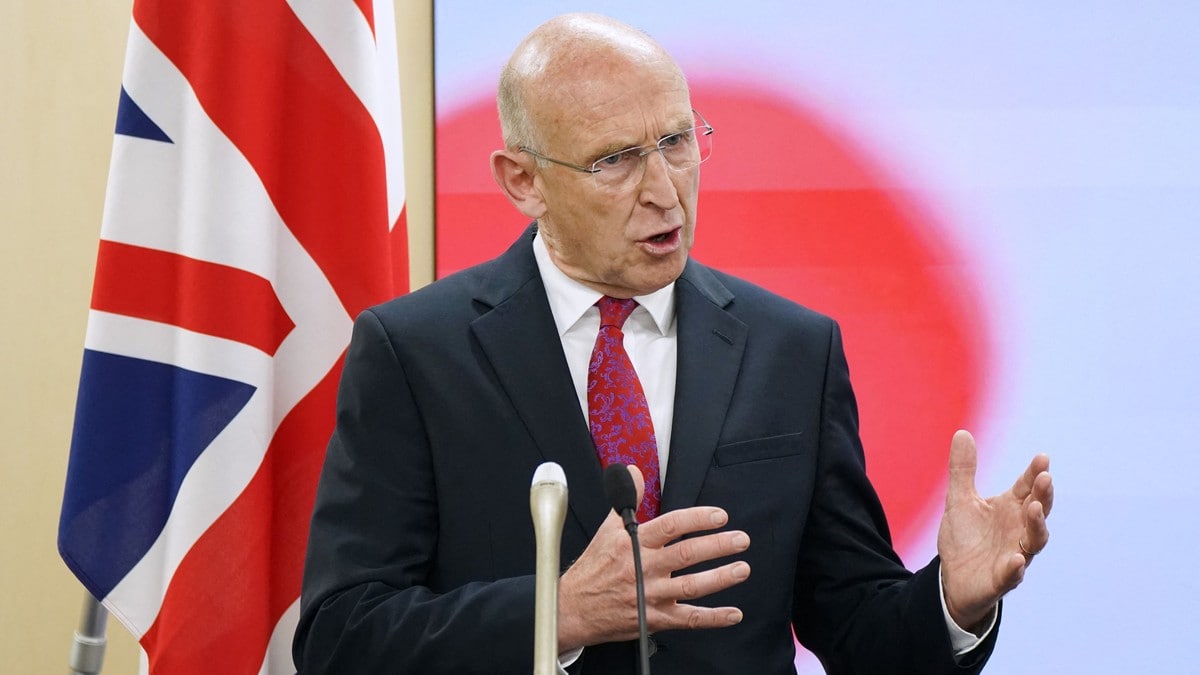
Storbritannias forsvarsminister går av Årsaken er uenigheter med landets statsminister Keir Starmer om investeringer i forsvaret. – Du har ikke klart, og finansdepartementet har ikke vært villig, til å avsette de ressursene nasjonen trenger for å forsvare landet i en tid med økende trusler, skriver forsvarsminister John Healey i sitt avskjedsbrev til Starmer torsdag. Han viser blant annet til kriger i Midtøsten og Ukraina, og trusselen fra Russland. Brevet er publisert i sin helhet på Healeys egen profil på X. Myndighetene har ennå ikke offentliggjort sin investeringsplan for det britiske forsvaret for de neste årene – en plan som allerede er over seks måneder forsinket. Årsaken er uenigheter om bevilgningene, ifølge Sky News, noe som har skapt stor frustrasjon i den britiske forsvarsindustrien. Healey er blant forsvarstoppene som har reist bekymring om manglende finansiering, og som mener at Storbritannia må øke forsvarsutgiftene til 3 prosent av BNP innen 2030. Starmer har selv tatt til orde for å styrke forsvaret og satse på økt europeisk samarbeid, men har slitt med å gjøre planene til virkelighet. Healey har vært forsvarsminister siden Starmer ble statsminister i 2024.
nrk · 4 months ago
Britse defensieminister stapt op vanwege onenigheid met Starmer over budget De Britse minister van Defensie John Healey stapt op, omdat hij het niet eens is met het budget dat de regering wil vrijmaken voor zijn ministerie. Volgens hem is het bedrag dat zijn ministerie de komende jaren krijgt niet voldoende.
nu.nl · 4 months ago