Loading…
 Saturday, September 26Saturday, September 26
3 months · 5 summary articles
U.S. Vice President J.D. Vance on Saturday declined to endorse Israeli Prime Minister Benjamin Netanyahu’s long-term regional ambitions, telling a London podcast that he could not “get inside somebody’s head” while also declaring that he did not trust the Israeli leader. Speaking on the *Diary of a CEO* podcast published on 20 June 2026, Vance was asked whether Israel, facing an International Criminal Court arrest warrant for Netanyahu, sought expanded influence under a “Greater Israel” concept. “I don’t know,” he said. “I can’t get inside somebody’s head.”
Pressed further on whether he trusted Netanyahu, Vance replied bluntly: “I don’t trust anybody.” The remarks, delivered during a high-profile media appearance, underscore the cautious and transactional nature of U.S.-Israel relations under the current administration. Vance also sought to delineate policy criticism from antisemitism, stating that opposition to Netanyahu’s government did not automatically constitute bigotry. “The U.S. and Israel are partners but do not always share aligned interests,” he said, adding that “criticising Israeli Prime Minister Benjamin Netanyahu’s policies does not automatically equate to antisemitism.”
The comments come as Vance takes a more public-facing role in Middle East diplomacy, a gambit some allies describe as the “best among poor options” for the vice president amid stalled regional negotiations. While Vance’s remarks on trust and Netanyahu’s intentions are likely to fuel speculation about the depth of U.S.-Israel ties, his insistence that policy disputes need not be antisemitic signals an attempt to balance strategic partnership with domestic political realities. The timing—amid ongoing ICC scrutiny of Netanyahu and heightened regional tensions—lends the vice president’s words particular weight.
Analysts note that Vance’s refusal to endorse any territorial vision for Israel, combined with his blanket distrust of foreign leaders, reflects a broader skepticism toward expansive geopolitical commitments. Yet his willingness to engage publicly on Iran-related negotiations suggests a pragmatic, if reluctant, acceptance of a more visible diplomatic role. Whether this approach stabilises U.S. influence in the region or further complicates already fraught alliances remains to be seen.
Follow us for live European news
1 further source not geolocated

Vance on Netanyahus ambitions During an appearance on the Diary of a CEO podcast, U.S. Vice President J.D. Vance was asked about ICC-wanted war criminal Netanyahus long-term regional objectives, including claims by some analysts that Israel seeks expanded influence under the concept of a Greater Israel.Vance replied: I dont know. I cant get inside somebodys head.
yenisafak · 3 months ago
I dont trust anybody During an appearance on the Diary of a CEO podcast, U.S. Vice President J.D. Vance was asked whether he trusted Israel and Netanyahu. He replied: I dont trust anybody.
yenisafak · 3 months ago
Vance: Criticism of Israel not always antisemitism Vice President JD Vance stated that criticising Israeli Prime Minister Benjamin Netanyahus policies does not automatically equate to antisemitism. He said the US and Israel are partners but do not always share aligned interests, and that opposition to Israeli government policies can be expressed without bigotry.
yenisafak · 3 months ago
Vance makes a political gamble with public-facing Iran role Some of Vances outside allies describe the role he is taking with the peace agreement as the best among poor options for the vice president.
politico.eu · 3 months ago
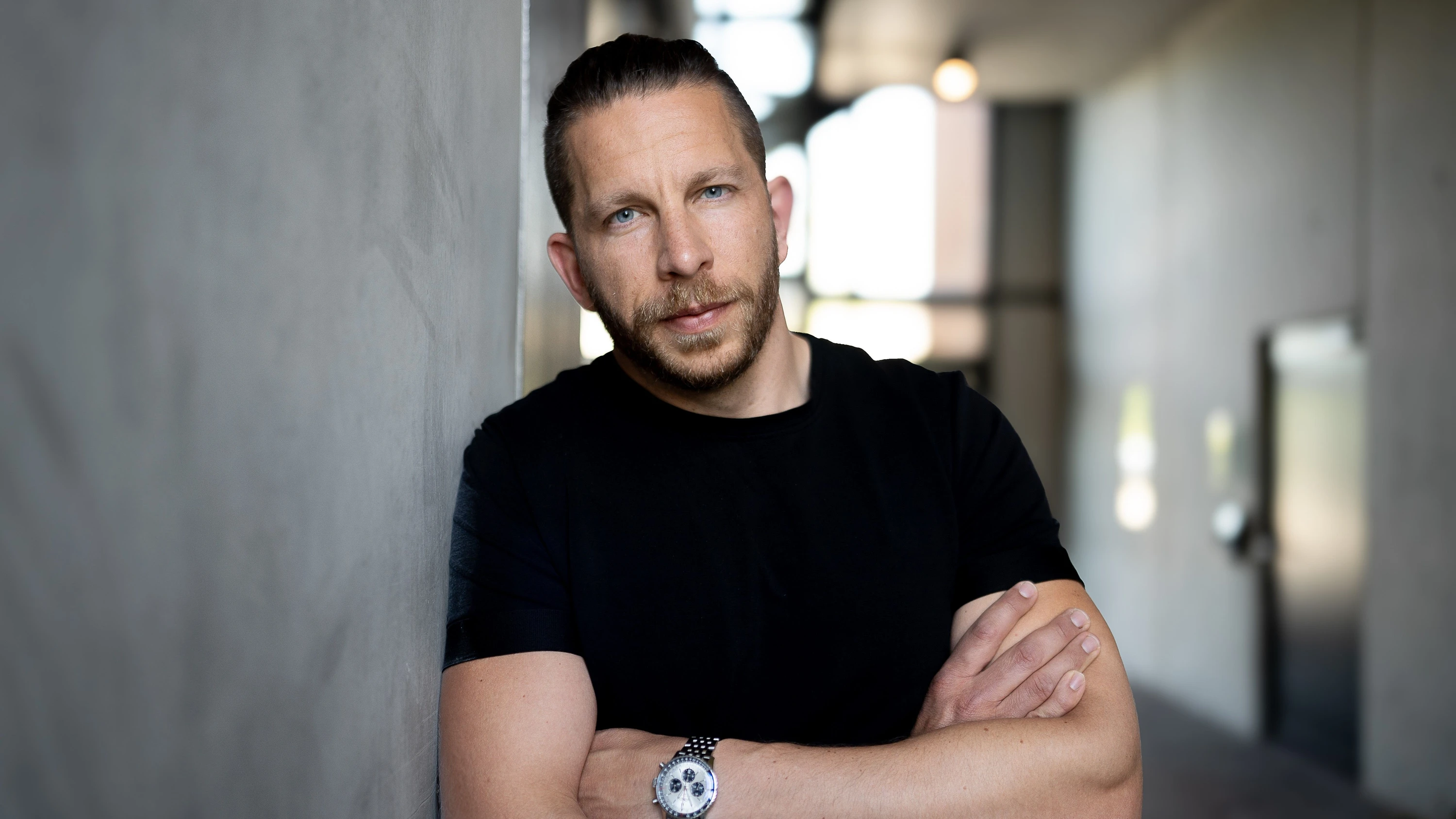
Podcaster „ungeskriptet: Wer ist dieser Benjamin Berndt? Mit seinem langen Gespräch mit dem AfD-Mann Björn Höcke hat der Podcaster Benjamin Berndt Furore gemacht. Ist er darauf aus? Krawall, Polarisierung, hat er eine politische Agenda? Bei einem Treffen in Köln fragen wir ihn.
faz · 3 months ago
Ο ιδρυτής του ελληνικού κλαμπ των Hells Angels για μία συζήτηση στο τελευταίο επεισόδιο της «Αυτοψίας» Την Κυριακή 21 Ιουνίου στις 23:45 με τον Αντώνη Σρόιτερ
protothema · 3 months ago
Barbarezs Major Interview: Countless times, looking in the mirror, I asked myself: Is that really me? Sergej Barbarez, the head coach of the Bosnia and Herzegovina national team, gave a major interview to Transfermarkt, in which he openly spoke about his risky work, impressions after qualifying for the World Cup, emotions, pride, and his relationship with Edin Džeko and Haris Tabaković. Transfermarkt: What was going through your head when the last penalty […] The post Barbarezs Major Interview: Countless times, looking in the mirror, I asked myself: Is that really me? appeared first on Sarajevo Times.
sarajevo times · 3 months ago

Lukas Rietzschel im Interview: „Die Ostdeutschen übersehen, dass sie auch ‚Wessis sind Fast 40 Jahre nach der Wende wird noch immer über die unsichtbare Mauer zwischen Ost und West diskutiert. Ein Gespräch mit Lukas Rietzschel über Deutungshoheiten der DDR und darüber, warum der Osten trotz der Erfolge der AfD kein Demokratiedefizit hat.
faz · 3 months ago