Loading…
 Saturday, September 26Saturday, September 26
4 months · 12 summary articles
Russian drones attacked two vessels in the Black Sea on Friday, killing one crew member and injuring several others, according to Ukrainian Deputy Prime Minister for Reconstruction Oleksii Kuleba. This incident marks a significant escalation in the ongoing conflict between Russia and Ukraine.
The attack on the vessels comes as Russia has pledged to carry out frequent and "massive group strikes" against Ukraine, following a large drone attack by Kyiv on Moscow. The Russian threat of escalation underscores the increasing intensity of the conflict, which has seen a series of retaliatory strikes from both sides.
Ukrainian air defenses have been active, intercepting 79 out of 90 drones launched by Russia in a recent attack. The ongoing assault has resulted in confirmed strikes, highlighting the continued pressure on Ukrainian defenses.
In addition to the naval attack, Russian strikes have caused damage on the ground. In Kharkiv, over 40 homes were damaged, and six people were injured. In Kherson, a minibus was attacked, wounding four individuals. These incidents are part of a broader pattern of Russian strikes across Ukraine, which have resulted in civilian casualties and significant damage to infrastructure.
The conflict has also had international repercussions. Drones from both Russia and Ukraine have entered NATO airspace, prompting the alliance to expedite the construction of a "drone wall" to protect its airspace. This development highlights the growing concern among NATO members about the potential for the conflict to spill over into their territories.
Meanwhile, Ukrainian drones have been systematically targeting Russian oil refineries, creating a fuel crisis across Russia. Ordinary car owners are bearing the brunt of this crisis, but the entire economy is suffering, according to experts. This strategy aims to disrupt Russia's war efforts by targeting its energy infrastructure.
Russian Foreign Minister Sergei Lavrov has warned of catastrophic consequences, including the possibility of nuclear strikes, following Ukrainian attacks on Russian oil refineries. This rhetoric underscores the high stakes of the conflict and the potential for further escalation.
As the conflict continues, the international community remains divided. Hungarian Prime Minister Viktor Orbán called for a ceasefire while in China, but his appeal was overshadowed by the ongoing violence. The situation on the ground remains fluid, with both sides showing no signs of backing down.
In Sumy Oblast, Russian attacks have left two people dead and two injured over the past day. These incidents are part of a broader pattern of Russian strikes across Ukraine, which have resulted in civilian casualties and significant damage to infrastructure.
The conflict has also had international repercussions. Drones from both Russia and Ukraine have entered NATO airspace, prompting the alliance to expedite the construction of a "drone wall" to protect its airspace. This development highlights the growing concern among NATO members about the potential for the conflict to spill over into their territories.
Meanwhile, Ukrainian drones have been systematically targeting Russian oil refineries, creating a fuel crisis across Russia. Ordinary car owners are bearing the brunt of this crisis, but the entire economy is suffering, according to experts. This strategy aims to disrupt Russia's war efforts by targeting its energy infrastructure.
Russian Foreign Minister Sergei Lavrov has warned of catastrophic consequences, including the possibility of nuclear strikes, following Ukrainian attacks on Russian oil refineries. This rhetoric underscores the high stakes of the conflict and the potential for further escalation.
As the conflict continues, the international community remains divided. Hungarian Prime Minister Viktor Orbán called for a ceasefire while in China, but his appeal was overshadowed by the ongoing violence. The situation on the ground remains fluid, with both sides showing no signs of backing down.
Follow us for live European news

Russia loses 1,370 soldiers and 58 artillery systems over past day Ukraines General Staff has updated data on Russian losses: Russia lost 1,370 soldiers killed and wounded over the past day.
ukrpravda · 3 months ago
Russian attacks kill woman and injure two others in Sumy Oblast Russian strikes across Sumy Oblast over the past day left two people dead and two injured.
ukrpravda · 3 months ago
Russian attack on Kharkiv damages more than 40 houses, nine people injured – photos, video A Russian guided bomb strike on Kharkivs Kholodnohirskyi district overnight left nine people injured and damaged more than 40 houses and a warehouse.
ukrpravda · 3 months ago
Almost 250 combat clashes on battlefield in Ukraine: 80 Russian attacks repelled on Pokrovsk and two other fronts A total of 248 combat clashes have occurred on the battlefield over the past day, with the most intense fighting on the Pokrovsk, Kostiantynivka and Huliaipole fronts, where the Russians conducted more than 80 attacks in total.
ukrpravda · 3 months ago
Four people injured as Russian drone hits fixed-route minibus in Kherson A Russian drone struck a minibus in Khersons Korabelnyi district, injuring at least four people who were taken to hospital.
ukrpravda · 3 months ago
Ukrainian air defence downs 79 out of 90 drones used by Russia in attack on Ukraine Russia has launched 90 drones from the evening of 18 June, with 79 intercepted by Ukrainian air defence forces. The attack is ongoing, with confirmed strikes.
ukrpravda · 3 months ago
Ukrainian foreign minister: Putin made a historic mistake Ukrainian Foreign Minister Andrii Sybiha has stressed that Ukraine is carrying out long-range strikes against Russia using domestically produced weapons and has once again called on Kremlin leader Vladimir Putin to end the war.
ukrpravda · 3 months ago
Locuitorii Moscovei se plâng că a căzut o „ploaie neagră după ce rafinăria de petrol de lângă oraș a fost lovită de dronele ucrainene Locuitorii Moscovei, în special cei din zona de sud-est a metropolei, unde a avut loc atacul cu drone ucrainene asupra unei mari rafinării din apropierea capitalei Rusiei, s-au plâns că exploziile au fost urmate de o „ploaie cu picături de petrol care le-au pătat hainele. Autoritățile au negat că ar fi vorba de o „ploaie de petrol, dar le-au recomandat persoanelor vulnerabile să părăsească de urgență zona, potrivit BBC.
digi24 · 3 months ago
Inspirați de Ucraina și îngrijorați de China. Taiwanezii învață să piloteze drone: „Nu sunt soldat, dar vreau să pot să ajut Într-o cameră mică și aglomerată din Taipei, Pan Chien-chin încearcă să mențină o dronă în planare constantă. Imaginându-și că pilotează un avion, apasă ușor joystick-urile controlerului pentru a ghida dispozitivul asemănător unei insecte în timp ce zumzăie prin aer. Se aud urale în timp ce Pan, care nu mai pilotase niciodată o dronă, o ghidează pe un traseu dreptunghiular marcat de conuri de trafic fără a se prăbuși. În jurul lui sunt în jur de 25 de alți cursanți, toți înscriși la aceeași lecție: primul program de instruire pentru drone în domeniul apărării civile din Taiwan.
digi24 · 3 months ago
Atac dur al lui Serghei Lavrov la adresa liderilor europeni „Obiectivul lor real nu este pacea, ci menținerea regimului Zelenski Obiectivul real al liderilor europeni nu este să negocieze cu Rusia, ci să salveze regimul lui Volodimir Zelenski din Ucraina, a declarat ministrul rus de Externe, Serghei Lavrov, conform TASS. Rusia susţine propunerile preşedintelui american Donald Trump de a pune capăt războiului din Ucraina, a adăugat Lavrov.
digi24 · 3 months ago
„Ucraina are acum cărțile în mână. Evaluare surprinzătoare a unui oficial american: „Rusia nu mai este doar blocată, începe să piardă Rusia nu mai este doar blocată în Ucraina. Începe să piardă. Aceasta este evaluarea lui Daniel Fried, fost secretar de stat adjunct al SUA pentru afaceri europene și eurasiatice și fost ambasador al SUA în Polonia. Într-un interviu acordat Kyiv Post, Fried a afirmat că o campanie tot mai extinsă a Ucrainei cu drone de atac la distanță a schimbat logica militară și politică a războiului - și a forțat Washingtonul să-și reconsidere vechile ipoteze privind șansele Kievului.
digi24 · 3 months ago
Rusia a lovit două nave civile în Marea Neagră, anunță Kievul: un marinar a murit, doi au fost răniți Oleksii Kuleba, viceprim-ministrul pentru Reconstrucția Ucrainei și ministru al Dezvoltării a anunțat că Rusia a atacat cu drone două nave în Marea Neagră, omorând un membru al echipajului și rănindu-i pe alți doi.
digi24 · 3 months ago
O fabrică care produce drone pentru Ucraina a fost atacată cu cocktailuri Molotov în Franța Fabrica companiei franceze Delair, situată în apropierea orașului Toulouse, în sud-vestul Franței, a fost atacată cu cocktailuri Molotov, au declarat pentru ziarul Le Parisien surse bine informate. Întreprinderea este considerată una dintre cele mai importante din țară în domeniul producției de drone civile și militare. După izbucnirea războiului pe scară largă în Ucraina, Delair a început să furnizeze echipamentele sale către Kiev.
digi24 · 3 months ago
Este relația China–UE o extensie a rivalității sino-americane? China la zi În materialul de astăzi „China la zi, vă prezentăm continuarea traducerii în limba română a unei analize semnate de Song Luzhen (宋鲁郑), cercetător în cadrul Institutului de Studii Chineze al Universității Fudan.
adevarul · 3 months ago
Român condamnat în Rusia la 15 ani de închisoare pentru spionaj în favoarea Ucrainei Adrian-David Kerch, un cetățean român în vârstă de 23 de ani, a fost condamnat în Rusia la 15 ani de închisoare într-o colonie cu regim strict, după ce a fost găsit vinovat de spionaj în favoarea Ucrainei.
adevarul · 3 months ago
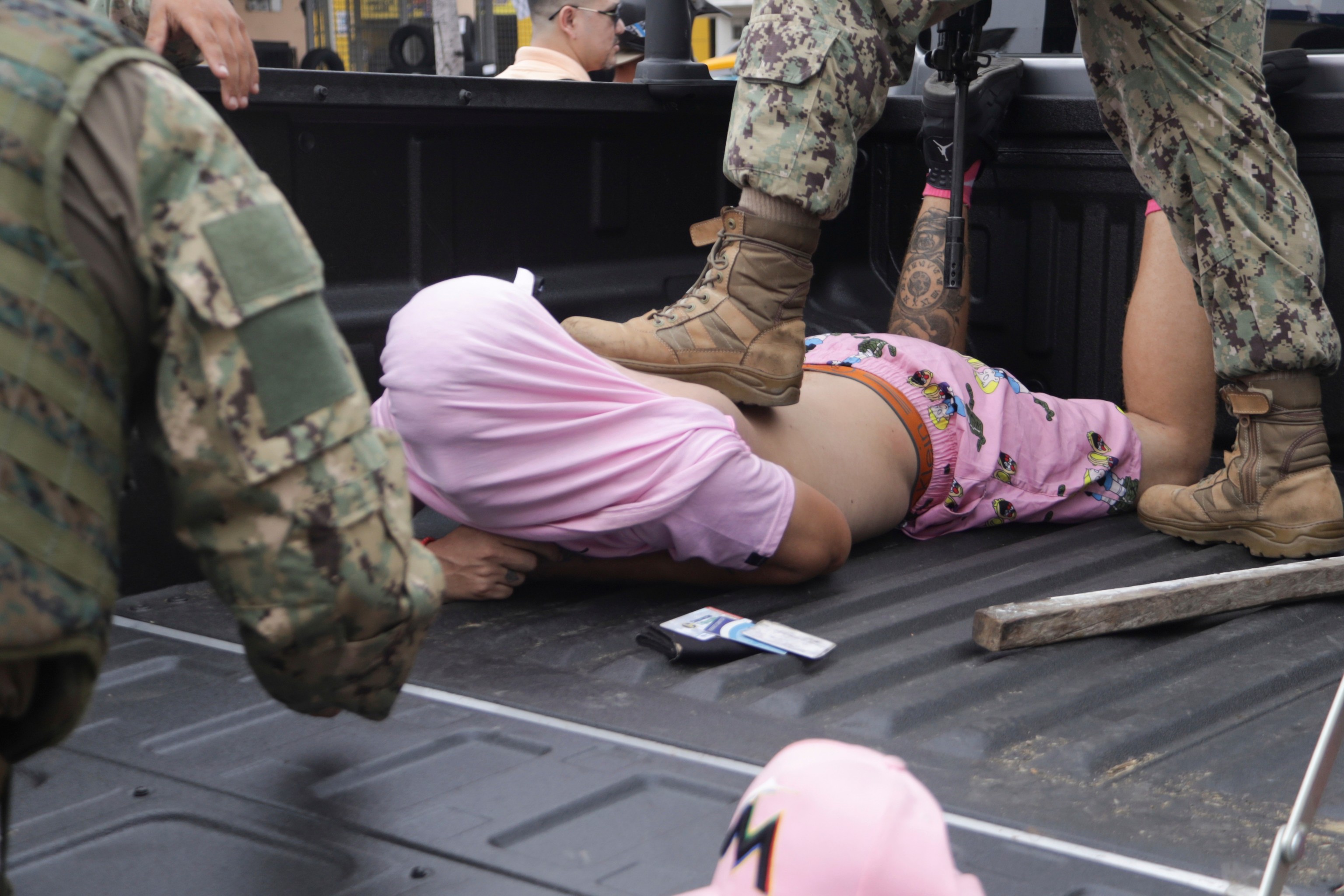
La violencia sigue desatada en Ecuador: dos sicarios de 15 y 16 años asesinan al líder de una banda criminal en el aeropuerto y Noboa despliega 13.000 militares Guayaquil es una de las ciudades que desde este miércoles están bajo un nuevo estado de excepción decretado por el presidente ecuatoriano en diez provincias y tres municipios por el alto nivel de criminalidad y violencia Leer
elmundo · 3 months ago
Guerra Ucraina – Russia, news di oggi. Lavrov contro la Ue: Si preparano alla guerra entro il 2030 Dai rappresentanti dei 27 condanna unanime agli attacchi di Mosca contro i siti Unesco della capitale. Si prova a aprire un canale con Kiev, per molti Costa è il rappresentante naturale. Zelensky chiede missili, armi e carburante in vista dellinverno
corriere · 3 months ago
Russian missiles hit Ukraine as Viktor Orbán called for a ceasefire in China
gdeltproject.org · 3 months ago
Experts: Russias fuel crisis keeps getting worse Ukrainian drones are systematically attacking Russian oil refineries, creating a shortage of motor fuel across Russia. Ordinary car owners are bearing the brunt of the crisis, but ultimately the entire economy is suffering.
news.err · 3 months ago
Russia threatens escalation after Ukraine hits Moscow with largest-ever drone attack Russia has pledged to carry out frequent and "massive group strikes" against Ukraine shortly after Kyiv launched a barrage of drones on Moscow.
cnbc · 3 months ago
Russian drones attack two vessels in the Black Sea, killing crew one member and injuring others Ukrainian Deputy Prime Minister for Reconstruction Oleksii Kuleba said Russian drones had attacked two vessels in the Black Sea, resulting in one crew member killed and several injured.
ukrpravda · 3 months ago
Child killed and two people injured in Russian strike on Pavlohrad A Russian attack on Pavlohrad killed a young girl, injured two and destroyed houses in Dnipropetrovsk Oblast.
ukrpravda · 3 months ago
Șeful celei mai mari companii petroliere din Rusia despre criza de combustibil: „Situația nu este ușoară / Cine are garantată aprovizionarea Situația de pe piața combustibililor din Rusia nu este ușoară, a spus vineri Igor Sechin, directorul general al celei mai mari companii petroliere din țară, Rosneft, potrivit agenției de știri de stat RIA, preluată de Reuters. Declarația a venit la o zi după un mare atac ucrainean cu drone asupra unei rafinării din Moscova, lovită …
hotnews.ro · 3 months ago
Rusia a atacat două nave civile în Marea Neagră: un marinar a murit, iar alți doi au fost răniți Un marinar și-a pierdut viața, iar alți doi au fost răniți după ce două nave aflate în Marea Neagră au fost lovite într-un atac atribuit Rusiei. Autoritățile ucrainene susțin că țintele au fost nave civile care tranzitau zona.
adevarul · 3 months ago
Opinion: The future of the China-US-Russia triangle after Pelosis visit to Taiwan Since February 24, 2022, the international communitys focus was concentrated entirely on the war in Ukraine and the growing Russia – West confrontation. It seemed that nothing could change the situation until the end of hostilities in Ukraine. However, on August 2 and 3, almost everyones attention shifted from Ukraine to Taiwan. As the Speaker of the US House of Representatives, Nancy Pelosi, stated her intention to visit Taiwan, up to half a million people were watching the trajectory of her plane on air flight tracking sites. The negative reaction of China, including the warning of President Xi during his conversation with President Biden that those who played with fire would be perished by it, created hype around this visit. Many were discussing the possibility of Chinese military jets closing the airspace over Taiwan and preventing Pelosis plane from landing in Taiwan, while some enthusiasts were even contemplating the possibility of a US-China direct military clash. As Pelosi landed in Taiwan and met with the Taiwanese President, the global social media was full of amateur assessments about the strategic victory of the US and the confirmation of the US global hegemony. However, as the dust settles down, and information noise and manipulation eventually decreases, a more serious assessment is needed to understand the real consequences of this visit.
commonspace · 3 months ago
Ukraine-Russia war latest: Three dead in Russian strikes as Putin warns of massive retaliation for refinery attack
gdeltproject.org · 3 months ago

Power outages in six Ukrainian regions following Russian strikesNew power outages have been recorded this morning in six oblasts of Ukraine as a result of a large-scale Russian strike. #ukraine
mastodon bot · 3 months ago
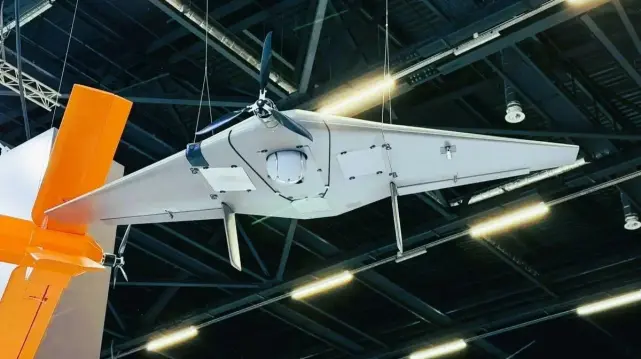
📰 Russians unveil upgraded Supercam reconnaissance drone with camera to evade interceptors🔗 #RussianInvasion #RussianWar #Ukraine
mastodon bot · 3 months ago

📰 Russians attack minibus in Kherson, wound 4🔗 #RussianInvasion #RussianWar #Ukraine
mastodon bot · 3 months ago
Propagandiști pro-Kremlin cer pedepse cu închisoarea pentru rușii care au filmat atacul cu drone asupra Moscovei Doi dintre cei mai cunoscuți propagandiști pro-Kremlin au cerut arestarea și anchetarea locuitorilor din Moscova care au filmat și distribuit imagini cu recentul atac ucrainean cu drone asupra capitalei ruse.
adevarul · 3 months ago