Loading…
 Wednesday, August 26Wednesday, August 26
6 days · 3 summary articles
European gas prices double this year as Hormuz closure fears fuel winter supply crunch
Europe may need gas prices above 100 to secure winter LNG amid Middle East disruptions: Goldman Sachs
EU gas storage at 62% as winter target slips amid Hormuz closure and price surge
European natural gas prices surged on Tuesday, with the benchmark Dutch front-month TTF contract trading above €66 per megawatt-hour, down from over €68 earlier in the session but more than double the €29/MWh level at the start of the year. The rally was driven by investor concerns that the Strait of Hormuz could remain closed into winter, disrupting a route carrying nearly one-fifth of global LNG trade, according to a report by Yahoo Finance .
EU gas storage levels stood at 62.99% full at the end of the gas day on Aug. 24, far below the five-year average of 79%, according to Gas Infrastructure Europe data. Natasha Fielding, editorial manager for gas, LNG, coal and biomass at Argus Media, told Euronews Business that the only comparable period in the past 15 years was 2021, ahead of the last major gas crisis. Germany’s stores were 51% full, while the Netherlands’ were at 44.3%.
Goldman Sachs analysts Samantha Dart and Laura Cyr warned in a note cited by Bloomberg that current prices “will not be enough for Europe to manage storage through winter.” In a scenario where Middle East energy exports normalize only gradually through 2027, they estimated December 2026 TTF prices could exceed €100/MWh, 110% above their €50/MWh base case.
Oxford Economics noted in an Aug. 13 report that EU gas consumption is 15%-20% lower than in 2021, allowing the bloc to operate with lower storage levels but increasing reliance on winter LNG imports. The think tank added that the EU might be forced to suspend parts of its ban on Russian gas imports if supplies tightened further.
The competition for LNG cargoes has intensified due to the effective closure of the Strait of Hormuz, pitting Europe against Asian buyers. Analysts said a potential bidding war could push wholesale prices higher, compounding pressure on consumer bills this winter if elevated wholesale prices persist long enough to feed through to retail markets.
Follow us for live European news
6 further sources not geolocated

Latest news bulletin | August 26th, 2026 – Morning Catch up with the most important stories from around Europe and beyond this August 26th, 2026 - latest news, breaking news, World, Business, Entertainment, Politics, Culture, Travel.
euronews · about 2 hours ago

KERT VALDARU ⟩ Kas Eesti rändepoliitikat saab enam konservatiivseks pidada? Lugedes Põhimõtte Koja raportit «Eesti sisserändepoliitika pikaajalised mõjud», tabas mind kurblik déjà vu. Aasta oli 2011, kui kirjutasin Delfis, et vananeva ühiskonna heaolu söövad üha kasvavad pensioni-, ravi- ja sotsiaalkulud. Üht lihtsat lahendust sellele pole, kuid kõigi võimalike lahenduste eeldus on, et Euroopa rahvastik suudaks lõpuks ennast ise taastoota ehk peres peaks olema vähemalt kolm last. Kui me ise ei suuda järelkasvu luua, siis loovad selle teised koos oma väärtuste ja tavadega, kirjutab rändeekspert Kert Valdaru.
postimees · about 2 hours ago
Keve to meet House speaker Demetriou over pension reform The Cyprus Chamber of Commerce and Industry (Keve) has announced that its executive committee will hold a meeting on September 1, 2026, with House Speaker Annita Demetriou. According to Keve, the upcoming discussion will focus primarily on matters concerning pension system reform, giving particular weight to the specific positions and proposals put forward by the […]
cyprus mail · about 2 hours ago

Social media use on the rise among Australian under-16s despite world-leading ban. The use of apps TikTok, Instagram and Snapchat among 10-12 year olds and 13 to 15-year olds is on the rise, data from parental control app Qustodio shows u.afp.com/SVps
bluesky_AFP English · about 3 hours ago
PÄEVAHOROSKOOP ⟩ 26. august: Kaksikule on suurepärane päev õppimiseks, Vähi tunded on sügavad ja intuitsioon terav Kasulikku kolmapäeva!
postimees · about 3 hours ago
Belišće – The Croatian Town Around Which an Industrial Empire Grew August the 26th, 2026 – Belišće isnt a name youll likely have ever heard if youre not from Croatia, but this Croatian town had an industrial empire grow out of it. Its also unusual because of the fact that it is one of the few Croatian towns whose beginning can be fixed almost like a ... Read more The post Belišće – The Croatian Town Around Which an Industrial Empire Grew appeared first on Total Croatia.
total croatia news · about 3 hours ago
Istria Showcased in Front of Millions of German Viewers August the 26th, 2026 – Gorgeous Istria has been showcased in front of millions of German viewers, shining the spotlight on Croatias largest peninsula. Morski reports that one of the most successful German travel programmes, Wunderschön, devoted a full 90 minutes of airtime to Istria, presenting the diversity of the peninsula to a million-strong audience ... Read more The post Istria Showcased in Front of Millions of German Viewers appeared first on Total Croatia.
total croatia news · about 3 hours ago
Pula Receives 12 Electric Buses Worth 6.8 Million Euros August the 26th, 2026 – Pula has received 12 electric buses worth a total of 6.8 million euros with an aim of increasing passenger comfort and being more environmentally friendly. Pulapromet has put another six new electric buses into service, thereby completing the project of acquiring a total of 12 electric vehicles for Pulas public ... Read more The post Pula Receives 12 Electric Buses Worth 6.8 Million Euros appeared first on Total Croatia.
total croatia news · about 3 hours ago
Billionaires Gather on 200 Million Euro Yacht Near Mljet August the 26th, 2026 – Multiple billionaires have come together on a 200 million euro yacht near the southern Croatian island of Mljet. Jeff Bezos, and Jan Koum are among them. Poslovni reports that this impressive vessel can accommodate 16 guests along with 32 crew members, and the yachts price is nearly 200 million euros. ... Read more The post Billionaires Gather on 200 Million Euro Yacht Near Mljet appeared first on Total Croatia.
total croatia news · about 3 hours ago
Intuit is separating Mailchimp out and guiding it to zero growth Intuit is moving Mailchimp out of its main business and into a segment of its own. The first standalone forecast it has ever published for the marketing tool is for no growth at all. Mailchimp will bring in $1,256mn to $1,266mn in fiscal 2027, Intuit said on Tuesday. That range runs from minus 1 to […] This story continues at The Next Web
the next web · about 4 hours ago
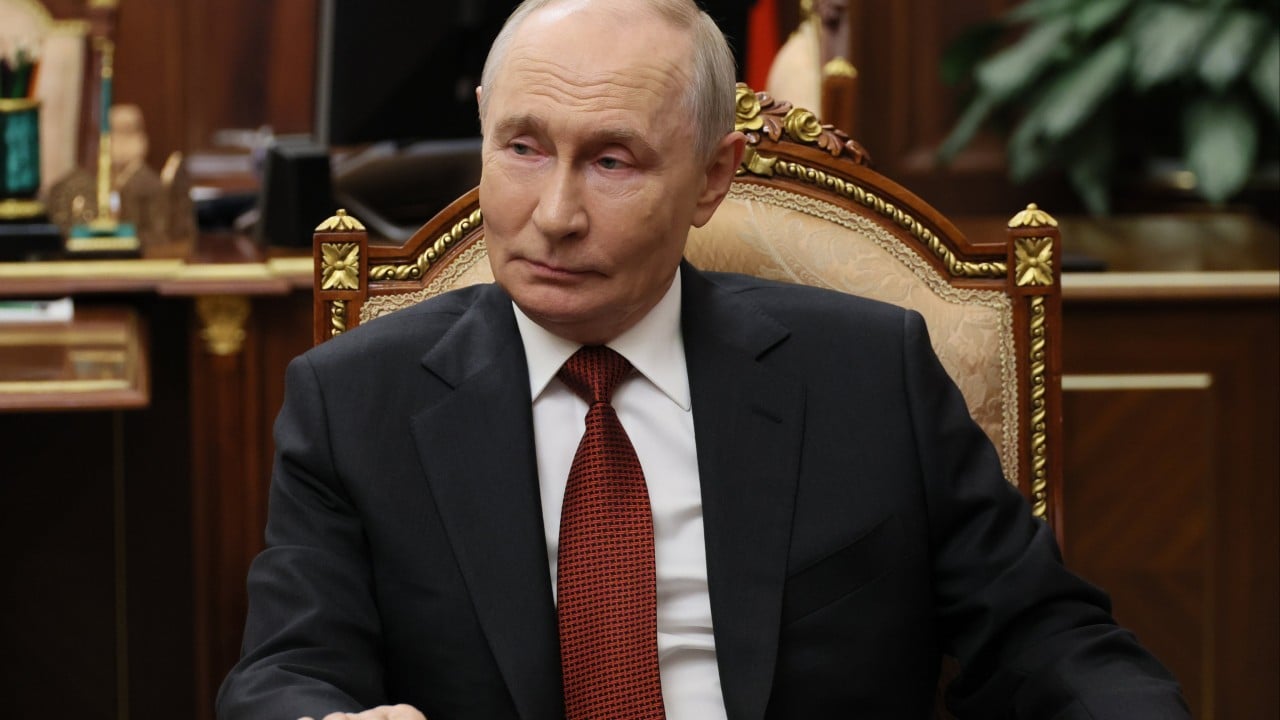
Book about Putins private life which reads like a spy novel wins French literary prize A taboo-breaking book about Vladimir Putins rise to power and private life, written by two exiled Russian journalists, won a newly established French literary prize on Tuesday. The book, The Tsar in Propria Persona: How Vladimir Putin Deceived Us All, draws on more than two decades of investigative reporting by journalists Roman Badanin and Mikhail Rubin. The work won a newly established literary award called Prix Strasbourg awarded by EBRA, Frances largest regional newspaper group, and its...
south china morning post · about 4 hours ago

Meta, US states have discussed settling teen social media harm case, Bloomberg News reports reut.rs/4xhCF07
bluesky_Reuters · about 5 hours ago
Șefii CFR vor fi evaluați după întârzieri, pierderi și investiții. Noile regulile aprobate de ministrul Radu Miruță Șefii CFR SA vor avea de îndeplinit indicatori concreți de performanță, de la reducerea întârzierilor și a pierderilor companiei până la eliminarea restricțiilor de viteză și punerea în funcțiune a sistemelor moderne de semnalizare.
adevarul · about 5 hours ago
Meta refused to switch a teen safety tool on by default, jury told Someone inside Instagram proposed switching its break reminder on by default. The proposal was rejected because the cost to the apps core metrics was not desirable. George Volichenko, a former Meta data scientist, told that to a jury in Oakland this week. Mike Swift reported the testimony from the courtroom for MLex. Volichenko worked on […] This story continues at The Next Web
the next web · about 5 hours ago
Wall Street: Ανοδος με Nvidia και Brent στο επίκεντρο – Στήριξη και από τα ομόλογα Η τεχνολογία επανέφερε τη Wall Street σε θετικό έδαφος, με τη Nvidia να ανακάμπτει πριν από τα κρίσιμα αποτελέσματα της Τετάρτης, ενώ η πτώση του Brent και των αποδόσεων των ομολόγων πρόσφερε ανάσες ενόψει PCE και Τζάκσον Χολ
protothema · about 5 hours ago

Brazil fines TikTok nearly $30 million for failing to implement child safety measures in what it says is a "powerful signal" to social media companies u.afp.com/SVpf
bluesky_AFP English · about 5 hours ago
Australias charts now require a human to sing the lead vocal Australia will bar wholly AI-generated tracks from its official music charts from Monday. The song that prompted the rule was still sitting at number four on Tuesday. The Australian Recording Industry Association set the test in a statement. A track qualifies only if humans wrote the song and performed the lead vocal and the primary […] This story continues at The Next Web
the next web · about 6 hours ago
Human rights situation in Myanmar plummets to new low, UN says New report says abuses against Rohingya and unchecked resource exploitation deepening crisis in Myanmar.
aljazeera · about 6 hours ago

The NTA is planning to spend half a million euro adding solar lights to bus stops The National Transport Authority has issued a public tender for the bus stop project, which will take four years and cost around €480,000.
thejournal · about 6 hours ago

Sumitomo heats up bidding war for Australias FleetPartners with $582 million offer reut.rs/4ymZVdx
bluesky_Reuters · about 6 hours ago
YouTuber finds niche as college admissions mentor As a first-generation student from a small town, Gohar Khan 21 had to navigate the college admissions process largely on his own. He founded his YouTube channel, Gohars Guide, to make things easier for other young people. Today, more than 10 million people follow Khan on social media for college application advice, study tips, and…
mit tech review · about 6 hours ago
Mickoski discusses Macedonias alignment with the US in an interview with Breitbart In a lengthy interview with Breitbart, Prime Minister Hristijan Mickoski discussed Macedonias strong alignment with the US leadership in the world, and the close communication with the Trump administration that began even before the 2024 US elections. Practically, we are fully aligned with all resolutions in United Nations, and we supported them in the past […] The post Mickoski discusses Macedonias alignment with the US in an interview with Breitbart appeared first on Republika English.
republika macedonia · about 6 hours ago
Hungary: Magyar accused of singling out companies for revenge attacks The new Hungarian government of Peter Magyar is facing growing accusations that it is using the fight against corruption and the announced return of state property as a basis for a showdown with companies linked to the previous government of Viktor Orbán. The conservative newspaper Magyar Nemzet assesses that this is a matter of revengeful […] The post Hungary: Magyar accused of singling out companies for revenge attacks appeared first on Republika English.
republika macedonia · about 6 hours ago

Brasilien bestraft Tiktok wegen Daten von Minderjährigen Der Tiktok-Betreiber ByteDance soll 25,5 Millionen Euro Strafe zahlen. Die Plattform habe personenbezogene Daten von Kindern und Jugendlichen ohne gesetzliche Grundlage verarbeitet
der standard · about 7 hours ago
Not Ready for Summer to End? 3 Places to Take the Kids Before August Ends The end of the summer holidays is in sight. While school supplies, pencil cases and sports shoes are already making their way onto shopping lists, there are still a few days of summer left to enjoy. Before the September school routine kicks in, here are three ways to make the most of the final days of August with the family. Letni Letna When: 12–31 August Where: Prague, Letenské sady Letenské sady is taking on a new look until 31 August, transforming into a colourful festival village. The Letní Letná Festival isnt just about evening acrobatics for adults. It also offers a programme for younger visitors called Letní Letná for Children. From morning until late afternoon, the huge childrens tent comes alive with fairy-tale performances and other activities. Kids can take part in creative and juggling workshops, explore an interactive play area made from recycled materials or take a ride on the iconic hand-carved wooden carousel. Most of the childrens activities take place under the festival tents, so an unexpected rain shower wont disrupt the day. The festival also offers a Night Watch childcare service for children aged four and up. Parents can enjoy the evening programme while experienced entertainers look... The post Not Ready for Summer to End? 3 Places to Take the Kids Before August Ends appeared first on Prague Morning.
prague morning · about 7 hours ago
Brazil fines TikTok owner over misuse of childrens and teenagers data According to a report by Brazils National Data Protection Authority (ANPD), the social network failed to block under-16s and mishandled personal data.
euronews · about 7 hours ago
Fuel prices rise less in Cyprus than EU Petrol and diesel prices in Cyprus have risen by less than the European Union average, with the difference ranging from two to eight cents per litre, the Consumer Protection Service (CPS) said on Tuesday. Citing data from the European Commissions EU Oil Bulletin, the CPS said the retail price of unleaded 95 petrol in Cyprus […]
cyprus mail · about 7 hours ago
Takaichi says govt will maintain subsidies capping gasoline prices Japanese Prime Minister Sanae Takaichi said Tuesday the government will maintain subsidies to cap gasoline prices to ease the impact of inflation on Japanese households amid the ongoing…
japantoday · about 7 hours ago

Honda says it may not build new plant in North America without trade deal extension reut.rs/4gC7ANJ
bluesky_Reuters · about 7 hours ago

US consumer confidence falls in August, Conference Board says reut.rs/4qzyr1o
bluesky_Reuters · about 7 hours ago