
BIS warns AI investment bust could disrupt credit markets: EU trade duty takes effect

Story Timeline
2 months · 9 summary articles
The Bank for International Settlements (BIS) has warned that an AI investment bust could trigger credit market disruptions comparable to the 2008 financial crisis, as the Basel-based institution listed AI-led risks alongside inflation and fiscal stress in its annual report published on Sunday, 28 June 2026 . The BIS cautioned that disappointment in AI returns could prompt a sudden pullback in investment, amplifying existing vulnerabilities in global credit markets.
The warning comes as the European Union prepares to implement a €3 duty on non-EU goods worth up to €150 from 1 July 2026, a move that will directly affect consumers in Cyprus and other member states . Major retailers such as Shein and Temu, which rely on ultra-low-cost imports from outside the bloc, will face higher prices for millions of items already in transit. In 2025, nearly 5.9 billion such articles entered the EU, according to Portuguese media .
The dual pressures—AI-driven financial instability and new trade barriers—underscore a broader shift in Europe’s economic landscape. The BIS report, released the same day, explicitly frames AI as both a productivity catalyst and a systemic risk, noting that “disappointment in returns could trigger a sudden pullback in investment” . Meanwhile, the EU’s duty on low-value imports aims to level the playing field for domestic producers, though critics argue it will raise costs for consumers already grappling with inflation.
Financial markets are already reacting. On 28 June 2026, European equities showed mixed performance as UK inflation eased but sterling weakened, reflecting broader uncertainty . In Sweden, the krona hit record lows against the dollar, while Romania faced Europe’s highest electricity prices due to heatwaves and weak hydropower output .
Against this backdrop, the BIS’s warning serves as a stark reminder of the fragility of the post-pandemic recovery. The institution’s annual report, published on Sunday, positions AI as the next potential flashpoint in a global economy already strained by geopolitical tensions and fiscal imbalances . With the EU’s new trade measures taking effect tomorrow, policymakers and investors alike are bracing for a period of heightened volatility.
Follow us for live European news
- 3
- 2
- 2
- 2
- 2
- 2
- 1
- 1
- 1
- 1
3 further sources not geolocated
Articles

Auto repair is one of the least digitised industries in America. AI is changing the economics of why. North America has more than 280,000 independent auto repair shops. Most run on workflows a 1990s small business owner would recognise: phone-based scheduling, paper repair orders, manual parts ordering. The global auto repair software market is projected to grow from $3.4 billion in 2026 to $8.6 billion by 2033, a 14.2 CAGR, according to Persistence […] This story continues at The Next Web
the next web · 2 months ago
The BIS warns an AI bust could hit credit markets as hard as the 2008 financial crisis The Bank for International Settlements warned on Sunday that an AI investment bust could hit credit markets with disruption comparable to the 2008 financial crisis. In its annual report, the Basel-based institution listed AI-led risks alongside inflation and fiscal stress as pressure points that demand attention. Disappointment in returns could trigger a sudden pullback in […] This story continues at The Next Web
the next web · 2 months ago
New tax on non-EU items could drastically affect Cyprus consumers From the start of July, the European Union is introducing a €3 duty on non-EU goods worth up to €150. This affects, among others, major retailers such as the fashion chain Shein and the budget retailer Temu. The new duty is intended to ensure fairer competition between domestic suppliers and those from third countries. As […]
cyprus mail · 2 months ago
Cum au ajuns chinezii să aibă în România cele mai mari cote de piață din toată Europa Asaltul mărcilor chinezești pe piețele europene nu mai este o surprinză sau un secret pentru nimeni. Surpriza vine din viteza cu care aceste mărci intră pe unele piețe, printre care și România, în absența unor prezențe solide din partea brandurilor europene. Citește mai mult pe Profit.ro.
hotnews.ro · 2 months ago
Bizarre Vinted-advertenties zorgen wereldwijd voor onrust: Frankrijk opent onderzoek Een knuffel of pop van vele duizenden euros met daarbij de beschrijving van een kind. Bizarre advertenties op Vinted zorgen wereldwijd voor onrust. Op social media wordt gespeculeerd over kinderhandel. Vinted zegt dat er geen bewijs is. Maar de Duitse politie zit er bovenop en nu heeft ook justitie in Frankrijk bekend gemaakt een onderzoek te openen.
rtl nieuws · 2 months ago

Dans quels pays peut-on acheter une maison à 1 euro ? LItalie fait depuis longtemps parler delle pour son initiative de maison à un euro, mais dautres pays, comme la France, lEspagne et le Japon, présentent des occasions semblables. Explications dans The Times.
courrier international · 2 months ago
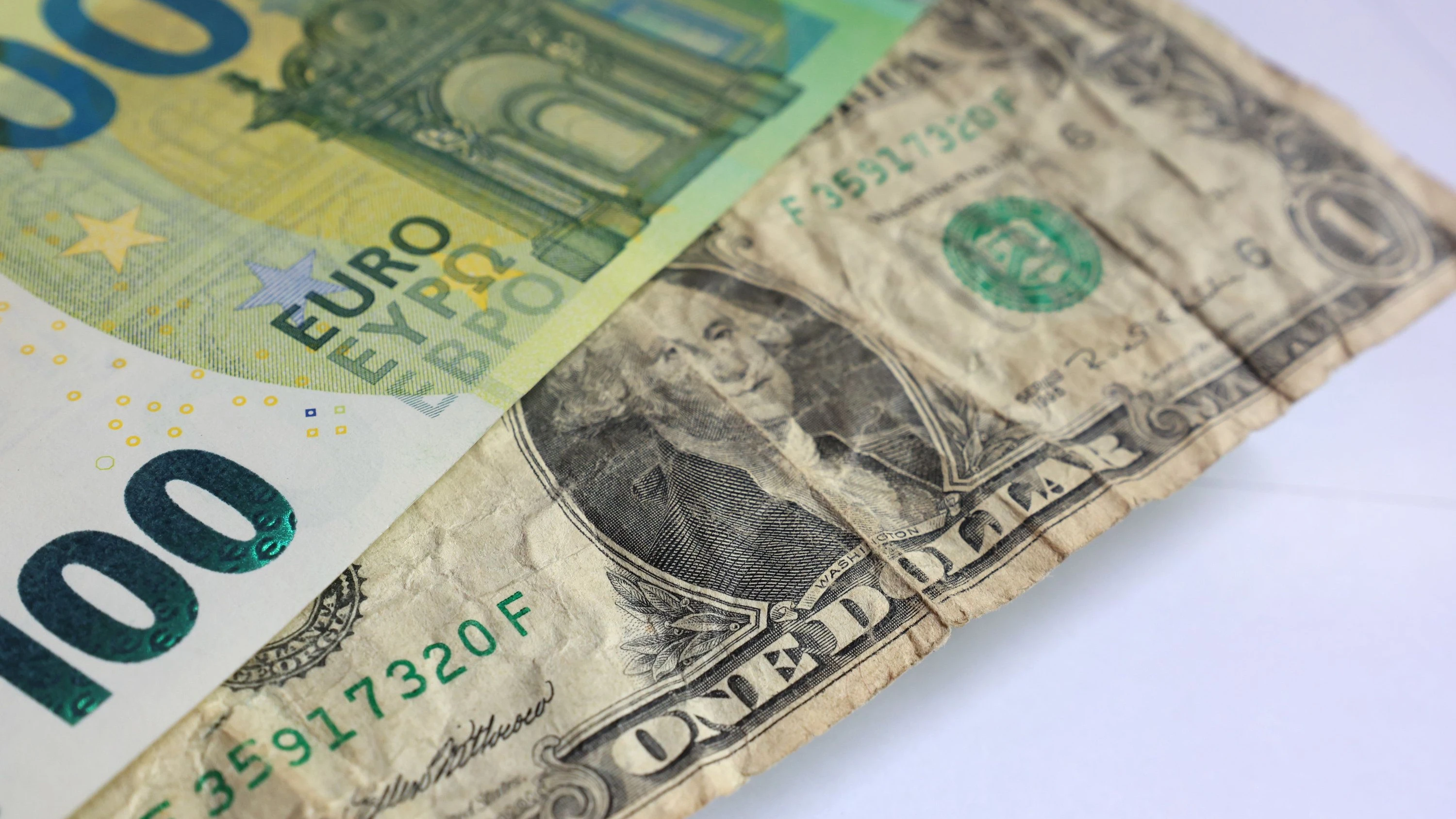
Euro gegen Dollar: Unsere Währung im Niedergang – mal wieder Der Euro steht vor einer Abwärtskorrektur. Investitionen wird die Gemeinschaftswährung erst wieder sehen, nachdem der Kurs ausreichend gefallen ist.
faz · 2 months ago
Autonomes Fahren: VW beendet offenbar Allianz mit Bosch für autonomes Fahren Der Autobauer will Insidern zufolge die „Automated Driving Alliance beenden. Rund 1,5 Milliarden Euro seien bereits in das Projekt investiert worden.
handelsblatt · 2 months ago
World Bank, IFC highlight Türkiyes SME strength, financing gaps World Bank and IFC officials said Türkiyes small and medium enterprises form the backbone of the national economy while accounting for over two-thirds of total employment, urging Ankara to implement comprehensive reforms that close persistent financing gaps and accelerate digital transformation for sustainable growth.
yenisafak · 2 months ago
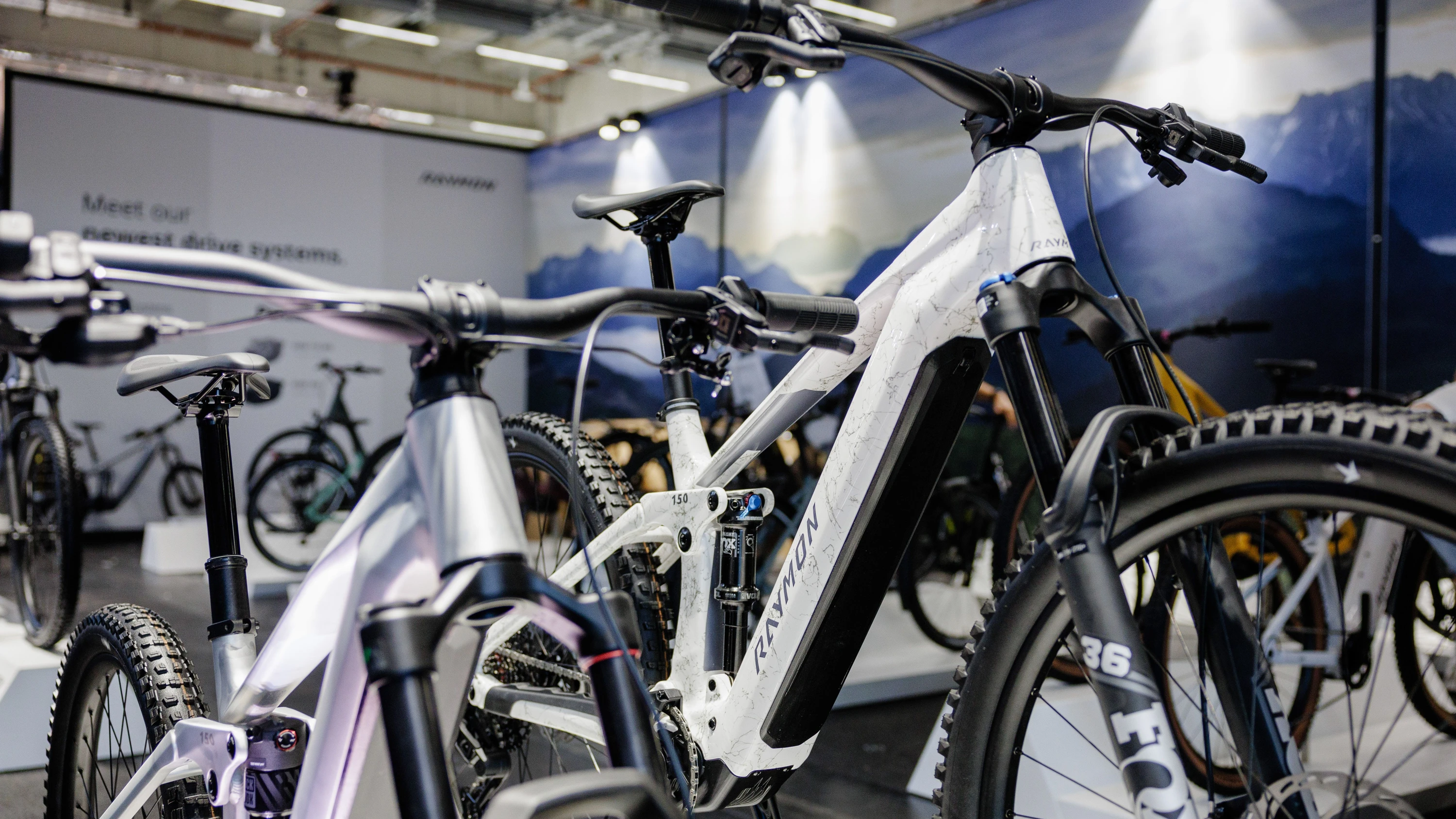
Business-Ticker: Weniger Besucher auf der Fahrradmesse Eurobike Apple will an Lieferant auf schwarzer US-Liste festhalten und erhöht Preise für MacBooks und iPads +++ Tesla stellt nochmal 1000 neue Mitarbeiter in Grünheide ein +++ Neuigkeiten im Unternehmen-Liveblog.
faz · 2 months ago
Pea iga kümnes mullu väljastatud haigusleht osutus kontrollimisel põhjendamatuks Eelmisel aastal osutus tervisekassa kontrollis osaliselt või täielikult põhjendamatuks ligi iga kümnes töövõimetusleht, mille kontrollimist tööandja oli taotlenud, vahendab tööandjate keskliit.
postimees · 2 months ago
Märkte-Insight: SpaceX spürt die Schwerkraft der Märkte In Elon Musks Raumfahrtunternehmen gibt es ein Tauziehen zwischen kühner Vision und harter Mathematik. Für die Aktie steht nun ein wichtiger Test an.
handelsblatt · 2 months ago
România va avea mâine cel mai mare preț la energia electrică din Europa. Expert: „Nu avem capacități de stocare Preț uriaș la energie electrică luni, în România, pe fondul caniculei și al producției slabe: peste 4.200 de lei/MWh seara, adică 4,2 lei pe kilowatt oră, anunță Digi24. Este cel mai mare preț din Europa. Scumpirea este cauzată de temperaturile extreme care afectează producția de energie. Randamentul panourilor fotovoltaice se află, așadar, în scădere, iar centralele nucleare se pot opri. În plus, debitul Dunării este semnificativ sub mediile multianuale. România plătește scump lipsa bateriilor de stocare: „Am putea avea facturi mai mici, subliniază Ciprian Cherciu, expert în domeniul energiei.
digi24 · 2 months ago
Quatro milhões de folhas de exame digitalizadas por dia no Reino Unido A fábrica de Milton Keynes funciona dia e noite. Uma vez digitalizados, itens dos exames são distribuidos por classificadores treinados. Um exemplo de como é a avaliação digital no Reino Unido.
publico · 2 months ago
Van een hoger minimumloon tot duurdere pakketjes: dit verandert er vanaf 1 juli Een paar tientjes extra loon, een hogere huur en duurdere pakketjes uit China. Ook deze zomer gaan er weer allerlei regels en tarieven op de schop. Dit zijn de belangrijkste veranderingen die vanaf 1 juli ingaan.
nu.nl · 2 months ago
Digitalisierung: „Bürokratie-Dschungel – Warum Start-ups den Staat als Kunden meiden Trotz Milliardenaufträgen bleibt der Staat als Kunde bei Start-ups unbeliebt. Das zeigt eine Studie, die dem Handelsblatt vorliegt. Woran das liegt – und was sich bald ändern könnte.
handelsblatt · 2 months ago
Türkiye reaches historic $395.9B export milestone, Erdogan says President Recep Tayyip Erdogan announced at the Turkish Exporters Assembly that Türkiye reached a historic milestone in foreign trade with $395.9 billion in goods and services exports in 2025, highlighting the countrys 23 consecutive quarters of uninterrupted growth achieved despite challenging global economic tensions.
yenisafak · 2 months ago
Kronan i kollaps mot dollarn I fjol var det omvända världen. Men i år har den svenska kronan i stället gått klart sämst mot den amerikanska dollarn av världens mest handlade valutor.
svenska dagbladet · 2 months ago
Tax Department to begin business closures over unpaid debts and missing receipts Tax inspectors will begin surprise checks on businesses in tourist areas within days, using new powers to suspend operations for companies that fail to issue receipts and invoices or owe more than €20,000 in tax. The business closure measure, which will be introduced gradually during July, will be used in Cyprus for the first time […]
in-cyprus · 2 months ago

Vai ficar mais caro comprar na Shein e Temu. O que muda? Em 2025, entraram no bloco europeu quase 5,9 mil milhões de artigos de baixo valor expedidos de países de fora da UE
observador · 2 months ago
De volgende golf aan beursgangen zal plaatsvinden in de energiesector, verwacht de topman van Euronext Terwijl de Iran-oorlog de inflatie en energieprijzen opdrijft, tikken beurzen wereldwijd het ene na het andere record aan. Euronext-topman Stéphane Boujnah snapt wel waarom. „Er heerst onder beleggers een gevoel dat dit conflict lokaal is en omkeerbaar.
nrc · 2 months ago
Falsi prodotti italiani: giro daffari di 42 miliardi tra noi e gli Usa LItalian sounding, ovvero la pratica di vendere prodotti che sfruttano nomi, immagini e colori (come la bandiera) per sembrare italiani, è uno dei problemi più importanti per il Made in...
il sole 24 ore · 2 months ago
Dieser Chipaktie trauen Experten ein Kursplus von 75 Prozent zu – und sie raten zu einem großen Dividendenzahler [premium] Große Bewegungen finden derzeit an den Börsen statt. Und obwohl die Risikoaversion zunimmt, sehen Experten jede Menge Investitionsmöglichkeiten. Etwa bei diesem Chiphersteller und bei einem Konzern, der die Dividende seit 49 Jahren jährlich erhöht.
die presse · 2 months ago
"Raus aus den USA!": Warum Börsen-Legende Grantham vor einem 70-Prozent-Crash warnt Der 87-jährige Investor sagte die Dotcom-Blase und die Finanzkrise voraus. Nun warnt er vor einer historischen KI-Euphorie an den Märkten
der standard · 2 months ago

Verstorbener Ex-Fed-Chef: Wie Alan Greenspan die Geldwelt verändert hat Aus seinen Fehlern und Errungenschaften hat die Welt gelernt. Ein Rückblick auf Leben und Wirken des legendären Notenbankers.
faz · 2 months ago
Anleihen: Big Tech begibt Milliarden-Anleihen im Euro-Raum: Was bedeutet das für europäische Firmen-Bonds? US-Technologiefirmen wie SpaceX, Nvidia und Amazon haben seit Januar Anleihen für 219 Milliarden Dollar begeben. Das treibt auch Unternehmen und Investoren in Europa um.
handelsblatt · 2 months ago
Fler stålbad väntas i tysk bilindustri Volkswagens plan om att stänga fyra fabriker och göra sig av med 100 000 anställda – ännu ej klubbad i koncernstyrelsen – är bara ett av flera väntade stålbad i den gigantiska bilindustrin i Tyskland.BMW och Mercedez-Benz liksom flera stora tyska underleverantörer är inne på samma spår.
svenska dagbladet · 2 months ago
Google is rationing Gemini access to Meta because it cannot provide enough compute Google has placed limits on Metas use of its Gemini AI models because it cannot provide as much computing capacity as the social media company wanted, the Financial Times reported on Sunday. The restrictions have affected several Google clients, with Meta hit particularly hard. The move has had a knock-on effect on Metas internal projects. […] This story continues at The Next Web
the next web · 2 months ago
Micron briefly surpassed Meta and Tesla in market value. Its stock is up 236 in a month. Micron Technology briefly surpassed Meta and Tesla in market valuation on Thursday, closing the week at roughly $1.27 trillion. The stock has soared over 236 in the past month alone, reaching $1,132 a share. Before mid-2025, it spent years below $100. The surge followed blockbuster third-quarter earnings. Revenue quadrupled year on year to $41.45 billion. […] This story continues at The Next Web
the next web · 2 months ago
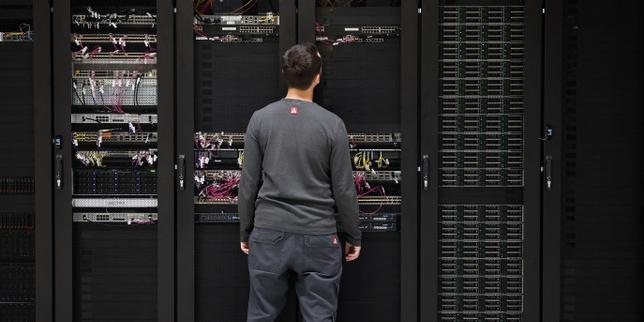
Comment lIA et le boom des data centers profitent à des industriels français de léconomie traditionnelle Les besoins générés par les centres de données sont considérables et dopent lactivité de groupes a priori éloignés de la tech, comme Valeo et Schneider Electric.
le monde · 2 months ago