
Global risk aversion deepens as AI chip demand surges and OpenAI IPO delay dents tech rally

Story Timeline
3 months · 14 summary articles
Global risk aversion deepened on Saturday as surging demand for AI chips sent tech costs soaring, pushing markets into a sharp sell-off and forcing investors to reassess the sustainability of the artificial intelligence boom. Core US inflation met forecasts, tempering expectations of Federal Reserve rate hikes from two to one by year-end, yet the mood on trading floors remained cautious as chipmakers’ valuations stayed elevated and OpenAI’s delayed IPO removed a key pillar of optimism .
Futures on Wall Street fell sharply after the chip sector resumed its slide, with Micron Technology’s shares tumbling 5% in the previous session as investors digested the delayed listing of OpenAI, once seen as a bellwether for the AI investment cycle . Asian markets echoed the caution, with sharp sell-offs across the region as traders questioned whether the AI-driven rally had run ahead of fundamentals .
The surge in chip demand is already rippling through consumer markets, with electronics prices in Estonia rising as memory chip costs climb and Amazon raising prices for its core AI cloud services in response to the same pressures . In South Korea, the bonanza for chipmakers has translated into outsized employee bonuses that economists warn could stoke inflation, underscoring how AI’s economic footprint is expanding beyond equity valuations into wages and prices .
While the US government has granted Anthropic permission to resume operations of its most powerful AI model, Mythos 5, the move reinforces Washington’s tightening control over strategic AI access rather than easing market jitters . Meanwhile, the European Central Bank’s latest research shows AI is already reshaping employment patterns across the continent, though wage growth has yet to reflect the shift .
With chip valuations stretched and the Fed’s path uncertain, the AI rally faces its sternest test yet. The delayed OpenAI listing removes a key catalyst, while rising costs threaten to crimp end-user demand just as supply constraints bite. The question now is whether the sector can justify its lofty expectations—or whether the bubble is finally losing air.
Follow us for live European news
- 3
- 2
- 2
- 2
- 2
- 1
- 1
- 1
- 1
- 1
- 1
2 further sources not geolocated
Articles

AI has changed employment patterns but has not affected wage growth — yet The adoption of artificial intelligence tools is already leading to a reallocation of jobs within the United States labour market, according to new research published by the European Central Bank (ECB). While the aggregate impact on total employment has remained muted, the analysis reveals a clear trend where occupations considered at high risk of substitution […]
cyprus mail · 2 months ago

Un secteur en particulier est toujours plus dépendant des flexi-jobs Lhoreca reste le principal utilisateur des flexi-jobs, mais a atteint un plafond. Cest dans le secteur du commerce que la progression est la plus forte, ressort-il des chiffres de lONSS sur les flexi-jobs et les jobs étudiants, cités dans LEcho samedi. ...
la libre · 2 months ago

Le pass combi pour un festival augmente en moyenne de 9,9, au-delà de linflation Les tarifs pour participer à tous les jours dun festival, selon la formule du "pass combi", augmentent en moyenne de 9,9, au-delà de linflation, rapporte samedi LEcho qui analysé lévolution des prix de 13 festivals belges par rapport à 2025. ...
la libre · 2 months ago
Apple pressar Trump – vill köpa svartlistade chip från Kina Iphonetillverkaren Apple pressar på för att få grönt ljus från Trumpregeringen för att köpa minneschip från kinesiska CXMT, rapporterar Financial Times hänvisning till källor.
expressen · 2 months ago
Q&A | Laat jij geld liggen met energiecontract? Velen hebben onbewust variabel Twee energiecrises in vijf jaar tijd hebben de energiemarkt flink op haar kop gezet. Huishoudens zoeken naar zekerheid, maar worden tegelijkertijd geconfronteerd met steeds meer keuzes. Veel lezers hebben vragen over het afsluiten van een energiecontract en over wat energieaanbieders daarin mogen doen.
nu.nl · 2 months ago
Kommentar: Wann platzt die Börsenblase? Der KI-Boom mahnt zur Vorsicht, doch Entwarnung geben stark steigende Unternehmensgewinne. Doch ausgerechnet daraus erwächst auf Dauer ein Risiko.
handelsblatt · 2 months ago
Asienmärkte: Schwache Binnennachfrage schwächt chinesische Industrie Die Industrieproduktion und der Export stützen die Konjunktur in China, doch die Inlandsnachfrage schwächt das Gewinnwachstum des Landes. Besonders die Autobauer verzeichnen Einbußen.
handelsblatt · 2 months ago
Übernahme: Indischer Rivale bietet Milliardensumme für Softwarefirma Nagarro Das indische Tech-Unternehmen Persistent Systems möchte den IT-Dienstleister Nagarro übernehmen. Der Aufsichtsratschef des Münchner IT-Dienstleisters spricht von gemeinsamen Werten der Firmen.
handelsblatt · 2 months ago
Jung-Investor: Mit 14 Aktionär: „Mir geht es um Kapitalvermehrung Daniel Erb investiert eigenständig in Aktien seit er zwölf Jahre alt ist. In diesem Jahr war er erstmals bei zwei Hauptversammlungen – als Redner. Zwei Banken hat er damit neugierig gemacht.
handelsblatt · 2 months ago
Global risk perception rises as chip demand drives tech costs Risk aversion increased in global markets as surging chip demand raised costs in AI and tech sectors, potentially weakening end‑user demand. Core US inflation met estimates, reducing expectations of Fed rate hikes from two to one by year‑end, while Asian markets saw sharp sell‑offs.
yenisafak · 2 months ago
Sydenturen var selve symbolet på velstand. Nå gir det høyere status å velge det bort. En gang var sydenturen selve symbolet på velstand. I dag mener både forskere og sosiologer at ferie som klassemarkør har…
aftenposten · 2 months ago
Pricerunner mot Google – nu avgörs miljardtvisten I veckan som kommer avgörs tvisten mellan techjätten Google och Klarna-ägda Pricerunner. Skadeståndskravet från Pricerunner är på 77 miljarder kronor.– Det är det högsta beloppet någonsin i Sverige, säkerligen ett av de högsta i Europa, säger advokaten Pontus Scherp, som representerar Pricerunner.
svenska dagbladet · 2 months ago
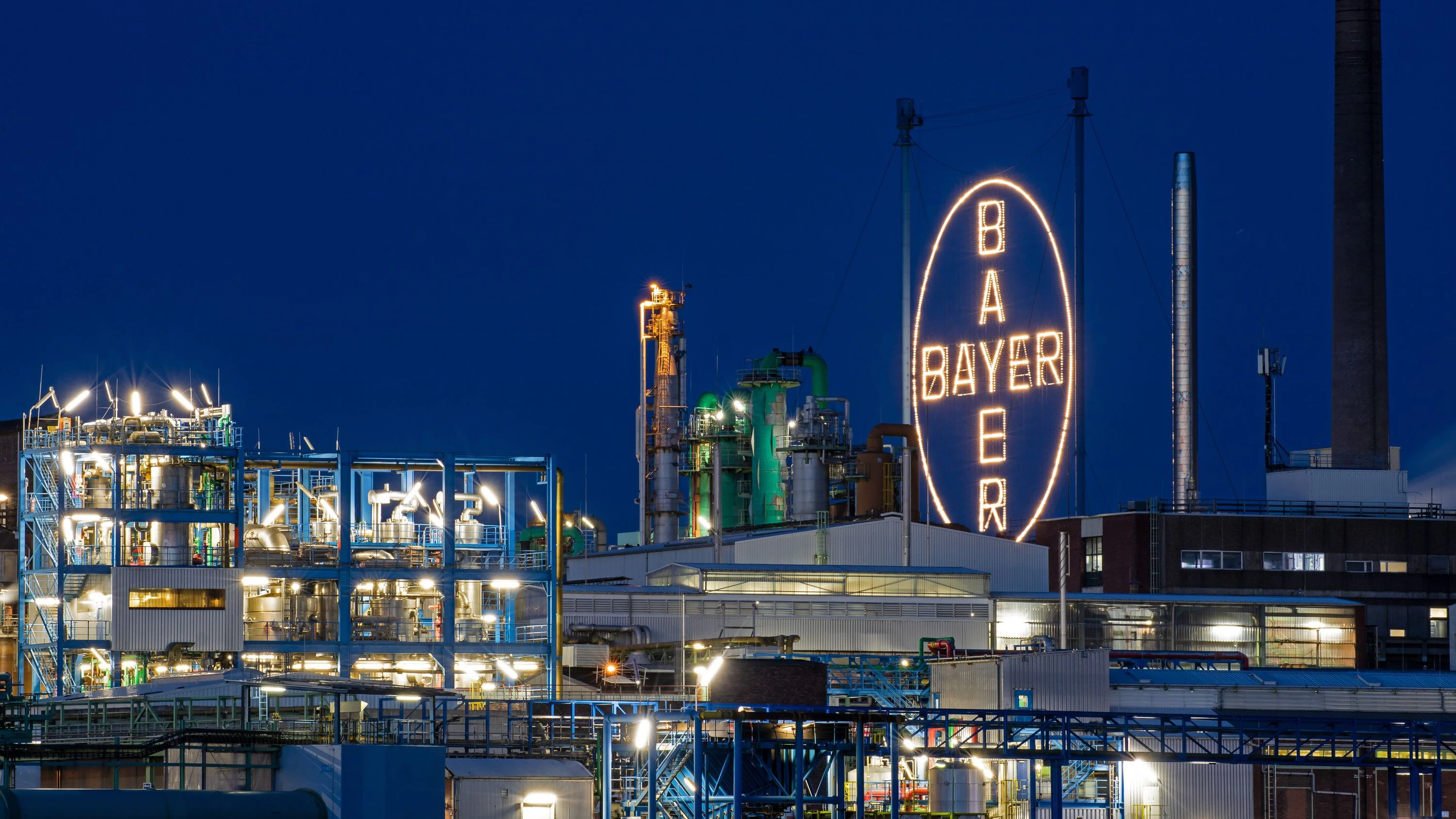
Nach Glyphosat-Urteil: Für Bayer-Aktien ist noch mehr drin Ein Gerichtsurteil aus Amerika lässt den Aktienkurs von Bayer um fast 20 Prozent in die Höhe schnellen. Das muss es noch nicht gewesen sein.
faz · 2 months ago
Telia cuts TV channels but keeps prices unchanged as viewer habits shift Telia is cutting several low-viewership TV channels from its packages without lowering monthly fees, citing changing viewer habits with streaming and bundled services.
news.err · 2 months ago
Navigating the new frontier! U.S. AI export controls are placing the reins of global AI access firmly in Washingtons hands. What does this mean for tech companies and geopolitical dynamics? Lets discuss! #AI #Geopolitics #TechIndustry #ExportControls US AI Export Controls: The Government Decides Who Gets Access
mastodon bot · 2 months ago
«Sipsik ummistas Omniva...» Mündihullus tõi kaasa pakiautomaatide nädalatepikkused tarneviivitused Hiljuti Eesti Panga muuseumi kaudu müügile jõudnud Sipsiku 2-eurone meenemünt on osutunud erakordselt populaarseks nii kogujate kui ka tavakodanike seas. Suur huvi tõi endaga kohapeal kaasa pikad järjekorrad ning pakiautomaatides mitme nädala pikkused ooteajad, mis tekitasid klientides pahameelt: «Öeldi, et see on tavaline kuna neil ongi nii palju tellimusi.» Omniva: «Vastab tõele ja kinnitame, et kõik tellijad saavad oma Sipsiku mündid kindlasti kätte.»
postimees · 2 months ago
Washingtonul deschide robinetul pentru cel mai puternic model de inteligență artificială. Cine sunt „aleșii După două săptămâni de blocaj fără precedent, guvernul american a autorizat din nou, vineri, cel mai puternic model de inteligență artificială (IA) al companiei Anthropic, destinat exclusiv unui cerc restrâns de parteneri americani, confirmând astfel preluarea controlului de către Washington asupra acestei tehnologii strategice, scrie AFP. De repunerea în funcțiune a Mythos 5 va beneficia, …
hotnews.ro · 2 months ago
Raumfahrt: SpaceX rückt in US-Indizes auf – hohe Nachfrage erwartet Nasdaq, S&P 500, FTSE Russell – große Indexanbieter möchten Mega-Börsengänge anlocken. Dafür erleichtern sie den Zugang zu ihren Indizes. Doch SpaceX soll noch nicht überall gelistet werden.
handelsblatt · 2 months ago
Turkish industrial goods sales exceed $600B in 2025 Sales of industrial goods manufactured in Türkiye reached 24.03 trillion liras ($608.3 billion) in 2025, up 27.7 year‑on‑year. The country produced 1.2 million automobiles and 8.3 million refrigerators, with food products accounting for 15.5 of sales and high‑tech products for 3.6.
yenisafak · 2 months ago
King Charles reveals $17M tax bill in royal accounts King Charles has become the first British monarch to disclose his tax bill, paying £12.9 million ($17 million) for 2024-25, placing him among the top 100 UK taxpayers. The Sovereign Grant is set to rise to nearly £100 million by 2027-28 as Buckingham Palace renovations continue.
yenisafak · 2 months ago
„Totul s-a majorat cu peste 30. Nunți mai scumpe, invitați mai puțini. Cât a ajuns să fie darul pentru miri în 2026 Scumpirile din ultima perioadă se simt și în darul de nuntă. Invitații au ajuns să dea dublu la finalul petrecerii, pe măsură ce costurile pe care le au mirii cu organizarea au tot crescut. Specialiștii estimează că, acum, cuplurile lasă în plic cel puțin un salariu minim.
digi24 · 2 months ago
Rijeka Hospital Gets Surgical Robots, Leading to Quicker Patient Recovery June the 27th, 2026 – Rijeka Hospital has now got surgical robots, which should allow patients undergoing certain surgeries to recover more quickly. Index reports that Rijeka Hospital has received new robotic technology for surgery, which is expected to improve operations and help patients recover more quickly. The new robotic surgical systems allow doctors to ... Read more The post Rijeka Hospital Gets Surgical Robots, Leading to Quicker Patient Recovery appeared first on Total Croatia.
total croatia news · 2 months ago
Construiești pe pământ închiriat? În era AI, asta te poate costa tot Câteva considerații utile apropo de strategii de comunicare pentru influenceri și viitori influenceri. Mai merită să investească în site-ul personal sau nu.
adevarul · 2 months ago
One-third of workers expect AI to make their jobs mentally harder A new Netherlands Organisation for Applied Scientific Research (TNO) study shows that most workers in the Netherlands expect artificial intelligence to leave their jobs largely unchanged.
nltimes.nl · 2 months ago
Electronics prices soar as AI boom drives up demand for memory chips Surging demand for artificial intelligence infrastructure is driving up memory chip prices, raising the cost of consumer electronics in Estonia.
news.err · 2 months ago
Tα κυριακάτικα πρωινά, γίνονται καλύτερα με efood market και Πρώτο Θέμα! Και ποιος δεν θέλει οι Κυριακές να είναι οι πιο εύκολες ημέρες της εβδομάδας και να είναι γεμάτες ανέσεις και απολαύσεις
protothema · 2 months ago
Old money εναντίον νέοπλουτων: Η μεγάλη μάχη στα social media έχει νικητή Πώς γεννήθηκε η ψηφιακή τάση της «παλιάς εύπορης οικογένειας» και γιατί επηρεάζει ολοένα περισσότερο τον τρόπο με τον οποίο αντιλαμβανόμαστε την επιτυχία και την κοινωνική καταξίωση;
protothema · 2 months ago
Dämpad vinstökning bland kinesiska företag Vinstökningarna i Kinas industri dämpades i maj, vilket är första tecken på avmattning i sektorn sedan november i fjol.Exportlyft och prishöjningar räckte inte till för att väga upp trenden med svag inhemsk efterfrågan.
expressen · 2 months ago

Banco do bloco BRICS emite pela primeira vez dívida em Macau Novo Banco de Desenvolvimento (NDB) disse que a operação representa "um marco importante" nos esforços da instituição para diversificar as fontes de financiamento e expandir a presença.
observador · 2 months ago
Künstliche Intelligenz: US-Regierung schränkt Zugang zu neuer KI von OpenAI ein Die amerikanische Regierung bestimmt künftig mit, wer Zugang zu leistungsstarken neuen KI-Modellen bekommt. Ein Auslöser ist die Angst vor einem Missbrauch von KI für Cyberattacken.
handelsblatt · 2 months ago