
Thunderstorms and heavy rain slam Brandenburg as low-pressure system triggers warnings
Story Timeline
4 months · 3 summary articles
Europe braces for extreme heat and violent storms as scorching temperatures and severe thunderstorms sweep across the continent.
Austrian heatwave peaks at 35C as thunderstorms threaten Alpine regions
Thunderstorms and heavy rain slam Brandenburg as low-pressure system triggers warnings
Unsettled weather grips Brandenburg as thunderstorms and heavy rain sweep across eastern Germany on Tuesday, 9 June 2026. The German Weather Service (DWD) has issued warnings for scattered showers and isolated lightning strikes, with localised downpours capable of producing up to 20 litres per square metre in a single hour. Brandenburg’s districts of Potsdam-Mittelmark, Teltow-Fläming and Dahme-Spreewald are under the highest alert, where emergency services report slippery roads and reduced visibility on the A9 and A10 autobahns .
Meteorologists attribute the volatility to a slow-moving low-pressure system drifting from Scandinavia, its cold front clashing with warm, humid air over the North European Plain. “We’re seeing a classic summer constellation,” said DWD spokesman Andreas Friedrich. “The atmosphere is primed for convective cells that can intensify rapidly.” Forecast models show the pattern persisting through Thursday, with the heaviest bursts expected between 14:00 and 19:00 local time, when surface temperatures peak above 22 °C .
Public response has been cautious. Brandenburg’s Ministry of the Interior has activated its crisis cell, while local fire brigades have staged extra patrols in flood-prone villages such as Beelitz and Storkow. “We’re advising residents to secure loose garden furniture and avoid underpasses,” said a spokesperson for the Potsdam district authority. Schools in Luckau and Lübbenau have delayed outdoor sports activities, and regional rail operatorODEG has reduced speeds on the Berlin–Dresden line to 80 km/h between 15:00 and 18:00 .
The unsettled spell contrasts with the prolonged heatwave that gripped eastern Germany in late May, when Berlin recorded 31 consecutive days above 25 °C. Climatologists link the shift to a meandering jet stream, which is steering Atlantic depressions farther south than usual for early June. “This is not exceptional, but it is consistent with the increased variability we expect in a warming climate,” noted Dr Friederike Otto of Imperial College London, who is not involved in the current forecast .
Looking ahead, the DWD expects a gradual improvement over the weekend as the low-pressure system drifts eastward. Until then, residents are urged to monitor local warnings via the NINA app and to postpone non-essential travel after dark, when visibility drops below 500 metres in heavy downpours .
Follow us for live European news
- 3
- 1
- 1
- 1
- 1
- 1
Articles

Météo : un mardi de vent et de pluie Quelques averses traverseront le nord du pays mardi matin. Ailleurs, de belles périodes ensoleillées alterneront avec des passages nuageux. ...
la libre · 4 months ago

Tiempo en Madrid este martes: temperaturas en descenso y posibles lluvias débiles en la Sierra No se descarta alguna precipitación débil en la Sierra, pudiendo ser dispersas y ocasionales. El calor afloja en el norte, pero el Guadalquivir seguirá rozando los 40 grados Después de jornadas de calor intenso que coincidieron con la visita del Papa a Madrid, este martes descienden las temperaturas, aunque seguirán sobre los 34 grados, según la previsión de la Agencia Estatal de Meteorología (AEMET). Así, la jornada de este martes 9 de junio, estará marcada por cielos poco nubosos con intervalos de nubosidad de evolución en la Sierra, que se irá extendiendo por la tarde al resto de la comunidad. A su vez, no se descarta alguna precipitación débil en la Sierra, pudiendo ser dispersas y ocasionales. En cuanto al viento, soplará flojo variable con predominio de componente del nordeste al principio y final de este día. Temperaturas en descenso En cuanto a las temperaturas, se esperan cambios ligeros con predominio de descenso, con mínimas que se quedarán por debajo de los 20 grados, entre los 15 y 18, este último valor en localidades como Getafe. Las máximas, por su parte, se quedarán por encima de 30 y alcanzarán los 35 en Aranjuez, los 34 en Alcalá de Henares y los 33 en la capital. Para los próximos días seguirá el ligero descenso, con las más altas en 33 grados, para volver a subir el jueves y superar los 35 de nuevo el viernes, con mínimas superando los 20.
eldiario.es · 4 months ago

Stevige buien blijven komen en gaan: Droog en zonniger in het weekend Het weerbeeld kenmerkt zich de komende tijd door wisselvallig en koel zomerweer. Van tijd tot tijd trekken (stevige) buien over het land, met tussendoor ook ruimte voor de zon.
rtl nieuws · 4 months ago
Wetter: Wetter in Berlin und Brandenburg bleibt wechselhaft Sonne zeigt sich in Berlin und Brandenburg derzeit nur selten. Stattdessen prägen Regen, Schauer und vereinzelt auch Gewitter das Wetter.
tagesspiegel · 4 months ago
Zwei Elche gesehen: Elch-Besuch im Osten - 24 Sichtungen gemeldet Elch-Sichtungen in Brandenburg: Gleich zwei der seltenen Riesen hielten sich südöstlich von Berlin auf. Was Experten zu den Begegnungen sagen.
tagesspiegel · 4 months ago
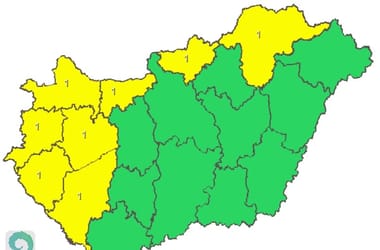
Zivatarok miatt veszélyjelzést adtak ki nyolc megyére A zivatarokat viharos többfelé viharos széllökések kísérhetik.
hvg.hu · 4 months ago
Wetter: Regen und Gewitter in Hessen erwartet
die zeit · 4 months ago
Wetter: Regnerische Tage und Gewittergefahr in Nordrhein-Westfalen
die zeit · 4 months ago
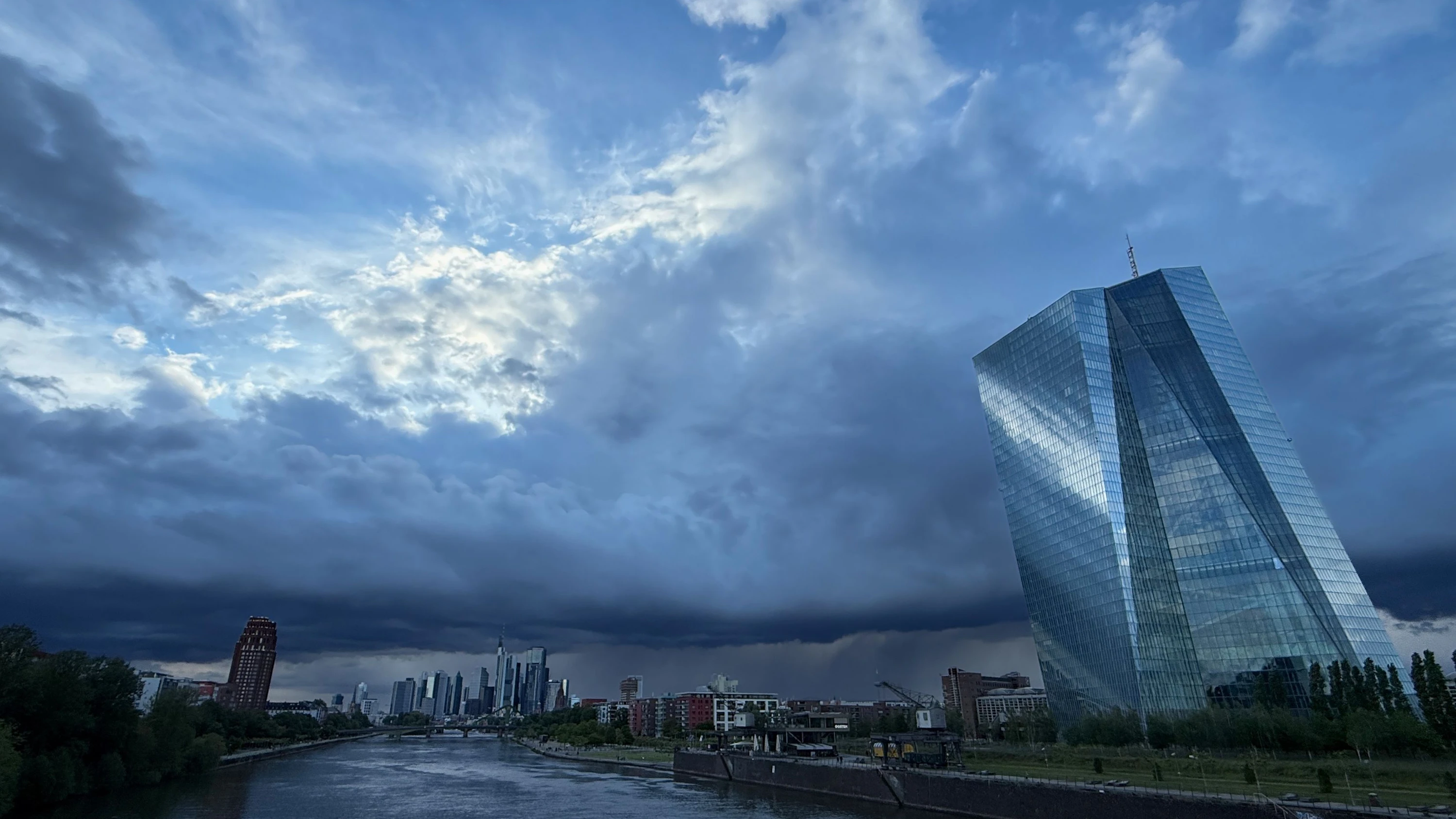
Rhein-Main-Liveblog: Regen und Gewitter in Hessen erwartet Was ist los in Frankfurt & Hessen? Lesen Sie aktuelle News & Nachrichten im News-Ticker von heute ► Was heute wichtig ist, erfahren Sie bei der F.A.Z.
faz · 4 months ago

Flights and ferries cancelled as storm pounds New Zealands capital Authorities declare state of emergency for affected areas in Wellington
independent · 4 months ago
Wetter: Regen und Gewitter im Norden – Wetter bleibt unbeständig
die zeit · 4 months ago
Wettervorhersage: Wechselhaftes Wetter mit Schauern und Gewittern erwartet
die zeit · 4 months ago