Loading…
 Saturday, September 26Saturday, September 26
3 months · 11 summary articles
Ten years after the United Kingdom’s historic vote to leave the European Union, a wave of political and public sentiment is reshaping the Brexit debate. Polls published on Sunday, 21 June 2026, reveal that a majority of young Britons now support rejoining the bloc, marking a dramatic reversal from the 2016 referendum outcome. The shift reflects widespread disillusionment with the economic and geopolitical consequences of Brexit, which was sold as a path to greater sovereignty but has instead left many questioning its costs.
A survey cited by *Süddeutsche Zeitung* shows that younger voters, who were largely excluded from the 2016 decision, now overwhelmingly favor closer ties with the EU . The sentiment, dubbed “Bregret” by Italian newspaper *La Repubblica*, captures a growing national remorse over the 2016 result, with polls indicating that regret is now the dominant emotion among British citizens . The European Council on Foreign Relations (ECFR) echoed these findings, stating that “Brexit isn’t working” and that British voters are increasingly ready for a European future .
The political fallout has intensified as Prime Minister Keir Starmer faces a leadership challenge from Andy Burnham, further spotlighting the EU question amid domestic turmoil. France 24 reports that the uncertainty has amplified calls for reaccession, particularly among progressive factions . Meanwhile, *Handelsblatt* argues that a British return to the EU would send a powerful signal on the global stage, though it would also create a clear loser: the bloc’s remaining eurosceptic movements .
The shift in public opinion comes as the UK grapples with the tangible consequences of Brexit—from trade disruptions to labor shortages—amid a broader crisis of national identity. *Tagesspiegel* notes that the 2016 vote was less a coherent policy choice than a symptom of Britain’s fractured self-perception, a divide that remains unresolved a decade later . As the debate evolves, the question is no longer whether Brexit has delivered on its promises, but whether the UK can afford to ignore the growing demand for a second look at Europe.
Follow us for live European news
1 further source not geolocated

Großbritannien: Der Brexit hat die Welt verändert – eine Rückkehr der Briten könnte das auch Zehn Jahre nach dem Brexit diskutiert das Königreich ernsthaft über ein Comeback. Europa würde sich mit einem Ausrufezeichen auf der Weltbühne zurückmelden. Es gäbe aber einen Verlierer.
handelsblatt · 3 months ago
Umfrage zum Brexit: Junge Briten für EU-Beitritt Der Brexit sollte Großbritannien mehr Kontrolle und Unabhängigkeit von Europa bringen. Zehn Jahre später sehen viele Briten vor allem die Nachteile. Eine Mehrheit wünscht sich engere Beziehungen zur Europäischen Union.
sueddeutsche · 3 months ago
10 years after Brexit, could the UK rejoin the European Union? It has been nearly a decade since Brexit and calls for the United Kingdom to rejoin the bloc are growing - particularly amongst progressives. The issue has been further spotlighted amid the current political uncertainty, with Prime Minister Keir Starmers job on the line, facing a leadership challenge from Andy Burnham. But will a change in government lead to reaccession? Answer with Eliza Herbert.
france24 · 3 months ago
‚Nebyl to dobrý nápad. Londýnem prošel pochod na výročí brexitu, lidé chtějí zpátky do Evropské unie Tisíce lidí se v sobotu odpoledne sešly v centru Londýna, aby si připomněly blížící se desáté výročí referenda o brexitu. V něm Britové rozhodli o vystoupení z Evropské unie. O deset let později se 57 procent lidí domnívá, že to byla chyba. Vyplývá to z nejnovějšího průzkumu agentury Yougov.
irozhlas.cz · 3 months ago
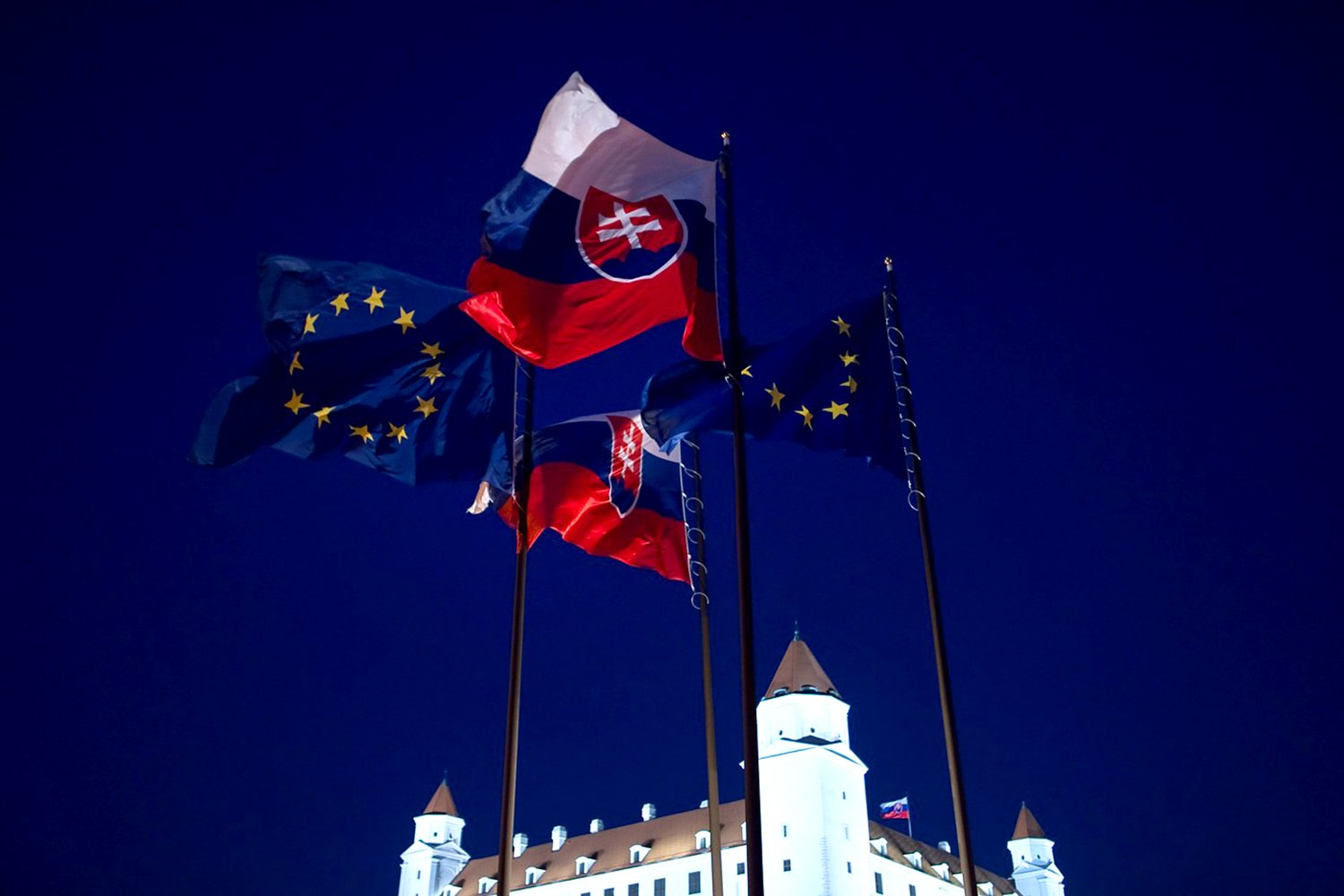
Ján Markoš: Proč Evropskou unii máme i nemáme rádi? Robert Fico přiznává, že jsme sice chudší než jiné země Unie, ale zato víme, kdo je muž a kdo je žena. A do toho křičí Milan Uhrík s Milanem Mazurkem, že EU je zkažená.
respekt · 3 months ago

LEDARE : Brexit tio år senare : Effekter på Storbritannien och EU
gdelt bot · 3 months ago
Die Briten und das Brexit-Votum: Ein Land auf der Suche nach sich selbst Vor zehn Jahren stimmte eine knappe Mehrheit für den EU-Austritt. Doch hinter der Entscheidung gegen Europa steckte mehr. Wie der Brexit Großbritannien bis heute prägt.
tagesspiegel · 3 months ago
Brexit isnt working: British voters are ready for a European future – European Council on Foreign Relations
gdeltproject.org · 3 months ago
Brexit, a dieci anni dal referendum a vincere tra i britannici è il sentimento di Bregret Il neologismo racconta la sensazione di rimorso, regret in inglese, espressa dalla maggioranza dei cittadini per lesito del voto del 23 giugno 2016. Lo dicono i sondaggi
corriere · 3 months ago
Ten years on, the case for rejoining grows stronger as campaigners gather for National Rejoin March 2026 - Left Foot Forward: Leading the UKs progressive debate
gdeltproject.org · 3 months ago